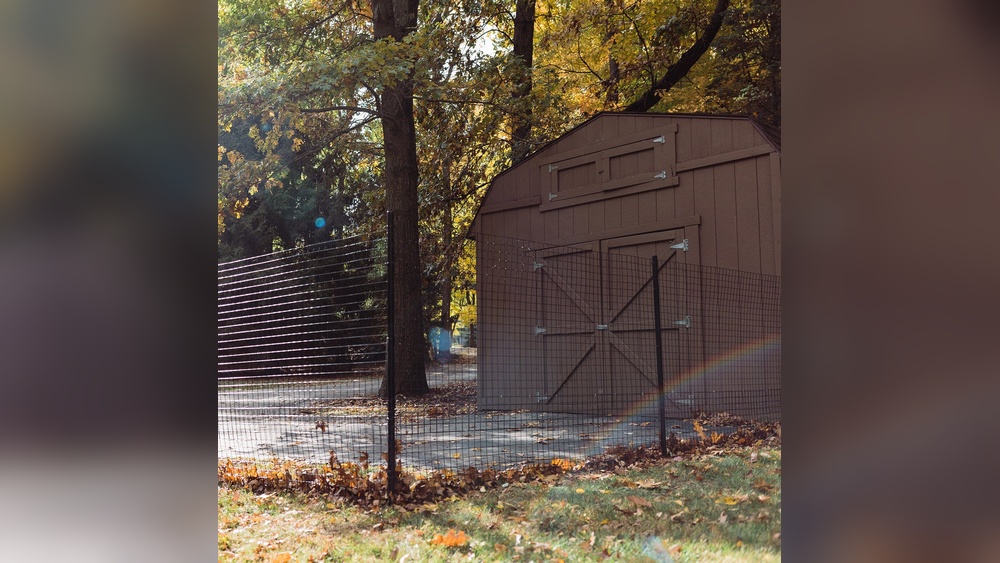
Choosing the best fence material for your dog is more important than you might think. Your furry friend’s safety and happiness depend on it.
You want a fence that keeps your dog secure, fits your budget, and looks good in your yard. But with so many options out there, how do you know which one is right for you? This guide will help you make the best choice, so your dog can play freely and you can have peace of mind.
Keep reading to discover the perfect fence material that suits your needs and keeps your dog safe.
Choosing Fence Types
Choosing the right fence type is key to keeping your dog safe and happy. Each fence material offers different benefits. Some provide privacy, while others focus on durability or ease of maintenance. Understanding the options helps you pick the best fence for your dog’s needs and your yard.
Wood Fences
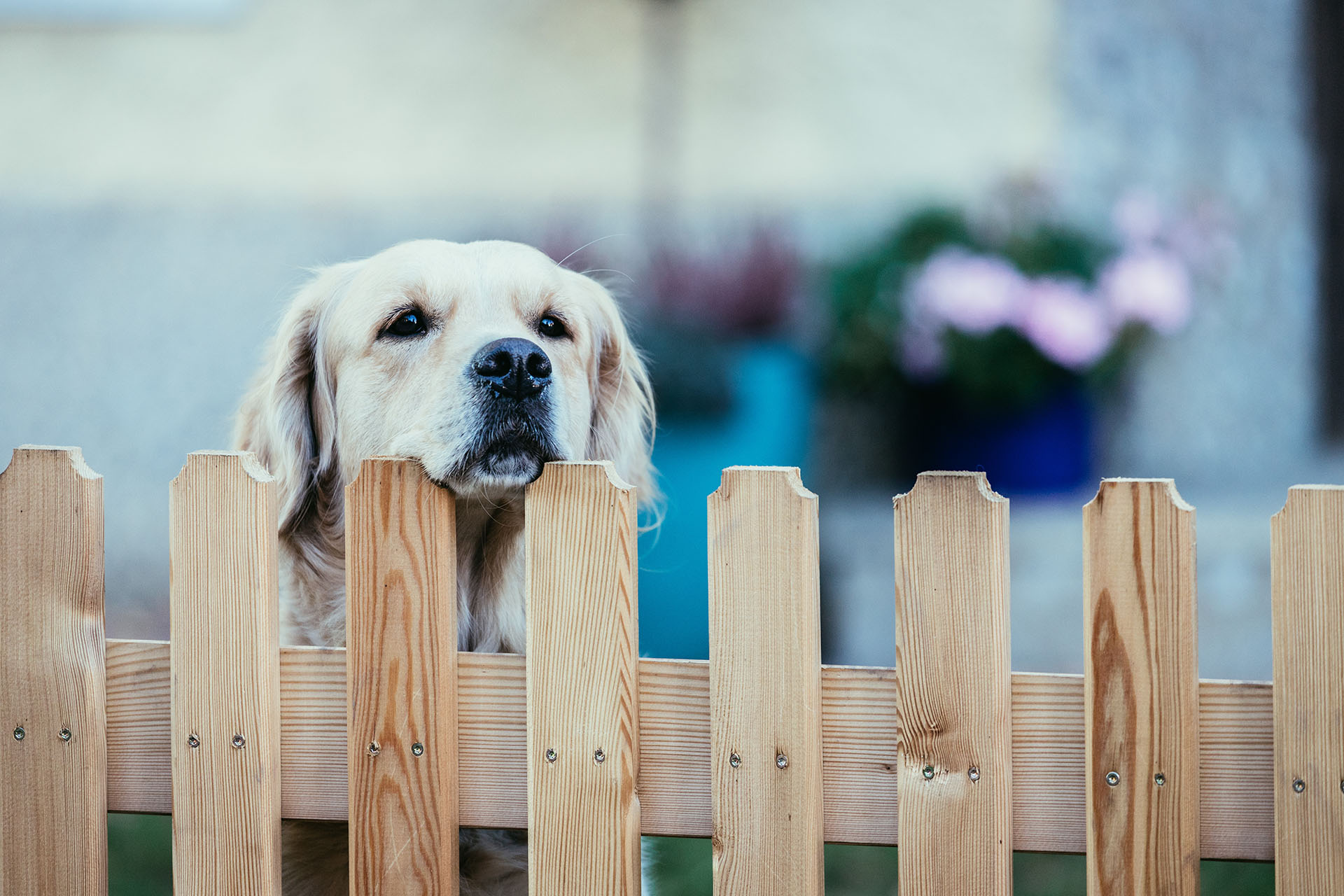
Wood fences offer a natural look and good privacy. They block your dog’s view of outside distractions. Wood is strong and can handle large dogs. Regular painting or sealing is needed to prevent damage from weather. Wood fences can be built to any height.
Chain Link Fences
Chain link fences are affordable and durable. They allow good visibility outside the yard. Dogs can see through but cannot escape. This type is easy to install and needs little upkeep. Chain link works well for active dogs.
Vinyl Fences
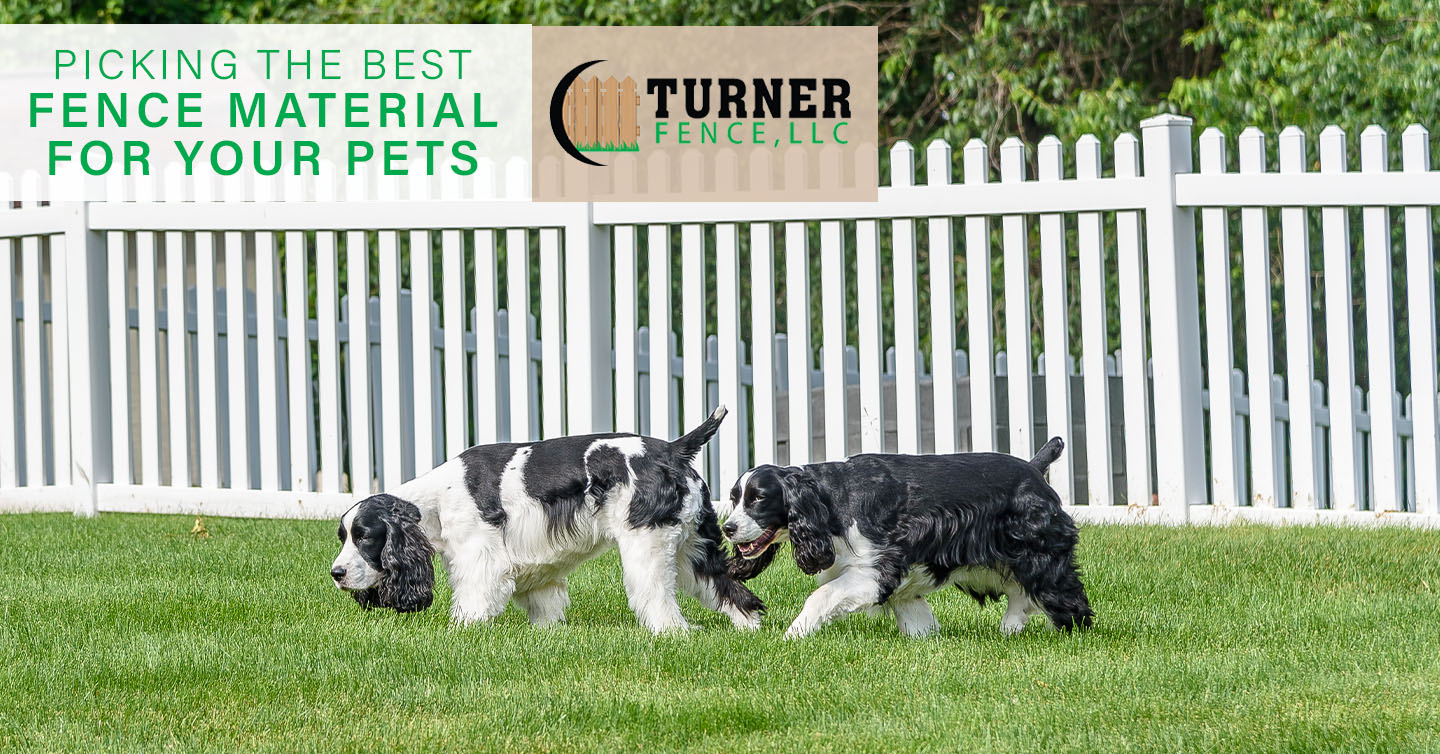
Vinyl fences resist weather and do not need painting. They look clean and come in many styles. Vinyl is smooth, so dogs cannot chew it easily. This fence type lasts a long time with minimal care. It provides solid barriers for dogs.
Metal Fences
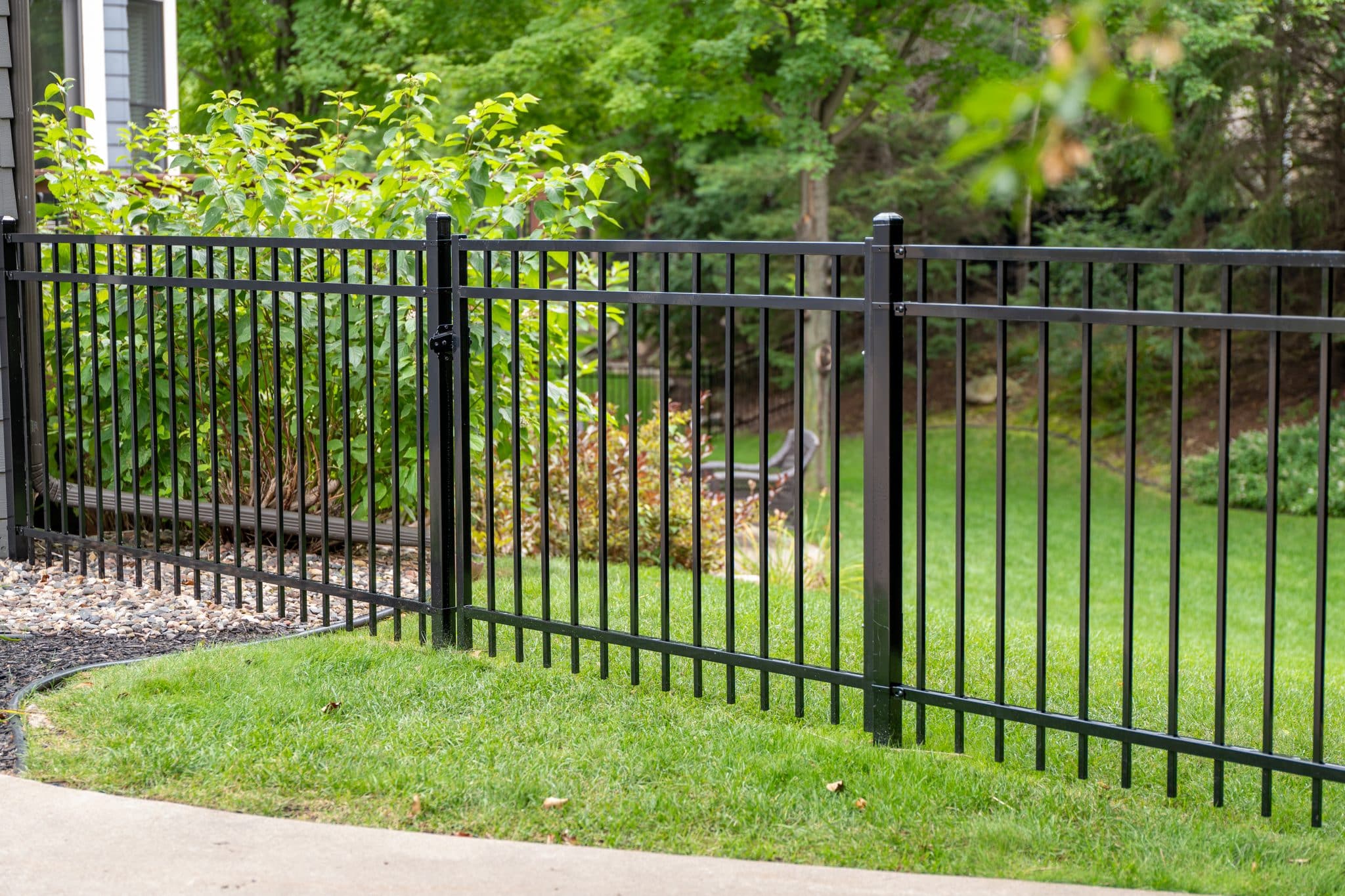
Metal fences, like wrought iron, are strong and stylish. They give good security but less privacy. Metal fences can last for decades with proper care. They work well for dogs that need a tough boundary. Metal fences may require rust protection.
Electric Fences
Electric fences create invisible boundaries for dogs. They train dogs to stay inside without a physical barrier. Electric fences need training and supervision for safety. This option suits yards where fencing is hard to install. It is best for dogs that respond well to commands.
Credit: www.northlandfence.com
Durability Factors
Durability is a key factor when choosing the best fence material for dogs. A durable fence keeps your dog safe and lasts a long time. It must stand up to weather, chewing, and scratching. Also, it should need little maintenance. Understanding these factors helps pick the right fence for your dog’s needs.
Weather Resistance
A fence must handle sun, rain, snow, and wind well. Materials like vinyl and metal resist rust and rot. Wood fences can decay unless treated properly. Strong weather resistance means the fence stays strong and looks good over time.
Chew And Scratch Proofing
Dogs love to chew and scratch. Some fence materials break or show damage easily. Metal and vinyl fences resist chewing better than wood. Choose materials that do not splinter or crack. This keeps your dog safe and the fence intact.
Maintenance Needs
Low maintenance fences save time and effort. Vinyl fences need little cleaning or repairs. Wood may require sealing or painting often. Metal fences might need rust protection. Pick materials that fit your schedule and budget for upkeep.
Safety Features
Choosing the right fence for your dog is about more than looks. Safety features protect your dog and keep them secure. These features stop escapes and prevent accidents. Good safety means peace of mind for you and comfort for your dog.
Height And Design
The fence must be tall enough to stop your dog from jumping over. Small dogs need lower fences, while big dogs need taller ones. The design matters too. Avoid fences with gaps where dogs can slip through. Smooth surfaces prevent scratches and injuries. Rounded edges and no sharp parts are best.
Gates And Locks
Gates are weak points in any fence. Strong locks keep dogs from pushing gates open. Choose locks that children cannot open easily. Double-lock systems add extra protection. Check gates often to ensure they close tightly. Loose gates can lead to escapes and accidents.
Visibility And Supervision
Clear sight through the fence helps watch your dog. Wire or mesh fences allow easy supervision. Solid fences block your dog’s view, which may cause stress or barking. Seeing outside helps dogs stay calm and less anxious. You can quickly spot any trouble from a distance.
Credit: bravofencecompany.com
Cost And Installation
Choosing the best fence material for dogs depends a lot on cost and installation. These two factors affect your budget and how fast your fence is ready. Understanding them helps you pick the right fence for your home and pet.
Material Costs
Fence material prices vary a lot. Wood fences cost less but need more care. Vinyl fences are pricier but last longer without much upkeep. Metal fences like chain link are affordable and strong. You pay for quality and durability.
Diy Vs Professional Installation
Installing a fence yourself saves money but takes time and skill. Mistakes can weaken the fence or cause delays. Professional installers charge more but work faster and better. They ensure the fence stands strong and safe for your dog.
Long-term Investment
Think about the fence’s life span. Cheap fences may need repairs soon. Expensive fences last longer and need less care. A good fence keeps your dog safe and saves money over time. Choose materials that fit your budget and needs.
Best Fences For Different Dog Breeds
Choosing the right fence depends on your dog’s breed. Different breeds have different needs. Some dogs are small and gentle. Others are large and strong. Some love to escape and explore. The fence must match your dog’s size and behavior. This ensures safety and peace of mind.
Small Breeds
Small dogs need fences that keep them inside safely. A solid wood or vinyl fence works well. These fences prevent small dogs from slipping through gaps. Make sure the fence is at least four feet high. Small dogs can jump or climb low fences easily. Avoid wire fences with wide spaces where they can squeeze out.
Large Breeds
Large dogs require strong and tall fences. Metal or chain-link fences are good choices. They resist chewing and pushing better than wood. Fences should be at least six feet tall for big dogs. Large breeds can jump higher and push harder. Secure the bottom to stop digging under the fence.
Escape Artists
Some dogs love to dig or jump over fences. These escape artists need extra protection. Underground barriers prevent digging under the fence. Taller fences, eight feet or more, stop high jumpers. Consider fences with no footholds or ledges. Add locks or latches to gates to keep clever dogs inside.
Additional Tips
Choosing the best fence material for dogs is just the start. Keeping your dog safe and happy needs more care. These extra tips help make your fence and yard better for your pet.
Landscaping Around Fences
Plants near fences can protect your dog and fence. Use bushes or shrubs to stop dogs from digging. Avoid sharp plants that can hurt your dog. Soft grass or mulch is good for paws. Keep the area clean to stop pests and bugs.
Training Dogs For Fence Safety
Teach your dog to respect the fence boundaries. Use simple commands like “stay” and “come.” Reward your dog for staying inside the fence. Training helps prevent jumping or digging under fences. Safe dogs enjoy the yard more and feel secure.
Regular Fence Inspection
Check your fence often for holes or weak spots. Fix broken parts quickly to stop escapes. Look for rust or loose nails that can hurt dogs. Clear away debris that blocks the fence line. Regular checks keep your fence strong and your dog safe.
Credit: turnerfences.com
Frequently Asked Questions
What Is The Best Fence Material For Dog Safety?
The best fence material for dog safety is sturdy and escape-proof. Vinyl, chain link, and wood are popular choices. They prevent digging and jumping. These materials also withstand weather and wear. Proper height and secure gates are essential for safety.
How Tall Should A Dog Fence Be?
A dog fence should be at least 6 feet tall. This height prevents most dogs from jumping over. Larger or more agile dogs may need taller fences. The height depends on your dog’s size and jumping ability. Always measure your dog before choosing fence height.
Are Wooden Fences Good For Dogs?
Wooden fences are good for dogs if well-built. They provide privacy and block distractions. Wood is durable and can be customized in height. However, dogs may chew or dig near it. Regular maintenance is needed to prevent damage and ensure safety.
Is Chain Link Fencing Safe For Dogs?
Chain link fencing is safe and affordable for dogs. It offers visibility and ventilation, letting dogs see outside. However, some dogs may climb or dig under it. Adding a privacy slat or concrete footer can improve security. It’s a practical choice for many pet owners.
Conclusion
Choosing the right fence keeps your dog safe and happy. Strong materials last longer and protect better. Consider your dog’s size, behavior, and needs carefully. Some fences offer better visibility, others more privacy. Think about maintenance and cost too. A good fence helps your pet enjoy outdoor time freely.
Take time to pick the best option for your home. Your dog will thank you with peace and fun. Safe fences create happy pets and calm owners.