If you have a dog, you know how quickly your lawn can turn into a worn-out mess. Finding the best grass for dogs and high traffic areas isn’t just about looks—it’s about creating a safe, comfortable space your furry friend can enjoy without destroying your yard.
You want grass that stays green, stands up to heavy use, and recovers fast. You’ll discover which types of grass work best for busy pets and active families. Keep reading to find out how to have a beautiful lawn that welcomes your dog’s playful energy every day.
Credit: thegrassoutlet.com
Top Grass Types For Pets
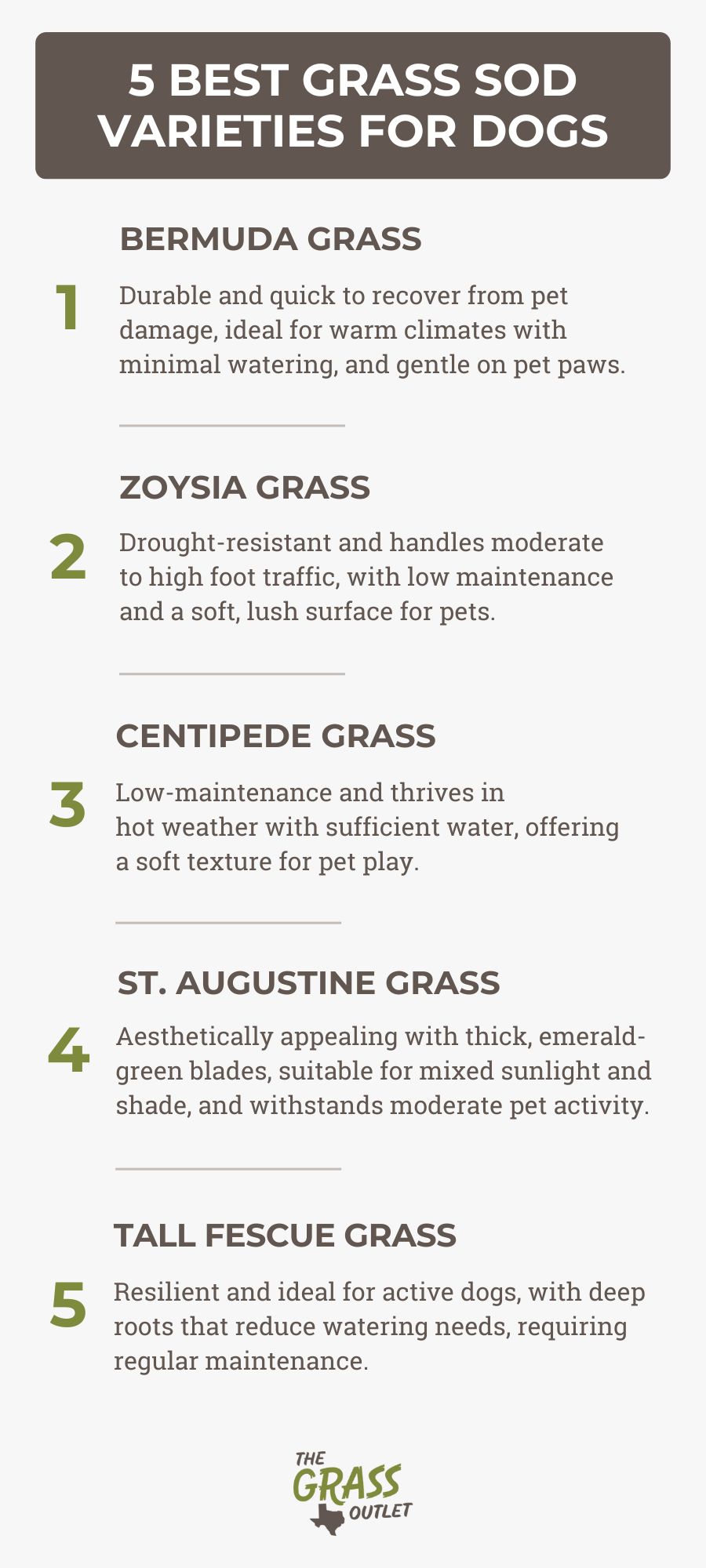
Choosing the right grass for your yard is key if you have dogs and high foot traffic. The grass needs to be tough, safe, and easy to maintain. Different types of grass thrive in various climates and offer unique benefits for pets. Here are the top grass types that suit pets and busy yards.
Warm-season Grasses
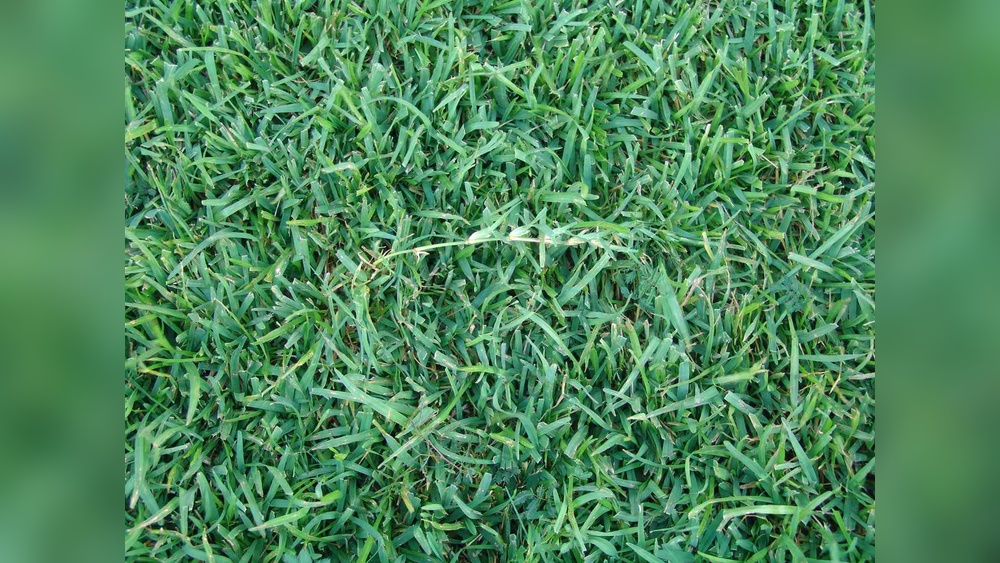
Warm-season grasses grow best in hot climates. They handle heat and drought well. Bermuda grass is popular for its durability and quick recovery. St. Augustine grass feels soft and offers good shade tolerance. Zoysia grass is dense and can resist wear from running dogs. These grasses stay green in summer and recover fast after damage.
Cool-season Grasses
Cool-season grasses thrive in cooler climates. Kentucky bluegrass is a favorite for its lush look and softness. It recovers well from heavy use. Perennial ryegrass grows quickly and holds up to pet traffic. Tall fescue is tough and has deep roots, helping it survive rough play. These grasses stay green during spring and fall but may go dormant in summer heat.
Hybrid Grass Varieties
Hybrid grasses combine traits from different types. They offer strength and adaptability. Some hybrids mix warm and cool-season grasses for year-round green color. These grasses are bred to resist wear and tear from pets. They recover quickly and need less water. Hybrid varieties give a balance of beauty and toughness for busy pet yards.
Durability Factors To Consider
Choosing the best grass for dogs and high-traffic areas means thinking about durability. Dogs running and playing can wear out grass quickly. Foot traffic from people adds to the stress on the lawn. Durable grass stays green and healthy despite heavy use. Several factors help determine how well grass holds up over time.
Wear Tolerance
Wear tolerance means how well grass stands up to stepping and running. Some grass types handle rough use better than others. High wear tolerance grass can survive constant walking without dying. This is important for yards with active dogs and many visitors.
Recovery Rate
Recovery rate shows how fast grass grows back after damage. Grass with a quick recovery rate fills bare spots fast. It keeps the lawn looking full and neat. Fast-growing grass is best for areas that get worn out often.
Traffic Resistance
Traffic resistance is the grass’s ability to stay strong under heavy use. Grass with high traffic resistance resists soil compaction and root damage. It keeps a healthy green color even with constant wear. This type of grass is ideal for busy yards and dog runs.
Pet Safety And Comfort
Choosing the best grass for dogs and high traffic areas means thinking about pet safety and comfort first. Dogs need a yard that feels good to walk and play on. The grass should not harm them in any way. Comfort helps pets enjoy the outdoors more. Safety keeps them healthy and happy. Below are key points to consider for your pet’s lawn.
Non-toxic Grass Choices
Some grass types can be harmful if your dog chews them. Choose grasses that are safe and free from chemicals. Kentucky Bluegrass, Fescue, and Perennial Ryegrass are good examples. These grasses do not contain toxins that hurt dogs. Avoid grasses treated with pesticides or fertilizers that can cause illness. Always check the grass type before planting it for your dog’s safety.
Softness And Texture
Soft grass feels gentle on your dog’s paws. It also reduces the chance of scratches or irritation. Fine-bladed grasses like Fescue offer a soft texture. Coarser grasses may cause discomfort during play. A soft lawn invites dogs to lie down and rest. This makes your yard a welcoming space for pets.
Allergy Considerations
Some dogs have allergies to certain grasses. Watch for signs like itching, redness, or sneezing. Choose grasses less likely to cause allergic reactions. Bermuda and Zoysia grasses are often better for sensitive dogs. Keep your lawn clean from pollen and mold to reduce allergy problems. Regular maintenance helps keep allergies at bay.
:max_bytes(150000):strip_icc()/best-grasses-for-dogs-5085279-hero-d2c93258a8b04f9da09c95873aac7d4a.JPG)
Credit: www.thespruce.com
Maintenance Tips For Dog-friendly Lawns
Maintaining a dog-friendly lawn takes some effort but pays off with a green, healthy yard. Dogs and high foot traffic can cause wear and tear on grass. Proper care helps the grass stay strong and look good. Follow these tips to keep your lawn fresh and inviting for your pets.
Watering And Fertilizing
Water your lawn deeply and less often to encourage strong roots. Early morning is the best time to water. Avoid watering in the heat of the day to reduce evaporation.
Use a fertilizer made for lawns and pet-safe products. Fertilize during the growing season to help grass recover from damage. Follow the instructions on the package for best results.
Dealing With Pet Waste
Remove dog waste quickly to prevent grass burn and odors. Use a scooper or biodegradable bags for easy cleanup. Rinse the area with water to dilute urine and reduce damage.
Train pets to use a specific spot to keep the rest of the lawn safe. This helps control damage and makes cleaning easier.
Repairing Damaged Areas
Fix worn or dead patches by reseeding or laying new sod. Choose grass that matches your existing lawn. Keep the repaired area moist until new grass grows.
Limit your dog’s access to damaged spots until grass recovers. Use barriers or temporary fencing to protect fragile areas.
Alternative Options To Natural Grass
Natural grass can be hard to keep green and healthy with dogs and heavy foot traffic. It wears out fast and may need a lot of care. Alternative options offer durable and low-maintenance choices that stand up to pets and play. These options keep your yard looking nice without constant repair.
Artificial Turf Benefits
Artificial turf stays green all year. It does not get muddy or patchy from dog activity. This turf drains water well, so it dries quickly after rain or cleaning. It needs little upkeep, just occasional brushing and rinsing. No fertilizers or pesticides are required. Dogs love it because it is soft and clean. It also protects soil from heavy use.
Ground Covers And Mulch
Ground covers like clover or creeping thyme create a soft, green surface. They grow close to the ground and resist wear. Mulch, such as wood chips or bark, cushions paws and helps soil stay cool. Both options reduce mud and dust. They need less water than grass and prevent weeds. These materials are safe for dogs and easy to replace.
Hybrid Lawn Solutions
Hybrid lawns mix natural grass with artificial turf or ground covers. This blend provides the look of grass with added strength. High-traffic areas use turf or mulch, while less used spots grow real grass. This method lowers damage and keeps the yard fresh. Hybrid lawns balance beauty, comfort, and durability for pets and people.
Credit: www.lawnstarter.com
Frequently Asked Questions
What Type Of Grass Is Best For Dogs?
The best grass for dogs is durable and non-toxic. Kentucky bluegrass, Bermuda grass, and fescue are popular choices. These grasses resist wear and recover quickly from pet activity. They also handle urine well, preventing brown spots and damage.
How To Maintain Grass In High Traffic Dog Areas?
Regular mowing and watering keep grass healthy in high traffic zones. Aerate the soil to promote root growth. Use pet-friendly fertilizers and clean up waste promptly. Rotate play areas to reduce wear and prevent soil compaction.
Can Artificial Turf Be Safe For Dogs?
Yes, artificial turf is safe for dogs if it’s non-toxic and well-drained. It requires low maintenance and withstands heavy use. Ensure proper installation to avoid heat buildup and provide comfort. Clean regularly to prevent odors and bacteria buildup.
Why Do Dogs Damage Natural Grass?
Dogs damage grass mainly through urine and heavy foot traffic. Urine causes yellow patches due to high nitrogen content. Digging and running compact soil, inhibiting grass growth. Choosing hardy grass types and proper lawn care reduces damage.
Conclusion
Choosing the right grass helps keep your yard safe for dogs. Tough, durable grass stands up to high traffic well. It stays green and healthy even with constant play. This saves time and money on lawn care. Your pets enjoy a soft place to run and rest.
A good lawn adds beauty and comfort to your home. Take small steps to protect your grass every day. Your dog will thank you with happy, playful moments. A strong, pet-friendly lawn makes outdoor time better for all.