Choosing the best puppy dog food for your German Shepherd is one of the most important decisions you’ll make. Your puppy needs the right nutrients to grow strong, stay healthy, and have plenty of energy for all those playful moments.
But with so many options out there, it’s easy to feel overwhelmed and unsure about what to pick. Don’t worry—you’re in the right place. This guide will help you find the perfect food that meets your puppy’s unique needs, so you can feel confident that you’re giving your furry friend the best start in life.
Keep reading to discover the top choices and expert tips that will make feeding time easier and more rewarding for both of you.
Nutritional Needs Of German Shepherd Puppies
German Shepherd puppies need special food to grow strong and healthy. Their diet must support their rapid growth and active nature. Proper nutrition helps build muscles, bones, and a strong immune system. Choosing the right puppy food means understanding what nutrients are important for them.
Each nutrient plays a key role. It helps the puppy develop correctly and stay energetic. This guide explains the main nutritional needs of German Shepherd puppies.
Protein Requirements
Protein is essential for muscle growth and repair. German Shepherd puppies need high-quality protein in their diet. It helps build strong muscles and supports healthy skin and coat. Look for foods with animal-based proteins like chicken, beef, or fish. Protein should make up about 22% to 28% of their daily diet.
Essential Fats
Fats provide energy and support brain development. Omega-3 and Omega-6 fats keep the coat shiny and skin healthy. These fats also help reduce inflammation and support the puppy’s immune system. Good sources include fish oil, flaxseed, and chicken fat. A balanced fat content of 8% to 12% is ideal for growth.
Vitamins And Minerals
Vitamins and minerals help the puppy’s body function well. Vitamin A supports vision and skin health. B vitamins help with energy and metabolism. Minerals like zinc and selenium protect cells and boost immunity. A balanced mix ensures the puppy grows with strong bones and a healthy heart.
Calcium And Phosphorus Balance
Calcium and phosphorus are vital for strong bones and teeth. German Shepherd puppies need the right balance of these minerals. Too much or too little can cause bone problems. The ideal ratio is about 1.2 parts calcium to 1 part phosphorus. Proper balance supports healthy bone growth and development.

Credit: www.youtube.com
Key Ingredients To Look For
Choosing the right food for your German Shepherd puppy is very important. The ingredients in the food affect their growth and health. Good ingredients help build strong muscles and keep their coat shiny. Poor ingredients can cause allergies or stomach problems. Here are key ingredients to check on the label.
High-quality Meat Sources
Meat should be the main ingredient. Chicken, beef, lamb, or fish are good choices. These meats provide protein, which builds muscles. Avoid foods with meat by-products. These are low-quality and less nutritious. Fresh or named meat sources are best.
Whole Grains Vs Grain-free
Whole grains like brown rice and oats give energy and fiber. Fiber helps digestion and keeps your puppy full. Grain-free foods use potatoes or peas instead. Grain-free is good for puppies with allergies. Choose grains based on your puppy’s needs and vet advice.
Added Supplements
Supplements help keep your puppy healthy. Look for omega-3 fatty acids for brain and coat health. Glucosamine and chondroitin support strong joints. Vitamins like A, C, and E improve immunity. These extras make a big difference in your puppy’s growth.
Avoiding Fillers And Additives
Avoid foods with fillers like corn, wheat, or soy. These add little nutrition and may cause allergies. Artificial colors, flavors, and preservatives can harm your puppy. Natural ingredients without additives are safest. Clean food means a happy, healthy puppy.
Top Puppy Foods For German Shepherds
Choosing the right food for German Shepherd puppies is very important. Their growing bodies need strong nutrition. Good food helps build muscles, bones, and keeps their energy high. It also supports their immune system and brain development.
Many types of puppy food suit German Shepherds. Each type offers unique benefits. Understanding these options helps you pick the best food for your puppy’s needs.
Premium Dry Kibble Options
Dry kibble is popular and easy to store. High-quality kibble contains real meat as the first ingredient. It also has balanced vitamins and minerals for healthy growth. Look for formulas made for large breeds. These support joint health and strong bones. Kibble helps keep teeth clean by reducing plaque build-up.
Wet Food Choices
Wet food is soft and easy to chew for young puppies. It contains more moisture, helping with hydration. Good wet food has natural ingredients and no fillers. It can be mixed with dry kibble for variety. Wet food is tasty and encourages picky eaters to eat well.
Raw And Homemade Alternatives
Some owners prefer raw or homemade meals. These diets use fresh meats, vegetables, and grains. Raw food mimics a natural diet with high protein. Homemade meals give control over ingredients and quality. Always consult a vet to balance nutrients properly. This option needs careful preparation to ensure safety and health.

Credit: getrelyco.com
Feeding Tips For Optimal Growth
Feeding your German Shepherd puppy the right way helps them grow strong and healthy. Puppies need good nutrition to build muscles and bones. Careful feeding supports their energy and brain development. Follow simple tips to give your puppy the best start in life.
Proper feeding helps avoid weight problems and digestive issues. It also sets healthy eating habits for the future. Focus on the right amount, timing, and food changes to keep your puppy happy.
Portion Control
Give your puppy the right food amount based on weight and age. Overfeeding can cause obesity and joint problems. Underfeeding slows growth and weakens the immune system. Use a measuring cup for accuracy. Check your vet’s advice for daily portions.
Feeding Schedule
Feed your puppy 3 to 4 times a day. Small, frequent meals help with digestion and energy. Stick to consistent times to build routine. Avoid leaving food out all day. This prevents overeating and helps with potty training.
Transitioning Between Foods
Change foods slowly to avoid stomach upset. Mix new food with old for 7 to 10 days. Increase new food amount each day. Watch for diarrhea or vomiting. If problems occur, slow the transition or consult a vet.
Common Allergies And Sensitivities
German Shepherd puppies often face allergies and sensitivities that affect their health. These issues can cause discomfort and impact their growth. Understanding common allergies helps you choose the best food for your pup. Early detection and proper diet make a big difference.
Identifying Food Allergies
Food allergies in German Shepherd puppies often show as itchy skin, redness, or rashes. Watch for frequent ear infections or scratching. Digestive problems like vomiting and diarrhea can also signal allergies. Keep a food diary to track symptoms and ingredients. Consult a vet for proper diagnosis and advice.
Hypoallergenic Food Options
Hypoallergenic foods reduce allergic reactions in sensitive puppies. These foods use limited ingredients and avoid common allergens like wheat, soy, and dairy. Novel protein sources such as duck or venison can work well. Grain-free diets may help some dogs. Choose foods with natural ingredients and no artificial additives.
Managing Digestive Issues
Digestive sensitivities cause gas, bloating, or loose stools. Feeding smaller, frequent meals helps ease digestion. Foods rich in fiber support gut health and regular bowel movements. Probiotics improve the balance of good bacteria in the gut. Always introduce new foods slowly to prevent upset stomachs.
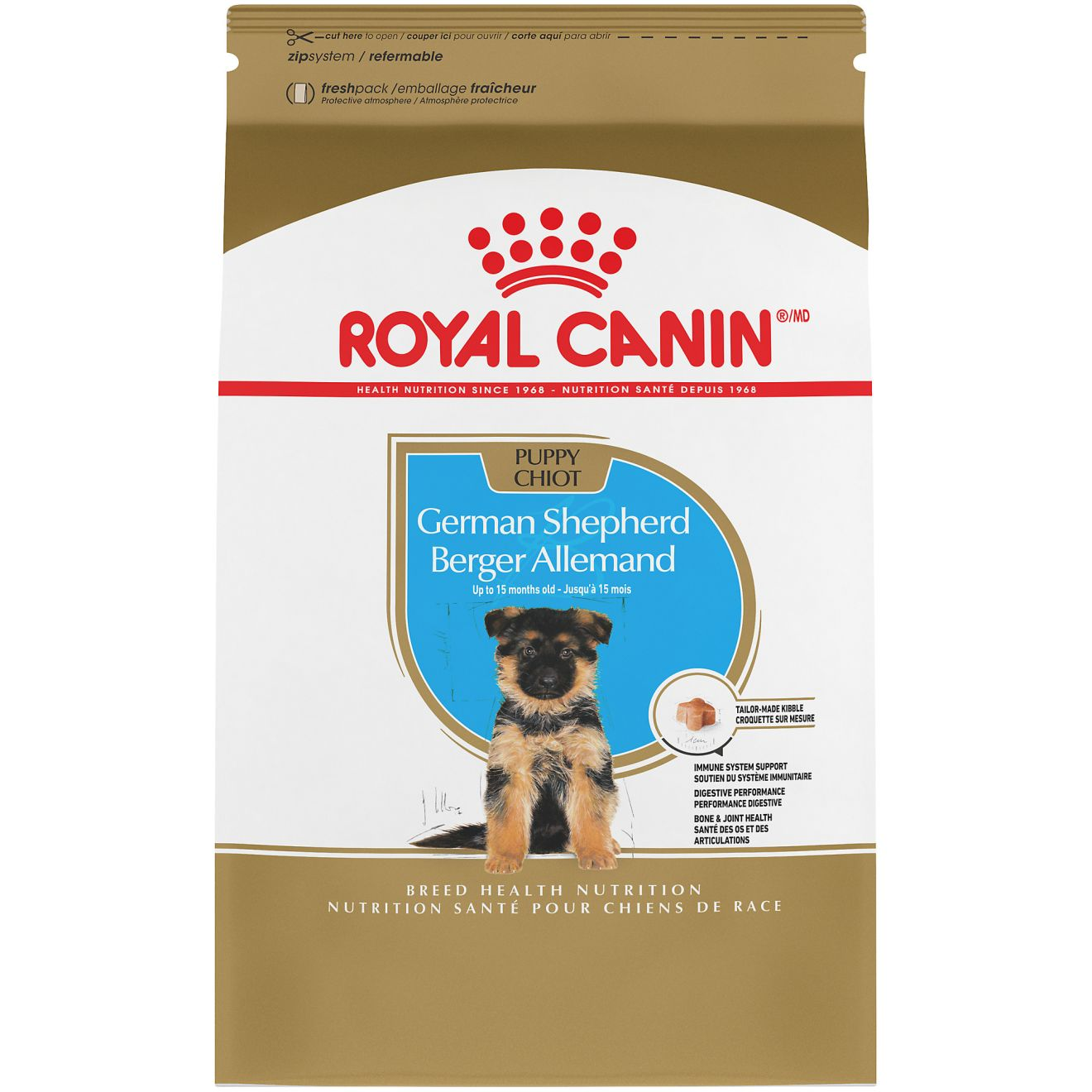
Credit: www.royalcanin.com
Budget-friendly Puppy Food Picks
Finding the best food for your German Shepherd puppy can be tough on your budget. Good nutrition matters a lot for their growth and health. You do not need to spend a lot to give your puppy the right food. There are many options that offer quality and affordability together.
Choosing the right puppy food does not mean you must pick the most expensive brand. Many affordable brands provide balanced nutrition that supports strong bones and a shiny coat. Smart shopping helps you feed your puppy well without breaking the bank.
Affordable Quality Brands
Several brands offer good quality puppy food at low prices. Look for products with real meat as the main ingredient. Avoid foods with too many fillers like corn or soy. Brands like Diamond Naturals and Nutro often provide reliable nutrition for less.
Check the label for vitamins and minerals that support your puppy’s growth. These brands usually meet AAFCO standards for puppy food. Buying in bulk or larger bags can also save money over time.
Balancing Cost And Nutrition
Feeding your puppy means balancing price and health benefits. Cheaper foods might lack essential nutrients your German Shepherd needs. Avoid overly cheap options that do not list protein sources clearly. Focus on foods with good protein, fats, and digestible carbs.
Consider your puppy’s size and energy level when choosing portions. Feeding the right amount reduces waste and saves money. Sometimes a slightly higher price means better health and fewer vet bills later.
Diy Puppy Food Recipes
Making your puppy’s food at home can cut costs. Simple recipes with chicken, rice, and vegetables work well. Always include protein, carbs, and healthy fats in each meal. Use supplements like fish oil or calcium powder to meet nutrient needs.
Prepare fresh meals in batches and store them properly. Homemade food lets you control ingredients and avoid fillers. Consult your vet before switching to homemade food to ensure balanced nutrition.
Frequently Asked Questions
What Is The Best Puppy Food For German Shepherds?
The best puppy food for German Shepherds is high in protein and fat. It should include essential nutrients like DHA for brain development. Look for formulas designed for large breeds to support joint health and growth.
How Often Should I Feed My German Shepherd Puppy?
Feed your German Shepherd puppy three to four times a day until six months old. After six months, reduce feeding to twice daily. Regular feeding schedules help maintain energy levels and support healthy growth.
Can I Feed My German Shepherd Puppy Homemade Food?
Yes, you can feed homemade food but ensure it’s balanced. Include lean meats, vegetables, and grains. Consult a vet or canine nutritionist to meet all dietary needs and avoid nutritional deficiencies.
When Should I Switch German Shepherd Puppy To Adult Food?
Switch to adult food at about 12 to 18 months old. This timing supports their transition from rapid growth to maintenance. Use large breed adult formulas to support joint health and overall wellness.
Conclusion
Choosing the right puppy food helps German Shepherds grow strong and healthy. Good nutrition supports their energy and development every day. Always check ingredients for quality protein and essential nutrients. Feeding your puppy well sets a foundation for a long, happy life.
Remember, healthy food means a happy, active dog. Keep your German Shepherd’s needs in mind when selecting meals. This care makes a big difference as they grow. Quality food is a key step in raising a loyal companion.