Finding the best small dog food for picky eaters can feel like a daily challenge. You want your furry friend to enjoy mealtime and get the nutrients they need, but they just won’t seem interested.
What if you could discover options that not only satisfy their taste buds but also support their health? Keep reading, because we’re about to reveal top choices that will make your small dog excited to eat again—no more wasted food or mealtime battles.
Your pup deserves the best, and you’re just a few steps away from making that happen.
Why Small Dogs Need Special Food
Small dogs need food made just for them. Their bodies work differently from bigger dogs. They burn energy faster and need more nutrients in small amounts. Feeding them the right food keeps them healthy and happy.
Nutritional Needs Of Small Breeds
Small dogs need higher calorie food than large dogs. Their tiny stomachs can hold only small meals. So, their food must be rich in protein and fats. This helps support their fast metabolism and energy levels. Vitamins and minerals keep their bones and teeth strong. Also, small breeds need food that is easy to chew and digest.
Common Feeding Challenges
Picky eaters among small dogs can refuse food often. Their small size makes it hard to get enough nutrition. Some may not like the taste or texture of food. Others can be sensitive to certain ingredients. Choosing food that appeals to them is important. It helps avoid weight loss and health problems.
:strip_icc()/Spruce-best-dog-food-at-walmart-4173197-a02410eb5618412b8495e0eaba6420a8.jpg)
Credit: www.thesprucepets.com
Signs Of A Picky Eater
Recognizing a picky eater in small dogs is important for their health. Some dogs refuse food or eat very little. This behavior can cause concern for pet owners. Knowing the signs helps to choose the right dog food.
Behavioral Indicators
Picky dogs often sniff food and walk away. They may eat only certain flavors or textures. Some dogs play with their food instead of eating. Mealtime can become a long, frustrating event. These behaviors show they are not interested in their food.
Health Implications
Refusing food can lead to weight loss and weakness. Small dogs need regular nutrition for energy. Poor eating habits might cause digestive problems. Lack of nutrients affects their coat and skin. Early action can prevent serious health issues.
Key Ingredients For Palatability
Choosing the right ingredients makes all the difference for picky small dogs. Palatability means the food tastes good and smells inviting. This helps even the fussiest dogs enjoy their meals. Certain ingredients naturally attract dogs and encourage them to eat with joy.
Proteins That Appeal To Dogs
Dogs love meat and fish proteins. Chicken, beef, lamb, and salmon are top choices. These provide strong flavors dogs crave. High-quality proteins also support muscle health and energy. Fresh, recognizable meat sources increase food acceptance. Protein variety keeps meals interesting for small dogs.
Flavor Enhancers And Textures
Natural flavor enhancers boost taste without harmful additives. Ingredients like broth, herbs, and mild spices add aroma and flavor. Texture matters too. Crunchy kibble, soft chunks, or mixed textures attract dogs. Some picky eaters prefer wet food or semi-moist options. Variety in texture can motivate dogs to eat more eagerly.
Avoiding Allergens And Fillers
Common allergens reduce food appeal and cause discomfort. Wheat, soy, corn, and artificial fillers often upset sensitive dogs. Choosing limited-ingredient recipes helps avoid allergies. Fillers add bulk but little nutrition or taste. Quality small dog food limits fillers and focuses on digestible, tasty ingredients. This keeps picky eaters healthy and satisfied.
Top Small Dog Foods For Picky Eaters
Choosing the right food for small dogs that eat only a little or are picky is a challenge. Small dogs need food that suits their size and taste. The best options combine good nutrition and appealing flavors. This helps keep them healthy and happy.
Small dogs often prefer food that smells and tastes fresh. Texture matters too. Some like crunchy kibble, while others enjoy soft, wet meals. Offering different types can help find what your dog loves most.
Dry Kibble Options
Dry kibble is popular for small dogs. It helps keep teeth clean and is easy to store. Look for kibble made with real meat as the first ingredient. Small, crunchy pieces suit tiny mouths. Good kibble has balanced nutrients and no fillers. This keeps your dog strong and energetic.
Wet And Canned Choices
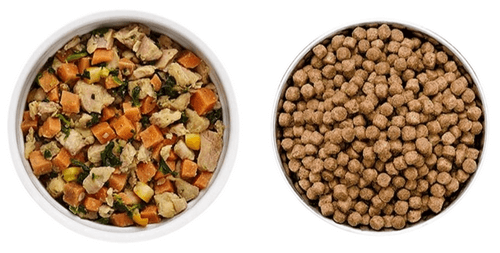
Wet food is soft and full of flavor. It can be more tempting for picky eaters. Many small dogs enjoy the juicy texture and strong aroma. Wet food also helps with hydration. Choose canned options with high-quality proteins and no artificial additives. Feeding wet food alone or mixing it with dry kibble can improve appetite.
Grain-free And Limited Ingredient Picks
Some small dogs have food sensitivities or allergies. Grain-free and limited ingredient foods reduce stomach issues. These diets include fewer components, making digestion easier. They often use alternative carbs like sweet potatoes or peas. Such meals can be tasty and gentle on the stomach. This choice suits dogs with allergies or sensitive tummies.
Tips To Encourage Eating
Encouraging a picky small dog to eat can be challenging. Patience and smart strategies help improve their appetite. Dogs respond well to routine, tasty food, and a calm space. These tips make mealtime enjoyable and less stressful for your pet.
Feeding Schedules And Portion Control
Set regular feeding times to build a routine. Offer food twice or three times a day. Avoid leaving food out all day. Small portions prevent overwhelming your dog. Adjust amounts based on your dog’s weight and activity. Consistent schedules help dogs know when to expect food.
Mixing Foods And Adding Toppers
Combine dry kibble with wet food for better flavor. Warm food slightly to release aroma and entice eating. Add small amounts of broth or plain yogurt as toppers. Fresh vegetables or cooked chicken can add interest. Change toppers to keep meals exciting. Avoid harmful ingredients like onions or garlic.
Creating A Positive Mealtime Environment
Choose a quiet, comfortable spot for meals. Remove distractions like loud noises or other pets. Sit near your dog to offer gentle encouragement. Praise your dog when they try to eat. Keep calm and patient, avoiding pressure. A relaxed environment helps dogs feel safe and willing to eat.
Credit: www.dogfoodadvisor.com
Homemade Meals And Treats
Preparing homemade meals and treats for small dogs can solve picky eating problems. It gives control over ingredients and flavors. Plus, it ensures freshness and nutrition.
Homemade food often tastes better to small dogs. It also avoids fillers and artificial additives found in some commercial foods. Making meals at home builds trust and bonding between you and your dog.
Simple Recipes For Small Dogs
Try boiled chicken with rice and carrots. Mash the ingredients for easy chewing. Mix in a little pumpkin for digestion.
Another recipe is ground turkey with sweet potato and green beans. Cook all ingredients well. Let the food cool before serving.
For treats, bake small pieces of apple with oats. Avoid seeds and core. These treats are tasty and healthy.
Safe Ingredients To Include
Use lean meats like chicken, turkey, and fish. They provide good protein without fat. Vegetables like carrots, peas, and green beans add vitamins.
Sweet potatoes and pumpkin improve digestion and add fiber. Plain rice and oats give energy and bulk.
Avoid onions, garlic, grapes, raisins, and chocolate. These are toxic to dogs. Always use fresh, unseasoned ingredients.
When To Consult A Vet
Check with a vet before changing your dog’s diet. Some dogs have allergies or health issues. A vet can suggest the best foods and supplements.
If your dog refuses homemade meals or shows signs of illness, seek advice. Sudden weight loss or vomiting needs prompt attention. Your vet ensures your dog stays healthy and happy.
Common Mistakes To Avoid
Choosing the right food for a small, picky dog is not easy. Many dog owners make simple mistakes that hurt their pet’s health and appetite. Avoiding these mistakes helps your dog enjoy meals and stay healthy.
Understanding common errors helps you feed your dog better. Let’s look at some mistakes and how to avoid them.
Overfeeding And Underfeeding
Giving too much food can cause weight gain and health issues. Too little food leaves your dog hungry and weak. Small dogs need the right portion size for their age and activity. Follow feeding guidelines on the food package or ask your vet.
Ignoring Food Preferences
Every dog has unique taste and texture likes. Forcing a dog to eat food it dislikes leads to refusal. Try different flavors and textures to find what your dog loves. Watching your dog’s reaction helps choose the best food.
Switching Foods Too Often
Changing your dog’s food too quickly can upset its stomach. Frequent changes confuse picky eaters and reduce their appetite. Stick to one food for a few weeks before trying something new. Gradually mix new food with old to ease the switch.
Credit: www.houndsy.com
Frequently Asked Questions
What Ingredients Are Best For Small Picky Dog Eaters?
High-quality proteins like chicken or fish are ideal for small picky dogs. Include easily digestible grains and natural flavors. Avoid fillers and artificial additives to enhance taste and nutrition.
How Can I Encourage My Small Dog To Eat Food?
Offer warm, moist food to boost aroma and flavor. Try mixing wet and dry food for variety. Feed smaller portions frequently to stimulate appetite.
Which Small Dog Food Brands Suit Picky Eaters?
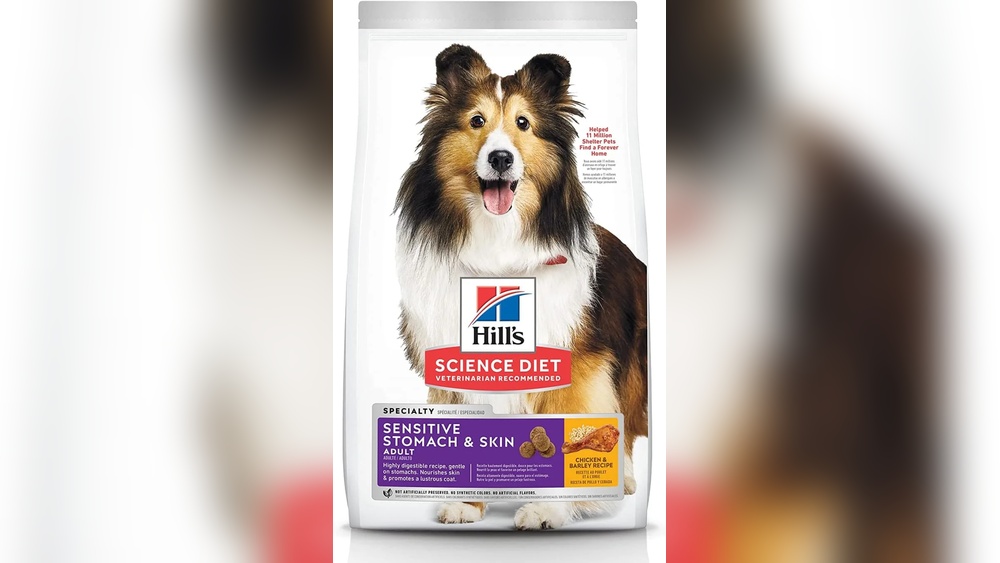
Look for brands with natural ingredients and positive reviews. Royal Canin, Blue Buffalo, and Hill’s Science Diet are popular choices. Always check for recipes designed for small breeds and picky appetites.
Can Switching Dog Food Help Picky Small Dogs Eat Better?
Yes, switching foods gradually can improve interest. Introduce new food over 7-10 days mixed with old food. This prevents digestive upset and encourages acceptance.
Conclusion
Choosing the best food for your small dog can be tricky. Picky eaters need tasty, healthy meals. Focus on quality ingredients that support their health. Try different flavors and textures to find favorites. Watch your dog’s reaction and adjust as needed.
Feeding small dogs well helps them stay happy and strong. Keep patience and enjoy mealtime together. Every dog deserves food they love and need.