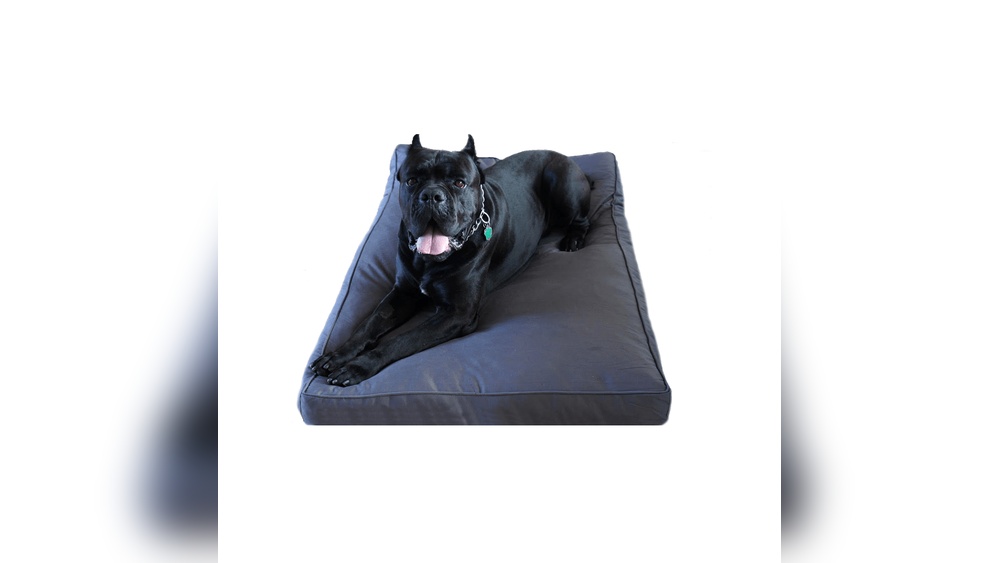
If your dog loves to chew everything in sight, finding the right bed can feel impossible. You want a cozy spot where your furry friend can rest, but most beds just don’t hold up to those powerful jaws.
What if you could find a bed that’s not only comfortable but also tough enough to survive your dog’s chewing habits? You’ll discover the best dog beds designed specifically for dogs that chew. Keep reading to find a bed that lasts longer, saves you money, and keeps your pup happy and comfy.
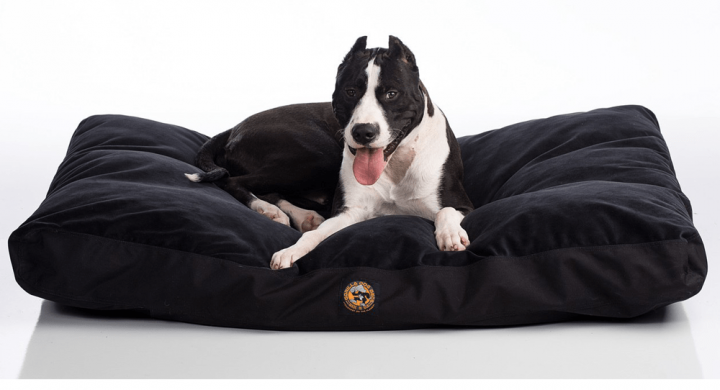
Credit: gorilladogbeds.com
Why Choose A Chew-resistant Dog Bed
Choosing a chew-resistant dog bed saves time and money. Dogs that chew can destroy regular beds fast. A special bed stands up to chewing and lasts longer. It keeps dogs safe and homes cleaner. Owners enjoy peace of mind with these beds.
Common Chewing Behaviors
Dogs chew for many reasons. Puppies explore with their mouths. Adults chew to relieve stress or boredom. Some dogs chew when anxious or lonely. Chewing helps dogs feel better. It is a natural habit but can cause damage.
Impact On Dog Beds
Chewing ruins soft parts of beds quickly. Foam stuffing and fabric tear easily. Beds lose shape and comfort fast. Broken beds can be unsafe for dogs. Small pieces can cause choking or blockages. Replacing beds often becomes expensive and frustrating.
Benefits Of Durable Materials
Durable beds use strong fabrics like ballistic nylon or canvas. These materials resist teeth and claws well. Tough stitching keeps beds intact longer. Durable beds save money by lasting more. They keep dogs safe from swallowing harmful pieces. Easy-to-clean materials help maintain hygiene better.
Top Materials For Chew-proof Beds
Choosing the right material is key for dog beds that last. Dogs that chew need beds made to resist damage. The best chew-proof beds use strong, durable materials. These materials protect the bed and keep your dog safe. They also make cleaning easier and keep the bed fresh. Understanding these materials helps you pick the best bed for your dog.
Heavy-duty Fabrics
Heavy-duty fabrics stand up to tough chewing. Materials like ballistic nylon and Cordura are very strong. They do not tear or wear out quickly. These fabrics resist scratches and bites well. They also stay comfortable for your dog to lie on. Heavy-duty fabrics keep the bed looking good for longer.
Reinforced Stitching
Reinforced stitching adds extra strength to the bed. Double or triple stitching stops seams from ripping. It holds the fabric tightly together. This prevents dogs from pulling the bed apart. Reinforced stitching makes the bed more durable. It works well with tough fabrics to resist chewing.
Waterproof And Easy To Clean Options
Waterproof beds protect against spills and accidents. They stop liquids from soaking into the bed. This keeps the bed clean and hygienic. Waterproof covers are easy to wipe down or wash. Some beds have removable covers for simple cleaning. These options save time and keep the bed fresh.
Comfort Features To Consider
Choosing the right dog bed means thinking about comfort. Dogs that chew need beds that last and feel good. Comfort features help keep your dog happy and relaxed. Consider how the bed supports your dog’s body. Also, check if the bed helps with joint pain. Temperature control matters too. These features make a big difference in your dog’s rest.
Supportive Foam And Padding
Good foam and padding support your dog’s body well. Thick foam helps reduce pressure on joints. Soft padding adds extra comfort for daily naps. Beds with high-quality foam keep their shape longer. This means your dog stays comfy even after chewing. Look for foam that is dense and firm enough.
Orthopedic Benefits
Orthopedic beds help dogs with aches and pains. They use special materials to ease joint stress. These beds support bones and muscles properly. Dogs with arthritis or older dogs benefit the most. Orthopedic beds improve sleep quality and reduce discomfort. This support helps dogs stay active and happy.
Temperature Regulation
Temperature control keeps your dog cool or warm. Some beds have cooling gel to reduce heat. Others have materials that keep warmth in cold weather. Breathable fabrics help air flow around your dog. This stops overheating and sweating during sleep. A bed that controls temperature keeps dogs comfortable year-round.

Credit: www.aquadagroup.com
Best Dog Beds For Aggressive Chewers
Finding the right bed for dogs that chew a lot can be tough. Regular beds often get destroyed fast. Aggressive chewers need beds made with strong materials. These beds last longer and keep your dog comfortable. Here are some great options designed for tough chewers.
Chew-resistant Bolster Beds
Bolster beds have raised edges that dogs love. Chew-resistant versions use strong fabrics like ballistic nylon. These materials stop dogs from tearing the bed easily. The bolsters give your dog a cozy place to rest. They also help your dog feel safe and secure.
Tough Crate Mats
Crate mats fit inside dog crates perfectly. Tough mats use heavy-duty fabrics and thick padding. They resist chewing and stay in place well. These mats give your dog a soft spot inside the crate. Plus, they are easy to clean and maintain.
Heavy-duty Lounge Beds
Lounge beds are flat and spacious for dogs who stretch out. Heavy-duty versions use reinforced seams and strong covers. These beds hold up against sharp teeth and rough play. They provide comfort and durability for active chewers. Your dog can relax without damaging the bed.
Training Tips To Reduce Chewing
Chewing is a natural behavior for dogs but can become a problem. Training helps reduce chewing and protects your dog bed. It also keeps your dog safe from swallowing harmful items.
Simple training tips can guide your dog to chew the right things. Patience and consistency are key. Here are effective ways to train your dog to stop chewing on beds.
Redirecting With Toys
Offer your dog a toy when they start chewing the bed. Choose durable toys that are safe to chew. This helps your dog learn what is okay to chew. Praise your dog when they use the toy instead of the bed.
Positive Reinforcement
Reward your dog with treats or praise for good chewing behavior. Positive reinforcement makes your dog want to repeat good actions. Avoid punishment, as it can cause fear and confusion. Be clear and kind in your training approach.
Consistent Routine
Keep a daily routine for playtime and training. Regular exercise reduces boredom and chewing urges. Consistency helps your dog understand rules better. Stick to the schedule to see steady progress in chewing habits.
:strip_icc()/k9-ballistics-chew-proof-armored-rip-stop-elevated-dog-bed-elsa-saatela-01-b1b67c0e54c341538a032bed5d5c9f51.jpg)
Credit: www.hladnovrockchoir.com
Maintenance And Care For Durable Beds
Durable dog beds need regular care to last long. Proper maintenance keeps the bed clean and safe. It also helps the bed stay strong against chewing. Simple steps can extend your dog’s bed life. Let’s explore easy ways to care for these beds.
Cleaning Techniques
Remove loose hair and dirt daily. Use a vacuum or brush to clean the surface. Wash the cover often, following label instructions. Use mild detergent to avoid skin irritation. Air dry the bed completely before use. Spot clean stains quickly with water and soap. Avoid harsh chemicals that can damage fabric.
Repairing Minor Damage
Check the bed regularly for small tears or holes. Sew minor rips with strong thread to stop them growing. Use fabric glue for quick fixes on soft areas. Replace broken zippers or buttons to keep covers secure. Keep some repair tools handy for easy fixes. Small repairs prevent larger damage and save money.
When To Replace The Bed
Replace the bed if it loses shape or padding. If the bed smells bad even after cleaning, it’s time. Large tears or holes that you cannot fix need replacement. Worn-out beds can cause discomfort or allergies. A fresh bed improves your dog’s rest and health. Watch for signs your dog avoids the bed.
Frequently Asked Questions
What Materials Are Best For Dog Beds That Chew?
Durable materials like heavy-duty nylon, ballistic fabric, and reinforced canvas work best. These resist tears and withstand strong chewing habits, ensuring the bed lasts longer for aggressive chewers.
How To Choose A Chew-proof Dog Bed?
Look for beds labeled chew-resistant or indestructible. Opt for reinforced seams, tough covers, and removable, washable cushions to maintain hygiene and durability.
Can Chew-proof Beds Help Reduce Destructive Chewing?
Yes, providing a durable bed can redirect chewing from furniture. Chew-proof beds offer comfort and withstand chewing, reducing destructive habits over time.
Are Orthopedic Chew-proof Beds Available For Senior Dogs?
Yes, many chew-proof beds include orthopedic foam for joint support. They combine durability with comfort to aid aging dogs who chew.
Conclusion
Choosing the right bed helps protect your dog’s chewing habit. Durable materials keep beds lasting longer. Comfortable design supports restful sleep for your pet. Tough beds save you money and stress. Remember, a good bed means a happy, healthy dog.
Give your dog a safe place to relax and chew. Simple steps make a big difference for your furry friend.