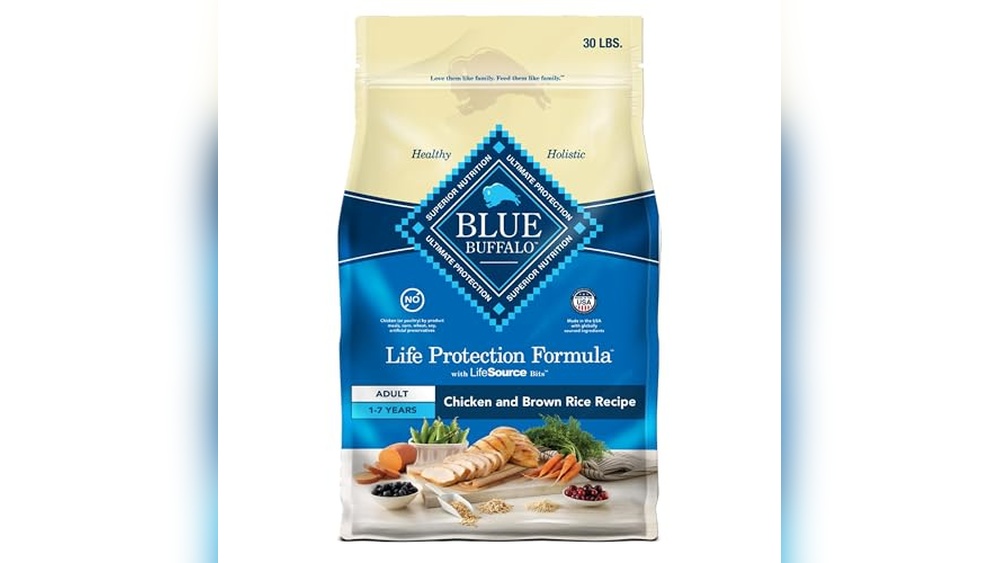
Finding the best dog food with limited ingredients can be tricky, especially if your furry friend has allergies or a sensitive stomach. You want to give your dog something healthy, simple, and easy to digest—but how do you know which one to pick?
This guide will help you cut through the noise and find the perfect food that keeps your dog happy and healthy. Keep reading, and you’ll discover the top options that make feeding time stress-free for both you and your pet.
Why Choose Limited Ingredient Dog Food
Choosing limited ingredient dog food helps keep your dog’s diet simple and healthy. This type of food uses fewer ingredients. It reduces the chance of stomach upset and allergies. Dogs with sensitive digestion often do better with fewer ingredients. This food type focuses on quality, not quantity.
Benefits For Sensitive Stomachs
Limited ingredient dog food is gentle on the stomach. It avoids common fillers and artificial additives. This makes digestion easier for dogs with weak stomachs. Such food helps prevent vomiting and diarrhea. It keeps your dog feeling comfortable and healthy.
Reducing Allergies And Intolerances
Fewer ingredients mean fewer chances of allergic reactions. Many dogs react to common ingredients like wheat or soy. Limited ingredient food often uses novel proteins like duck or venison. It lowers the risk of skin issues and itching. This food supports dogs with food sensitivities.
Simplifying Nutritional Content
Simple recipes make it easier to track nutrients. You know exactly what your dog eats every day. This helps avoid hidden fillers or unnecessary chemicals. It supports balanced nutrition tailored to your dog’s needs. Clear ingredients mean better control over your dog’s diet.
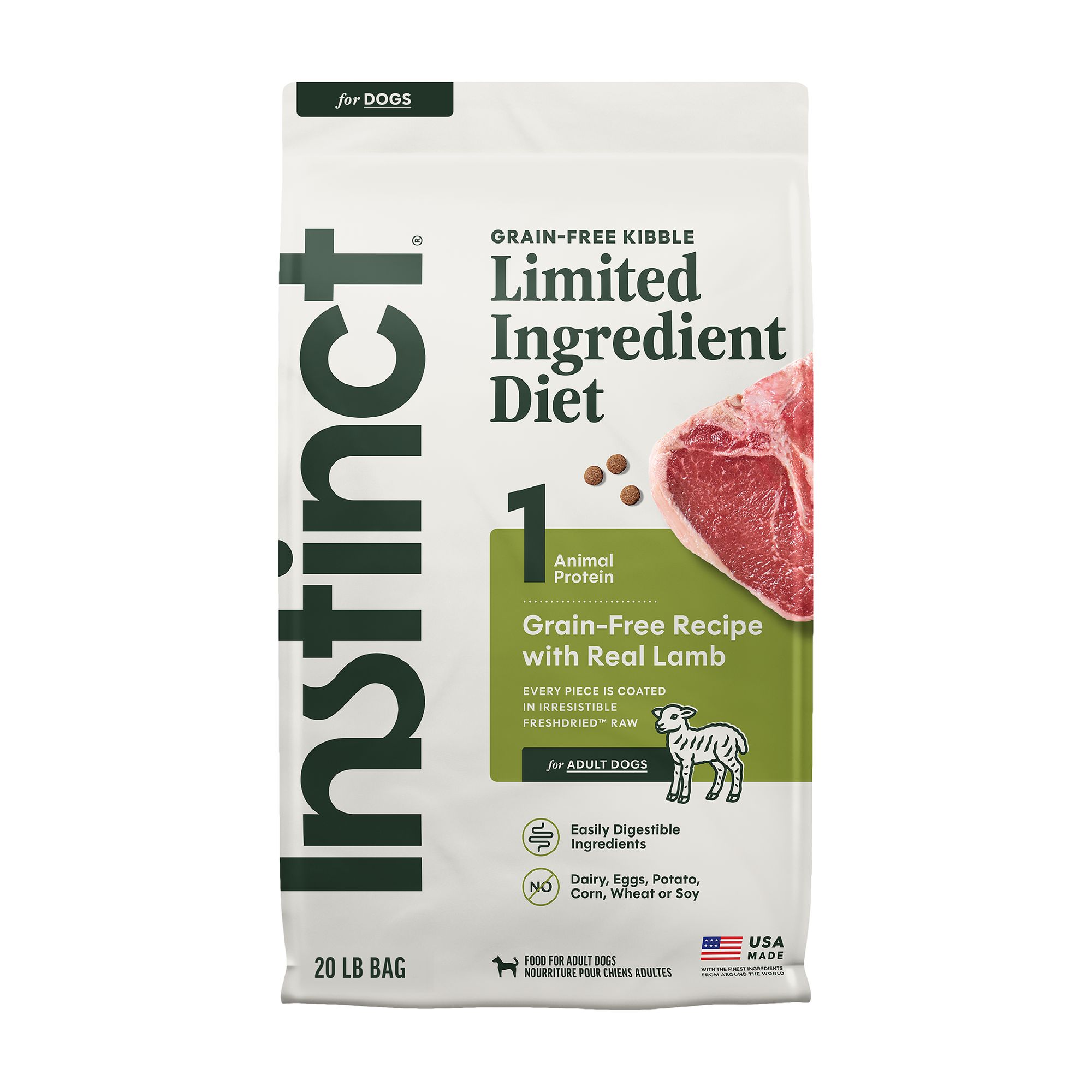
Credit: www.petsmart.com
Key Ingredients To Look For
Choosing the best dog food with limited ingredients means focusing on what really matters. The right ingredients support your dog’s health and energy. Quality matters more than quantity in these foods. Here are the key ingredients to check on the label.
High-quality Proteins
Protein is the building block for your dog’s muscles and tissues. Look for named sources like chicken, beef, or fish. Avoid vague terms like “meat meal” or “animal by-products.” High-quality proteins help keep your dog strong and active.
Digestible Carbohydrates
Carbohydrates provide energy for daily activities. Choose simple, digestible carbs like sweet potatoes, brown rice, or peas. These carbs help maintain steady energy levels. They also support healthy digestion and avoid stomach issues.
Essential Vitamins And Minerals
Vitamins and minerals keep your dog’s body working well. Ingredients like spinach, carrots, and blueberries provide natural nutrients. These support the immune system, skin, and coat health. Balanced vitamins and minerals are key for overall well-being.
Top Limited Ingredient Dog Foods
Choosing the right food with limited ingredients helps keep your dog healthy. It reduces the risk of allergies and digestive problems. Limited ingredient dog foods use fewer components. This makes it easier to track what your dog eats.
Different life stages need different nutrients. Puppies need more energy and protein. Adult dogs require balanced nutrition to stay fit. Senior dogs benefit from gentle ingredients and added support for joints.
Best For Puppies
Puppies grow fast and need high-quality protein. Look for foods with simple recipes and easily digestible ingredients. Chicken or lamb with rice is a good choice. These foods support healthy growth and development. Avoid fillers like corn or soy that may upset their stomach.
Best For Adult Dogs
Adult dogs need balanced meals to maintain weight and energy. Choose limited ingredient foods with one protein source and a few carbs. Sweet potatoes and fish or turkey are excellent options. These foods keep your dog active and strong. Avoid artificial colors and preservatives for better health.
Best For Senior Dogs
Older dogs need gentle nutrition for their aging bodies. Look for foods with fewer ingredients and added nutrients like glucosamine. These help with joint health and mobility. Salmon and pumpkin are good ingredients to support digestion and coat health. Limited ingredient diets reduce the chance of allergies in sensitive seniors.
:strip_icc()/blue-4ad589cc86ea45fc994c86686acba7b9.jpeg)
Credit: villageatoakwood.com
Homemade Limited Ingredient Recipes
Homemade limited ingredient recipes offer a great way to control what your dog eats. You know every ingredient, which helps avoid allergies and sensitivities. Cooking at home can be simple and rewarding. It also ensures your dog gets fresh, healthy meals without unnecessary additives.
These recipes focus on using few ingredients to keep things gentle on your dog’s stomach. They use whole foods that provide the right nutrients. You can customize meals based on your dog’s needs and preferences. Homemade meals can be a tasty and safe option for dogs with food sensitivities.
Simple Protein And Veggie Mix
Use one type of protein like chicken or turkey. Cook it thoroughly and chop into small pieces. Add cooked vegetables like carrots or green beans. Mix them well and serve at room temperature. This meal is easy to digest and full of nutrients. Avoid onions, garlic, or any toxic vegetables.
Single Protein Meals
Choose a single protein source such as beef or fish. Cook it plainly without spices or sauces. Serve the meat with a small amount of plain rice or sweet potato. This keeps meals simple and low in allergens. Single protein meals help identify any food allergies your dog may have.
Safe Treat Ideas
Use simple ingredients like pumpkin or apple slices. You can bake small treats using oat flour and pureed pumpkin. Freeze small pieces of plain cooked chicken as treats. Avoid anything with sugar, salt, or artificial additives. Safe treats support your dog’s health and training needs.
Tips For Transitioning Dog Food
Changing your dog’s food needs care and patience. Sudden switches can upset their stomach. Follow these tips to help your dog adjust smoothly. This helps keep them happy and healthy.
Gradual Introduction
Start by mixing a small amount of new food with the old. Increase the new food amount every few days. This slow change helps your dog’s stomach adjust. It reduces the chance of diarrhea or vomiting.
Monitoring For Reactions
Watch your dog closely for signs of allergies or upset. Look for itching, redness, or loose stools. If you see any problems, slow down the transition. Contact your vet if reactions continue or worsen.
Maintaining Balanced Nutrition
Ensure the new food meets all your dog’s needs. Check the label for essential vitamins and minerals. Balanced nutrition keeps your dog strong and active. Talk to your vet about the best options for your pet.

Credit: www.amazon.com
Common Myths About Limited Ingredient Diets
Many pet owners hear about limited ingredient diets for dogs and feel unsure. Myths often cause confusion. These myths can stop owners from trying good food options. Clearing up these myths helps you make smart choices for your dog’s health.
Myth: Limited Means Less Nutritious
Some think limited ingredient dog food lacks nutrition. This is not true. Limited ingredient diets focus on simple, high-quality ingredients. They provide balanced nutrients without fillers or additives. Dogs get all essential vitamins and minerals they need. Simple does not mean poor nutrition.
Myth: Only For Allergic Dogs
People believe limited ingredient diets are just for allergy sufferers. Actually, they can benefit many dogs. Dogs with sensitive stomachs or digestion issues also do well on these diets. Limited ingredients reduce risk of upset stomach and food reactions. Good for picky eaters and dogs needing a gentle diet too.
Myth: Expensive And Hard To Find
Many assume limited ingredient food costs too much. While some brands are pricey, many affordable options exist. Supermarkets and online stores carry a range of limited ingredient dog foods. Choosing the right product fits many budgets. It is not as hard to find as some think.
Frequently Asked Questions
What Are The Benefits Of Limited Ingredient Dog Food?
Limited ingredient dog food reduces allergies and digestive issues. It contains fewer additives, making it easier to identify problem ingredients. This food type supports sensitive stomachs and improves overall health by providing simple, high-quality nutrition for dogs with specific dietary needs.
How To Choose The Best Limited Ingredient Dog Food?
Look for dog food with one protein source and minimal fillers. Check labels for recognizable, natural ingredients and avoid artificial additives. Consider your dog’s allergies, age, and activity level. Reading reviews and consulting your vet helps find the best option for your pet’s health.
Are Limited Ingredient Diets Suitable For All Dogs?
Limited ingredient diets are ideal for dogs with allergies or sensitivities. Healthy dogs without issues can also benefit from simpler formulas. However, consult your vet before switching diets to ensure your dog’s nutritional needs are fully met with limited ingredient food.
Can Limited Ingredient Dog Food Improve Skin And Coat Health?
Yes, limited ingredient dog food can improve skin and coat health. It reduces exposure to allergens causing irritation. High-quality proteins and essential fatty acids in these diets promote a shiny coat and reduce itching or dryness for a healthier pet.
Conclusion
Choosing the best dog food with limited ingredients helps keep your pet healthy. Simple recipes reduce the risk of allergies and digestive problems. Dogs with sensitive stomachs often feel better on fewer ingredients. Always check labels for quality and clear ingredient lists.
Feeding the right food supports your dog’s energy and happiness. Trust your pet’s reaction to the new diet. Healthy meals lead to a happier, more active dog. Keep your dog’s needs in mind when selecting food. A good choice makes a big difference every day.