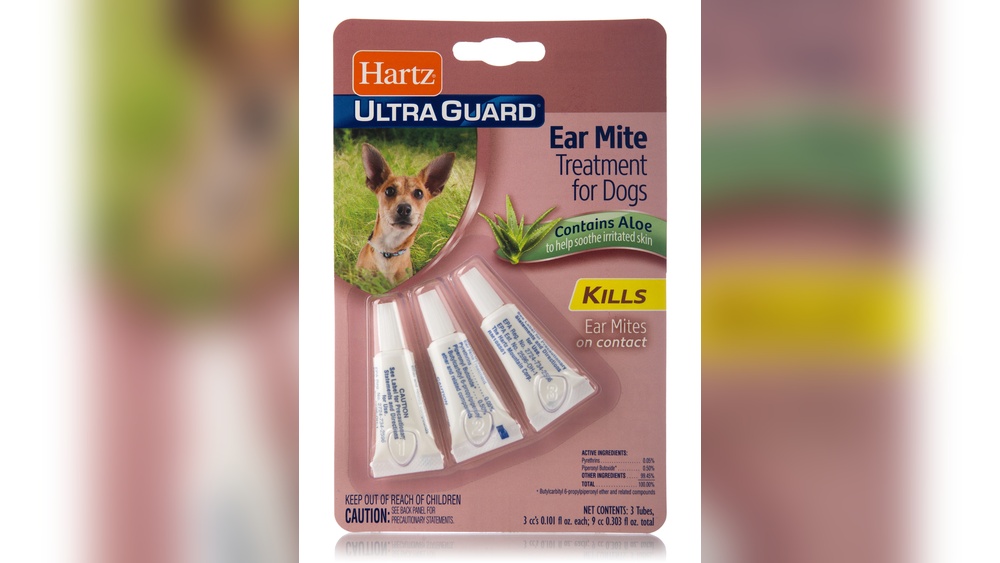
If your dog is scratching their ears nonstop or shaking their head, it’s a clear sign something’s wrong. Ear infections in dogs can be painful and frustrating for both you and your furry friend.
You want quick relief, but with so many over-the-counter options out there, how do you know which one really works? You’ll discover the best OTC treatments to soothe your dog’s ear infection safely and effectively. Keep reading to find the solution that can bring your pup comfort and get them back to their happy, playful self.
Common Causes Of Dog Ear Infections
Dog ear infections happen more often than you might think. They cause discomfort and can lead to serious problems. Understanding the common causes helps you prevent and treat these infections early. Many factors can irritate your dog’s ears and invite infection.
Some causes are simple and easy to fix. Others need more attention and care. Knowing these causes helps you choose the best over-the-counter (OTC) treatment for your dog’s ear infection. Here are the most common reasons dogs get ear infections.
AllergiesAllergies are a top cause of dog ear infections. Dogs can be allergic to food, pollen, dust, or mold. Allergies irritate the skin inside the ear. This irritation leads to inflammation and infection. Allergy symptoms often include scratching and redness in the ears.
Moisture and WaterWater trapped inside the ear creates a perfect place for bacteria and yeast to grow. Dogs who swim or bathe often get ear infections. Moisture softens the skin and causes irritation. Dry ears reduce the risk of infection.
Ear MitesEar mites are tiny parasites that live inside dog ears. They cause intense itching and inflammation. These mites spread easily from one dog to another. Without treatment, ear mites can cause infections and damage the ear canal.
Excess Ear WaxToo much ear wax can trap dirt and bacteria. This buildup blocks normal ear drainage. It creates a warm environment for germs to multiply. Regular cleaning helps prevent wax buildup and infection.
Injury or Foreign ObjectsScratches, cuts, or foreign objects in the ear can lead to infection. Dogs often scratch their ears and cause wounds. Dirt and bacteria enter through these breaks in the skin. Prompt care reduces the risk of infection.
Symptoms To Watch For
Dog ear infections can cause discomfort and pain. Early detection helps treat the problem quickly. Recognizing symptoms early protects your dog from serious issues. Watch for signs that show your dog might have an infection.
Redness And Swelling
Look inside your dog’s ear for red, swollen skin. The ear may feel warm to the touch. This shows inflammation and irritation inside the ear canal.
Scratching And Head Shaking
Your dog may scratch its ears often. It might also shake its head a lot. These actions try to ease itching and pain from infection.
Unusual Odor
A bad smell coming from the ear is a warning sign. Infections often cause a foul, strong odor. Check your dog’s ears regularly for any strange smell.
Discharge Or Wax Build-up
Look for unusual discharge inside the ear. The discharge can be yellow, brown, or green. Excess wax or pus may also appear due to infection.
Hair Loss Around The Ear
Infected ears can cause hair to fall out. You may see bald patches near the ear. This happens from constant scratching and irritation.
Changes In Behavior
Your dog might act restless or irritable. It may avoid touch near the ears. Pain and discomfort often change a dog’s mood and habits.
Top Over-the-counter Treatments
Top over-the-counter treatments offer simple ways to help your dog’s ear infection. These products can reduce pain, itching, and swelling. Using the right treatment can speed up healing and comfort your pet.
Choose a product based on the cause of the infection. Some infections need cleaning, while others require antifungal care. Always follow the instructions on the label for safe use.
Ear Drops
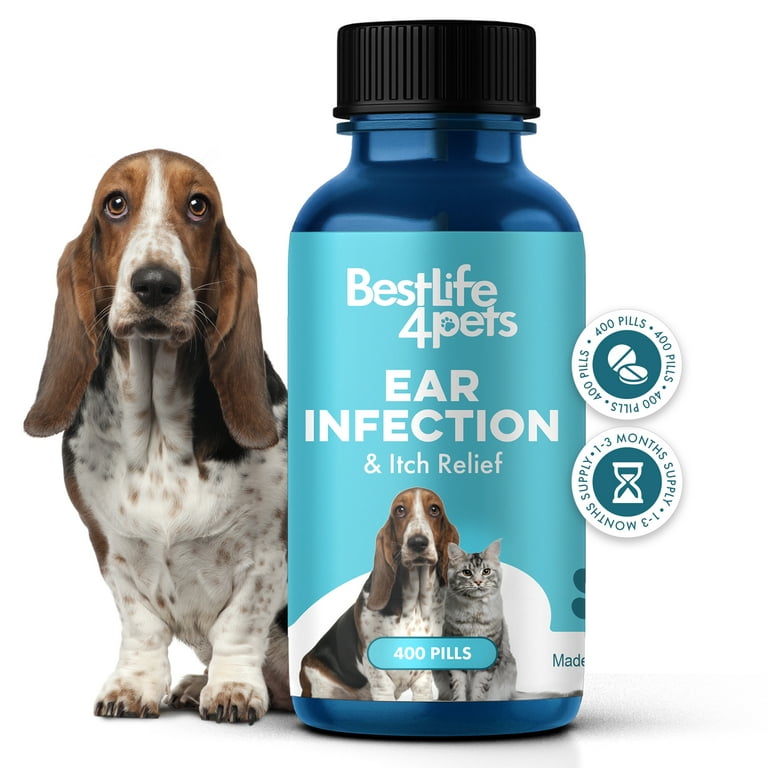
Ear drops are easy to apply and work directly inside the ear. They often contain ingredients to fight bacteria or soothe irritation. Some drops also help dry excess moisture in the ear canal.
Look for drops that calm redness and reduce itching. Most drops come with a dropper for precise use. Apply as directed to avoid overuse or irritation.
Cleaning Solutions
Cleaning solutions help remove dirt, wax, and debris from your dog’s ears. They keep the ear canal clear, which can prevent infections from worsening. Use these solutions before applying medicine for better results.
Choose gentle formulas made for pets. Avoid harsh chemicals that can hurt sensitive skin. Regular cleaning supports overall ear health and comfort.
Antifungal Options
Antifungal treatments target yeast or fungal infections causing discomfort. These products reduce itching and stop fungal growth. Use antifungal creams or sprays as instructed by the package.
They work best combined with cleaning solutions. Keep the ear dry to prevent fungus from returning. Proper antifungal care helps restore a healthy ear environment.

Credit: www.youtube.com
Natural Remedies That Aid Healing
Natural remedies can support your dog’s ear infection healing. They soothe irritation and reduce inflammation. These remedies are gentle and often safe for regular use. Using natural products can improve comfort and speed recovery. Always check with a vet before trying new treatments.
Aloe Vera
Aloe vera has soothing and healing properties. It helps reduce redness and swelling in the ear. Apply a small amount of pure aloe vera gel on the outer ear. Avoid putting it deep inside the ear canal. Aloe vera also fights bacteria, which helps prevent infection growth.
Coconut Oil
Coconut oil has natural antibacterial and antifungal effects. It can ease itching and dry out the ear. Warm a little coconut oil and gently apply it to your dog’s ear. Use a cotton ball to clean the ear before applying. Coconut oil also moisturizes the skin to stop cracking.
Apple Cider Vinegar
Apple cider vinegar helps balance the ear’s pH level. This balance stops bacteria and yeast from growing. Mix equal parts of apple cider vinegar and water. Use a dropper to apply a few drops to the outer ear. Wipe away any excess liquid with a clean cloth. Avoid using apple cider vinegar if the ear is very sore or bleeding.
How To Safely Apply Treatments
Applying treatment for your dog’s ear infection needs care and patience. Safe application helps the medicine work well and keeps your dog calm. This section shows easy steps to treat your dog’s ears without stress or risk.
Preparing Your Dog
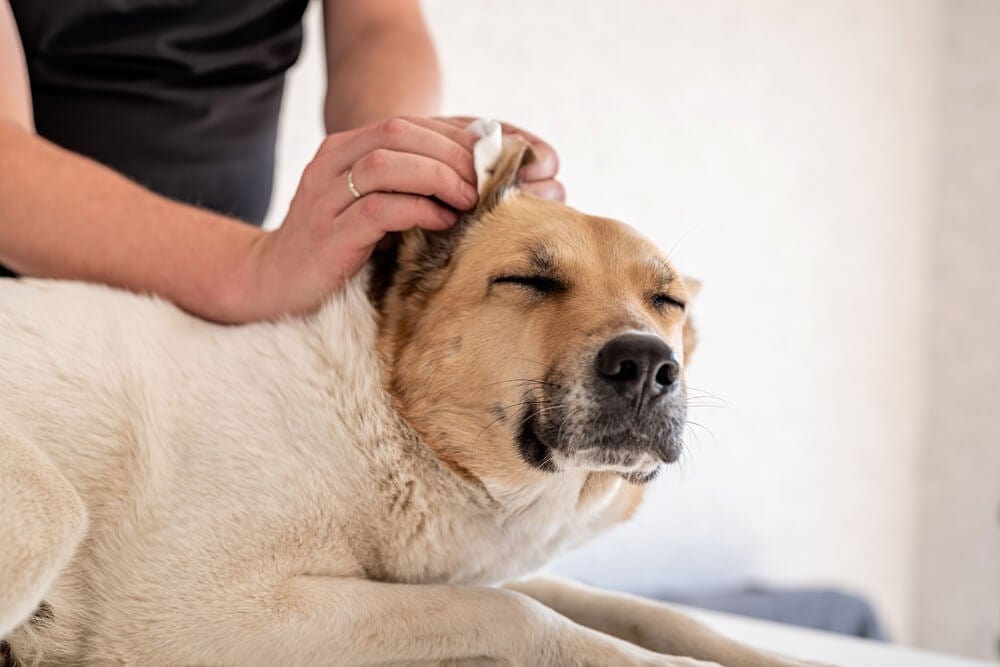
Find a quiet place where your dog feels safe. Have treats ready for good behavior. Gently hold your dog’s head to keep it steady. Check the ear for dirt or discharge before treatment. Clean the ear with a soft cloth if needed.
Step-by-step Application
Read the medicine label carefully before use. Warm the medicine bottle in your hands to avoid discomfort. Lift your dog’s ear flap to expose the ear canal. Place the tip of the applicator at the ear entrance. Squeeze the right amount of medicine gently into the ear. Massage the base of the ear to spread the medicine. Let your dog shake its head to clear excess fluid.
Precautions To Take
Do not insert the applicator deep into the ear canal. Avoid touching the ear with dirty hands. Use only medicines recommended by your vet or pharmacist. Stop treatment if your dog shows pain or swelling. Keep the medicine out of your dog’s reach after use. Clean your hands well after applying the medicine.
Credit: thevets.com
When To See A Vet
Knowing when to see a vet is key for treating your dog’s ear infection properly. Some ear infections need more than just OTC medicine. Quick action can stop pain and prevent serious problems.
Signs That Need Immediate Vet Attention
Look for swelling, bleeding, or strong odor. If your dog shakes its head hard or scratches ears nonstop, get help fast. These can mean a severe infection or injury.
When Otc Treatments Do Not Work
If symptoms last more than a week, visit the vet. No improvement after using over-the-counter drops means the infection may need stronger medicine. Don’t wait too long to get proper care.
Recurring Ear Infections
Some dogs get ear infections often. Multiple infections need a vet’s check. They can find the cause and suggest long-term care or special treatments.
Changes In Your Dog’s Behavior
If your dog becomes very tired, loses appetite, or acts unusual with an ear problem, see the vet. These signs show the infection might be spreading or causing pain.
Preventing Future Infections
Preventing future ear infections in dogs is key to their health and comfort. Consistent care helps avoid pain and costly vet visits. Small changes in daily routine can protect your dog’s ears.
Regular Ear Cleaning
Cleaning your dog’s ears often removes dirt and wax buildup. Use a vet-approved ear cleaner. Avoid cotton swabs deep inside the ear. Gently wipe the outer ear with a soft cloth. Regular cleaning stops bacteria and yeast growth.
Diet And Allergies
Food allergies can cause ear infections in dogs. Watch for signs like itching or redness. Choose a high-quality diet that suits your dog’s needs. Sometimes, a vet may suggest allergy tests. Balanced nutrition supports a strong immune system.
Environmental Factors
Keep your dog’s ears dry after swimming or baths. Moisture encourages infections. Avoid dusty or dirty places that irritate ears. Regularly check your dog’s ears for redness or smell. Clean living areas reduce exposure to allergens and germs.
Credit: www.walmart.com
Frequently Asked Questions
What Is The Best Otc Treatment For Dog Ear Infections?
The best OTC treatment often includes antifungal or antibacterial ear drops. Look for products with natural ingredients like tea tree oil. Always choose vet-approved brands to ensure safety and effectiveness. Proper cleaning before treatment is essential to prevent worsening the infection.
How Can I Tell If My Dog Has An Ear Infection?
Common signs include scratching ears, redness, swelling, odor, and discharge. Your dog may also shake its head frequently. If symptoms persist, consult a vet for accurate diagnosis. Early detection helps prevent complications and speeds recovery.
Are Otc Ear Drops Safe For All Dogs?
Most OTC ear drops are safe for healthy dogs without severe infections. Avoid using them if your dog has a ruptured eardrum or open wounds. Always read the label and consult your vet before use, especially for puppies or older dogs.
How Long Should I Use Otc Ear Infection Treatments?
Typically, treatment lasts 7 to 10 days. Continue use as directed, even if symptoms improve early. Stopping treatment too soon can cause infection recurrence. If no improvement occurs, seek veterinary advice promptly.
Conclusion
Choosing the best OTC for your dog’s ear infection helps ease their discomfort. Always pick products made for dogs and follow the instructions. Watch your pet closely for any changes or reactions. Clean ears gently and keep them dry to prevent infections.
If symptoms last or worsen, visit your vet. Healthy ears mean a happier, active dog. Care and attention make all the difference. Simple steps protect your furry friend every day.