
If your dog struggles with a sensitive stomach, you know how tough it can be to find the right food. You want something that not only keeps your furry friend healthy but also avoids upset tummies and discomfort.
Choosing the best dry dog food for sensitive stomachs isn’t just about nutrition—it’s about peace of mind for you and comfort for your pet. You’ll discover top options that are gentle, tasty, and specially made to support your dog’s digestion.
Keep reading to find the perfect match for your dog’s needs and make mealtime something you both look forward to.
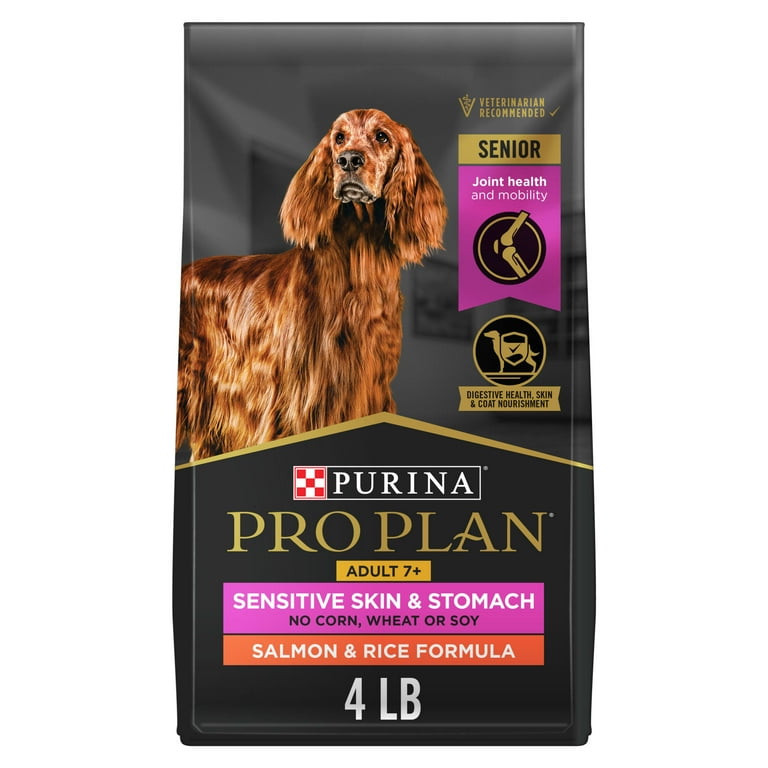
Credit: www.walmart.com
Causes Of Sensitive Stomachs In Dogs
Many dogs suffer from sensitive stomachs that cause discomfort and digestive problems. This condition affects how dogs digest food and absorb nutrients. Understanding what causes sensitive stomachs helps pet owners choose the best dry dog food for their pets. Causes vary from simple diet issues to serious health problems.
Common Symptoms
Dogs with sensitive stomachs show clear signs of distress. Vomiting and diarrhea are frequent symptoms. Some dogs have gas, bloating, or stomach noises. Lack of appetite and weight loss may also occur. Watch for these signs to spot stomach issues early.
Dietary Triggers
Certain foods can upset a dog’s stomach easily. Ingredients like dairy, wheat, and soy often cause problems. Artificial additives and preservatives also trigger reactions. Sudden changes in diet may lead to stomach upset. Choosing gentle, simple ingredients reduces risks.
Health Conditions
Some medical issues cause sensitive stomachs in dogs. Parasites, infections, and inflammation affect digestion. Conditions like pancreatitis and food allergies are common culprits. Chronic diseases may worsen symptoms over time. Proper diagnosis is key for effective treatment.
Key Ingredients For Sensitive Stomach Dog Food
Choosing the right dry dog food for sensitive stomachs depends on the ingredients. These ingredients help reduce stomach upset and improve digestion. The best foods focus on gentle, natural components. Understanding these key ingredients helps pick the best option for your dog’s needs.
Easily Digestible Proteins
Proteins should be simple and gentle on the stomach. Chicken, turkey, and fish are common choices. These proteins break down easily, reducing digestive stress. Dogs with sensitive stomachs absorb nutrients better from these sources. Avoid complex or mixed protein blends that may cause irritation.
Limited Ingredient Formulas
Limited ingredient foods contain fewer components. This reduces the chance of allergic reactions and digestion problems. These formulas usually have one main protein and few carbohydrates. It helps identify which ingredient may cause issues. Simple recipes support sensitive digestive systems effectively.
Probiotics And Prebiotics
Probiotics add good bacteria to the gut. They help balance digestion and improve nutrient absorption. Prebiotics feed these good bacteria and keep them active. Together, they support a healthy digestive system. Including both in dog food helps ease stomach problems and boost immunity.
Top Dry Dog Food Brands For Sensitive Stomachs
Choosing the right dry dog food helps manage sensitive stomachs effectively. Some brands focus on gentle ingredients that reduce stomach upset. These brands balance nutrition and digestibility well. They offer formulas that support your dog’s health without causing discomfort. Understanding the best options makes feeding easier and safer for your pet.
Grain-free Options
Grain-free dry dog foods avoid common allergens like wheat and corn. These products use ingredients such as sweet potatoes or peas instead. They often improve digestion and reduce gas or bloating. Dogs with grain sensitivities benefit from these recipes. Brands offering grain-free lines include well-known and trusted names.
Hypoallergenic Choices
Hypoallergenic dry dog foods use limited ingredients to lower allergy risks. They exclude artificial colors, flavors, and preservatives. These foods rely on novel proteins like duck or venison. They help dogs with food allergies or intolerances. Many top brands provide hypoallergenic formulas tested for safety.
Affordable And Quality Picks
Quality dry dog food does not always mean high cost. Some brands offer balanced nutrition at reasonable prices. These products use good ingredients without extra fillers. They maintain good digestibility and support sensitive stomachs. Choosing affordable, quality brands helps keep your pet healthy and your budget intact.

Credit: www.amazon.com
How To Choose The Right Food For Your Dog
Choosing the right dry dog food for a sensitive stomach is important. The right food helps your dog feel better and stay healthy. You want to pick food that is gentle, nutritious, and easy to digest. This guide helps you find the best option for your dog’s needs.
Reading Labels Effectively
Start by checking the ingredient list. Look for simple ingredients that are easy to digest. Avoid foods with artificial colors, flavors, or preservatives. Protein sources like chicken, turkey, or fish are often good choices. Grain-free options or limited ingredient diets may help reduce stomach upset. Check the guaranteed analysis for protein, fat, and fiber content. High fiber can help with digestion but too much may cause gas. Look for foods with added vitamins and minerals for balanced nutrition.
Consulting Your Veterinarian
Your vet knows your dog’s health history best. They can recommend foods suited for sensitive stomachs. Share any symptoms or food reactions your dog has. Your vet may suggest special prescription diets. These foods are designed to reduce allergies and improve digestion. Trust their advice to avoid foods that might cause issues. Regular check-ups help monitor your dog’s progress on new food.
Transitioning To New Food
Switch your dog’s food slowly to avoid stomach upset. Mix a small amount of new food with the old food. Gradually increase the new food over 7 to 10 days. Watch for any changes in stool or behavior. Stop the transition if diarrhea or vomiting occurs. Give your dog time to adjust to the new diet. Patience is key for a smooth change to sensitive stomach food.
Tips For Managing Your Dog’s Sensitive Stomach
Managing a dog’s sensitive stomach requires care and attention. Small changes can make a big difference in your dog’s comfort. Understanding what to do helps keep your dog happy and healthy.
Simple tips can reduce tummy troubles and improve digestion. These tips focus on feeding habits, avoiding allergens, and watching your dog’s health closely.
Feeding Schedules And Portions
Feed your dog at the same times every day. Regular schedules help the stomach adjust better. Divide daily food into smaller meals to avoid overload. Smaller portions reduce the chance of upset stomach. Avoid giving large meals before exercise or bedtime.
Avoiding Common Food Allergens
Common allergens include wheat, corn, soy, and dairy. Remove these ingredients from your dog’s diet. Choose dry dog food made for sensitive stomachs. Look for limited ingredient diets with simple recipes. Introduce new foods slowly to watch for reactions.
Monitoring Your Dog’s Health
Watch for signs like vomiting, diarrhea, or bloating. Keep a journal of food and symptoms to spot patterns. Regular vet check-ups help catch problems early. Note changes in appetite, energy, or stool quality. Early action can prevent serious health issues.
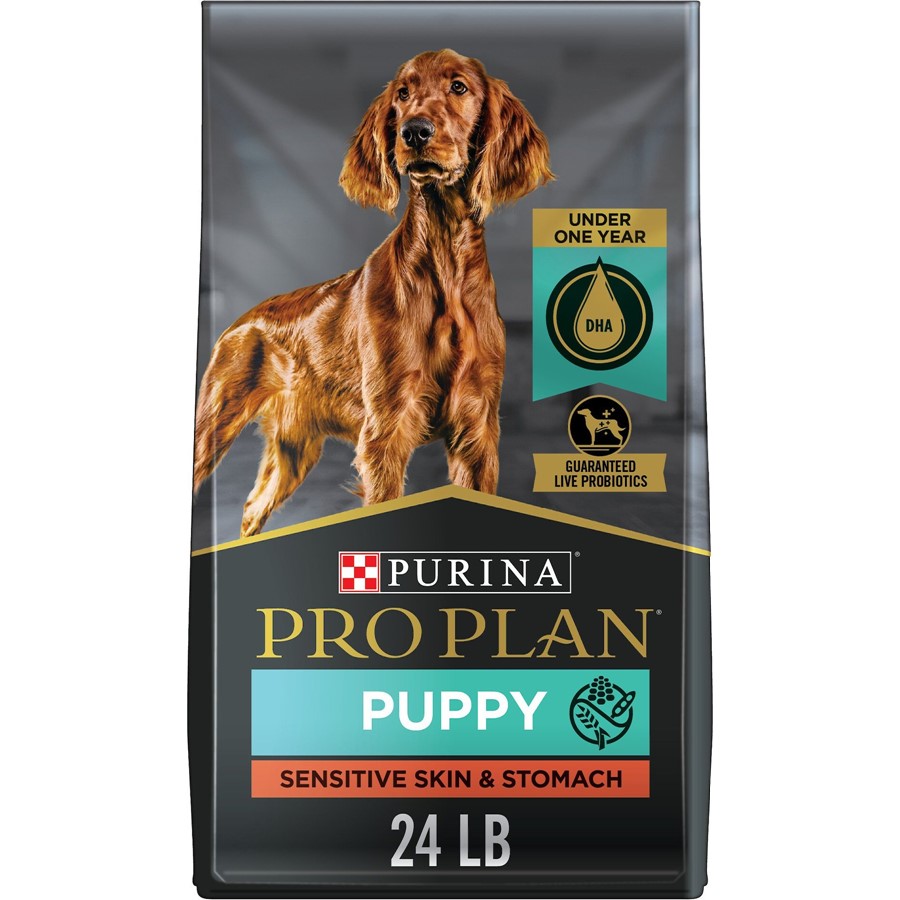
Credit: www.petcarerx.com
Frequently Asked Questions
What Ingredients Are Best For Sensitive Stomach Dog Food?
Sensitive stomach dog food should include easily digestible ingredients like rice, chicken, sweet potatoes, and limited additives. Avoid common allergens such as corn, soy, and wheat. High-quality proteins and fiber support digestion and reduce stomach upset in sensitive dogs.
How To Choose Dry Dog Food For Sensitive Stomach?
Look for formulas labeled for sensitive stomachs or digestion support. Check for limited, natural ingredients and probiotics. Avoid artificial colors, flavors, and preservatives. Consult your vet for recommendations based on your dog’s specific sensitivities and health needs.
Can Sensitive Stomach Dog Food Improve Digestion?
Yes, sensitive stomach dog food is designed to improve digestion by using gentle ingredients and added probiotics. These foods help reduce gas, diarrhea, and vomiting. Consistent feeding of such diets promotes better nutrient absorption and overall gut health for your dog.
How Long Does It Take To See Results From Sensitive Stomach Food?
Most dogs show digestive improvement within 1 to 2 weeks of switching to sensitive stomach food. However, some may take longer. Monitor your dog’s stool quality and overall comfort, and consult your vet if symptoms persist beyond a month.
Conclusion
Choosing the right dry dog food helps keep your pet healthy and happy. Sensitive stomach formulas reduce tummy troubles and improve digestion. Quality ingredients support your dog’s overall well-being. Always check labels for allergens or fillers. Feed your dog with care and watch them thrive.
Small changes in diet can make a big difference. Healthy food means a joyful, energetic dog every day. Trust your instincts and pick what suits your pet best.


