
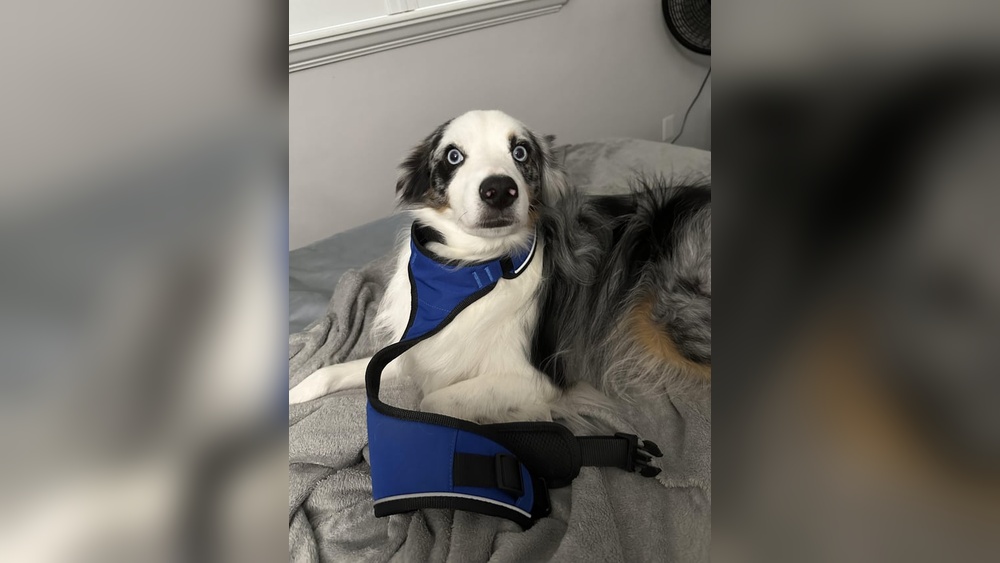
If your dog fights every time you try to put on a harness, you’re not alone. Many dogs dislike the feeling of harnesses, making walks stressful for both of you.
But what if there was a harness designed to change that? A harness that your dog actually feels comfortable wearing? You’ll discover the best harnesses made specifically for dogs who hate harnesses. By the end, you’ll have the tools to make walks enjoyable again—for you and your furry friend.
Keep reading to find out how to turn harness time into happy time.

Credit: www.gemmafisher.com
Why Dogs Resist Harnesses
Many dogs do not like wearing harnesses. They may try to pull away or refuse to move. Understanding why dogs resist harnesses helps find the right one for them.
Resistance often comes from discomfort or fear. Some dogs feel strange with something new on their bodies. Others may have had bad experiences before. The right harness can make walks more pleasant for both dogs and owners.
Common Discomfort Factors
Harnesses can cause discomfort in many ways. Tight straps can pinch the skin or fur. Heavy or bulky designs add weight and pressure. Some materials irritate sensitive skin. Dogs hate when a harness rubs in the wrong spot. Poor fit is a main cause of discomfort.
Behavioral Reasons
Fear and anxiety cause many dogs to reject harnesses. New objects on their bodies feel strange and scary. Past bad experiences with a harness make dogs nervous. Some dogs resist control or restraint. They want freedom and may struggle to escape. This behavior is natural for some dogs.
Breed And Size Considerations
Different breeds and sizes need different harness styles. Small dogs need lightweight, soft harnesses. Large breeds require strong, supportive designs. Dogs with short legs or long backs need special fits. Some breeds have sensitive areas that a harness must avoid. Choosing a harness for your dog’s breed helps reduce resistance.
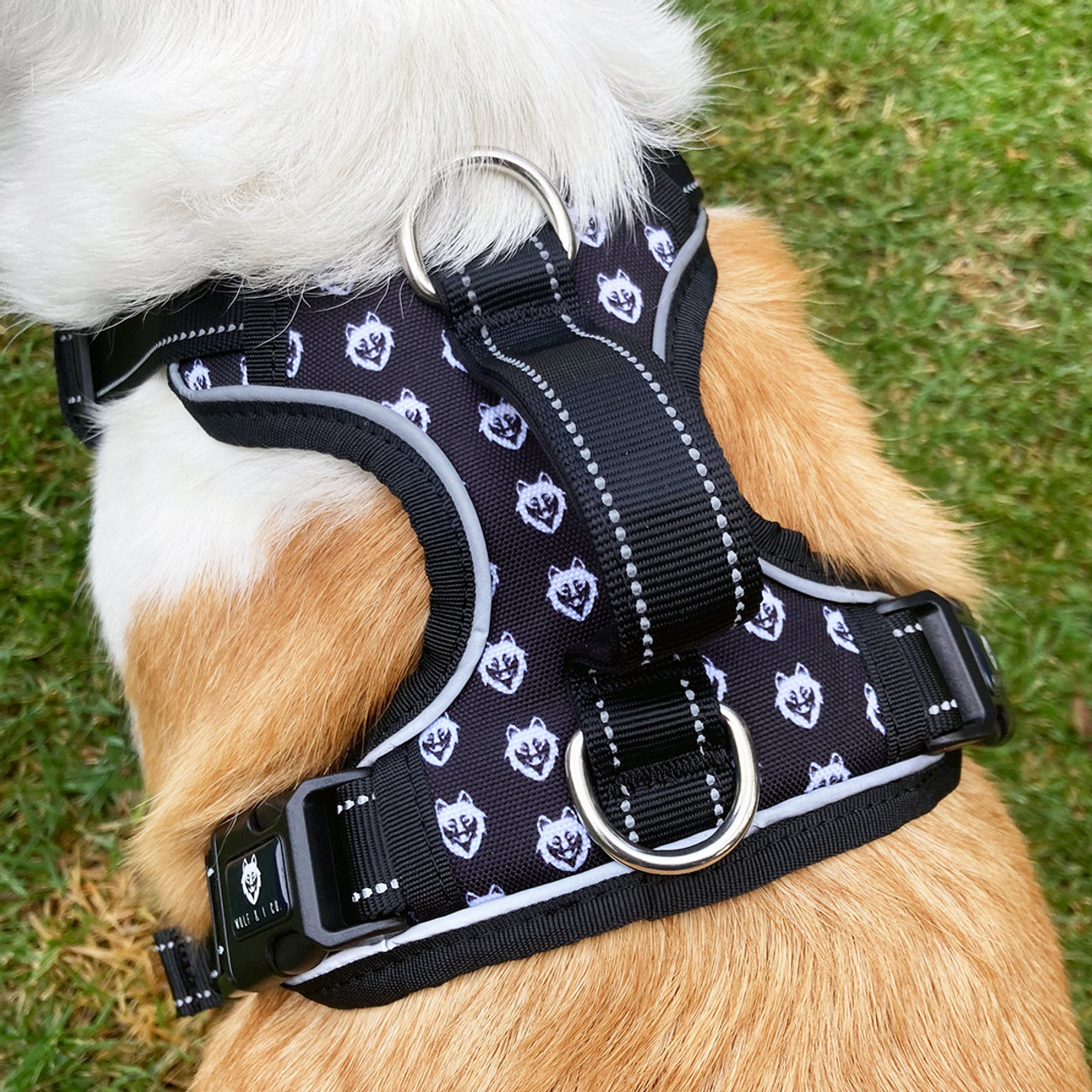
Credit: www.martinkrusche.de
Features Of Comfortable Harnesses
Choosing the right harness for dogs that hate wearing one needs care. Comfort is the key. A comfortable harness helps your dog feel safe and relaxed. It reduces stress and makes walks pleasant. Here are the main features that make a harness cozy for any dog.
Soft And Breathable Materials
Materials touching your dog’s skin must be soft. Breathable fabrics help air flow. This stops heat and sweat build-up. Soft padding avoids rubbing and skin irritation. Look for harnesses made with mesh or cotton. These keep dogs cool and calm during walks.
Adjustability And Fit
A good harness adjusts easily to fit your dog’s body. Straps should be simple to change. A proper fit stops chafing and pinching. It also keeps the harness secure without tightness. Adjustable parts let the harness grow with your dog. This ensures comfort on every walk.
Lightweight Designs
Heavy harnesses can tire dogs quickly. Lightweight designs feel less like a burden. They allow freedom of movement. Look for harnesses that use light materials. These do not weigh your dog down. Your dog will move naturally and happily.
Top Harness Picks For Reluctant Dogs
Choosing the right harness helps dogs who dislike wearing them. Comfort and ease matter most. A good harness makes walks calm and safe. Some styles suit hesitant dogs better.
No-pull Harnesses
No-pull harnesses reduce pulling by gently steering dogs. These harnesses fit snugly without pressure on the neck. They help dogs learn to walk nicely. Many have soft padding to avoid rubbing. Easy to adjust and secure for comfort.
Step-in Styles
Step-in harnesses simplify putting the harness on. Dogs just step into the loops with their front legs. This style avoids pulling the harness over the head. It’s less scary for shy or stubborn dogs. Lightweight and fast to put on and off.
Vest Harnesses
Vest harnesses cover more of the dog’s chest and back. They spread pressure evenly to prevent discomfort. Soft fabric and breathable mesh make them cozy to wear. Some vest harnesses come with extra padding. Ideal for dogs that need gentle support.
How To Introduce A Harness To Your Dog
Introducing a harness to a dog that dislikes wearing one takes patience. The goal is to make the harness feel safe and comfortable. Start slowly and keep sessions short. Positive experiences help your dog accept the new gear. A calm and gentle approach works best.
Positive Reinforcement Techniques
Use praise and kind words when your dog shows calm behavior near the harness. Let your dog sniff and explore the harness without putting it on. Reward calmness with treats or petting. This builds a good connection with the harness. Avoid forcing the harness on quickly. Let your dog set the pace.
Gradual Wearing Sessions
Begin by placing the harness on for just a few seconds. Then remove it and give a treat. Increase the wearing time slowly each day. Watch your dog’s reaction closely. Stop if your dog shows stress or tries to escape. Short, calm sessions help your dog get used to the feel of the harness.
Using Treats And Rewards
Treats are powerful motivators. Give small, tasty treats while putting on and taking off the harness. Praise your dog softly and gently. Use treats to distract and comfort your dog during the first walks. This builds a positive link between the harness and good things. Over time, your dog will expect rewards and accept the harness willingly.
Maintenance And Care Tips
Keeping a dog harness in good shape helps it last longer and stay safe. Proper care also keeps your dog comfortable and happy wearing it. Simple daily habits protect the harness from damage and dirt.
Follow these easy steps for cleaning, checking, and storing your dog’s harness.
Cleaning And Washing
Remove dirt and sweat after every walk. Hand wash the harness with mild soap and warm water. Avoid strong detergents that can irritate your dog’s skin. Rinse thoroughly to remove all soap. Let the harness air dry completely before use. Never use a dryer or direct sunlight to dry it.
Checking For Wear And Tear
Inspect the harness regularly for signs of damage. Look for frayed straps, broken buckles, or loose stitching. Replace the harness if you find any damage. A damaged harness can break and cause accidents. Regular checks keep your dog safe on every walk.
Storage Recommendations
Store the harness in a dry, cool place. Avoid damp or hot areas that can weaken materials. Keep it away from sharp objects that may cause cuts. Hang the harness or lay it flat to keep its shape. Proper storage extends the life of the harness.
:strip_icc()/sps-dog-harnesses-test-ruffwear-front-range-amazon-front-attachment-good-hiking-hang-pham-02-c28708e42f09460bac97ae9285d6c504.jpg)
Credit: www.thesprucepets.com
Frequently Asked Questions
What Features Make A Harness Suitable For Stubborn Dogs?
A suitable harness is lightweight, adjustable, and padded for comfort. It should have quick-release buckles and avoid pressure on the throat. Reflective materials enhance safety. Design matters; a front-clip harness helps control pulling without causing discomfort or stress for stubborn dogs.
How Can I Train My Dog To Accept A Harness?
Introduce the harness gradually by letting your dog sniff it first. Use treats and praise during each step. Start with short wearing periods and increase duration slowly. Positive reinforcement helps your dog associate the harness with comfort and rewards, reducing resistance over time.
Are No-pull Harnesses Better For Dogs That Hate Harnesses?
Yes, no-pull harnesses reduce strain and improve control. They discourage pulling by redirecting your dog’s movement gently. These harnesses are padded and designed for comfort, making them more acceptable for dogs that dislike traditional harnesses. Proper fit is essential for effectiveness and comfort.
Can Harness Material Affect A Dog’s Acceptance?
Absolutely. Soft, breathable materials like mesh or neoprene prevent chafing. Lightweight fabrics reduce discomfort and overheating. Avoid rough or stiff materials as they can irritate the skin. Choosing the right material can significantly improve your dog’s willingness to wear a harness.
Conclusion
Choosing the right harness can make walks more enjoyable for your dog. Comfort and fit matter most to dogs who dislike harnesses. Try soft materials and easy designs to reduce stress. Patience helps your dog get used to new gear.
Watch your dog’s reactions and adjust as needed. Small steps lead to big changes in behavior. Your dog will thank you with happier walks and less pulling. Keep trying different options until you find the best fit. A good harness can turn struggles into fun times together.


