If your dog struggles with allergies or sensitive skin, you know how tough it can be to find the right food. You want to keep your furry friend comfortable and healthy, but not all dog foods are made equal.
Choosing the best dog food for allergies and sensitive skin can make a huge difference in your pet’s happiness and well-being. You’ll discover simple, effective options that can ease your dog’s discomfort and improve their skin health. Keep reading to find the perfect food that suits your dog’s unique needs.
Causes Of Dog Allergies
Dog allergies cause itching, redness, and discomfort. Understanding the causes helps find the best food for sensitive skin. Allergies can come from food, environment, or genetics. Identifying triggers is key to relief.
Common Allergens In Dog Food
Many dogs react to certain ingredients in food. Beef, chicken, dairy, and wheat often cause allergies. Some dogs cannot digest soy or corn. These allergens lead to itchy skin and digestive problems. Choosing limited-ingredient food can reduce reactions.
Environmental Triggers
Allergies also come from the surroundings. Pollen, dust mites, and mold are common triggers. Flea bites cause severe allergic reactions too. Dogs with sensitive skin react to these irritants quickly. Avoiding exposure helps manage symptoms.
Genetic Factors
Some breeds inherit allergy problems from parents. Bulldogs, Retrievers, and Terriers often suffer from allergies. Genetics affect immune system responses. Sensitive skin may run in the family. Knowing breed risks aids in prevention and care.
Credit: www.zigpd.com
Symptoms Of Allergies And Sensitive Skin
Dogs with allergies or sensitive skin show clear signs. These signs help owners understand their pet’s health. Spotting symptoms early can improve a dog’s comfort and well-being.
Recognizing symptoms helps choose the best dog food. The right diet can reduce allergy effects and soothe skin problems.
Skin Irritations And Rashes
Red, itchy skin is a common sign of allergies. Dogs may scratch, lick, or bite affected areas often. Rashes or bumps can appear on the belly, paws, or ears. Dry, flaky skin and hair loss also happen. These skin issues can cause pain and discomfort for dogs.
Digestive Issues
Food allergies often cause stomach problems. Dogs may vomit or have diarrhea. Gas and bloating can make dogs uncomfortable. Poor digestion leads to less energy and poor coat condition. Watch for sudden changes in appetite or stool.
Behavioral Changes
Allergies affect how dogs act. Dogs may become restless or irritable. Excessive scratching or biting can be frustrating. Some dogs hide or avoid playtime. These changes show the dog is not feeling well.
Key Ingredients To Avoid
Choosing the right dog food for allergies and sensitive skin starts with knowing what ingredients to avoid. Some ingredients often cause reactions or worsen skin problems. Removing these can help your dog feel better and have healthier skin.
Common Allergens In Dog Food
Many dogs react to certain proteins like beef, chicken, or dairy. These proteins can trigger itching, redness, or digestive issues. Fish and eggs are also common allergens for some dogs. Watch for these on ingredient labels and choose foods with novel proteins if needed.
Artificial Additives And Preservatives
Colors, flavors, and preservatives can irritate sensitive skin. Ingredients like BHA, BHT, and ethoxyquin may cause allergic reactions. Artificial dyes and flavors offer no nutrition and can worsen skin problems. Opt for foods with natural ingredients and no artificial chemicals.
Grains And Fillers
Some dogs have trouble digesting grains like wheat, corn, and soy. These grains can cause allergies or skin issues. Fillers add bulk but no real nutrition. Grain-free or limited-ingredient diets often reduce skin irritation and improve overall health.
Essential Nutrients For Skin Health
Healthy skin in dogs needs key nutrients. These nutrients help reduce allergies and soothe sensitive skin. Feeding your dog food rich in these elements supports skin repair and comfort.
Omega Fatty Acids
Omega fatty acids are vital for skin health. They reduce inflammation and help heal irritated skin. Fish oil and flaxseed are good omega sources. These fats keep skin soft and shiny. Dogs with allergies often benefit from omega-rich diets.
Vitamins And Minerals
Vitamins A, E, and zinc help protect the skin. Vitamin A supports skin cell growth and repair. Vitamin E acts as an antioxidant to fight damage. Zinc aids in healing wounds and maintaining skin strength. Balanced vitamins and minerals improve the skin’s barrier function.
Probiotics
Probiotics support a healthy gut, which affects skin health. They reduce inflammation and improve immune response. A strong immune system helps control allergic reactions. Probiotic supplements or food with live cultures boost skin condition. Healthy digestion can lead to healthier skin.
Top Dog Food Brands For Allergies
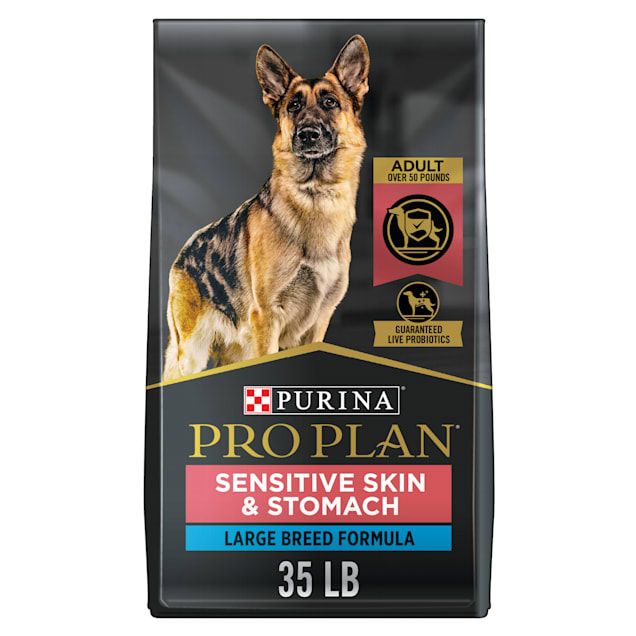
Top dog food brands for allergies focus on gentle, safe ingredients. These foods help reduce skin irritation and digestive troubles. They support dogs with sensitive skin and food allergies.
Choosing the right brand can ease your dog’s discomfort. Brands offering special formulas make a big difference. Here are key types of dog food to consider.
Limited Ingredient Diets
Limited ingredient diets use fewer ingredients to avoid allergens. They usually contain one protein and one carbohydrate source. This simplicity helps identify and avoid trigger foods.
These diets reduce the chance of allergic reactions. They are ideal for dogs with multiple sensitivities. Many top brands offer limited ingredient recipes.
Grain-free Options
Grain-free dog foods remove common allergens like wheat and corn. They use alternative carbs such as potatoes or peas. This helps dogs with grain allergies or intolerances.
Grain-free options can improve skin health and digestion. Choose brands that use natural, high-quality ingredients. This supports overall well-being and reduces flare-ups.
Hypoallergenic Formulas
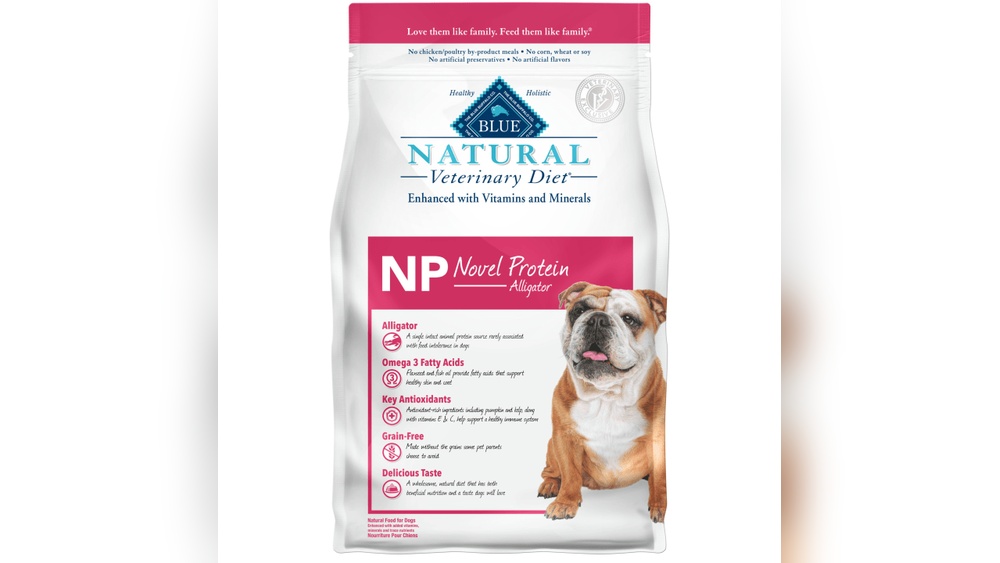
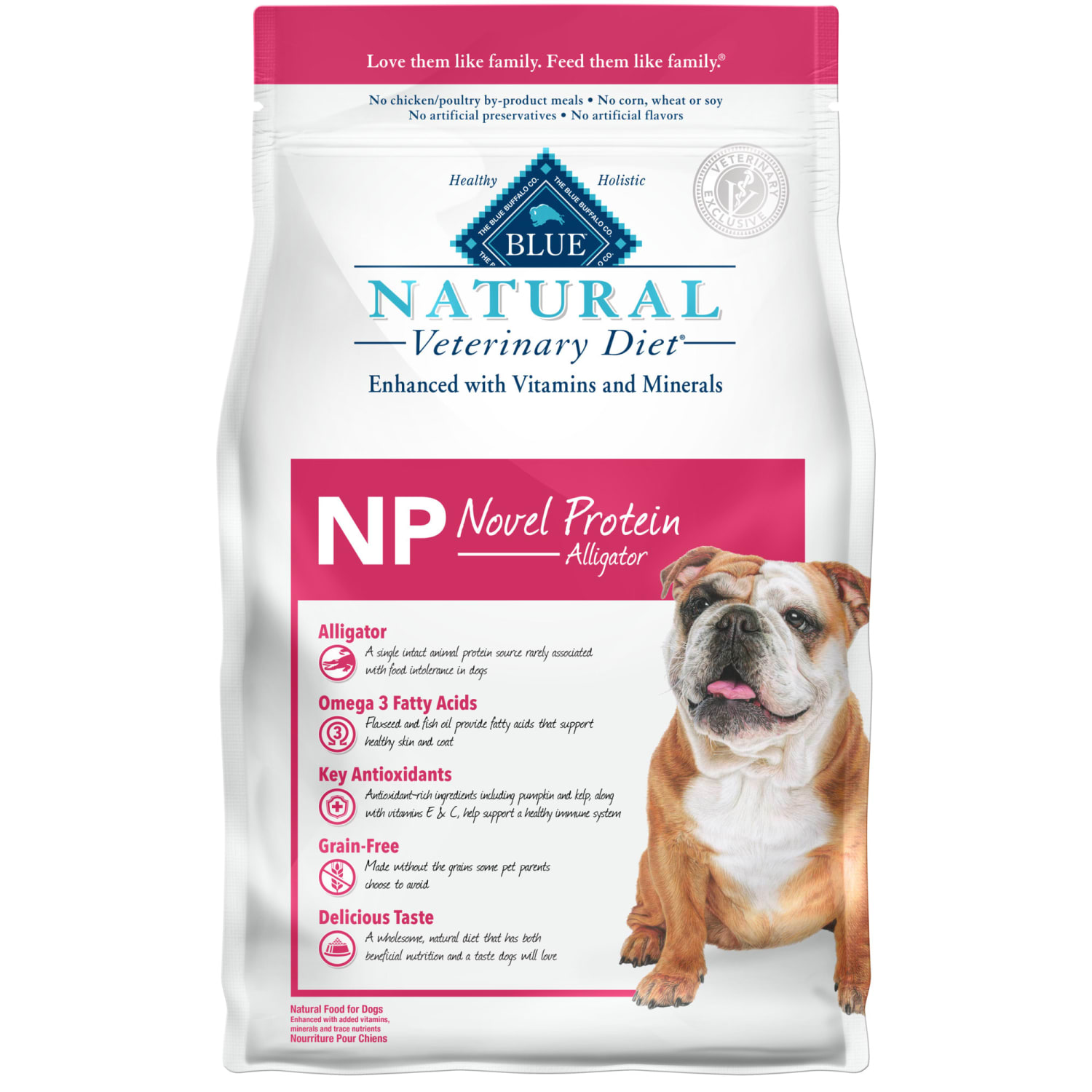
Hypoallergenic dog foods contain proteins less likely to cause allergies. Examples include hydrolyzed proteins or novel protein sources. These formulas help dogs with severe allergies.
They often come with added nutrients for skin and coat health. These foods are carefully tested for safety. Trusted brands provide clear labeling and quality control.
Credit: medsourcellc.com
Homemade Vs Commercial Dog Food
Choosing the best dog food for allergies and sensitive skin can be tricky. Many pet owners debate between homemade and commercial dog food. Both options have pros and cons. Understanding these can help you make the right choice for your dog’s health.
Benefits Of Homemade Meals
Homemade meals let you control every ingredient. You avoid artificial preservatives and fillers. You can choose fresh, natural foods that suit your dog’s allergies. Homemade food often contains fewer allergens. It allows you to tailor meals to your dog’s specific needs. This helps reduce skin irritation and allergic reactions.
Risks And Challenges
Making dog food at home requires time and knowledge. Incorrect nutrition can harm your dog’s health. Missing vitamins or minerals weakens their immune system. Preparing balanced meals every day can be hard. Cross-contamination from allergens may occur if not careful. Cooking also needs to be safe to avoid bacteria.
When To Choose Commercial Food
Commercial dog food offers convenience and balance. Many brands now focus on allergy-friendly recipes. These foods are tested for nutrients and safety. They save time and ensure your dog gets essential vitamins. Commercial options include limited ingredient formulas to reduce allergies. Ideal for busy owners or dogs needing strict diets.
Tips For Transitioning Dog Food
Switching your dog’s food needs care and patience. Dogs with allergies or sensitive skin require a smooth change. Sudden changes can upset their stomach or worsen skin issues. Follow these tips to help your dog adjust comfortably.
Gradual Switching Process
Start by mixing a small amount of the new food with the old food. Increase the new food gradually over 7 to 10 days. This slow change helps your dog’s digestive system adapt. Watch for signs of discomfort or refusal to eat.
Monitoring Reactions
Check your dog’s skin and coat daily during the switch. Look for redness, itching, or unusual shedding. Note any changes in stool or appetite. Early detection helps manage allergies and skin problems effectively.
Consulting A Veterinarian
Talk to your vet before changing foods, especially for allergic dogs. Your vet can recommend the best diet based on your dog’s needs. They can also suggest tests to find specific allergens. Professional advice ensures a safe, healthy transition.
:strip_icc()/oneplus_sensitive-c831eb0f80914383989f1ccf8b2bd528.jpeg)
Credit: opencontabilidade.com
Additional Care For Sensitive Skin
Caring for dogs with sensitive skin requires more than just the right food. Their skin needs extra attention to stay healthy and comfortable. Simple daily habits can reduce itching and irritation. Good care helps your dog feel better and look great.
Bathing And Grooming Tips
Choose gentle shampoos made for sensitive skin. Avoid harsh chemicals or strong fragrances. Bathe your dog only when necessary to keep oils natural. Use lukewarm water to prevent dryness. Brush your dog’s coat regularly to remove dirt and loose hair. Check the skin for redness or bumps during grooming.
Supplements For Skin Support
Omega-3 fatty acids help reduce inflammation and improve skin health. Fish oil supplements are a common choice. Consult your vet before starting any supplements. Vitamins like E and zinc can also support skin healing. Supplements work best combined with a balanced diet.
Environmental Management
Keep your dog’s living area clean and free of dust. Wash bedding often with mild detergents. Avoid exposure to pollen, mold, and strong chemicals. Use air purifiers if allergies are severe. Regular vacuuming helps reduce allergens in the home.
Frequently Asked Questions
What Ingredients Help Dogs With Allergies And Sensitive Skin?
Hypoallergenic ingredients like salmon, sweet potatoes, and limited proteins reduce allergic reactions. Omega-3 fatty acids soothe skin. Avoid common allergens such as wheat, corn, and soy for better skin health.
How To Choose The Best Dog Food For Sensitive Skin?
Look for grain-free, limited ingredient formulas with natural antioxidants. Check for omega fatty acids to reduce inflammation. Avoid artificial additives and fillers that may trigger allergies or irritate the skin.
Can Diet Improve My Dog’s Allergy Symptoms?
Yes, a balanced diet rich in omega-3 and omega-6 fatty acids can reduce inflammation. Limited ingredient diets help identify triggers. Proper nutrition supports skin repair and strengthens the immune system.
Are Grain-free Dog Foods Better For Allergic Dogs?
Not always, but grain-free foods reduce exposure to common allergens like wheat and corn. Some dogs benefit from grain-free diets, but always consult your vet to ensure nutritional balance.
Conclusion
Choosing the best dog food for allergies and sensitive skin helps your pet stay healthy. Foods with limited ingredients reduce the chance of reactions. Natural, gentle ingredients soothe skin and improve comfort. Always watch your dog for signs of improvement or problems.
Consult your vet to find the right diet plan. Healthy skin means a happier, more active dog. Careful food choices make a big difference every day. Your dog deserves the best care and nutrition possible.