Choosing the best food for your Pit Bull is one of the most important decisions you’ll make for their health and happiness. You want your dog to be strong, energetic, and full of life—but with so many options out there, it’s easy to feel overwhelmed.
What if the food you pick could boost your Pit Bull’s muscle strength, improve their coat, and keep them feeling great every day? Keep reading, and you’ll discover exactly what to look for in Pit Bull dog food to give your loyal companion the nutrition they deserve.
Nutritional Needs Of Pit Bulls
Pit Bulls are strong and active dogs. Their diet must support their energy and muscle health. Understanding their nutritional needs helps keep them healthy and happy. Good nutrition supports their growth, muscle strength, and overall well-being.
Protein Requirements
Protein is essential for Pit Bulls. It builds and repairs muscles. Choose dog food with high-quality meat sources. Look for chicken, beef, or fish as main ingredients. Protein supports their active lifestyle and muscle maintenance.
Essential Fats And Oils
Fats provide energy and keep skin healthy. Omega-3 and Omega-6 fatty acids are important. These fats reduce inflammation and improve coat shine. Sources like fish oil and flaxseed oil work best. Healthy fats also support brain and heart functions.
Vitamins And Minerals
Vitamins and minerals help Pit Bulls stay strong. Vitamin A supports vision and immune health. Calcium and phosphorus build strong bones and teeth. Zinc and iron aid in healing and oxygen transport. Balanced amounts keep dogs active and disease-free.
Importance Of Balanced Diet
A balanced diet meets all nutritional needs. It avoids excesses that can harm health. Proper nutrition prevents obesity and joint problems. Feeding the right food keeps Pit Bulls energetic. Balanced meals help them live longer, healthier lives.
Types Of Dog Food For Pit Bulls
Pit Bulls need the right food to stay healthy and strong. Different types of dog food offer various benefits. Choosing the best type depends on your dog’s needs and preferences.
Understanding the options helps you feed your Pit Bull well. Here are the main types of dog food for Pit Bulls.
Dry Kibble Benefits
Dry kibble is easy to store and feed. It helps keep your Pit Bull’s teeth clean. Kibble is usually affordable and lasts long. Many brands offer balanced nutrition in kibble.
Wet Food Advantages
Wet food contains more moisture than dry food. It can be tastier and easier to eat. Wet food helps keep your dog hydrated. It is good for picky eaters or older dogs.
Raw And Homemade Options
Raw and homemade meals can be very fresh and natural. You control all ingredients and avoid fillers. These options need careful preparation to be safe. They may improve coat and energy levels.
Grain-free Vs. Grain-inclusive
Grain-free food avoids wheat, corn, and soy. Some dogs digest grain-free better. Grain-inclusive food has grains like rice or oats. Grains can provide fiber and energy. Watch your dog’s reaction to choose right.
Top Ingredients To Look For
Choosing the best food for your Pit Bull means knowing what ingredients truly matter. Quality ingredients support your dog’s health, energy, and overall well-being. Some ingredients provide essential nutrients, while others may cause harm. Understanding these top ingredients helps you pick the right dog food.
High-quality Protein Sources
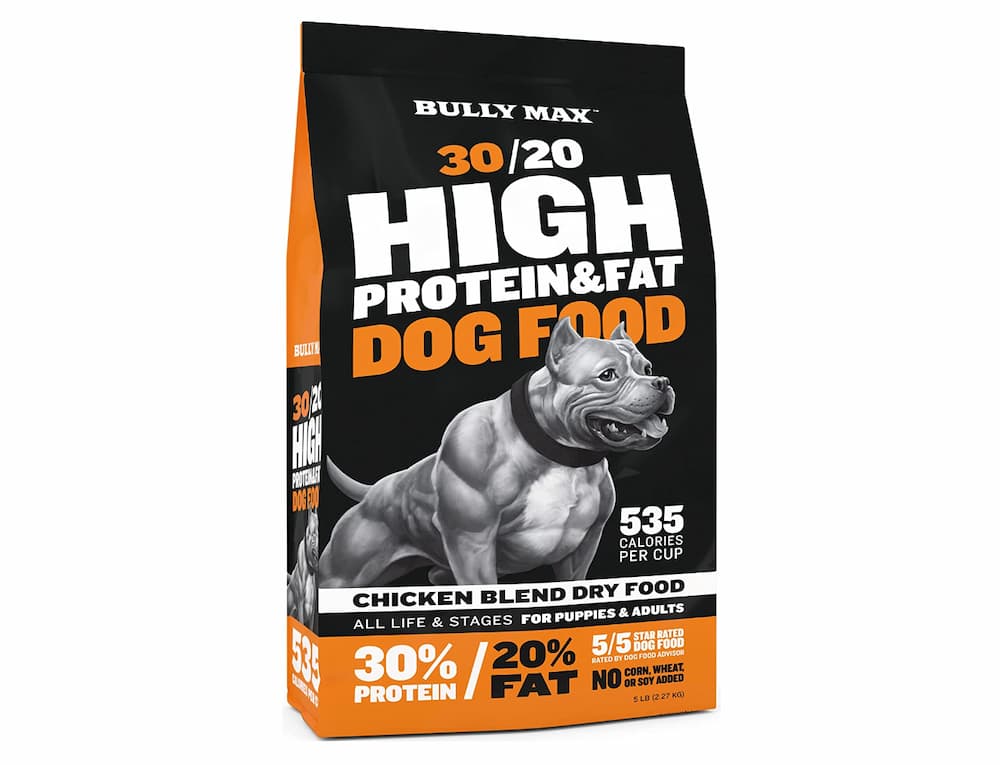
Pit Bulls need strong muscles and energy. Protein builds and repairs muscles. Look for named meats like chicken, beef, or fish. These provide complete proteins with all essential amino acids. Avoid generic terms like “meat by-product.” Real meat sources give your dog better nutrition and taste.
Healthy Carbohydrates
Carbohydrates give energy and fiber. Choose whole grains like brown rice, oats, or barley. These digest slowly, keeping your dog full longer. Some dogs do well with vegetables like sweet potatoes or peas. These carbs add vitamins and minerals too. Avoid fillers like corn or wheat, which offer little nutrition.
Natural Additives And Supplements
Natural additives support your Pit Bull’s health in many ways. Omega-3 and Omega-6 fatty acids improve skin and coat. Glucosamine and chondroitin help joint health and mobility. Probiotics boost digestion and immunity. These extras make food more beneficial and keep your dog active and happy.
Avoiding Harmful Ingredients
Some ingredients can harm your Pit Bull’s health. Avoid artificial colors, flavors, and preservatives. These may cause allergies or digestive problems. Stay away from fillers like soy, corn, and wheat. These often cause bloating or upset stomachs. Always check labels carefully for these harmful additives.
Credit: www.monasdanishbakery.com
Recommended Dog Food Brands
Choosing the right food for your Pit Bull is important. The right brand supports their health and energy. Many dog food brands offer good options tailored for Pit Bulls. Here are some of the best choices to consider.
Premium Commercial Brands
Premium brands use high-quality ingredients for balanced nutrition. These foods often include real meat and whole grains. Brands like Blue Buffalo, Wellness, and Taste of the Wild are popular. They provide essential vitamins and minerals for strong muscles. These foods help keep your Pit Bull active and healthy.
Budget-friendly Choices
Good nutrition can be affordable. Brands like Nutro and Diamond Naturals offer quality at a lower price. These options include protein sources and healthy carbohydrates. They meet basic dietary needs without extra cost. Ideal for owners on a budget but wanting good nutrition.
Specialty Diet Options
Pit Bulls with allergies or sensitivities need special diets. Grain-free or limited ingredient foods reduce digestive issues. Brands like Natural Balance and Merrick offer these formulas. They focus on simple ingredients to avoid reactions. Perfect for sensitive dogs needing gentle nutrition.
Vet-approved Formulas
Veterinarians recommend foods that support health conditions. Hill’s Science Diet and Royal Canin create vet-approved options. These formulas help with weight, joints, and skin health. They are made with precise nutrients for specific needs. A safe choice for Pit Bulls with health concerns.
Feeding Tips For Strong Pit Bulls
Feeding strong Pit Bulls requires care and attention. Their energy and muscle need the right nutrition. Proper feeding helps maintain their strength and health. Small changes in diet and routine can make a big difference. Follow these tips to support your Pit Bull’s well-being.
Portion Control And Meal Frequency
Serve your Pit Bull measured food portions. Avoid overfeeding to keep weight in check. Split meals into two or three servings each day. Consistent meal times help digestion and energy levels. Adjust portions based on your dog’s size and activity.
Adjusting Diet For Age And Activity
Puppies need more calories and nutrients for growth. Adult Pit Bulls require balanced meals for maintenance. Senior dogs benefit from lower calorie, easy-to-digest food. Increase calories on active days with play or exercise. Match food quality to your dog’s life stage.
Monitoring Weight And Health
Check your Pit Bull’s weight regularly. Look for signs of weight gain or loss. Healthy dogs have a visible waist and ribs you can feel. Consult a vet if you notice changes in appetite or energy. Keep track of health to adjust diet as needed.
Hydration Importance
Fresh water is vital for strong muscles and organs. Always provide clean water near your dog’s feeding area. Increase water intake during hot weather or after exercise. Dehydration can cause serious health problems. Encourage drinking to keep your Pit Bull hydrated.
Credit: www.dogfoodadvisor.com
Common Pit Bull Health Concerns
Pit Bulls are strong and active dogs. They need special care to stay healthy. Many Pit Bulls face common health problems. These issues affect their quality of life. Choosing the right food helps manage these concerns. Understanding these health challenges is key to proper care.
Allergies And Food Sensitivities
Allergies are common in Pit Bulls. They can cause itching, redness, and discomfort. Food sensitivities may trigger digestive upset. Grain-free diets can help reduce symptoms. Proteins like chicken or beef sometimes cause reactions. Limited ingredient foods are best for sensitive dogs. Avoid artificial additives and fillers in their diet.
Joint Health And Supplements
Pit Bulls often face joint problems. Hip dysplasia and arthritis are typical concerns. Supplements like glucosamine support joint function. Omega-3 fatty acids reduce inflammation. Foods rich in these nutrients improve mobility. Maintaining joint health helps dogs stay active longer.
Weight Management
Obesity is a serious issue for Pit Bulls. Extra weight strains their heart and joints. Balanced meals with controlled calories prevent weight gain. Regular exercise supports healthy weight. Choose dog food with proper protein and fiber levels. Avoid overfeeding to keep your dog fit.
Digestive Health
Digestive issues often affect Pit Bulls. Sensitive stomachs may cause diarrhea or vomiting. Probiotics help maintain good gut bacteria. High-quality fiber supports digestion and nutrient absorption. Select dog food with easy-to-digest ingredients. This keeps your Pit Bull comfortable and healthy.

Credit: parkavenuetavern.com
Frequently Asked Questions
What Is The Best Food For Pit Bull Puppies?
The best food for Pit Bull puppies is rich in protein and essential nutrients. Look for formulas designed for large breeds. Balanced nutrition supports growth, muscle development, and energy. Avoid fillers and artificial additives to keep your puppy healthy and strong.
How Much Should I Feed My Pit Bull Daily?
Feed your Pit Bull 2 to 3 cups of high-quality dog food per day. Divide meals into two portions to maintain energy levels. Adjust the amount based on age, weight, and activity. Consult your vet for personalized feeding guidelines.
Can Pit Bulls Eat Grain-free Dog Food?
Yes, Pit Bulls can eat grain-free dog food if they have allergies or sensitivities. Grain-free diets often contain alternative carbohydrates like sweet potatoes. Always check for balanced nutrition and consult your vet before switching diets.
What Ingredients Are Harmful To Pit Bulls?
Avoid foods with artificial preservatives, fillers, corn, soy, and by-products. Toxic ingredients include chocolate, onions, garlic, and grapes. These can cause digestive issues or serious health problems. Choose natural, whole-food ingredients for your Pit Bull’s safety.
Conclusion
Choosing the best food helps your Pit Bull stay strong and healthy. Good nutrition supports energy, shiny coat, and a happy mood. Always check ingredients for quality and balance. Feed your dog meals that fit their age and activity. Watch their weight and adjust portions as needed.
Healthy food leads to a longer, better life for your pet. Take time to find the right brand and type. Your Pit Bull will thank you with love and loyalty. Simple steps make a big difference every day.