If you’re struggling with depression or anxiety, finding the right support can make all the difference. A dog isn’t just a pet—they can be your loyal companion, a source of comfort, and even a natural mood booster.
But not every dog fits everyone’s needs. You want a friend who understands your feelings and helps you feel calmer and happier. You’ll discover the best dogs for depression and anxiety—breeds known for their loving nature, gentle temperament, and ability to bring peace to your daily life.
Keep reading to find the perfect furry companion who can brighten your darkest days.
How Dogs Help With Depression And Anxiety
Dogs offer comfort and support for people with depression and anxiety. Their presence alone can bring calm and hope. Many studies show dogs help reduce stress and improve mood. They provide companionship and a sense of purpose.
Having a dog encourages daily routines and physical activity. Walking a dog helps release feel-good chemicals in the brain. Dogs also offer non-judgmental love, which helps ease feelings of loneliness.
Emotional Support And Companionship
Dogs provide constant companionship. They listen without judgment and offer unconditional love. This helps lessen feelings of isolation and sadness. Petting a dog can lower heart rate and calm nerves. Dogs give comfort during tough emotional times.
Encouraging Physical Activity
Taking care of a dog means regular walks. Walking increases physical activity and promotes healthy habits. Exercise releases endorphins that boost mood. Dogs motivate owners to stay active every day. This routine can reduce anxiety symptoms.
Building Routine And Responsibility
Caring for a dog creates daily structure. Feeding, walking, and grooming give a sense of purpose. This routine helps people focus and stay grounded. Responsibility for a pet can improve self-esteem. It brings small, achievable goals each day.
Reducing Stress And Anxiety
Dogs sense emotions and provide comfort in distress. Their presence can lower cortisol, the stress hormone. Playing or cuddling with a dog relaxes the mind. Dogs help distract from negative thoughts. This reduces anxiety and promotes calmness.
Traits To Look For In Support Dogs
Choosing the right support dog is important for managing depression and anxiety. The dog’s traits matter a lot. The right traits help the dog provide comfort and calmness. They also make it easier to handle daily care and training. Understanding these traits helps find a dog that fits your needs and lifestyle.
Calm Temperament
A calm temperament is vital for support dogs. Dogs with calm behavior reduce stress and anxiety. They stay relaxed in noisy or busy places. These dogs do not get easily scared or aggressive. A calm dog creates a peaceful environment for its owner.
Affectionate Nature
Support dogs need to be affectionate and loving. They offer comfort with gentle touches and closeness. Affectionate dogs sense their owner’s emotions. They respond with warmth and care. This connection helps ease feelings of loneliness and sadness.
Trainability
Trainability is key for a support dog. Dogs that learn commands quickly help in stressful moments. They follow instructions calmly and reliably. Good trainability allows the dog to perform helpful tasks. It also strengthens the bond between dog and owner.
Size And Exercise Needs
Size matters when choosing a support dog. Smaller dogs are easier to carry and manage indoors. Larger dogs may need more space and exercise. Exercise needs must match the owner’s lifestyle. A dog with suitable energy levels fits better into daily routines.
Top Dog Breeds For Emotional Support
Dogs can be wonderful companions for people with depression and anxiety. Their presence offers comfort and calm. Some breeds naturally provide more emotional support. These dogs often show loyalty, patience, and a gentle nature. They help reduce stress and lift moods. Here are some top dog breeds known for their emotional support abilities.
Labrador Retriever
Labradors are friendly and very loyal. They are patient with children and adults. Their calm nature helps ease anxiety. Labs enjoy being close to their owners. They respond well to training and commands. This breed can sense emotions and offer comfort.
Golden Retriever
Golden Retrievers are gentle and loving dogs. They are very social and enjoy company. Their soft nature makes them perfect for support roles. They stay calm during stressful moments. Goldens are intelligent and easy to train. They quickly bond with their owners.
Cavalier King Charles Spaniel
This small dog is affectionate and sweet. They love to cuddle and stay close. Their calm temperament helps reduce feelings of loneliness. Cavaliers are known for their gentle, friendly behavior. They need regular attention and care. These dogs are great for quiet, peaceful homes.
Poodle
Poodles are smart and very adaptable. They come in different sizes to fit any home. Their intelligence makes training simple and fun. Poodles have a calm and friendly nature. They enjoy being near their owners at all times. Their hypoallergenic coat suits allergy sufferers.
French Bulldog
French Bulldogs are small but strong companions. They have a calm and loving personality. These dogs enjoy relaxing with their owners. They need less exercise than other breeds. Frenchies are good at sensing moods. Their playful nature helps lift spirits.
Corgi
Corgis are lively and affectionate dogs. They form strong bonds with their owners. Their cheerful attitude helps combat sadness. Corgis enjoy daily walks and playtime. They adapt well to family life. These dogs are alert and protective.
German Shepherd
German Shepherds are loyal and intelligent dogs. They provide a sense of security and calm. These dogs are highly trainable and focused. They respond well to emotional needs. German Shepherds enjoy working alongside their owners. Their protective nature offers comfort.
Shih Tzu
Shih Tzus are small, loving lap dogs. They thrive on close human contact. Their gentle nature helps reduce stress and fear. Shih Tzus are calm and quiet companions. They enjoy short walks and lots of attention. These dogs are perfect for small living spaces.

Credit: www.talenthounds.ca
Choosing The Right Breed For Your Lifestyle
Choosing the right dog breed for your lifestyle helps manage depression and anxiety better. A good match creates comfort and reduces stress. Consider your living situation, energy, and health needs. This ensures a happy life for you and your dog.
Living Space Considerations
Size matters. Small breeds fit well in apartments or small homes. Large dogs need more space to move freely. Quiet neighborhoods suit calm dogs. Busy areas may stress sensitive breeds. Think about your home before choosing a dog.
Activity Levels
Dogs need exercise, but not all breeds need the same amount. Some dogs love long walks and playtime. Others prefer short, gentle strolls. Match the dog’s energy to your daily routine. This keeps both of you healthy and happy.
Allergy-friendly Options
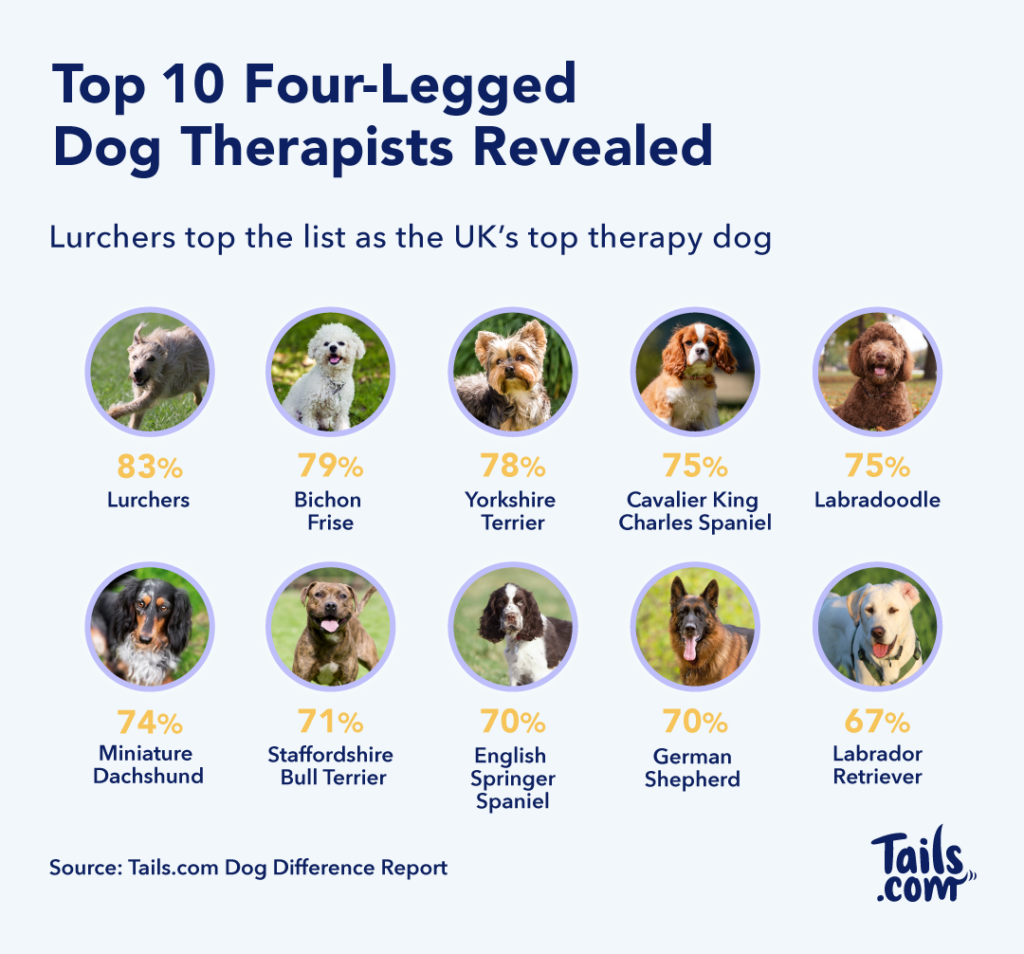
Allergies affect many people. Some dog breeds shed less and cause fewer allergies. Breeds like Poodles and Bichon Frises are good choices. Regular grooming also reduces allergens. Choose a breed that fits your health needs.
Training Tips For Support Dogs
Training a support dog is key to help manage depression and anxiety. A well-trained dog can offer comfort and stability. It also makes daily life easier for both the dog and owner.
Start training early and keep sessions short. Use clear commands and positive rewards. Patience and consistency build trust and good habits.
Basic Obedience
Teach simple commands like sit, stay, come, and heel. These commands help control the dog in stressful situations. Basic obedience also strengthens the bond between you and your dog. Practice these commands daily in different places.
Socialization
Expose your dog to various people, animals, and environments. Socialization reduces fear and aggression. It helps your dog stay calm in public or busy places. Start with quiet areas and gradually increase distractions. Reward calm behavior to encourage good manners.
Recognizing Anxiety Triggers
Observe your dog’s behavior closely. Notice signs of stress like barking, pacing, or hiding. Identify what causes these reactions. It could be loud noises, crowds, or sudden movements. Training your dog to stay calm during triggers improves their support ability. Use gentle commands and treats to comfort them.
Credit: opencontabilidade.com
Other Ways Dogs Aid Mental Health
Dogs do more than offer comfort during tough times. They support mental health in many ways. Their presence can bring structure, movement, and social moments to daily life. These aspects help manage depression and anxiety effectively.
Routine And Responsibility
Having a dog means setting a daily schedule. Feeding, walking, and grooming happen at regular times. This routine helps create a sense of purpose. It reduces feelings of chaos or uncertainty. Taking care of a dog makes owners feel needed and valued.
Physical Activity
Dogs need exercise to stay healthy. This need encourages owners to move more too. Walking or playing with a dog increases physical activity daily. Exercise releases chemicals in the brain that lift mood. It also lowers stress and improves sleep quality.
Social Interaction
Dogs act as social bridges. They make it easier to talk with neighbors or other dog owners. These small conversations build social connections. Feeling part of a community helps reduce loneliness. Social support plays a key role in mental wellness.

Credit: www.bphope.com
Frequently Asked Questions
Which Dog Breeds Help With Depression And Anxiety?
Breeds like Labrador Retrievers, Golden Retrievers, and Poodles are great for depression and anxiety. They offer companionship, calmness, and emotional support, helping reduce stress and loneliness effectively.
How Do Dogs Reduce Anxiety Symptoms?
Dogs provide comfort through physical touch and companionship. Their presence lowers cortisol levels and boosts serotonin, improving mood and reducing anxiety symptoms naturally.
What Size Dog Is Best For Anxiety Sufferers?
Medium to large dogs, like Labradors or Golden Retrievers, are ideal. Their calm demeanor and affectionate nature provide emotional support without overwhelming anxiety sufferers.
Can Therapy Dogs Improve Mental Health?
Yes, therapy dogs are trained to offer emotional support. They help reduce stress, improve mood, and increase social interaction for people with depression and anxiety.
Conclusion
Choosing the right dog can brighten your days and ease your mind. Dogs offer comfort, love, and calm during tough times. Each breed has unique traits that help with anxiety and depression. Small or large, active or calm, a dog can fit your lifestyle.
Remember, a pet needs care and attention every day. The bond you build brings hope and happiness. A loyal dog stands by you, lifting your spirits. Find a friend who understands and supports your journey.