If your dog struggles with intestinal problems, you know how tough it can be to see them uncomfortable or in pain. Choosing the right food is one of the most important steps you can take to help your furry friend feel better fast.
But with so many options out there, how do you find the best dog food that truly supports your pet’s digestive health? You’ll discover simple, effective choices that can ease your dog’s tummy troubles and keep them happy and active.
Keep reading to learn how the right nutrition can make all the difference for your dog’s well-being.
Credit: www.carpediemgoa.com
Causes Of Intestinal Issues In Dogs
Intestinal problems in dogs can arise from many different causes. Knowing the main reasons helps in choosing the best food and care. Dogs with digestive issues need special attention to avoid pain and discomfort.
Understanding these causes makes it easier to spot problems early. It also helps in selecting dog food that supports gut health and reduces symptoms.
Common Digestive Disorders
Dogs often face digestive disorders like diarrhea, constipation, and vomiting. These problems may stem from infections, parasites, or inflammation. Chronic conditions like inflammatory bowel disease also affect the intestines. Such disorders disrupt nutrient absorption and cause discomfort.
Food Allergies And Sensitivities
Some dogs react badly to certain ingredients in their food. Common allergens include beef, dairy, wheat, and chicken. These allergies cause itching, swelling, and digestive upset. Food sensitivities can lead to bloating, gas, and loose stools. Identifying and avoiding these foods helps improve gut health.
Impact Of Stress And Environment
Stress affects a dog’s digestive system strongly. Changes in routine, loud noises, or new places cause stress. This can lead to diarrhea or loss of appetite. Environmental factors like dirty water or spoiled food also cause issues. A calm and clean environment supports better digestion.
Key Nutrients For Gut Health
Good gut health is key for dogs with intestinal problems. The right nutrients help soothe the digestive system and improve nutrient absorption. Choosing dog food with specific ingredients supports a healthy gut environment. Understanding these key nutrients helps pet owners make the best diet choices.
Fiber Types And Benefits
Fiber plays a major role in digestive health. Soluble fiber absorbs water and forms a gel, which slows digestion. This helps ease diarrhea and keeps stool firm. Insoluble fiber adds bulk to stool and speeds up digestion. It helps prevent constipation and promotes regular bowel movements. Both fiber types support healthy gut bacteria and improve overall digestion.
Probiotics And Prebiotics
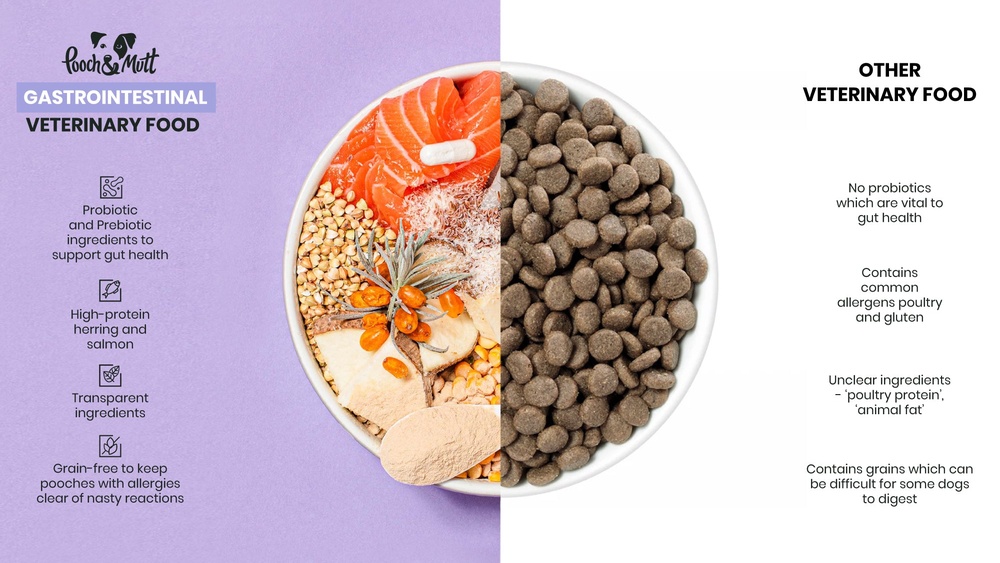
Probiotics are good bacteria that balance the gut flora. They improve digestion and boost the immune system. Prebiotics are fibers that feed these helpful bacteria. Together, they maintain a healthy gut environment. Including probiotics and prebiotics in dog food supports recovery from intestinal issues.
Essential Vitamins And Minerals
Vitamins and minerals support gut repair and function. Vitamin A helps heal the intestinal lining. Zinc supports immune health and tissue repair. B vitamins aid in energy production and digestion. A balanced mix of these nutrients strengthens the digestive tract and helps dogs feel better.
Top Ingredients To Look For
Choosing the best dog food for intestinal problems means focusing on the right ingredients. These ingredients support your dog’s digestion and reduce stomach issues. Quality matters more than quantity. Ingredients that are gentle on the stomach and easy to absorb help your dog feel better faster. Here are some key ingredients to consider.
Easily Digestible Proteins
Proteins should be simple for your dog’s body to break down. Chicken, turkey, and fish often work well. These proteins cause less irritation in the gut. Hydrolyzed proteins are a great option. They are broken down into tiny pieces to avoid immune reactions. Avoid proteins that are hard to digest, like beef or lamb. They can worsen intestinal problems.
Grain-free Vs. Grain-inclusive Options
Grains sometimes cause stomach upset in dogs. Grain-free foods remove wheat, corn, and soy. Instead, they use potatoes, peas, or lentils. These can be easier to digest. Some dogs do well with grains like rice or oats. These grains are gentle and add fiber. Choose based on your dog’s tolerance and vet advice. Fiber helps keep digestion smooth.
Natural Additives And Supplements
Probiotics are good bacteria that help balance the gut. They improve digestion and reduce inflammation. Prebiotics feed these good bacteria. Look for natural sources like chicory root. Omega-3 fatty acids reduce gut swelling. Fish oil is a popular source. Digestive enzymes also help break down food better. These additives support healing and comfort.
Best Dog Food Brands For Intestinal Health
Choosing the right dog food is key to supporting intestinal health. The best dog food brands focus on gentle ingredients that aid digestion. They help reduce symptoms like diarrhea and gas. These brands use high-quality proteins and added fiber. These foods also avoid common irritants like artificial colors and fillers. Picking the right brand can improve your dog’s comfort and nutrient absorption.
Premium Vet-recommended Brands
Vet-recommended brands offer formulas made with care. These foods often contain prebiotics and probiotics. They support good gut bacteria and digestion. Brands like Hill’s Prescription Diet and Royal Canin are popular. These companies test their foods thoroughly for safety. Their products help manage intestinal issues effectively. Many vets suggest these for dogs with sensitive stomachs.
Budget-friendly Healthy Choices
Quality dog food does not always mean high cost. Several budget-friendly brands provide good nutrition for digestion. Look for foods with simple ingredients and added fiber. Brands like Blue Buffalo Basics and Natural Balance offer affordable options. These foods avoid fillers that upset the gut. They keep your dog healthy without breaking the bank.
Specialty Diets And Prescription Foods
Some dogs need special diets to heal their intestines. Prescription foods are designed for these needs. They contain hydrolyzed proteins or novel ingredients. These reduce allergic reactions and improve digestion. Brands like Purina Pro Plan Veterinary Diets provide these options. Always consult a vet before starting a prescription diet. These foods help dogs recover from chronic intestinal problems.
Homemade And Alternative Diets
Homemade and alternative diets offer gentle options for dogs with intestinal problems. These diets let you control every ingredient, avoiding additives that may upset your dog’s stomach. Cooking meals at home or choosing specific foods helps manage digestion and improve gut health. Careful planning ensures your dog gets all needed nutrients without triggers.
Balanced Homemade Meal Ideas
Start with lean proteins like chicken, turkey, or fish. Add well-cooked vegetables such as carrots, pumpkin, or green beans. Include a small portion of rice or sweet potatoes for easy digestion. Use plain ingredients without spices or sauces. Mix in a dog-safe vitamin or supplement to keep meals complete. Prepare fresh meals daily or store safely for later use.
Raw And Limited Ingredient Diets
Raw diets focus on uncooked meats, bones, and some vegetables. This approach mimics a dog’s natural eating habits. Limited ingredient diets reduce the number of foods to minimize allergic reactions. Both diets can reduce digestive upset and inflammation. Choose high-quality, fresh ingredients. Monitor your dog closely for any signs of intolerance.
Consulting A Vet For Custom Plans
Every dog’s needs differ. A vet can help design a diet tailored to your dog’s health. They may recommend tests to find food sensitivities. Vets provide guidance on balanced nutrition and supplements. Professional advice ensures safety and effectiveness. Regular check-ups track your dog’s progress and adjust meals as needed.

Credit: wefeedraw.com
Feeding Tips For Sensitive Stomachs
Feeding dogs with sensitive stomachs requires special care. Proper feeding helps reduce discomfort and supports digestion. Small changes in feeding habits improve your dog’s gut health.
Meal Frequency And Portion Control
Feed your dog smaller meals more often each day. This helps avoid overloading the stomach. Smaller portions are easier to digest and reduce nausea. Divide the daily food amount into three or four meals. Stick to a regular feeding schedule for best results.
Transitioning To New Foods
Change your dog’s diet slowly over 7 to 10 days. Mix increasing amounts of new food with old food. Sudden food changes can cause diarrhea or vomiting. Watch your dog closely during this time. Stop switching foods if any stomach issues appear.
Monitoring And Adjusting Diet
Keep track of your dog’s reactions to different foods. Note any vomiting, diarrhea, or changes in appetite. Adjust the diet based on these signs. Consult your vet if problems continue. Regular monitoring helps find the best diet for your dog’s sensitive stomach.

Credit: wefeedraw.com
Frequently Asked Questions
What Ingredients Help Dogs With Intestinal Problems?
Ingredients like pumpkin, sweet potato, and fiber-rich grains aid digestion. Probiotics and prebiotics support gut health. Avoid artificial additives and fillers that may irritate the intestines.
How To Choose The Best Dog Food For Sensitive Stomachs?
Select dog food with limited ingredients, high digestibility, and added probiotics. Look for hypoallergenic formulas and avoid common allergens like corn or soy.
Can Homemade Dog Food Improve Intestinal Health?
Yes, homemade meals with lean proteins, vegetables, and rice can soothe digestion. Consult a vet for balanced recipes and avoid harmful ingredients like onions.
Are Grain-free Diets Better For Dogs With Intestinal Issues?
Grain-free diets can help some dogs but aren’t always necessary. Consult your vet to determine if grains trigger your dog’s symptoms.
Conclusion
Choosing the right food helps ease your dog’s tummy troubles. Gentle ingredients support digestion and comfort. Always check labels for fiber and protein quality. Consult your vet to find the best option. Feeding your dog well aids their health and happiness.
Small changes can bring big relief. Care and patience make a difference every day. Keep your dog’s belly happy with smart food choices.