

Have you ever wondered how to train an emotional support dog to truly help you feel calm and safe? Your emotional support dog isn’t just a pet—they’re your partner in managing stress, anxiety, or tough days.
But how do you make sure your dog understands its special role? Training your emotional support dog the right way can create a bond that changes your life. You’ll discover simple, effective steps to teach your dog the skills and behaviors that bring comfort when you need it most.
Keep reading, and learn how to turn your furry friend into the support system you deserve.
Choosing The Right Dog
Choosing the right dog is the first step to training an emotional support dog. The dog must fit your lifestyle and emotional needs. Picking a dog with the right traits helps build a strong bond. This bond is key to effective support and training.
Traits That Suit Emotional Support
Look for a dog that is calm and gentle. They should be friendly to people and other animals. Patience is important, especially in busy or noisy places. The dog should enjoy being close to you. A strong desire to please makes training easier. Avoid overly shy or aggressive dogs.
Breed Considerations
Some breeds are naturally better for emotional support. Small to medium dogs often suit indoor living well. Breeds like Labradors, Golden Retrievers, and Cavalier King Charles Spaniels are popular. These dogs tend to be calm and loyal. Mixed breeds can also be great choices. Think about the dog’s energy level and grooming needs.
Age And Temperament
Adult dogs with stable temperaments work well. Puppies need more training and patience. Older dogs might have less energy but can be very calm. Temperament tests help assess how the dog reacts to stress. Choose a dog that stays relaxed and trusts people easily. This makes training smoother and support stronger.
Credit: www.servicedogcertifications.org
Basic Obedience Training
Basic obedience training is the foundation for a well-behaved emotional support dog. It helps your dog understand what you expect. This training builds trust and makes daily life easier. Teaching simple commands improves communication between you and your dog. It also keeps your dog safe in different situations.
Start training early. Keep sessions short and fun. This keeps your dog interested and eager to learn.
Essential Commands
Teach commands like sit, stay, come, and down. These are the building blocks for good behavior. Your dog learns to listen and follow your instructions. Essential commands help control your dog in public or at home. They also create a calm and secure environment for you both.
Positive Reinforcement Techniques
Reward your dog with treats, praise, or play. Positive reinforcement encourages good behavior. Dogs repeat actions that get rewards. Avoid punishment; it can cause fear and confusion. Use clear signals and reward immediately. This helps your dog connect the command with the reward.
Consistency And Patience
Train regularly and keep commands the same. Consistency helps your dog understand what is expected. Be patient; learning takes time. Some dogs learn faster than others. Celebrate small progress and stay calm during setbacks. A patient approach builds a strong bond and lasting results.
Socialization Skills
Training socialization skills is key for an emotional support dog. Socialization helps dogs stay calm and friendly in many situations. It builds their confidence and reduces fear or anxiety. Well-socialized dogs adapt better to new places and people. This training makes them reliable companions.
Exposure To Different Environments
Introduce your dog to various places early. Parks, busy streets, quiet homes, and stores work well. Let the dog explore each area calmly. Use treats and praise to create positive feelings. Changing environments helps dogs handle new sights and sounds. This practice reduces stress in unfamiliar spots.
Interacting With People And Animals
Teach your dog to meet new people gently. Include children, adults, and seniors in training. Allow the dog to greet other friendly dogs too. Keep interactions short and positive at first. Use calm tones and rewards to encourage good behavior. Friendly meetings build trust and social skills.
Handling Stressful Situations
Prepare your dog for loud noises or crowded places. Start with small challenges and increase difficulty slowly. Practice staying calm during busy events or sudden sounds. Use comforting words and treats to soothe your dog. This training helps dogs stay steady under pressure.

Credit: www.pawbypawdogtraining.com
Specialized Emotional Support Training
Training an emotional support dog requires special skills and techniques. These dogs need to understand and respond to their owner’s feelings. The training focuses on building strong bonds and teaching behaviors that help reduce anxiety and stress.
Specialized emotional support training helps dogs become calm and reliable companions. It involves recognizing emotional signs, offering comfort, and meeting unique needs. Each step makes the dog more helpful and supportive in everyday life.
Recognizing Emotional Cues
Dogs learn to notice changes in their owner’s mood. They watch body language, tone of voice, and facial expressions. Training teaches dogs to respond quickly to signs of distress or anxiety.
This skill helps dogs act before the owner feels overwhelmed. They may nudge, stay close, or offer gentle contact. Recognizing emotional cues is key for effective support.
Calming And Comforting Behaviors
Emotional support dogs learn to provide calm and comfort. They might sit quietly nearby or rest their head on the owner. Training encourages gentle licking or pawing as soothing actions.
These behaviors reduce stress and create a sense of safety. Dogs practice staying calm in noisy or crowded places. This helps owners feel secure in many situations.
Training For Specific Needs
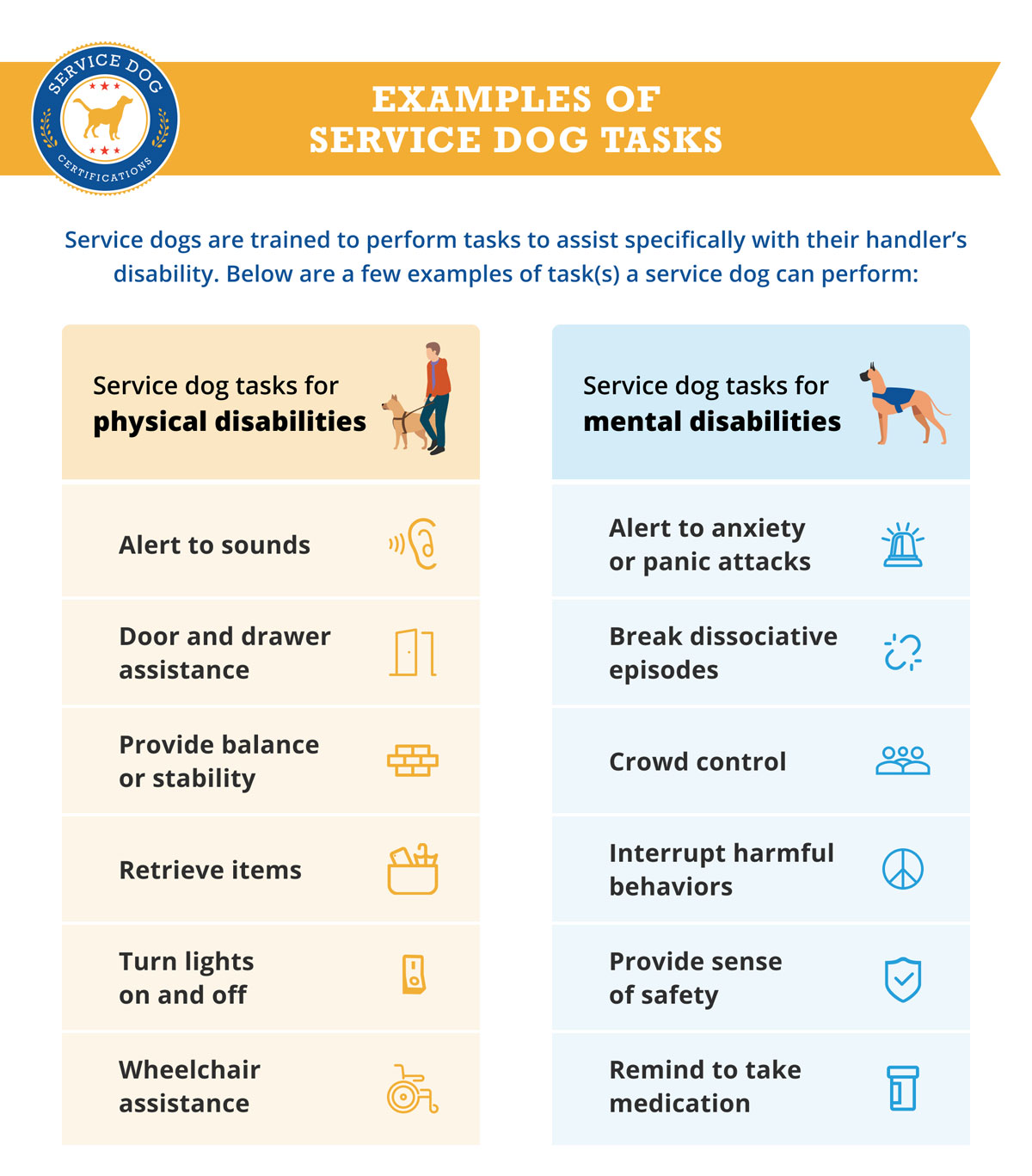
Each person has different emotional support needs. Training adapts to these unique requirements. For example, dogs may learn to interrupt panic attacks or remind owners to take medicine.
Some dogs are trained to guide owners away from stressful areas. Others provide warmth during moments of sadness. Tailoring training ensures the dog offers the right kind of support.
Legal Requirements And Certification
Training an emotional support dog involves more than basic obedience. Legal requirements and certification play a key role. Understanding these rules helps ensure your dog is recognized and protected.
Knowing the law protects your rights and your dog’s place in public spaces. Proper documentation shows that your dog is a legitimate support animal. This section explains the essential legal steps for training your emotional support dog.
Understanding Esa Laws
Emotional support animals (ESAs) have legal protections under certain laws. The Fair Housing Act (FHA) allows ESAs in housing without extra fees. The Air Carrier Access Act used to allow ESAs to fly free, but recent changes limit this.
ESAs do not require special training like service dogs. They provide comfort through their presence. Knowing these laws helps you follow the right process and avoid issues.
Obtaining Proper Documentation
A valid ESA letter from a licensed mental health professional is essential. This letter states you have a mental or emotional disability. It also explains how your dog helps you cope.
The letter must be current and include the professional’s contact details. Keep this documentation handy for landlords and airlines. Without it, your dog may not be recognized legally.
Travel And Housing Rights
Under the Fair Housing Act, landlords must allow ESAs even in no-pet housing. They cannot charge pet fees for emotional support animals. Airlines have stricter rules; many now treat ESAs as pets.
Check airline policies before traveling. Carry your ESA letter and follow all rules. Knowing your rights helps avoid surprises and stress during travel or housing situations.
Maintaining Training Over Time
Training an emotional support dog does not end after the initial lessons. Maintaining their training over time is essential to keep their skills sharp. Consistent effort helps your dog stay responsive and calm in different situations. This section covers key ways to keep training effective for your emotional support dog.
Regular Practice Sessions
Short, daily practice sessions work best. These sessions refresh your dog’s memory and reinforce good behavior. Keep training fun and positive to hold their interest. Use simple commands and reward your dog often. Consistency is the key to success here.
Monitoring Behavioral Changes
Watch your dog closely for any changes in behavior. Notice signs of stress, anxiety, or distraction. Early detection helps address issues before they become bigger problems. Keep a journal to track your dog’s progress and mood. Sharing this with a trainer or vet can be very helpful.
Adjusting Training Techniques
Your dog might respond differently as they grow older. Change your training methods to suit their current needs. Use new commands or rewards that match their motivation. Adapt to their energy levels and learning pace. Flexibility in training keeps your dog engaged and well-behaved.
Common Challenges And Solutions
Training an emotional support dog comes with its own set of challenges. These hurdles can slow progress or cause frustration. Recognizing common problems helps trainers find better solutions. Patience and consistency remain key throughout the process.
Dogs may face distractions during training that break their focus. Managing anxiety or aggression is crucial for safety and success. Sometimes, professional help becomes necessary to guide both dog and owner. Each challenge has practical steps that improve training outcomes.
Dealing With Distractions
Distractions can make your dog lose attention quickly. Start training in quiet, familiar places. Gradually add distractions like noise or other people. Use treats and praise to keep your dog focused. Short sessions work best to maintain interest. Avoid scolding if your dog gets distracted. Be calm and redirect their focus gently. Consistency helps your dog learn to ignore distractions over time.
Addressing Anxiety Or Aggression
Some dogs may show fear or aggression during training. Watch for signs like growling, barking, or cowering. Never punish anxious or aggressive behavior. Instead, create a calm and safe environment. Use slow, positive exposure to triggers that cause stress. Reward calm behavior with treats and affection. Teach your dog to relax with commands like “sit” or “stay.” If aggression worsens, stop training and seek advice.
Seeking Professional Help
Professional trainers offer valuable support for tough problems. They understand dog behavior and training techniques. A trainer can tailor a plan specific to your dog’s needs. Look for trainers with experience in emotional support dogs. Group classes or private sessions both work well. Professionals help with behavior issues and build confidence. Getting help early can save time and reduce stress.

Credit: www.offleashk9training.com
Frequently Asked Questions
How Do You Start Training An Emotional Support Dog?
Begin with basic obedience training like sit, stay, and come. Use positive reinforcement techniques such as treats and praise. Consistency and patience are key. Socialize your dog gradually to various environments. This builds trust and prepares your dog to provide effective emotional support.
What Behaviors Should An Emotional Support Dog Learn?
An emotional support dog should learn calmness, gentle interaction, and basic commands. They must remain calm during stressful situations. They should not exhibit aggressive or overly excitable behavior. Training should focus on reliability and emotional stability to support the handler effectively.
How Long Does Emotional Support Dog Training Take?
Training duration varies but generally takes several weeks to months. Consistent daily practice accelerates progress. Some dogs learn faster based on temperament and previous training. Regular reinforcement is essential to maintain skills. Tailor training to your dog’s specific emotional support needs.
Can Anyone Train Their Dog As An Emotional Support Animal?
Yes, anyone can train their dog as an emotional support animal. However, it requires commitment, patience, and understanding of the dog’s needs. Professional guidance can improve training quality. The dog must be well-behaved, calm, and responsive to provide effective emotional support.
Conclusion
Training an emotional support dog takes time and patience. Start with basic commands and gentle praise. Consistency helps your dog learn better and faster. Focus on calm behavior and social skills daily. Remember, small steps lead to big progress. Your bond grows stronger with every training session.
A well-trained dog can provide comfort and support. Stay positive and enjoy the journey together.


