Are you wondering if it’s okay to feed your puppy adult dog food? You’re not alone.
Many pet owners face this question and want to make sure they’re giving their furry friend the right nutrition. Feeding your puppy the wrong food can affect their growth, energy, and overall health. But how do you know what’s best?
Keep reading to find out why choosing the right food matters and what you should consider before making the switch. Your puppy’s well-being depends on it!
Puppy Vs Adult Dog Food
Puppies and adult dogs have different needs. Their food reflects this. Choosing the right food helps your puppy grow strong and healthy.
Puppy food supports fast growth and energy. Adult dog food focuses on maintenance and health. Understanding these differences helps you feed your puppy well.
Nutritional Differences
Puppy food has more protein and fat. These nutrients help build muscles and support brain growth. Adult dog food has less protein and fat to prevent weight gain.
Puppy food also includes extra vitamins and minerals. These help with bone development and immunity. Adult dog food has balanced nutrients for ongoing health.
Calorie Needs
Puppies need more calories. Their bodies use energy quickly for growth and play. Adult dogs need fewer calories to stay fit and avoid obesity.
Feeding adult dog food to puppies may not provide enough calories. This can slow their growth and weaken their energy.
Growth Requirements
Puppies grow fast. They need food that supports this rapid change. Special nutrients in puppy food help bones and organs develop properly.
Adult dog food does not support fast growth. Feeding it to puppies may cause health problems. Puppies need food made for their growing bodies.
Credit: www.gallant.com
Risks Of Feeding Adult Food To Puppies
Feeding adult dog food to puppies can cause serious problems. Puppies need special nutrients to grow strong and healthy. Adult dog food does not meet these needs. This section explains the main risks of feeding adult food to puppies.
Nutrient Deficiencies
Puppies need more protein, fat, and vitamins than adult dogs. Adult food often lacks these nutrients. Missing nutrients can slow puppy growth. Their bones and muscles may not develop well. This can lead to weak puppies with health problems.
Digestive Issues
Puppy stomachs are sensitive. Adult dog food can be hard to digest. This may cause diarrhea, vomiting, or stomach pain. Poor digestion can stop puppies from absorbing nutrients. Puppies may lose weight or become weak.
Long-term Health Effects
Feeding adult food to puppies over time harms their health. Poor nutrition can cause joint problems later in life. Puppies may develop obesity or heart issues. Healthy growth requires proper food during puppyhood. The wrong diet can affect a dog for years.
When Adult Food Might Be Appropriate
Sometimes, feeding adult dog food to a puppy may be the right choice. Not all puppies need the same diet. Their needs can change due to health or advice from a vet. Understanding these situations helps you make better feeding decisions.
Choosing the right food supports your puppy’s growth and overall health. Let’s explore when adult dog food might be suitable.
Special Health Conditions
Some puppies have unique health problems. These conditions might require different nutrition than usual puppy food offers. Adult dog food may have specific nutrients that help manage these issues.
For example, puppies with certain allergies or digestive problems might do better with adult formulas. These foods can be gentler or have fewer ingredients that cause problems.
Veterinarian Recommendations
Vets know what is best for your puppy’s health. They may suggest adult dog food for special cases. This advice is based on careful examination and understanding of your puppy’s needs.
Following a vet’s guidance ensures your puppy gets the right nutrients. Never change your puppy’s diet without talking to a veterinarian first.
Credit: blog.justfoodfordogs.com
Transitioning Between Puppy And Adult Food
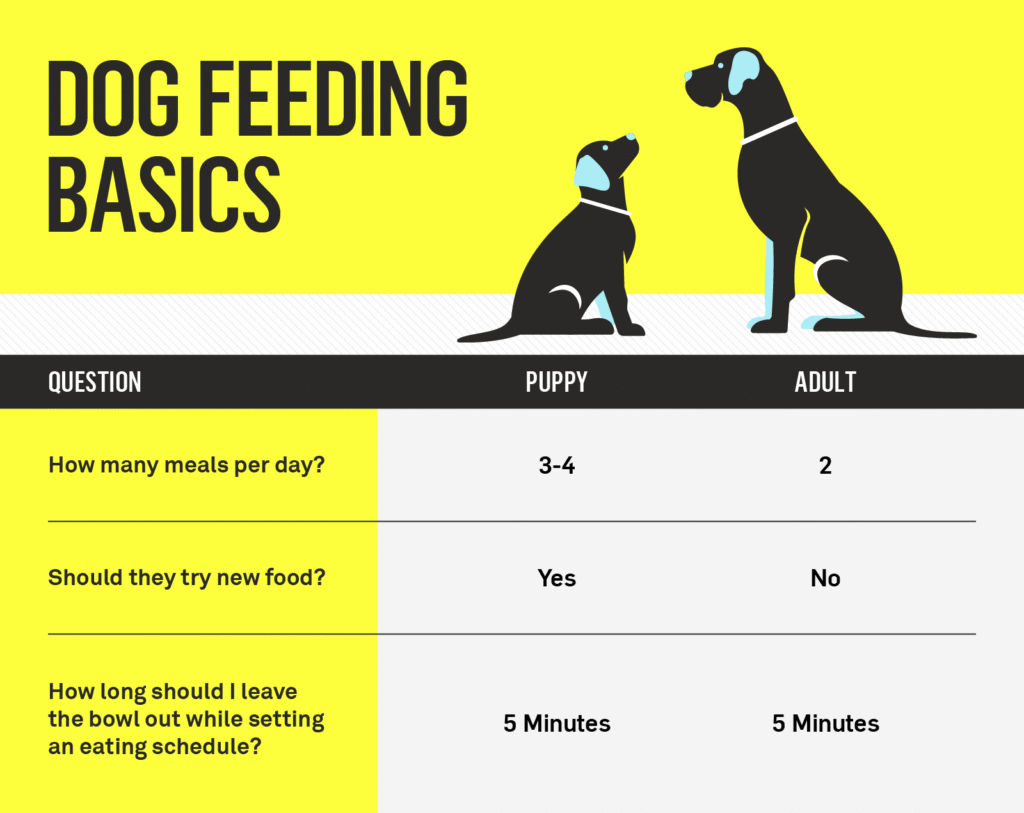
Transitioning your puppy from puppy food to adult dog food is an important step. This change supports their growth and health. Puppies need different nutrients than adult dogs. Making the switch at the right time helps keep your dog healthy. A smooth transition avoids stomach problems and picky eating habits.
Timing The Switch
Puppies usually switch to adult food between 9 and 12 months old. Smaller breeds can change earlier. Larger breeds may need puppy food longer. Check your vet’s advice for your dog’s breed and size. Changing too soon may cause nutrition gaps. Waiting too long can lead to weight gain.
Gradual Transition Tips
Change your puppy’s food slowly over 7 to 10 days. Start by mixing 25% adult food with 75% puppy food. Increase adult food amount each day. Watch your puppy for any stomach upset. If your dog shows signs of diarrhea or vomiting, slow down the change. This method helps your puppy’s digestive system adjust smoothly.
Choosing The Right Food For Your Puppy
Feeding your puppy the right food is very important for healthy growth. Puppies need more nutrients than adult dogs. Their food must support strong bones, muscles, and a good immune system.
Adult dog food does not have the right balance of nutrients for puppies. Choosing a food made for puppies helps ensure they get what they need to grow well.
Reading Labels
Look at the food labels carefully. Check if the food says it is for puppies. The label should list proteins, fats, vitamins, and minerals. These nutrients must be enough to support puppy growth.
Make sure the food meets AAFCO standards for puppies. This means it has the right nutrients for young dogs. Avoid foods that only say “for all life stages” without specific puppy nutrition.
Quality Ingredients
Good puppy food has real meat as the first ingredient. Avoid foods with too many fillers like corn or wheat. These do not give much nutrition.
Look for added vitamins and minerals like calcium and DHA. These help your puppy’s brain and bones develop well. Natural ingredients are better for your puppy’s health.
Brand Reputation
Choose brands known for quality pet food. Trusted brands test their food for safety and nutrition. Check reviews and ask your vet for advice.
A reliable brand uses good ingredients and follows strict quality control. This helps keep your puppy healthy and happy.
Homemade Alternatives And Supplements
Feeding your puppy adult dog food is a common question for many pet owners. Some choose homemade meals and supplements instead. Homemade food lets you control ingredients and quality. It also helps avoid preservatives and fillers found in some commercial foods.
Creating homemade meals means you provide fresh, natural nutrition. You can tailor meals to your puppy’s needs. Still, puppies require specific nutrients to grow strong and healthy. Understanding how to balance homemade meals is crucial.
Balanced Homemade Meals
A balanced homemade meal includes protein, carbs, fats, vitamins, and minerals. Proteins from chicken, beef, or fish help build muscles. Carbohydrates like rice or sweet potatoes provide energy. Healthy fats support brain development and skin health.
Vegetables such as carrots or peas add fiber and vitamins. Avoid onions, garlic, and foods toxic to dogs. Measure portions carefully to maintain proper weight. Consult your vet to ensure meals meet your puppy’s growth needs.
Adding Necessary Nutrients
Puppies need extra calcium and phosphorus for strong bones. These nutrients are often low in homemade meals. Supplements like fish oil, vitamin E, and zinc improve coat and immune health. A puppy multivitamin can fill gaps in nutrition.
Mix supplements into food daily. Avoid overdosing to prevent health problems. Regular vet checkups help monitor growth and adjust diet. Proper nutrition supports a happy, healthy puppy life.
Credit: www.acanapetfoods.co.uk
Frequently Asked Questions
Is It Safe To Feed Puppies Adult Dog Food?
Feeding puppies adult dog food is not ideal. Adult formulas lack essential nutrients for growth. Puppies need more protein, fat, and calories. Using adult food may stunt development and cause health issues. Always choose puppy-specific food for balanced nutrition during early stages.
What Happens If A Puppy Eats Adult Dog Food?
If a puppy eats adult dog food occasionally, it’s usually fine. However, regular feeding can cause nutrient deficiencies. Puppies may experience slower growth and weaker immune systems. Adult food doesn’t support their high energy and developmental needs. Consult a vet if unsure.
When Should I Switch My Puppy To Adult Dog Food?
Switch your puppy to adult dog food around 12 months old. Large breeds may need up to 18 months before switching. The transition should be gradual over 7-10 days to avoid digestive upset. Follow your veterinarian’s advice for the best timing.
Can Adult Dog Food Meet A Puppy’s Nutritional Needs?
Adult dog food cannot fully meet a puppy’s nutritional needs. Puppy formulas have higher protein, fat, and vitamins to support growth. Adult food lacks these critical elements, risking malnutrition. Always feed age-appropriate diets for optimal puppy health and development.
Conclusion
Feeding a puppy adult dog food can affect growth and health. Puppies need more nutrients for strong bones and energy. Adult food may lack the right vitamins and minerals. Choose food made for puppies to support their development. Always check with a vet before changing your puppy’s diet.
Healthy eating helps your puppy grow happy and strong. Keep their meals balanced and suited to their age. This helps ensure a long, healthy life for your dog.