

Are you wondering when to switch your furry friend from puppy food to adult dog food? Getting this right is key to keeping your dog healthy and happy.
Feed them too early, and they might miss out on important nutrients; wait too long, and you could be overfeeding or underfeeding their needs. You’ll learn exactly what age is best to make the switch and how to do it smoothly.
Keep reading to make sure your dog’s diet supports their growth and energy every step of the way.
When To Switch To Adult Dog Food
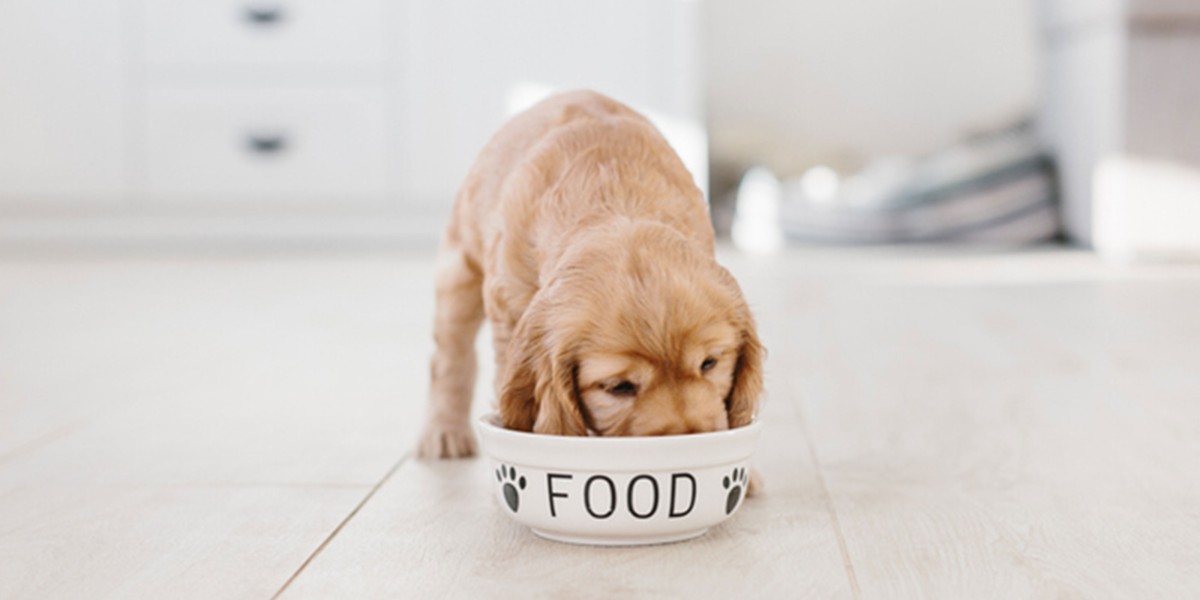
Knowing when to switch your puppy to adult dog food is important for their health. Puppies need special nutrients to grow strong. Adult dogs need food that keeps them healthy and active. Feeding the right food at the right time helps your dog thrive. Watch your puppy closely to see signs it is ready for adult food.
Signs Your Puppy Is Ready
Your puppy shows many signs when ready for adult food. Their growth slows down and energy changes. Teeth become stronger and more permanent. Appetite might change, and they eat less often. Coat looks shinier and less fluffy. Weight gain starts to level off. These signs mean their body needs different nutrition now. Gradually switch to adult dog food to avoid stomach upset.
Age Benchmarks By Breed Size
Different dog breeds grow at different speeds. Small breeds mature faster than large breeds. Small dogs usually switch to adult food by 9 to 12 months. Medium breeds change around 12 months old. Large and giant breeds need more time, about 12 to 24 months. Feeding adult food too early or late can cause problems. Check your breed size to know the best time to switch. Consult your vet for advice based on your dog’s needs.
Credit: www.purina.com
Why Transition Timing Matters
Knowing the right time to switch your dog to adult food is very important. The timing affects your dog’s health and growth. Feeding adult food too early or too late can cause problems. This section explains why timing matters when changing your dog’s diet.
Nutritional Needs Change
Puppies need more nutrients than adult dogs. Their food supports growth and energy. Adult dogs require fewer calories and different nutrients. Feeding adult food too soon can cause nutrient shortages. Feeding puppy food too long can lead to weight gain. Matching food to age helps your dog stay healthy.
Avoiding Health Issues
Changing food at the right time prevents health problems. Too many nutrients can stress your dog’s body. Too few nutrients can weaken the immune system. Some dogs may get digestive troubles if the diet changes abruptly. A proper transition keeps your dog’s stomach calm and strong.
Choosing The Right Adult Dog Food
Choosing the right adult dog food is important for your pet’s health. Adult dogs have different needs than puppies. Their food must support their energy and keep their body strong. Feeding adult dog food at the right age helps them stay healthy and happy.
Good nutrition helps maintain their coat, teeth, and muscles. It also supports their immune system. Choosing the right food means your dog gets the right balance of nutrients every day.
Key Nutrients To Look For
Protein is important for muscle health and energy. Look for high-quality meat or fish as the first ingredient. Carbohydrates provide energy and help digestion. Healthy fats keep skin and coat shiny. Vitamins and minerals support the immune system and bones. Fiber helps with digestion and keeps the stomach healthy. Avoid foods with too many fillers like corn or soy.
Types Of Adult Dog Food
Dry kibble is easy to store and helps clean teeth. Wet food has more moisture and can be tastier for dogs. Some owners choose raw or homemade diets for freshness. Each type has its pros and cons. Consider your dog’s preferences, health, and your schedule. Always choose food made for adult dogs, not puppies or seniors.
How To Transition Your Dog’s Diet
Changing your dog’s food from puppy to adult requires care and patience. The right transition helps avoid stomach upset and keeps your dog happy. A slow, steady change lets your dog adjust to new flavors and nutrients. This section explains how to switch safely.
Step-by-step Switching Process
Start by mixing 25% adult food with 75% puppy food. Feed this mix for three days. Then, change the ratio to 50% adult and 50% puppy food for the next three days. After that, mix 75% adult with 25% puppy food for three more days. Finally, serve only adult dog food. Watch your dog eat and adjust as needed.
Common Challenges And Solutions
Some dogs may refuse new food at first. Try warming the food slightly to release aroma. Mixing a bit of wet food can also help. Digestive upset like diarrhea or vomiting may occur. Slow down the transition and keep the previous diet longer. Always provide fresh water. Consult your vet if problems continue.
Special Considerations For Different Breeds
Feeding dogs adult food depends on their breed and size. Different breeds grow at different rates. This affects the best time to switch from puppy to adult food. Special care helps keep dogs healthy and strong during this change.
Small Vs. Large Breed Dogs
Small breed dogs mature faster than large breeds. They often switch to adult food around 9 to 12 months. Large breed dogs grow slower and need puppy food longer. Usually, they switch to adult food at 12 to 18 months.
Large breeds need food that supports joint health. Puppy food for large dogs has less calcium to avoid bone problems. Small breeds need food with more calories. They burn energy faster and need more nutrients.
Senior Dogs And Adult Food
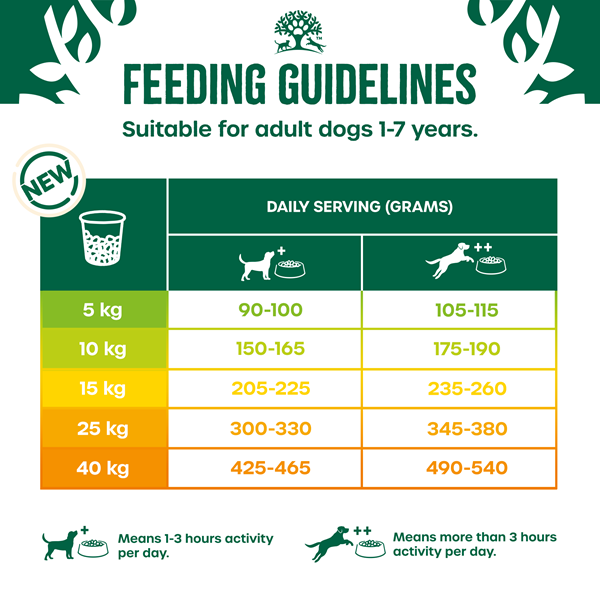
Senior dogs have different nutritional needs than adults. Their metabolism slows down, so they need fewer calories. Adult food may be too rich for older dogs. Special senior dog food helps with weight control and digestion.
Some adult foods suit senior dogs with healthy ingredients. Watch your dog’s energy and weight to decide if adult food fits. Always check with a vet before switching to adult food for seniors.
Credit: wellbeloved.com
Consulting Your Veterinarian
Feeding your dog the right food at the right age is important for their health. Puppies need special nutrition to grow strong. Adult dogs have different needs. Switching food too early or too late can cause problems. A veterinarian helps you make the best choice for your dog’s diet. They know about health, breed, and growth stages. Talking to a vet ensures your dog gets proper nutrition. This helps avoid stomach issues and keeps your dog happy and healthy.
When To Seek Professional Advice
Ask your vet about switching to adult food around six months. Some breeds grow faster or slower. Your dog may need adult food sooner or later. Watch for signs like weight changes or energy levels. Your vet can check if your dog is ready. Always ask before changing food. Vets know health conditions that affect diet. They can spot allergies or digestion problems early.
Customized Feeding Plans
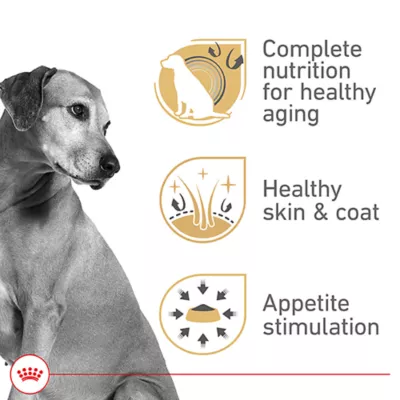
Each dog is unique. A vet creates a feeding plan just for your dog. They consider breed, size, age, and health. Some dogs need special diets for weight or illness. Your vet will tell you the right amount of food. They may suggest supplements if needed. Following a vet’s plan keeps your dog healthy. It also helps your dog live a longer life.
Credit: www.petsmart.com
Frequently Asked Questions
When Should I Switch My Puppy To Adult Dog Food?
Most dogs should switch to adult food between 12 to 18 months. Larger breeds may need adult food later, around 18-24 months. Always follow your vet’s advice for the best timing based on your dog’s size and breed.
Why Is The Age Important For Feeding Adult Dog Food?
Age matters because puppies need more nutrients for growth. Adult dog food has balanced nutrients for maintenance, not growth. Feeding adult food too early can affect development, while feeding puppy food too long may cause weight gain.
Can I Feed Adult Dog Food To Puppies?
Feeding adult dog food to puppies is not recommended. Puppies need higher protein and calorie content for healthy growth. Adult food lacks these nutrients, which may slow development and affect overall health.
How Do I Know My Dog Is Ready For Adult Food?
Signs include reaching 80% of adult size and consistent growth rate. Consult your vet for personalized advice. Transition gradually over 7-10 days to avoid digestive upset.
Conclusion
Feeding your dog adult food at the right time keeps them healthy. Most dogs switch to adult food between one and two years old. Watch your dog’s size, energy, and health to decide the best time. Always choose good-quality food made for adult dogs.
Changing food slowly helps avoid stomach problems. Remember, every dog is different. Consult your vet if unsure. Healthy food means a happy, strong dog. Simple steps make a big difference in your dog’s life.


