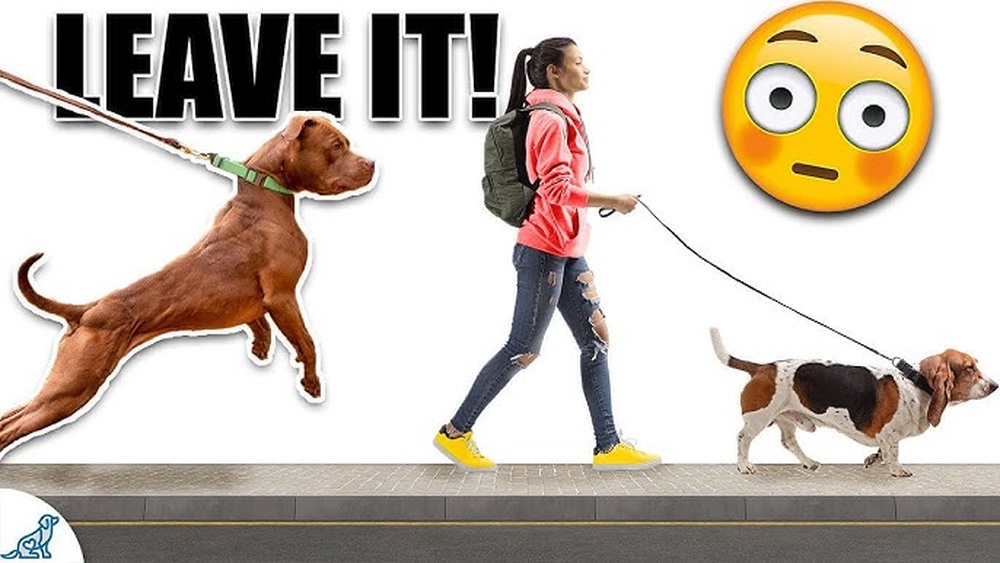
Do you find it hard to control your dog when other dogs are around? It can be frustrating when your furry friend pulls, barks, or gets overly excited every time they see another dog.
You want peaceful walks and calm moments, but it feels like your dog has a mind of their own. What if you could teach your dog to stay focused on you and simply ignore other dogs? You’ll discover simple, effective steps to train your dog to do just that.
Imagine stress-free walks and more enjoyable time outdoors—keep reading to learn how to make it happen.
Why Dogs React To Other Dogs
Dogs react to other dogs for several reasons. Some are natural instincts, while others come from learned behavior. Understanding why your dog reacts is key to training them better. It helps you manage their emotions and responses effectively.
Common Triggers
Many dogs react to sights, sounds, or smells of other dogs. They may bark, growl, or pull on the leash. Triggers include excitement, fear, or a need to protect territory. Some dogs react because they want to play. Others react out of anxiety or stress. Recognizing these triggers helps you stay calm and guide your dog.
Breed And Temperament Factors
Breed plays a big role in how dogs react. Some breeds are naturally more social. Others have strong guarding instincts. Temperament varies from dog to dog. Some dogs are shy, while others are bold. Understanding your dog’s personality helps you train them better. It also helps predict how they respond to other dogs.

Credit: www.wikihow.pet
Preparing For Training
Preparing your dog to ignore other dogs takes careful planning. Start by setting up the right conditions. This helps your dog focus and learn better. Preparation creates a calm and controlled space for training sessions. It also reduces distractions and keeps your dog safe. Both you and your dog will feel more confident. Follow these steps to prepare effectively.
Choosing The Right Environment
Pick a quiet place with few distractions. A park during off-peak hours works well. Avoid crowded areas or places with many dogs at first. A calm environment lets your dog concentrate on you. It also helps reduce excitement or anxiety. Gradually increase distractions as your dog improves. This builds your dog’s focus in real situations. Always choose a safe spot for training sessions.
Necessary Training Tools
Use a sturdy leash and a comfortable collar or harness. These give you control and keep your dog secure. Bring treats your dog loves for motivation. Small, soft treats work best for quick rewards. Carry a clicker if you use clicker training. Have water and poop bags handy for convenience. Prepare all tools before training starts. This keeps sessions smooth and focused.
Basic Commands To Teach First
Teaching your dog to ignore other dogs starts with basic commands. These commands build a strong foundation for good behavior. Your dog learns to listen and respond. This makes it easier to control distractions during walks or playtime.
Start with simple commands. These create clear communication between you and your dog. Practice often and use treats or praise to encourage your dog. Consistency helps your dog understand what you expect.
Sit And Stay
The “Sit” command is the first step. It helps your dog calm down and focus on you. Ask your dog to sit before anything else. Use a treat to guide the dog into a sitting position. Praise your dog once it sits.
Next, teach “Stay.” This command keeps your dog in place. It stops your dog from moving toward distractions. Start with short times and increase them slowly. Always reward your dog for staying calm and still.
Focus And Attention
Focus helps your dog pay attention to you, not other dogs. Use the command “Look” or “Watch me.” Hold a treat near your eyes. When your dog looks at you, give the treat. Repeat this to build attention skills.
Practice focus in quiet places first. Then try in places with more distractions. This trains your dog to ignore other dogs and stay with you. Focus is key to safe, happy walks and playtime.

Credit: www.waggel.co.uk
Techniques To Ignore Other Dogs
Teaching your dog to ignore other dogs takes patience and the right methods. Dogs often react to others because of excitement or fear. Using specific training techniques can help your dog stay calm and focused. Below are key methods to help your dog learn to ignore other dogs effectively.
Desensitization And Distance Control
Start by exposing your dog to other dogs at a safe distance. This distance should be where your dog stays calm. Gradually reduce the distance over time as your dog gets comfortable. This process helps your dog get used to other dogs without reacting. Keep sessions short and positive to avoid stress. Always watch your dog’s body language to adjust the distance.
Positive Reinforcement
Reward your dog for calm behavior around other dogs. Use treats, praise, or toys as rewards. This encourages your dog to repeat the good behavior. Timing is important—give the reward immediately when your dog stays focused. Avoid punishment, as it can increase anxiety or aggression. Positive reinforcement builds trust and makes training enjoyable for your dog.
Redirecting Attention
Shift your dog’s focus away from other dogs by using commands. Teach simple cues like “look” or “watch me.” Use these commands to draw your dog’s attention back to you. Carry treats or toys to help with this redirection. Practice this skill in quiet places first, then near other dogs. Redirecting attention helps control your dog’s impulses and keeps walks peaceful.
Handling Setbacks
Training a dog to ignore other dogs takes patience. Setbacks happen, and they are part of the process. How you handle these moments can make a big difference. Staying calm and focused helps your dog learn better. Do not get frustrated if progress slows down.
Common Challenges
Many dogs get easily distracted by other dogs. Some bark, pull on the leash, or try to play. This behavior can make training hard. Your dog might forget commands during excitement. Changes in environment, like parks or busy streets, also affect focus. These challenges need extra attention and care.
Adjusting Training Methods
Sometimes, the first training method does not work. Try changing your approach to fit your dog’s needs. Use shorter sessions to keep your dog’s attention. Increase rewards for small successes to motivate your dog. Practice in quieter places before moving to busy areas. Be patient and ready to adapt your plan.
Maintaining Long-term Success
Maintaining long-term success in training your dog to ignore other dogs requires patience and steady effort. Training is not a one-time task but a continuous process. Your dog needs regular reminders and practice to keep the good behavior strong. Consistency helps your dog understand what is expected every time it sees another dog.
Consistent Practice
Practice every day, even for a few minutes. Use the same commands and rewards each time. Short, frequent sessions work better than long, rare ones. Practice in different places so your dog learns to behave anywhere. Keep distractions low at first, then slowly increase them. Consistent practice builds strong habits in your dog’s mind.
Socialization Tips
Let your dog meet other dogs calmly and safely. Start with friendly dogs that do not excite your dog too much. Praise your dog for staying calm during meetings. Avoid forcing your dog into uncomfortable situations. Controlled socialization teaches your dog to stay focused on you. Social skills help your dog stay relaxed and ignore distractions over time.

Credit: www.youtube.com
Frequently Asked Questions
How Can I Train My Dog To Ignore Other Dogs?
Start by teaching focus commands like “look” or “watch me. ” Use treats to reward attention away from other dogs. Gradually increase distractions and distance, reinforcing calm behavior consistently.
What Tools Help Dogs Ignore Distractions During Walks?
Leashes, head halters, and treats are effective tools. Head halters help control the dog’s direction gently. Treats motivate your dog to focus on you, not on other dogs nearby.
How Long Does It Take To Train My Dog To Ignore Others?
Training duration varies by dog’s age and temperament. Consistent daily practice usually shows results within weeks. Patience and positive reinforcement speed up the learning process.
Can Socialization Affect A Dog’s Reaction To Other Dogs?
Yes, proper socialization helps dogs feel comfortable and less reactive. Early exposure to friendly dogs reduces anxiety and improves focus during walks.
Conclusion
Training your dog to ignore other dogs takes time and patience. Start with small steps and practice often. Reward your dog for staying calm and focused on you. Stay consistent and avoid distractions during training sessions. Remember, every dog learns at its own pace.
Celebrate small wins and keep your training positive. Soon, your dog will behave better around other dogs. This helps make walks more enjoyable for both of you. Keep practicing, and you will see great results.