

Training your dog to use a pad can make life so much easier for both of you. Whether you live in an apartment, have a busy schedule, or simply want to keep your home clean, teaching your dog this skill is a game-changer.
But you might wonder, where do you start? How do you make sure your dog understands what you want? This guide will walk you through simple, effective steps to help your dog learn quickly and confidently. Stick with me, and soon your dog will be pad-trained like a pro—saving you time, stress, and mess.
Ready to get started?

Credit: www.youtube.com
Choosing The Right Pad
Choosing the right pad is a key step in training your dog to use a pad. The right pad makes the training easier and cleaner. It helps your dog learn where to go. Picking a pad that fits your dog’s needs saves time and effort.
Types Of Training Pads
There are many types of training pads available. Some have strong absorbent layers to hold liquid well. Others have a waterproof bottom to protect floors. Some pads are scented to attract dogs. Others are unscented for sensitive noses. Choose a type that suits your dog’s habits and home.
Size And Absorbency Matters
Size is important for your dog’s comfort. Small dogs need smaller pads. Bigger dogs need larger pads for full coverage. Absorbency matters too. Pads with high absorbency keep the area dry. They prevent leaks and bad smells. Select a pad that matches your dog’s size and bathroom needs.
Placement Tips
Place the pad in a quiet, easy-to-find spot. Avoid busy or noisy areas that may scare your dog. Keep the pad in the same place during training. This helps your dog remember where to go. Change the pad often to keep it clean and fresh. A clean pad encourages your dog to use it again.
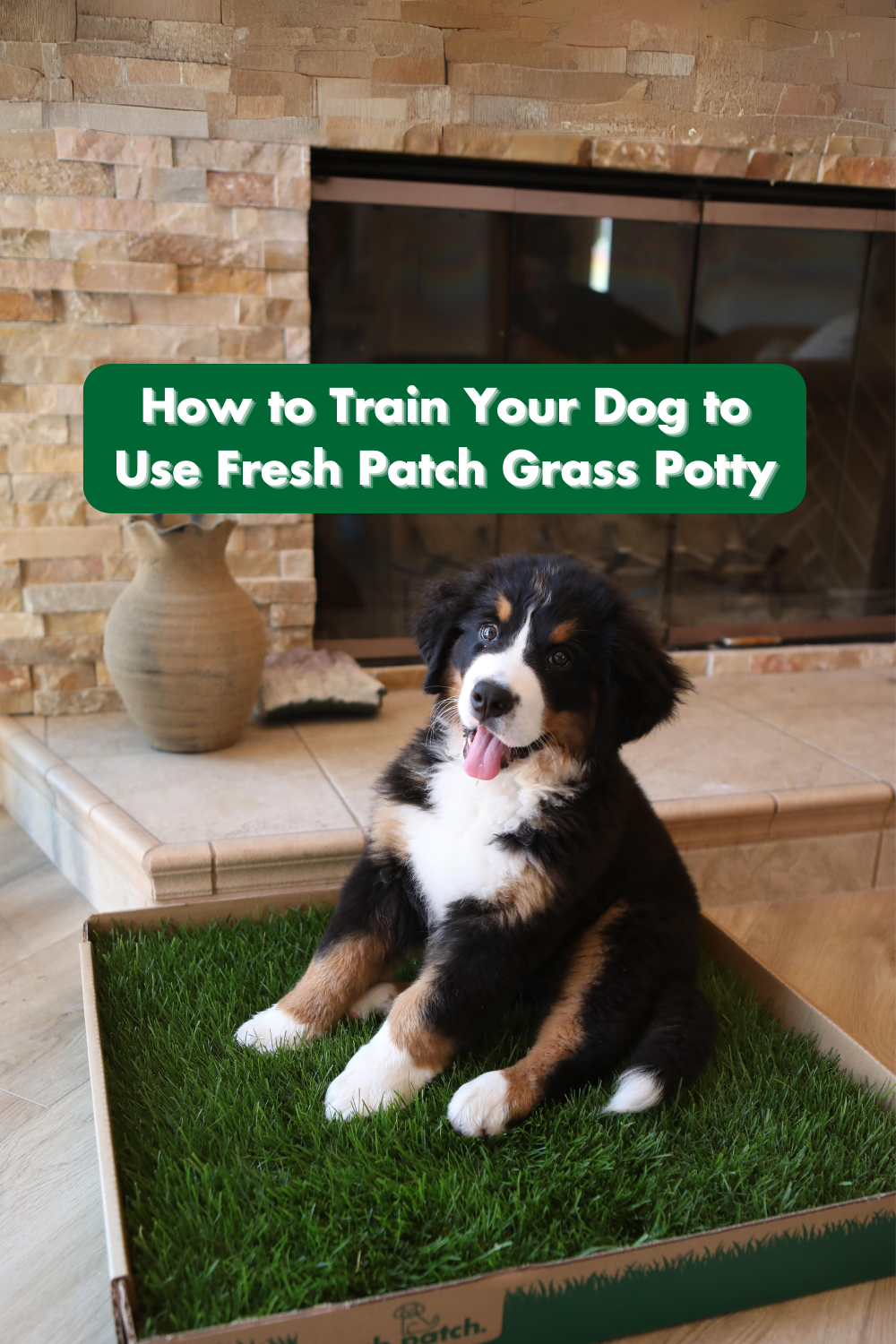
Credit: www.freshpatch.com
Preparing Your Dog
Preparing your dog to use a pad takes patience and clear steps. Start by making sure your dog understands what you expect. This helps build good habits and reduces accidents inside your home. The process is easier with a calm, steady approach. Follow these key steps to prepare your dog for pad training.
Setting A Routine
Dogs learn best with a set schedule. Take your dog to the pad at regular times each day. Choose moments like after meals, playtime, or naps. Consistent timing helps your dog know when to go. Keep the routine simple and steady. This builds trust and clear habits.
Introducing The Pad
Show your dog the pad and let them sniff it. Place the pad in a quiet, easy-to-reach spot. Encourage your dog to step on or near the pad. Use treats or gentle praise to make the pad a positive place. Avoid forcing your dog onto the pad. Let them explore it naturally.
Using Commands
Use simple words to guide your dog. Try short commands like “Go potty” or “Use pad.” Say the command each time you bring your dog to the pad. Repeat the command clearly and calmly. Reward your dog right after they use the pad. This helps your dog connect the word with the action.
Training Techniques
Training your dog to use a pad takes patience and clear methods. These training techniques help your dog learn quickly. Each step builds good habits and reduces mistakes.
Focus on rewards, timing, and handling accidents. These key points make training easier for both you and your dog.
Positive Reinforcement
Reward your dog immediately after it uses the pad. Praise and treats work well as rewards. This teaches your dog that pads are good places. Use a happy voice to encourage your dog. Repeat rewards every time your dog succeeds. This helps your dog want to use the pad again.
Supervision And Timing
Watch your dog closely during training. Look for signs like sniffing or circling. Take your dog to the pad at these signs. Set a schedule for bathroom breaks. Regular times help your dog learn faster. Never leave your dog alone without access to the pad. Quick action prevents accidents and confusion.
Handling Accidents
Accidents happen. Do not punish your dog. Clean the area well to remove smells. Use an enzyme cleaner for best results. Take your dog to the pad after an accident. Stay calm and patient. Praise your dog when it uses the pad next time. This helps keep training positive and clear.
Common Challenges
Training a dog to use a pad is not always easy. Many pet owners face common challenges during this process. These challenges can slow progress and cause frustration. Understanding these issues helps you handle them better. Here are some of the most common problems.
Pad Avoidance
Some dogs avoid the pad completely. They might sniff the pad but refuse to use it. Fear or confusion often causes this behavior. The pad may smell strange or feel unfamiliar under their paws. Changing the pad’s location or introducing it slowly can help. Reward your dog when they get close to the pad. Patience is key to overcoming pad avoidance.
Chewing Or Playing With Pads
Dogs sometimes chew or play with the training pads. This behavior can damage the pad and waste resources. Chewing may happen out of boredom or curiosity. Distract your dog with toys or treats to reduce this habit. Keep the pad in a quiet, calm area. Removing the pad after use also limits chewing opportunities.
Regression Issues
Dogs may stop using the pad after weeks of success. This is called regression. Stress, changes in routine, or health problems can cause it. Revisit basic training steps and reinforce good behavior. Keep the pad clean and accessible at all times. Consistency and positive reinforcement help prevent regression.
Advanced Tips
Advanced tips help improve your dog’s pad training. These steps work best after basic training is steady. Focus on clear signals and steady habits. This makes the process smoother and less confusing for your dog.
Transitioning Outdoors
Start by moving the pad closer to the door. Gradually place it outside near the spot you want. Let your dog explore the outdoor area. Praise your dog for going outside. This builds good outdoor habits slowly. Be patient; the change takes time.
Consistency Strategies
Keep a regular schedule for bathroom breaks. Use the same command words each time. Watch your dog’s signals and respond quickly. Reward your dog immediately after success. Consistency helps your dog understand expectations better.
Using Crate Training
Choose a crate that fits your dog well. Use the crate for short periods at first. Dogs avoid soiling where they sleep. This encourages holding until outside or on the pad. Combine crate time with potty breaks for best results.
:strip_icc()/potty-pad-training-4178382-hero-413f0c1f54ef4a89a18f79d60818f805.jpg)
Credit: www.thesprucepets.com
Frequently Asked Questions
How Long Does It Take To Train A Dog To Use A Pad?
Training time varies by dog age and breed, usually 1-3 weeks. Consistency, patience, and positive reinforcement speed up success. Puppies may take longer, while adult dogs might learn faster. Regular breaks and praise improve training efficiency.
What Is The Best Type Of Pad For Training?
Choose absorbent, leak-proof, and odor-controlling pads for effective training. Larger pads suit bigger dogs, while smaller ones fit puppies. Replace pads frequently to keep the area clean and encourage your dog’s use.
How Often Should I Take My Dog To The Training Pad?
Take your dog to the pad every 1-2 hours initially. Frequent trips prevent accidents and build routine. Gradually extend intervals as your dog learns. Always praise when they use the pad correctly.
How Do I Prevent My Dog From Chewing The Training Pad?
Use chew-resistant pads or place a protective cover over the pad. Distract your dog with toys and positive attention during training. Consistently redirect chewing behavior to appropriate items to avoid damage.
Conclusion
Training a dog to use a pad takes time and patience. Consistency helps your dog learn faster. Praise your dog often for good behavior. Keep the training area clean and quiet. Watch your dog’s signals and act quickly. Small steps lead to big success.
Enjoy the process and stay calm. Soon, your dog will use the pad confidently. This makes life easier for both of you. Keep practicing daily to build strong habits. Training with love creates a happy, well-behaved pet.

