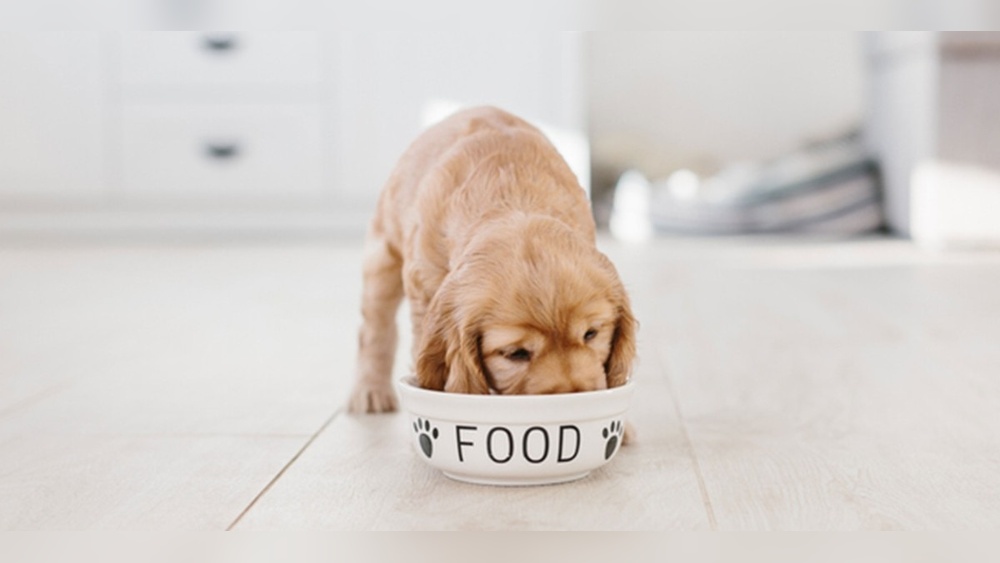
Are you wondering if it’s okay to keep your adult dog on puppy food? You might think it’s harmless or even beneficial since puppy food is packed with nutrients.
But is that really the best choice for your furry friend’s health? What you feed your dog affects their energy, weight, and overall well-being. Keep reading to find out the surprising facts about puppy food for adult dogs and what you should do to keep your pet happy and healthy.
Differences Between Puppy And Adult Dog Food
Puppy food and adult dog food serve different purposes in a dog’s life. Each type meets specific needs based on age and growth. Understanding these differences helps keep your dog healthy and happy. Feeding the right food supports proper development and maintains good health.
The main difference lies in the nutrients and ingredients. Puppies need more calories and nutrients to grow strong. Adult dogs need balanced nutrition to stay fit and active. Choosing the correct food supports your dog’s life stage perfectly.
Nutritional Needs Of Puppies
Puppies grow fast and need extra energy. Their food has more calories to fuel growth. High protein helps build muscles and strong bones. Puppies also need more fat for brain development. Vitamins and minerals support healthy teeth and immune systems.
Nutritional Needs Of Adult Dogs
Adult dogs need fewer calories to avoid weight gain. Their food has balanced protein to maintain muscles. Fat content is lower than puppy food. Fiber supports digestion and overall health. Nutrients focus on keeping joints and organs healthy.
Key Ingredient Variations
Puppy food contains extra protein and fat. It often has added DHA for brain growth. Adult food has fewer calories and fat. It may include joint support ingredients like glucosamine. Both foods use quality ingredients but differ in amounts.

Credit: shop.bullymax.com
Potential Risks Of Feeding Adult Dogs Puppy Food
Feeding adult dogs puppy food may seem harmless at first. Puppy food is rich in nutrients to support growth. But adult dogs have different nutritional needs. Giving them puppy food can cause problems. It is important to understand the risks involved.
Adult dogs need fewer calories and less fat. Too many nutrients can harm their health. Let’s explore the potential risks of feeding adult dogs puppy food.
Overnutrition And Weight Gain
Puppy food contains more calories and fat than adult dog food. Adult dogs eating puppy food may consume too many calories. This can lead to weight gain and obesity. Extra weight strains their joints and heart. Obese dogs often have shorter, less active lives.
Digestive Issues
Puppy food has higher protein and fat levels. Adult dogs may find it hard to digest. This can cause stomach upset, diarrhea, or vomiting. Their digestive system is not designed for this rich diet. Feeding the wrong food may lead to discomfort and health issues.
Long-term Health Concerns
Continuous feeding of puppy food can cause serious health problems. Excessive nutrients strain the liver and kidneys. It can increase the risk of heart disease and diabetes. Adult dogs need balanced nutrition to stay healthy over time. Feeding inappropriate food may reduce their quality of life.
When Puppy Food Might Be Suitable For Adults
Puppy food is made with more nutrients than adult dog food. This extra nutrition helps puppies grow strong and healthy. Sometimes, adult dogs may need this extra help too. Here are some situations when puppy food might be good for adult dogs.
Underweight Or Malnourished Dogs
Adult dogs who are underweight or malnourished need more calories and nutrients. Puppy food has higher protein and fat levels. These help dogs gain weight and build muscle. It also supports their immune system. Feeding puppy food can help these dogs recover faster.
Highly Active Or Working Dogs
Dogs that work hard or are very active burn more energy. They may need extra calories to keep up their strength. Puppy food provides more energy than regular adult dog food. This makes it a good choice for active or working dogs. It helps them stay strong and healthy throughout the day.
Consulting A Veterinarian
Always talk to a vet before changing your dog’s diet. A vet can check your dog’s health and needs. They can tell if puppy food is right for your adult dog. Following a vet’s advice keeps your dog safe and healthy. Never switch foods without professional guidance.

Credit: www.dogster.com
Transitioning From Puppy Food To Adult Food
Switching your dog from puppy food to adult food is an important step. It helps meet their changing nutritional needs as they grow. Puppy food has more calories and nutrients for growth. Adult food supports maintenance and energy for grown dogs. The change should happen at the right time and in a smooth way. This keeps your dog healthy and happy.
Signs Your Dog Is Ready
Most dogs need to switch around one year old. Large breeds may change later, about 12 to 18 months. Watch your dog’s size and behavior. If they stop growing quickly, it’s a sign. Also, less playful puppies often mean they are maturing. Your vet can help confirm the best time.
Gradual Switching Techniques
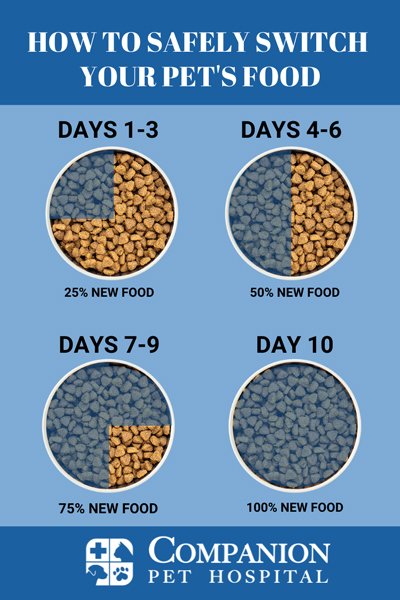
Switch slowly over 7 to 10 days. Start by mixing 25% adult food with 75% puppy food. Increase the adult food each day. Watch for any stomach upset like vomiting or diarrhea. Slow change helps your dog’s stomach adjust. Avoid a sudden switch to prevent digestive problems.
Monitoring Your Dog’s Health
Check your dog’s weight and energy daily. Look for changes in stool quality. Healthy stools are firm and regular. If your dog loses weight or seems tired, consult a vet. Keep track of appetite and coat condition too. A shiny coat and good appetite show good health.
Alternatives To Puppy Food For Adult Dogs
Choosing the right food for your adult dog is important. Puppy food is not always the best choice after your dog grows. Adult dogs have different needs. Their food should help them stay healthy and active. There are good alternatives to puppy food that suit adult dogs well.
Specialized Adult Formulas
Adult dog foods have balanced nutrients for mature dogs. These formulas support healthy weight and energy levels. They contain the right protein and fat amounts for adults. Some brands offer options for small, medium, or large breeds. These foods also include vitamins to keep the immune system strong.
Homemade Diet Options
Homemade meals let you control ingredients. Cooked meats, vegetables, and grains can make a complete meal. Avoid harmful foods like onions and chocolate. Consult a vet to create balanced recipes. Fresh homemade food can be tasty and nutritious for your dog.
Supplements For Specific Needs
Supplements help address special health issues. Omega-3 fatty acids support skin and coat health. Glucosamine and chondroitin promote joint care. Probiotics improve digestion and gut health. Talk to your vet before adding supplements to your dog’s diet.
Credit: companionpethospital.com
Frequently Asked Questions
Can Adult Dogs Safely Eat Puppy Food?
Adult dogs can eat puppy food occasionally, but it’s not ideal long-term. Puppy food has more calories and nutrients for growth. Feeding it to adult dogs regularly may cause weight gain or nutrient imbalances. Always choose age-appropriate food for your dog’s health.
What Happens If An Adult Dog Eats Puppy Food?
If an adult dog eats puppy food, it may gain excess weight. Puppy food is richer in fats and protein, designed for growth. Over time, this can lead to obesity and digestive issues. Monitor your dog’s health and switch to adult food for balance.
Is Puppy Food Suitable For All Dog Breeds?
Puppy food is formulated for growing dogs, regardless of breed. However, nutritional needs vary with size and breed. Large breeds may need specific puppy formulas to prevent rapid growth issues. Consult your vet to choose the best food for your dog’s breed and age.
How To Transition An Adult Dog From Puppy Food?
Switch gradually over 7-10 days, mixing adult food with puppy food. Increase adult food amount daily while reducing puppy food. This helps avoid digestive upset and allows your dog to adjust. Consistency and patience ensure a smooth transition.
Conclusion
Feeding an adult dog puppy food is not ideal long-term. Puppy food has more calories and nutrients for growth, which adults may not need. This can lead to weight gain or health problems. Adult dogs require a balanced diet made for their age and size.
Always check with your vet before changing food. Proper nutrition keeps your dog happy and healthy. Choose the right food to support your dog’s needs every day. Small changes make a big difference in your dog’s life.