

Are you wondering if your adult dog can safely eat puppy food? It’s a common question many dog owners face, especially when you want to give your furry friend the best nutrition.
You might think puppy food is just for the little ones, but what happens if your adult dog sneaks some or you consider switching their diet? Understanding the differences between puppy and adult dog food can help you make the right choice for your pet’s health and happiness.
Keep reading to discover the facts and find out what’s really best for your dog.
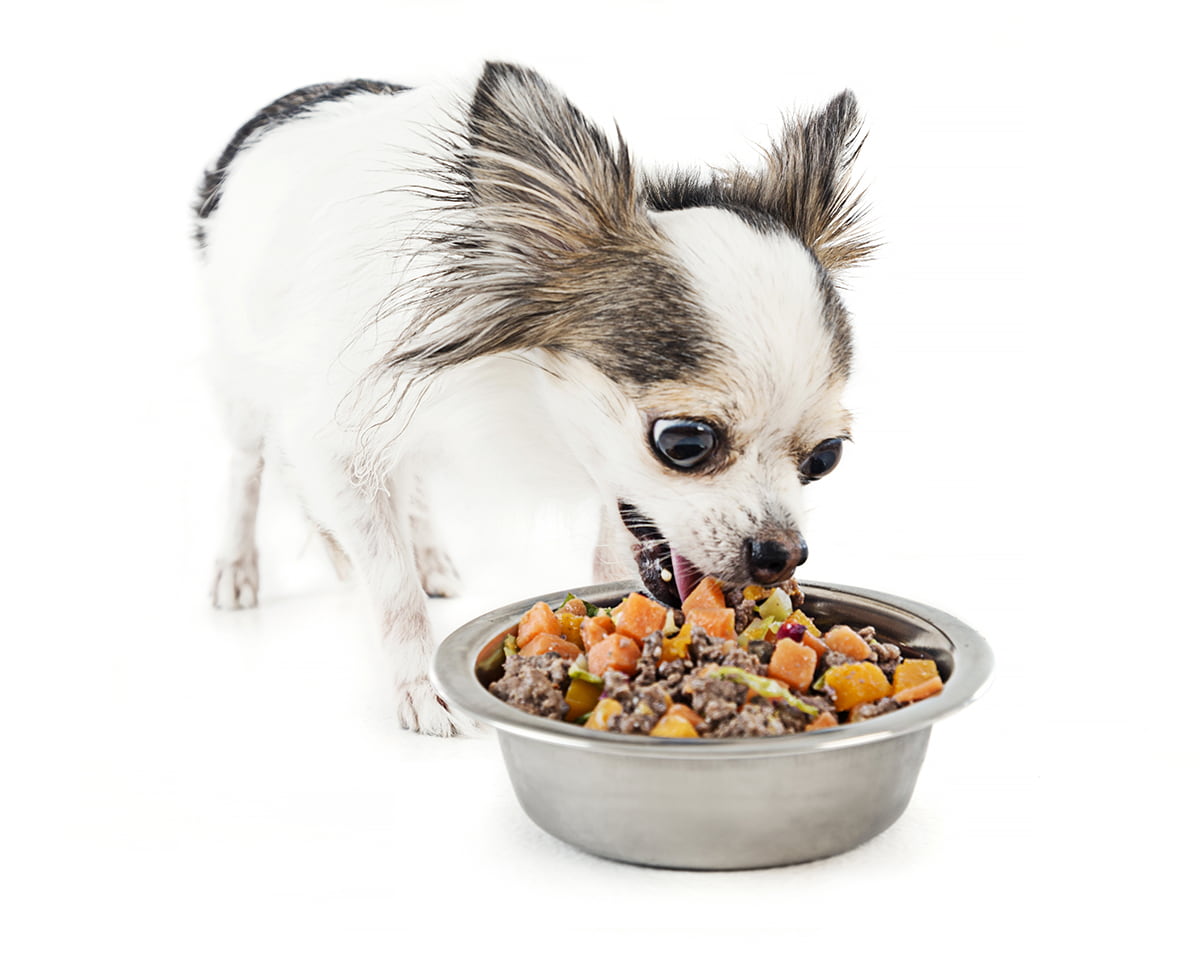
Credit: blog.justfoodfordogs.com
Differences Between Puppy And Adult Dog Food
Puppy food and adult dog food are not the same. Each type of food meets the needs of dogs at different ages. Puppies grow fast. They need special nutrients to build strong bones and muscles. Adult dogs need food that helps them stay healthy and active. Feeding the right food supports your dog’s health at every stage.
Understanding these differences helps you choose the best food for your dog. It also helps prevent health problems. Let’s explore the key differences between puppy and adult dog food.
Nutritional Needs At Different Life Stages
Puppies need more nutrients for growth and development. Their food has extra vitamins and minerals. Adult dogs need balanced nutrition to maintain their health. Too many nutrients can cause weight gain in adult dogs. Puppy food supports bone, muscle, and brain growth. Adult food supports energy and organ health.
Calorie And Protein Variations
Puppies burn more energy. Puppy food contains more calories to fuel their activity. Protein levels are higher in puppy food to help build muscles. Adult dog food has fewer calories to prevent obesity. Protein amounts are balanced for maintenance, not growth. Feeding adult dogs puppy food can lead to weight problems.
Key Ingredients In Puppy Food
Puppy food often has DHA, an important fat for brain development. It includes calcium and phosphorus for strong bones. The food is softer and easier to chew for young teeth. Adult dog food focuses on ingredients that support digestion and immune health. Each formula targets the needs of the dog’s age.

Credit: www.dogster.com
Potential Risks Of Feeding Puppy Food To Adult Dogs
Feeding puppy food to an adult dog can cause several health problems. Puppy food is made for growing dogs. Adult dogs have different needs. Giving the wrong food may harm their body and health. Understanding the risks helps keep your dog safe and healthy.
Weight Gain And Obesity
Puppy food contains more calories. Adult dogs need fewer calories than puppies. Eating too many calories causes weight gain. Extra weight puts stress on joints. It can lead to obesity. Obesity increases the risk of diabetes and heart problems.
Digestive Issues
Puppy food is richer and harder to digest. Adult dogs may have trouble breaking it down. This can cause stomach pain and diarrhea. Some dogs may vomit after eating puppy food. Digestive upset lowers their energy and happiness.
Nutrient Imbalances
Puppy food has more protein and fat than adult food. Too much protein can strain kidneys in older dogs. Adult dogs need balanced nutrients for maintenance. Puppy food lacks the right vitamins for adults. Long-term use can lead to health problems and deficiencies.
When Puppy Food Might Be Suitable For Adults
Puppy food is made to help young dogs grow fast and strong. It has more calories, protein, and nutrients than adult dog food. This extra nutrition can sometimes help adult dogs too. Certain adult dogs may need the richer diet that puppy food offers. Understanding when puppy food might be right for your adult dog is important for their health.
This section explains three situations where puppy food can be a good choice for adult dogs. These include underweight dogs, those recovering from illness or surgery, and very active or working dogs.
Underweight Adult Dogs
Underweight dogs need more calories and nutrients to gain weight. Puppy food contains extra protein and fat that helps build muscle and energy. Feeding puppy food can support healthy weight gain in these dogs. It is a good option for dogs that struggle to keep weight on.
Recovery From Illness Or Surgery
Dogs healing from illness or surgery need more nutrition to recover. Puppy food’s rich ingredients help repair tissues and boost the immune system. It provides energy for healing and helps maintain body strength. Doctors may suggest puppy food during recovery for faster healing.
High Activity Or Working Dogs
Working dogs burn a lot of energy daily. They need extra calories and protein to stay strong and active. Puppy food supports their high energy needs with its dense nutrition. Active dogs like hunting, herding, or agility dogs may benefit from puppy food.
Signs Your Adult Dog Needs Different Nutrition
Adult dogs need the right nutrition to stay healthy and active. Signs can show when your dog’s food no longer fits their needs. Paying attention helps you make changes that support their health and happiness.
Changes In Energy Levels
Watch for low energy or tiredness. Your dog may rest more than usual. Playtime might seem less fun. These signs can mean the current food lacks needed nutrients. Adjusting their diet can help restore their vitality.
Coat And Skin Health
A dull coat or dry skin signals nutrition problems. Look for flaky skin or hair loss. Healthy skin and shiny fur show good nutrition. Switching to better food can improve your dog’s appearance and comfort.
Digestive Health Indicators
Frequent diarrhea or constipation shows digestive trouble. Gas or bloating can also be signs. These issues suggest the food is hard to digest. A diet change often eases stomach problems and aids digestion.
Choosing The Right Food For Your Adult Dog
Choosing the right food for your adult dog is very important. Good food keeps your dog healthy and active. Not all dog foods are the same. Some are made for puppies, others for adults. Adult dogs need different nutrients than puppies. Feeding the wrong food can cause health problems. You need to know what to look for in dog food.
Focus on food that fits your dog’s age, size, and health. Each dog is unique, so their food should be too. Understanding labels, talking to your vet, and thinking about special needs helps. These steps make sure your dog gets the best care through food.
Reading Dog Food Labels
Dog food labels show what is inside the food. Check the first ingredients. Meat or fish should be near the top. Avoid foods with too many fillers like corn or wheat. Look for clear information about protein, fat, and fiber. These are important for your dog’s health. Also, check for added vitamins and minerals. Avoid foods with many artificial colors or flavors. Labels tell you if the food fits your dog’s needs.
Consulting Your Veterinarian
Your vet knows your dog’s health best. Ask the vet about the right food for your dog. Vets can suggest diets for weight, allergies, or health issues. They help choose food that supports your dog’s lifestyle. Regular vet visits help track your dog’s health and diet. Trust your vet’s advice over random opinions or ads. This step protects your dog’s well-being.
Considering Special Dietary Needs
Some adult dogs have special needs. Dogs with allergies need hypoallergenic food. Older dogs may need food for joint health. Active dogs may need more protein and calories. Dogs with health problems need special diets. Tailor the food to your dog’s unique needs. This keeps your dog strong and happy. Always watch how your dog reacts to new food. Adjust the diet if needed to keep them healthy.

Credit: www.dogster.com
Frequently Asked Questions
Can Adult Dogs Eat Puppy Food Safely?
Adult dogs can eat puppy food occasionally, but it’s not ideal. Puppy food is richer and higher in calories, which may cause weight gain in adults. For balanced nutrition, adult dogs should eat food formulated specifically for their life stage.
What Are The Risks Of Feeding Puppies To Adult Dogs?
Feeding puppy food to adult dogs regularly can lead to obesity and digestive issues. Puppy food has more fat and protein, which may overwhelm an adult dog’s metabolism. Long-term use may cause nutrient imbalances affecting their overall health.
How Does Puppy Food Differ From Adult Dog Food?
Puppy food contains higher protein, fat, and calories to support growth and energy needs. Adult dog food has balanced nutrients designed to maintain health and weight. The ingredient ratios differ to meet the specific requirements of each life stage.
Can Switching From Adult To Puppy Food Harm My Dog?
Switching to puppy food suddenly can cause digestive upset in adult dogs. It’s best to transition gradually if necessary. However, long-term feeding of puppy food to adults is not recommended due to excessive calories and nutrients.
Conclusion
Adult dogs need different food than puppies for proper health. Puppy food has more calories and nutrients designed for growth. Feeding adult dogs only puppy food can cause weight gain and stomach issues. It is best to choose food made for adult dogs to meet their needs.
Always check with a vet before changing your dog’s diet. Healthy eating keeps your dog happy and active for years. Think about your dog’s age and health when picking food. Simple choices make a big difference in your dog’s life.


