Are you looking for a simple, healthy way to feed your furry friend? A good homemade dog food recipe could be exactly what your dog needs.
Imagine giving your pet meals made with fresh ingredients that support their health and happiness. You want the best for your dog, and making food at home lets you control every bite. Keep reading, and you’ll discover an easy recipe that saves you money, boosts your dog’s energy, and makes mealtime something you both look forward to.
Credit: stellanspice.com
Benefits Of Homemade Dog Food
Making dog food at home offers many advantages for your pet’s health and happiness. You know exactly what goes into each meal. This helps meet your dog’s specific needs better than most store-bought options. Homemade food can support your dog’s long-term well-being in various ways.
Improved Nutrition
Homemade dog food allows you to balance nutrients carefully. You can include fresh meats, vegetables, and grains that suit your dog’s health. This helps avoid fillers and artificial additives. Proper nutrition supports strong bones, shiny coats, and good energy levels. You can also adjust recipes for allergies or sensitivities.
Control Over Ingredients
Preparing meals at home means full control over every ingredient. You choose high-quality proteins and fresh produce. You avoid preservatives, colors, and other harmful chemicals. This control reduces risks of allergic reactions or digestive issues. You can cater to your dog’s unique preferences and health conditions.
Cost-effectiveness
Homemade food can save money compared to premium store brands. Buying ingredients in bulk and cooking yourself cuts costs. You avoid paying for packaging and marketing. Plus, healthier meals may reduce vet visits over time. This makes homemade meals a budget-friendly choice for many families.
Enhanced Palatability
Many dogs find homemade food tastier and more appealing. Fresh ingredients boost aroma and flavor naturally. You can experiment with different recipes to find what your dog loves. This encourages better eating habits and less picky behavior. Enjoy watching your dog excited for every meal.
Key Nutrients For Dogs
Dogs need a balanced diet to stay healthy and active. A homemade dog food recipe must include the right nutrients. These nutrients support strong muscles, a shiny coat, and good energy. Understanding the key nutrients helps you prepare meals that meet your dog’s needs.
Proteins And Amino Acids
Proteins build and repair your dog’s body cells. They provide amino acids, the building blocks of proteins. Dogs need essential amino acids from meat, fish, or eggs. Good protein sources also help maintain muscles and support the immune system.
Essential Fats
Fats give dogs energy and help absorb vitamins. Essential fats like omega-3 and omega-6 keep the skin healthy. These fats reduce inflammation and support brain function. Including sources like fish oil or flaxseed oil improves your dog’s health.
Carbohydrates And Fiber
Carbohydrates provide a quick energy source for dogs. Fiber helps digestion and keeps the gut healthy. Whole grains, vegetables, and fruits add fiber to your dog’s meal. Balanced carbs and fiber prevent constipation and improve stool quality.
Vitamins And Minerals
Vitamins and minerals support many body functions. Calcium and phosphorus build strong bones and teeth. Vitamins A, D, and E promote good vision and skin health. Including a variety of fruits and vegetables supplies these essential nutrients.
Choosing Ingredients
Choosing the right ingredients is key to making healthy homemade dog food. Each ingredient plays a role in your dog’s nutrition. Balanced meals keep dogs strong and happy. Focus on quality and variety to cover all nutrient needs.
Lean Meats And Alternatives
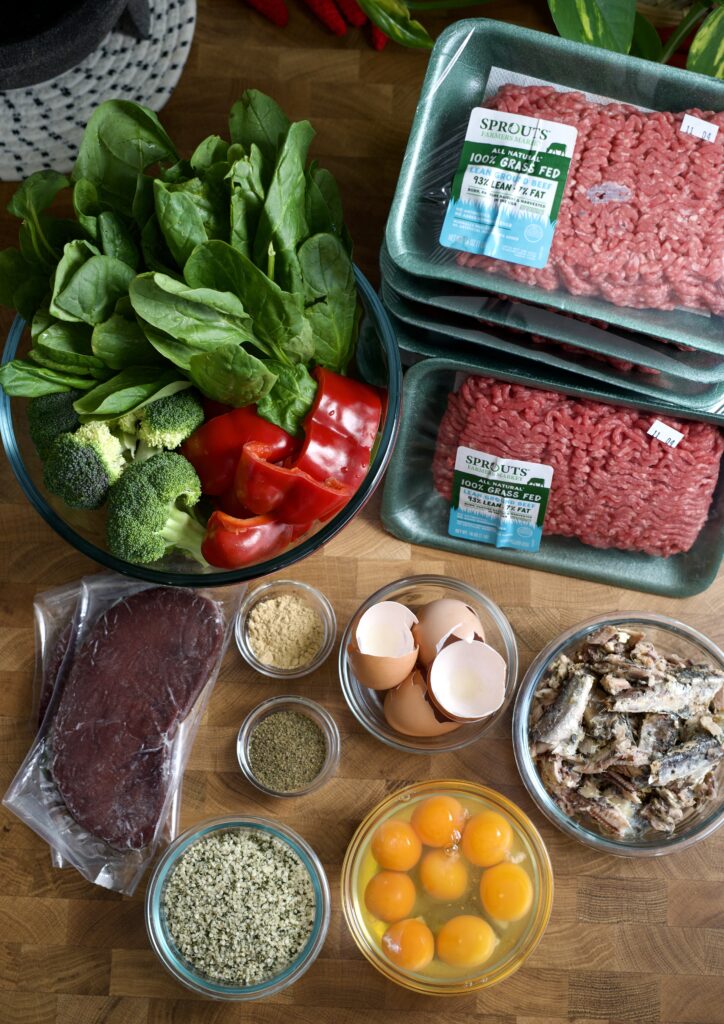
Lean meats provide essential protein for muscle health. Chicken, turkey, and lean beef are good choices. Fish like salmon adds omega-3 fatty acids. For vegetarian options, try eggs or cottage cheese. Avoid fatty cuts and processed meats.
Vegetables And Fruits
Vegetables add fiber and vitamins to dog meals. Carrots, green beans, and peas work well. Fruits like apples and blueberries offer antioxidants. Always remove seeds and pits from fruits. Avoid toxic foods like onions and grapes.
Grains And Legumes
Grains and legumes supply energy and fiber. Brown rice, oats, and quinoa are gentle on digestion. Lentils and chickpeas add protein and fiber. Cook grains and legumes thoroughly for easy digestion. Avoid wheat and corn if your dog is sensitive.
Supplements And Additives
Supplements fill nutritional gaps in homemade food. Fish oil supports skin and coat health. Calcium is vital for strong bones. Probiotics help with digestion and gut health. Use supplements carefully and consult a vet for dosage.
Simple Homemade Dog Food Recipe
Preparing a simple homemade dog food recipe helps control what your pet eats. It ensures fresh ingredients and balanced nutrition. This recipe uses easy-to-find foods and takes little time to make.
Homemade meals can improve your dog’s health and energy. You know exactly what goes into every bite. Cooking at home also avoids preservatives found in some commercial foods.
Ingredient List
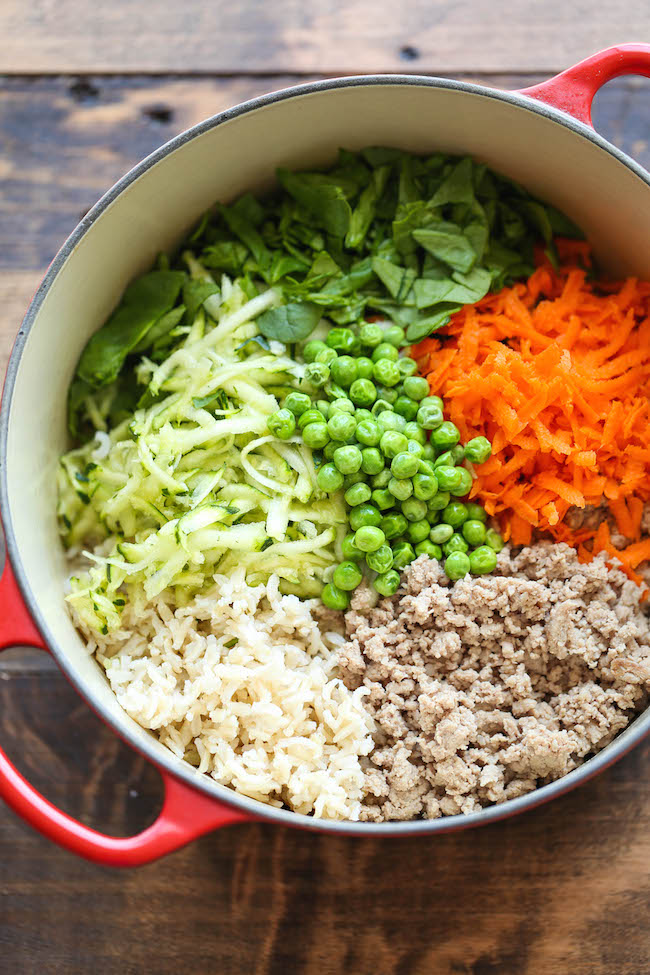
- 1 cup cooked chicken (boneless, skinless)
- 1/2 cup cooked brown rice
- 1/4 cup steamed carrots
- 1/4 cup steamed green beans
- 1 teaspoon fish oil (optional for omega-3)
Preparation Steps
- Cook chicken thoroughly and chop into small pieces.
- Boil brown rice until soft and fluffy.
- Steam carrots and green beans until tender.
- Mix chicken, rice, and vegetables in a large bowl.
- Add fish oil and stir to combine.
- Let the food cool before serving to your dog.
Portion Sizes
Feed small dogs about 1/2 to 1 cup per meal.
Medium dogs need 1 to 2 cups per meal.
Large dogs may require 2 to 3 cups per meal.
Adjust portions based on your dog’s activity and weight.
Storage Tips
Store homemade dog food in airtight containers.
Keep portions in the refrigerator for up to 3 days.
For longer storage, freeze portions in small containers.
Thaw frozen food in the fridge before serving.
Vet-approved Tips
Making homemade dog food can be healthy and tasty for your pet. Following vet-approved tips keeps your dog safe and well-nourished. These tips help you prepare meals that support your dog’s health every day.
Consulting Your Veterinarian
Talk to your vet before changing your dog’s diet. They know your dog’s health needs best. Your vet can suggest foods and portions that fit your dog. This step prevents health problems and ensures good nutrition.
Avoiding Toxic Foods
Some human foods are harmful to dogs. Avoid onions, garlic, chocolate, grapes, and raisins. These can cause illness or worse. Always check if a food is safe before feeding your dog.
Balancing Meals
Your dog needs proteins, fats, and carbs in each meal. Include lean meat, vegetables, and grains for balance. Proper nutrients keep your dog active and strong. Use vet advice to create balanced recipes.
Monitoring Your Dog’s Health
Watch your dog’s weight, energy, and coat condition. Changes can show if the diet suits them. Visit the vet regularly to check health status. Adjust meals as needed to keep your dog happy.
Common Mistakes To Avoid
Making homemade dog food is a great way to care for your pet. It gives control over ingredients and quality. Mistakes can harm your dog’s health though. Avoiding these common errors helps keep your dog happy and healthy. Read on to learn what to watch out for.
Overfeeding Or Underfeeding
Feeding too much leads to weight gain and health problems. Too little food causes weakness and nutrient gaps. Measure portions carefully based on your dog’s size and activity. Use a scale or measuring cup for accuracy. Watch your dog’s weight and adjust food as needed.
Unbalanced Diets
A diet lacking key nutrients can cause illness. Dogs need protein, fats, vitamins, and minerals. Avoid feeding only one type of food. Mix meats, vegetables, and grains in correct amounts. Use trusted recipes or consult a vet for balance. Balanced meals support growth, energy, and health.
Ignoring Allergies
Some dogs have food allergies or sensitivities. Symptoms include itching, vomiting, or diarrhea. Identify allergens by testing new foods slowly. Remove ingredients that cause reactions. Use hypoallergenic or limited-ingredient recipes if needed. Protect your dog from discomfort and serious issues.
Improper Food Handling
Poor hygiene can cause food poisoning and infections. Always wash hands before preparing meals. Use clean bowls and utensils. Store leftovers in sealed containers in the fridge. Avoid feeding spoiled or expired ingredients. Safe handling keeps your dog safe and healthy.
Transitioning To Homemade Food
Switching your dog to homemade food takes care and patience. Dogs need time to adjust to new tastes and textures. A smooth change helps avoid stomach upset and keeps your dog happy. It also lets you watch how your dog reacts to the new diet. Follow clear steps to make this change safe and easy.
Gradual Introduction
Start by mixing a small amount of homemade food with your dog’s current food. Increase the homemade portion slowly over several days. This slow change helps the dog’s stomach adjust. Sudden changes can cause diarrhea or vomiting. A gradual switch makes the new food more acceptable.
Observing Digestive Changes
Watch your dog’s stool and appetite closely. Look for signs of diarrhea, constipation, or vomiting. Healthy digestion means the food suits your dog. If problems appear, slow down the transition. Consult your vet if issues continue for more than a few days.
Adjusting Portions
Homemade meals may have different calories than store food. Adjust the portion size to keep your dog’s weight steady. Too much food can cause weight gain. Too little may lead to hunger or weight loss. Keep track of your dog’s body condition and energy level.
Maintaining Consistency
Feed homemade food at the same times each day. Consistency helps your dog’s digestion and routine. Sudden changes in feeding times can cause stress. Keep the recipe balanced and follow vet advice. This ensures your dog gets all needed nutrients daily.
Credit: damndelicious.net
Credit: stellanspice.com
Frequently Asked Questions
What Are The Key Ingredients In Homemade Dog Food?
Homemade dog food typically includes lean meats, vegetables, and grains. These ingredients provide essential proteins, vitamins, and minerals for your dog’s health. Always ensure balanced portions to meet your dog’s nutritional needs. Avoid harmful foods like onions and chocolate for safety.
How Do I Ensure Homemade Dog Food Is Nutritious?
Balance proteins, carbohydrates, and fats in each meal. Include vegetables like carrots and peas for vitamins. Consult your vet to tailor recipes to your dog’s age and health. Use supplements if necessary to meet all dietary requirements.
Can Homemade Dog Food Improve My Dog’s Health?
Yes, homemade dog food can boost health by using fresh, natural ingredients. It reduces preservatives and fillers found in commercial foods. Homemade meals may improve digestion, coat condition, and energy levels when properly balanced.
How Often Should I Feed Homemade Dog Food?
Feed homemade dog food twice daily for adult dogs. Puppies may need three to four smaller meals. Consistency helps maintain digestion and energy. Always monitor your dog’s appetite and adjust portions as needed.
Conclusion
Making homemade dog food can help keep your pet healthy and happy. You control the ingredients and avoid fillers. Fresh, simple foods provide good nutrition every day. Cooking at home shows love and care for your dog. Try the recipe and watch your dog enjoy mealtime.
Small changes make a big difference in your dog’s health. Start with this easy recipe and build from there. Your dog deserves the best food you can give.