

Have you ever wondered what a dog trainer really does? Whether you’re struggling with your pup’s behavior or just want to teach them new tricks, understanding a dog trainer’s role can make all the difference.
This isn’t just about commands and treats—it’s about building a stronger bond with your furry friend. Keep reading to discover how a dog trainer can help you unlock your dog’s full potential and make your life together happier and easier.
Role Of A Dog Trainer
A dog trainer plays a key role in shaping a dog’s behavior. They help dogs learn basic manners and follow commands. Trainers also address problem behaviors and teach advanced skills. Their work makes life better for both dogs and owners.
Basic Obedience Training
Dog trainers teach simple commands like sit, stay, and come. These commands build a foundation for good behavior. Trainers use rewards and clear signals to guide dogs. This training improves communication between dogs and owners.
Behavioral Modification
Trainers help fix bad habits like biting or excessive barking. They find the cause of these behaviors and work to change them. Using patience and techniques, trainers calm anxious or aggressive dogs. This helps dogs feel safe and happy.
Specialized Skill Training
Some trainers teach specific skills like agility or service tasks. These skills require focused practice and repetition. Trainers guide dogs to perform complex actions with precision. This training supports dogs in working roles or sports.
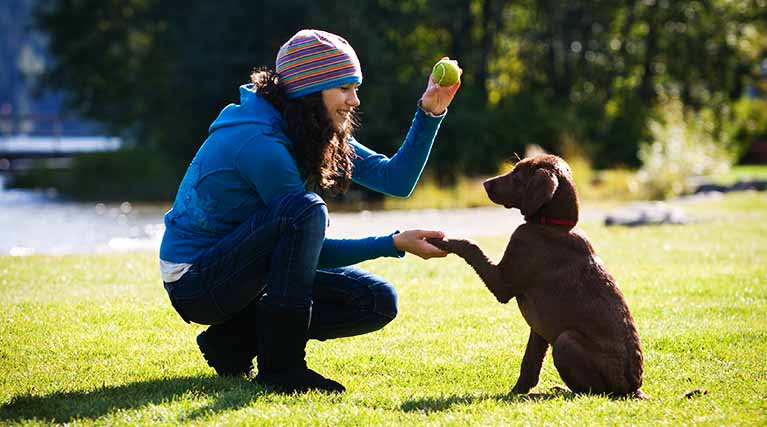
:max_bytes(150000):strip_icc()/dog-trainer-shake-paw-HearoImages-getty-522796641-56a26b225f9b58b7d0ca05d2.jpg)
Credit: www.liveabout.com
Techniques Used By Trainers
Dog trainers use several methods to teach dogs good behavior. These techniques help dogs learn quickly and enjoy the training process. Trainers choose methods that work best for each dog’s needs and personality.
Positive Reinforcement
Positive reinforcement means giving dogs rewards for good behavior. Trainers use treats, praise, or toys to encourage dogs. This method builds trust and makes dogs want to listen.
It helps dogs learn commands fast. The dog connects good actions with rewards. This makes training fun and effective.
Clicker Training
Clicker training uses a small device that makes a clicking sound. Trainers click at the exact moment the dog does something right. This sound tells the dog it did well.
After the click, the dog gets a treat. This method helps dogs understand what is expected. It is clear and easy for dogs to follow.
Leash And Voice Commands
Trainers teach dogs to respond to leash control and voice commands. Leash training helps dogs walk calmly without pulling. Voice commands guide dogs to obey basic instructions.
Clear words like “sit,” “stay,” and “come” are used. Trainers use a firm but kind voice. This helps dogs learn quickly and behave safely.
Benefits For Your Dog
Training your dog does more than teach tricks. It helps your dog grow into a happy, well-behaved pet. The benefits touch many parts of your dog’s life. From behavior to mental health, training brings positive changes.
Improved Behavior
Training teaches your dog how to behave in different situations. Your dog learns to follow commands like sit, stay, and come. This reduces bad habits like jumping or barking too much. Good behavior makes walks and playtime more enjoyable.
Enhanced Socialization
A dog trainer helps your dog meet other dogs and people safely. Socialization reduces fear and aggression. Your dog gains confidence around new faces and environments. This leads to calmer and friendlier interactions outside your home.
Mental Stimulation
Training challenges your dog’s brain with new tasks and commands. Mental exercise keeps your dog alert and happy. It helps prevent boredom, which can cause destructive behavior. Your dog feels more satisfied and less restless.
Benefits For Dog Owners
Hiring a dog trainer offers many benefits for dog owners. Training helps both the dog and owner live more comfortably. It makes daily life smoother and more enjoyable. Owners gain skills to handle their pets better. This leads to a happier home for everyone involved.
Easier Daily Management
Trained dogs follow commands more reliably. This reduces stress during walks and mealtime. Owners spend less time correcting bad behavior. Simple tasks like coming when called become easier. Daily routines become calm and predictable.
Stronger Bond With Pet
Training builds trust between dog and owner. Dogs learn to listen and respond with care. Owners understand their pet’s needs and signals better. This connection deepens love and respect for each other. Moments together feel more rewarding and joyful.
Increased Safety
Well-trained dogs behave safely around people and other animals. They resist dangerous impulses like chasing cars or biting. Owners can control their dogs in public places. This lowers the risk of accidents and injuries. Safety improves for both pets and those nearby.
Choosing The Right Trainer
Choosing the right dog trainer is important for your pet’s success. A good trainer helps your dog learn quickly and behave well. Not all trainers are the same. You need someone who fits your needs and your dog’s personality.
Qualifications And Experience
Check the trainer’s education and certificates. A trained professional knows how to handle different dogs. Experience matters too. Trainers who have worked with many dogs can solve problems better. Ask about their background before you decide.
Training Styles
Different trainers use different methods. Some use rewards like treats and praise. Others may use corrections or strict rules. Choose a style that matches your values. Your dog should feel safe and happy during training.
Client Testimonials
Read reviews from other dog owners. Past clients share their real experiences. Positive feedback shows the trainer is trustworthy and effective. Testimonials help you understand what to expect. Always consider what others say before hiring.
Credit: www.careerexplorer.com
Training At Home Vs. Professional Help
Training a dog can be done at home or with professional help. Each option has its own benefits and challenges. Understanding when to train yourself or seek a trainer is important. Some dog owners prefer to handle training at home. Others find a professional trainer more effective. Combining both methods can also work well.
When To Train Yourself
Basic commands like sit, stay, and come can be taught at home. Training your dog yourself helps build a strong bond. It saves money and fits your schedule. You know your dog’s habits best. Simple training sessions can be fun and rewarding. Start early and be consistent for best results.
Signs You Need A Trainer
Your dog shows aggressive or fearful behavior. Training is not progressing despite your efforts. You face problems like biting, excessive barking, or anxiety. Your dog needs special skills or advanced training. A professional trainer can identify and fix these issues. Trainers use proven methods and tools to help.
Combining Both Approaches
Use home training for daily practice and bonding. Bring in a professional for tough problems or special skills. Trainers can guide you on techniques to use at home. This approach saves money and improves training success. It also helps your dog learn faster and better. Balance is key to effective dog training.
Common Training Challenges
Training dogs can be challenging. Each dog has unique needs and behaviors. Some problems appear more often than others. Trainers face these common issues daily. Understanding these challenges helps owners and trainers work better with dogs.
Dealing With Aggression
Aggression in dogs can be scary and hard to handle. Trainers work to find the cause of aggression. It may come from fear, pain, or protection. They use careful techniques to calm the dog. Building trust is key to reduce aggressive actions. Trainers teach dogs to respond calmly to triggers.
Handling Separation Anxiety
Separation anxiety causes dogs to feel stressed alone. Dogs may bark, chew, or act restless. Trainers help dogs learn to stay calm without owners. They use gradual steps to increase alone time. Positive reinforcement encourages dogs to relax. The goal is to make the dog feel safe.
Managing Excessive Barking
Too much barking can disturb homes and neighbors. Trainers identify why the dog barks often. It could be boredom, fear, or alerting danger. They teach dogs when barking is okay and when to stop. Training includes distraction and reward methods. This helps dogs control their barking habits.
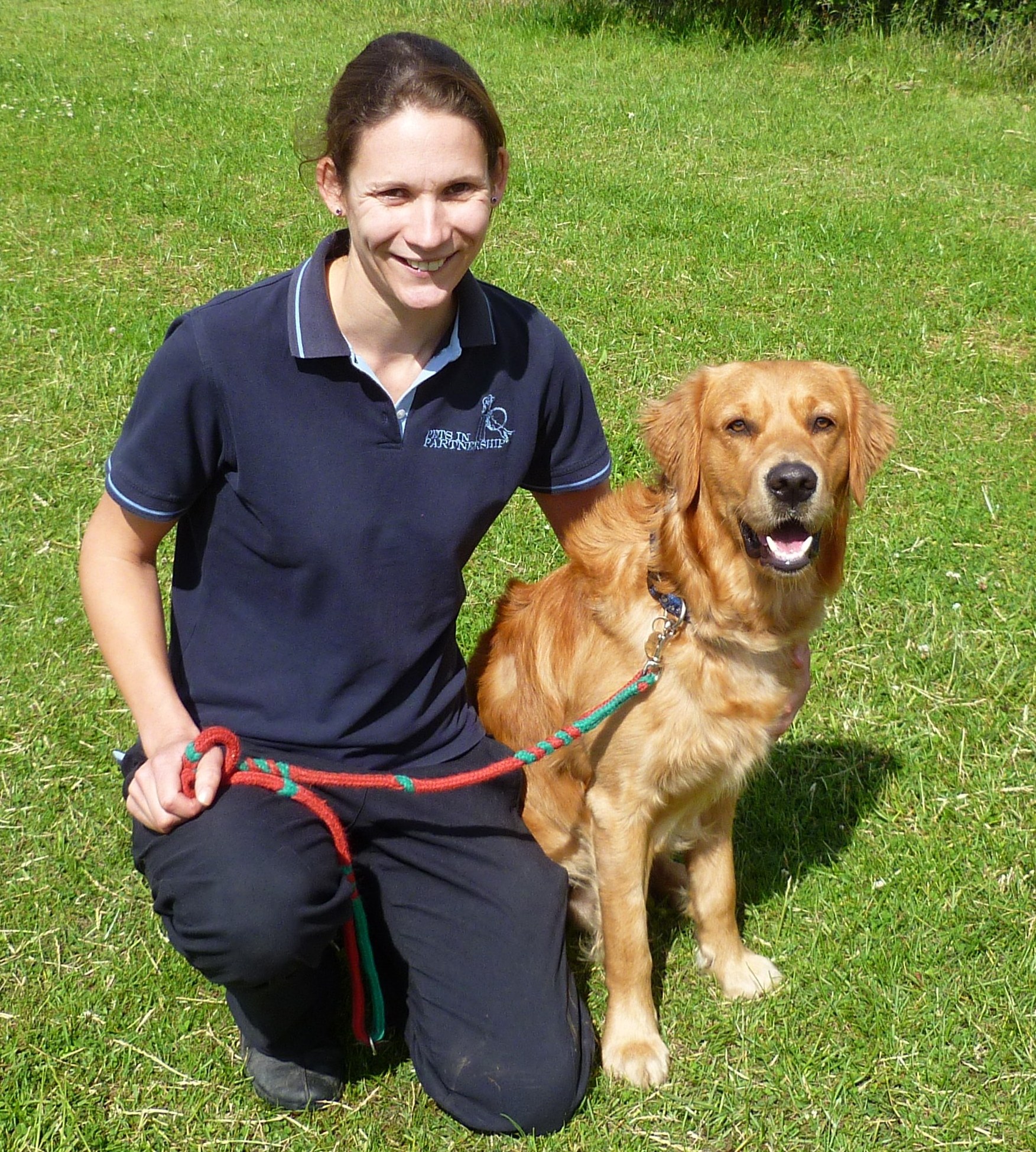
Credit: www.howtobecome.com
Frequently Asked Questions
What Skills Do Professional Dog Trainers Use?
Professional dog trainers use skills in behavior analysis, communication, and positive reinforcement. They understand canine psychology and tailor training to each dog’s needs for effective learning.
How Does A Dog Trainer Improve Pet Behavior?
Dog trainers identify problem behaviors and apply consistent training techniques. They teach dogs commands and social skills to promote obedience and reduce unwanted actions.
Can Dog Trainers Help With Aggressive Dogs?
Yes, dog trainers specialize in behavior modification for aggressive dogs. They use controlled exposure and reward-based methods to reduce aggression safely.
What Methods Do Dog Trainers Use To Train Dogs?
Dog trainers commonly use positive reinforcement, clicker training, and obedience commands. These methods encourage good behavior and strengthen the bond between dog and owner.
Conclusion
A dog trainer helps dogs learn good behavior and skills. They teach owners how to communicate with their pets clearly. Training builds trust between dogs and people. It also keeps dogs safe and happy. A trainer’s work makes life easier for both dogs and owners.
Understanding what a dog trainer does can help you decide if training is right for you. Good training creates a strong, friendly bond. It takes patience and practice but brings great rewards. Dogs and owners both benefit from the effort.


