

Choosing the right food for your dog is more than just picking a brand off the shelf. You want to give your furry friend the best nutrition to keep them happy, healthy, and full of energy.
But with so many options out there, how do you know which dog food truly offers the best nutritional value? You’ll discover what makes dog food stand out and how to spot the ingredients that give your pet the fuel they need.
Keep reading to find the answer that can transform your dog’s health starting today.
Key Nutrients For Dogs
Dogs need the right nutrients to stay healthy and active. Good dog food must have these key nutrients in the right amounts. These nutrients help dogs grow, stay strong, and live longer. Each nutrient plays an important role in your dog’s body. Understanding these nutrients helps you choose the best food for your dog.
Proteins And Amino Acids
Proteins build muscles and repair tissues. Dogs need high-quality protein from meat, fish, or eggs. Amino acids are the building blocks of protein. Some amino acids are essential and must come from food. Without enough protein, dogs can lose muscle and feel weak.
Fats And Fatty Acids
Fats give dogs energy and help absorb vitamins. They also keep the skin and coat healthy. Omega-3 and Omega-6 fatty acids are very important. These fats reduce inflammation and support brain health. Good dog food has balanced fats for overall wellness.
Carbohydrates And Fiber
Carbohydrates provide energy for daily activities. Fiber helps with digestion and keeps the stomach healthy. Fiber also helps prevent constipation. Whole grains, vegetables, and fruits are good sources of carbs and fiber. Dogs need moderate carbs for steady energy.
Vitamins And Minerals
Vitamins and minerals support many body functions. They help the immune system and keep bones strong. Vitamins A, D, E, and B-complex are crucial. Minerals like calcium, phosphorus, and zinc are important too. Balanced vitamins and minerals keep dogs healthy and active.
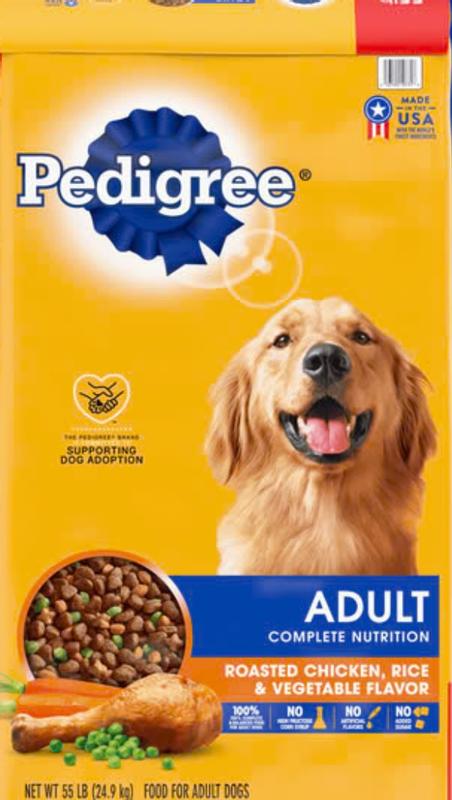
Credit: www.pedigree.com
Types Of Dog Food
Choosing the right dog food is important for your pet’s health. Different types of dog food offer various benefits. Understanding these types helps you pick the best option for your dog’s nutrition. Each type has unique features and ingredients. Here is an overview of common dog food types.
Dry Kibble
Dry kibble is the most common dog food. It is easy to store and serve. Kibble helps keep your dog’s teeth clean. It usually contains balanced nutrients. Many brands offer formulas for different dog ages and needs. Kibble tends to be affordable and lasts longer.
Canned Wet Food
Wet food has high moisture content. It is soft and easy to eat. Wet food often smells stronger, which dogs like. It can be good for dogs with dental issues. Wet food usually has fewer preservatives. It comes in many flavors and recipes.
Raw And Freeze-dried Diets
Raw diets use uncooked meats and vegetables. They aim to mimic a dog’s natural diet. Freeze-dried food preserves raw ingredients by removing moisture. These diets provide high protein and nutrients. They may improve coat shine and energy. Careful handling is needed to avoid bacteria.
Homemade Meals
Homemade meals give full control over ingredients. You can use fresh meats, grains, and vegetables. Cooking at home helps avoid additives and fillers. Recipes must be balanced to meet all dog needs. Consulting a vet ensures safe nutrition. Homemade food can be tailored for allergies or sensitivities.
Top Brands With High Nutritional Value
Choosing the best dog food means finding brands that offer great nutrition. The right food supports your dog’s health, energy, and happiness. Many brands focus on quality ingredients and balanced nutrients. This section highlights top brands known for high nutritional value.
These brands provide options for different needs. Whether your dog needs grain-free, organic, or special diet food, there are trusted choices. Quality dog food helps maintain strong muscles, healthy skin, and a shiny coat.
Premium Commercial Brands
Premium commercial brands use high-quality ingredients. They often include real meat, vegetables, and grains. These brands avoid fillers and artificial additives. They focus on balanced protein, fat, and vitamins. Examples include brands like Blue Buffalo and Wellness. These foods meet nutritional standards set by experts.
Grain-free Options
Grain-free dog food suits dogs with allergies or sensitivities. These diets replace grains with potatoes, peas, or lentils. Grain-free foods still provide needed energy and nutrients. Brands like Taste of the Wild and Merrick offer good grain-free options. These formulas help dogs with digestive issues feel better.
Organic And Natural Choices
Organic and natural dog foods use ingredients grown without chemicals. They avoid synthetic pesticides and fertilizers. These brands focus on pure, fresh ingredients. Natural diets support overall health and immune system strength. Examples include Castor & Pollux and Natural Balance. They offer tasty meals with fewer additives.
Specialty Diets For Health Conditions
Specialty diets help dogs with specific health problems. These include formulas for weight control, kidney health, or allergies. Veterinary brands like Hill’s Prescription Diet and Royal Canin create these foods. They balance nutrients carefully to support healing and well-being. Choosing the right specialty diet can improve your dog’s life.
How To Read Dog Food Labels
Reading dog food labels can be tricky. The label holds important information about the food’s quality. Understanding labels helps you choose the best nutrition for your dog. Focus on key sections to know what your dog really eats.
Ingredients To Look For
Check the first ingredients on the list. They should be real meat, like chicken or beef. Whole grains such as brown rice or oats add good energy. Vegetables like carrots or peas provide vitamins and fiber. Avoid foods with vague terms like “meat meal” or “by-products.”
Avoiding Harmful Additives
Stay away from artificial colors and flavors. These can cause allergies or upset stomachs. Watch for preservatives like BHA, BHT, or ethoxyquin. These chemicals may harm your dog over time. Natural preservatives like vitamin E and C are safer choices.
Guaranteed Analysis Breakdown
This section shows protein, fat, fiber, and moisture levels. Protein is important for muscle and energy. Fat supports skin and coat health. Fiber helps with digestion. Moisture shows water content. Compare these numbers to your dog’s needs for a balanced diet.
Factors Affecting Nutritional Needs
Choosing the best dog food depends on many factors. Each dog has unique nutritional needs. These needs change based on different aspects of the dog’s life. Understanding these factors helps in picking the right food. It ensures your dog stays healthy and happy.
Age And Life Stage
Puppies need more calories and nutrients than adult dogs. They require food rich in protein and fat for growth. Adult dogs need balanced food to maintain weight and energy. Senior dogs benefit from food that supports joint health and digestion. Feeding the right diet at each life stage helps dogs thrive.
Breed And Size
Small breeds have faster metabolisms and need nutrient-dense food. Large breeds require food that supports bone and joint health. Some breeds have special dietary needs due to genetics. Tailoring food to breed and size supports overall well-being.
Activity Level
Active dogs burn more calories and need extra energy. Working or sporting dogs need protein and fat for endurance. Less active dogs need fewer calories to avoid weight gain. Adjusting food based on activity keeps dogs fit and strong.
Health Issues
Health problems affect a dog’s diet requirements. Dogs with allergies need limited ingredient foods. Dogs with kidney or liver issues require special diets. Consulting a vet helps find the best food for health needs.

Credit: www.businessinsider.com
Tips For Choosing The Best Dog Food
Choosing the best dog food can be confusing. Many options exist, each with different ingredients and claims. Knowing how to pick the right food helps keep your dog healthy and happy. Simple tips guide you through this important choice.
Consulting Your Veterinarian
Your veterinarian knows your dog’s health needs best. They can recommend foods that match your dog’s age, breed, and health condition. Discuss allergies, weight, and activity level with the vet. This advice ensures your dog gets proper nutrition.
Trial And Observation
Try small amounts of different dog foods. Watch how your dog reacts. Check for energy levels, coat shine, and digestion. Notice any allergies or upset stomachs. This step helps find food that suits your dog well.
Balancing Cost And Quality
Good dog food does not always mean expensive. Look for foods with high-quality ingredients. Avoid cheap fillers like corn or wheat. Choose brands that provide clear ingredient lists. Balance price with nutrition for the best value.

Credit: www.chewy.com
Frequently Asked Questions
What Ingredients Ensure The Best Nutritional Dog Food?
High-quality protein, healthy fats, and whole grains ensure the best dog food nutrition. Essential vitamins and minerals also matter. Avoid artificial additives and fillers for optimal health.
How To Identify Dog Food With Balanced Nutrition?
Check the ingredient list and guaranteed analysis. Look for proteins, fats, carbohydrates, vitamins, and minerals in proper ratios. Consult AAFCO standards for complete nutrition.
Does Breed Size Affect Dog Food Nutritional Value?
Yes, breed size impacts nutritional needs. Small breeds need calorie-dense food. Large breeds require balanced nutrients to support joints and bones. Always choose size-specific formulas.
Are Grain-free Dog Foods Nutritionally Better?
Not necessarily. Grain-free foods suit dogs with allergies but may lack fiber. Most dogs digest grains well. Consult your vet before switching to grain-free.
Conclusion
Choosing dog food with good nutrition helps keep pets healthy and happy. Check ingredients for proteins, fats, vitamins, and minerals. Avoid foods with fillers or artificial additives. Remember, each dog’s needs differ by age, size, and health. Consult a vet for personalized advice.
Feeding quality food supports strong bones, shiny coats, and good energy. Healthy meals mean a longer, happier life for your dog. Simple steps make a big difference in your pet’s well-being.


