

If you have a growing puppy at home, you might be wondering exactly when to switch your dog from puppy food to adult food. Feeding your furry friend the right food at the right time is crucial for their health and happiness.
Too early or too late can affect their growth, energy, and overall well-being. You’ll discover the key signs to watch for and how to make the transition smooth and safe. Keep reading to give your dog the best nutrition every step of the way.
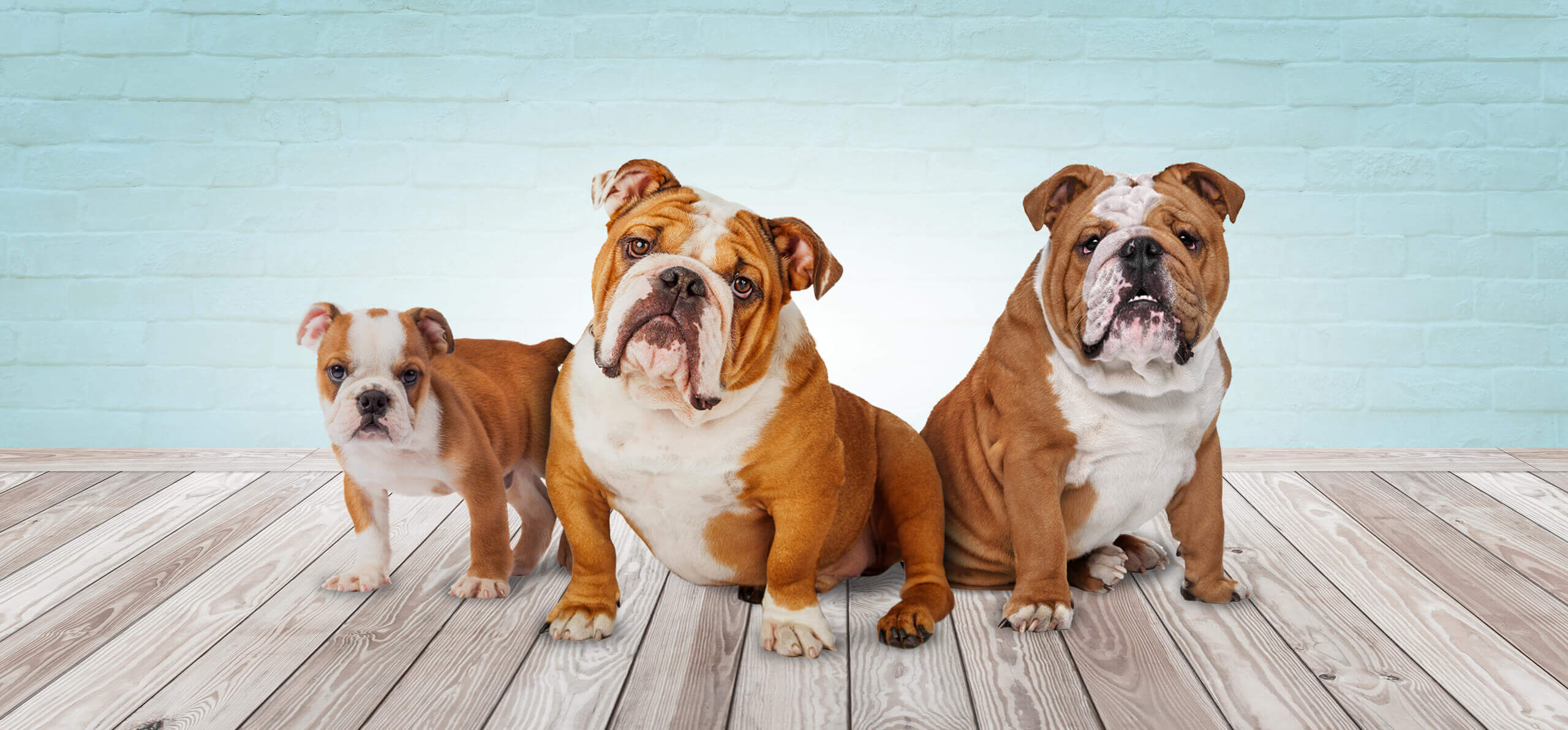
Credit: www.bluebuffalo.com
Signs Your Puppy Is Ready
Knowing when to switch your puppy from puppy food to adult food is important for their health. Puppies grow fast, and their diet needs change as they mature. Watch for signs that show your puppy is ready for the new food. These signs help you give the right nutrients at the right time.
Age Milestones
Puppies usually switch to adult food between 9 and 12 months old. Small breeds may switch earlier, around 9 months. Large breeds often need puppy food longer, sometimes up to 18 months. Age is a good starting point to know when to change their diet.
Weight And Size
Check your puppy’s weight and size. When they reach about 80% of their adult weight, they may be ready. Growth slows down at this stage. Their body needs different nutrients for maintenance, not rapid growth. This signals it’s time to change their food.
Behavioral Changes
Notice how your puppy acts. Puppies become calmer and less hyper as they grow. Their energy needs drop a bit. They may eat less than before. These changes show their body is maturing and adult food is a better fit now.

Credit: www.help.sc.ug
Nutritional Differences
Understanding the nutritional differences between puppy food and adult dog food is important. Dogs need different nutrients as they grow. Puppy food supports rapid growth and energy needs. Adult dog food maintains health and weight.
Puppy Food Benefits
Puppy food has more protein and fat than adult food. These nutrients help build strong muscles and bones. Puppies need extra calories to fuel their active play and growth. Puppy food also has special vitamins and minerals. These support brain and eye development. The texture is softer to help puppies chew.
Adult Food Requirements
Adult dog food has fewer calories to prevent weight gain. It contains balanced nutrients to keep dogs healthy. Protein levels are lower but still enough to maintain muscles. Adult food includes fiber for good digestion. It also has antioxidants to support the immune system. The kibble size is larger to match adult teeth.
Breed-specific Timelines
Different dog breeds grow at different speeds. This affects when you should change their food from puppy to adult. Knowing the right time helps keep your dog healthy and strong. The size of your dog plays a big role in this timeline.
Small Breeds
Small dogs grow faster than big dogs. Most small breeds reach full size by 9 to 12 months. You can switch them to adult food around this age. Changing too early may cause nutrient gaps. Wait until they stop growing.
Medium Breeds
Medium dogs take a bit longer to grow. They usually mature between 12 and 15 months. Switching to adult food is best after this period. Their bodies need puppy food nutrients until fully grown. This helps their bones and muscles develop well.
Large Breeds
Large dogs grow slow and steady. They may keep growing up to 18 or 24 months. Use puppy food longer to support their growth. Switch to adult food only when they reach full size. This prevents growth problems and keeps joints healthy.
Transitioning Tips
Switching your dog from puppy food to adult food requires care. Sudden changes can upset their stomach and mood. Follow these tips to make the transition smooth and safe. Watch your dog’s reactions closely during the change. This helps avoid health problems and keeps your dog happy.
Gradual Food Changes
Start by mixing a small amount of adult food with puppy food. Increase adult food slowly over 7 to 10 days. This helps your dog’s system adjust without stress. Sudden switches can cause refusal to eat or stomach upset. Patience is key for a smooth transition.
Monitoring Health
Observe your dog’s energy and coat condition daily. Check for changes in weight or appetite. Look for signs of allergies like itching or redness. Note any vomiting or diarrhea. Consult a vet if you see unusual symptoms. Keeping track helps catch problems early.
Avoiding Digestive Issues
Feed smaller, frequent meals during the transition. Avoid giving treats or table scraps that confuse digestion. Ensure fresh water is always available. Digestive problems often occur from quick changes or overfeeding. A calm digestive system means a happy dog.
Consulting Your Veterinarian
Deciding when to switch your dog from puppy food to adult food requires careful thought. Your veterinarian plays a key role in this decision. They understand your dog’s unique needs and growth patterns. Consulting a vet ensures your dog gets the right nutrition at the right time. It also helps avoid digestive problems or nutrient gaps during the switch.
Tailored Advice
Every dog grows differently. Vets offer advice based on your dog’s breed, size, and health. They can tell you the best age to start adult food. This advice helps your dog stay healthy and strong. Following a vet’s guidance makes the transition smooth and safe.
Health Assessments
Vets check your dog’s overall health before making food changes. They look at weight, energy, and coat condition. This check helps spot any issues early. Health assessments ensure your dog is ready for adult food. They prevent feeding problems and support good growth.

Credit: www.scala-santa.com
Frequently Asked Questions
When Should I Switch My Puppy To Adult Dog Food?
Switch your puppy to adult food between 9 to 12 months old. Large breeds may need longer, up to 18 months. Consult your vet for breed-specific advice.
How Do I Know My Dog Is Ready For Adult Food?
Signs include slowed growth, stable weight, and less energy than a puppy. Your vet can confirm if your dog is ready.
Can Switching Too Early Harm My Puppy?
Yes, early switching can cause nutrient deficiencies. Puppy food supports growth, so wait until your dog’s growth phase ends.
What Are The Benefits Of Adult Dog Food?
Adult food meets mature dogs’ needs with balanced nutrients. It helps maintain healthy weight and supports overall health after growth.
Conclusion
Switching your dog from puppy to adult food is important for health. Watch their age and size to know the right time. Too early or late can cause problems. Choose food that fits their needs and activity level. Always check with your vet for advice.
A smooth change helps your dog stay happy and strong. Keep an eye on their weight and energy during the switch. This simple step supports your dog’s growth and well-being every day.


