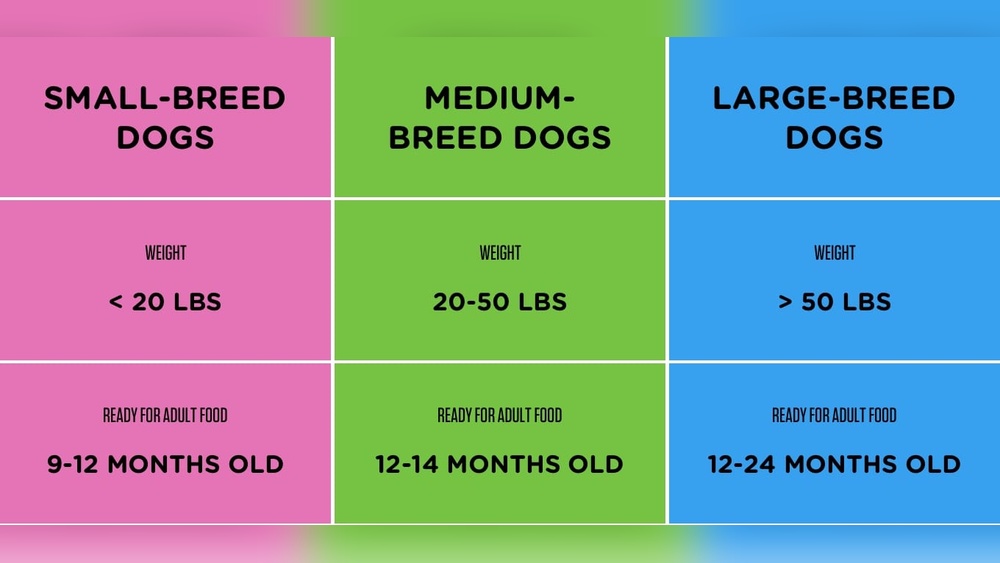
Are you wondering what might happen if you feed your puppy adult dog food? It’s a question many dog owners ask, especially when they want the best for their furry friend.
Feeding your puppy the right food is crucial for their growth, energy, and overall health. But what if you give them adult dog food instead? Could it harm them, or is it safe? Keep reading to discover the surprising effects this choice can have on your puppy’s development and how to make sure you’re giving them the nutrition they truly need.
Puppy Nutritional Needs
Puppies need special food to grow healthy and strong. Their bodies develop fast. Nutrients must support bones, muscles, and organs. Feeding adult dog food to puppies can miss these needs. Understanding what puppies need helps make better food choices.
Essential Nutrients For Growth
Puppies need more protein than adult dogs. Protein builds muscles and tissues quickly. Fat is important too. It gives energy for play and learning. Puppies also require calcium and phosphorus. These minerals strengthen bones and teeth. Vitamins and minerals help the immune system. Balanced nutrition supports brain and eye development. Without enough nutrients, growth may slow or stop.
Differences Between Puppy And Adult Food
Puppy food has more calories than adult food. This extra energy helps puppies stay active. The protein in puppy food is higher quality. It contains amino acids needed for growth. Adult food has fewer nutrients for growing bodies. Puppy food has the right calcium balance. Too much or too little can harm bones. Adult food may not support brain development as well. Feeding adult food to puppies may cause nutrient gaps.

Credit: mcdavidbalkans.com
Risks Of Feeding Adult Food To Puppies
Feeding adult dog food to puppies can cause serious health problems. Puppies need special nutrition to grow strong and healthy. Adult dog food does not meet these needs. This can lead to risks that affect their development and wellbeing.
Understanding these risks helps you protect your puppy’s health and growth. Here are the main problems caused by feeding adult food to puppies.
Nutrient Deficiencies
Puppies need more protein, fat, and vitamins than adult dogs. Adult food has lower levels of these nutrients. This can cause slow growth and weak muscles. Essential vitamins like calcium and phosphorus may also be too low. Without enough nutrients, puppies may not develop properly.
Impact On Bone Development
Proper bone growth requires balanced nutrition. Adult dog food often has the wrong calcium-to-phosphorus ratio. This imbalance can lead to weak or misshapen bones. Puppies may develop joint problems or arthritis later. Strong bones need the right nutrients at the right time.
Digestive Issues
Puppies have sensitive stomachs. Adult food can be harder to digest. It may cause diarrhea, constipation, or upset stomach. This leads to poor nutrient absorption and dehydration. Digestive problems slow down a puppy’s growth and make them uncomfortable.
Behavioral Changes To Watch For
Feeding a puppy adult dog food can cause changes in behavior. These changes may be subtle or clear. Watching your puppy closely helps you notice these signs early. Behavioral changes often link to nutrition and energy supply. This section highlights key behaviors to watch for in your puppy.
Energy Levels And Activity
Puppies need high energy to grow and play. Adult dog food may not provide enough calories. Your puppy might seem less active or tired more often. Playtime may become shorter or less frequent. Watch for unusual sluggishness or lack of interest in toys. These signs suggest your puppy lacks proper fuel for growth.
Appetite And Eating Habits
Changes in food type can affect appetite. Your puppy may eat less or more than usual. Some puppies reject adult food due to taste or texture. Others may eat quickly but still feel hungry. Sudden changes in eating habits can signal discomfort or nutritional gaps. Keep an eye on how much and how often your puppy eats.

Credit: www.bluebuffalo.com
Long-term Health Consequences
Feeding a puppy adult dog food can cause serious health problems over time. Puppies need specific nutrients to grow strong and healthy. Adult dog food lacks these essential nutrients. This can lead to long-term health issues that affect your puppy’s life.
Growth Disorders
Puppies need extra protein, calcium, and fat to grow properly. Adult dog food has less of these nutrients. This can slow down bone and muscle development. Growth disorders may cause weak bones or joint problems later. Your puppy might not reach its full size or strength.
Weakened Immune System
Puppies need vitamins and minerals to build a strong immune system. Adult dog food does not meet these needs fully. A weak immune system makes puppies more likely to get sick. They may catch infections or recover slowly from illness. A strong immune system is vital for a healthy puppy.
Potential For Obesity
Adult dog food has more calories than puppy food needs. Over time, this can cause weight gain in puppies. Obesity leads to many health problems like heart disease and diabetes. It also puts extra stress on growing bones and joints. Keeping your puppy at a healthy weight is important for long-term health.
Safe Feeding Practices For Puppies
Feeding puppies the right food is crucial for their health and growth. Safe feeding practices help puppies get the nutrients they need. Adult dog food lacks some nutrients vital for puppies. This section explains how to feed your puppy safely and correctly.
Choosing The Right Puppy Food
Puppy food has more protein and fat than adult food. These nutrients support strong bones and muscles. Look for foods labeled “complete and balanced for puppies.” Avoid feeding adult food only. It can cause nutritional gaps and slow growth.
Transitioning Between Food Types
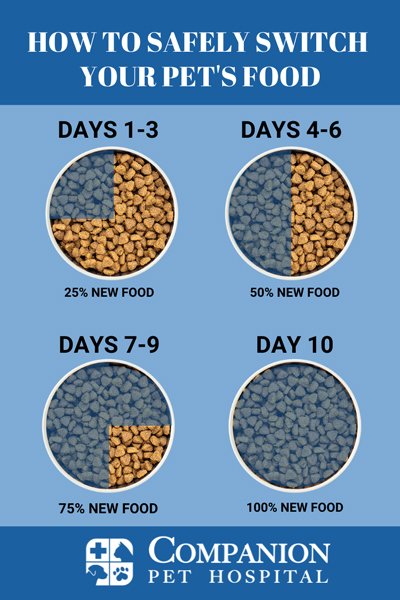
Switch food gradually to avoid stomach upset. Mix small amounts of new food with old food. Increase new food over 7 to 10 days. Watch your puppy for any signs of discomfort. Sudden changes can cause diarrhea or vomiting.
Consulting Your Veterinarian
Your vet knows your puppy’s health needs best. Ask about the right food and feeding schedule. Discuss any concerns about switching foods. A vet can recommend special diets if needed. Regular check-ups ensure your puppy grows strong and healthy.
Credit: companionpethospital.com
Frequently Asked Questions
What Happens If I Feed My Puppy Adult Dog Food?
Feeding adult dog food to a puppy can cause nutrient imbalances. Puppies need extra protein and calories to grow properly. Adult food lacks these essential nutrients, which may lead to stunted growth and weaker immunity. Always choose age-appropriate food for healthy development.
Is Adult Dog Food Safe For Puppies?
Adult dog food is generally safe but not ideal for puppies. It lacks the higher nutrients puppies require for growth. Feeding adult food long-term can cause nutritional deficiencies. Use puppy-specific food to ensure balanced nutrition and support your puppy’s overall health and energy needs.
Can Feeding Adult Food Stunt My Puppy’s Growth?
Yes, feeding adult food can stunt puppy growth. Adult formulas have fewer calories and less protein than puppy food. Puppies need more nutrients to support rapid growth and brain development. Inadequate nutrition from adult food may slow growth and weaken bones and muscles.
How Do Puppy And Adult Dog Food Differ Nutritionally?
Puppy food contains higher protein, fat, and calories than adult food. It also has added vitamins and minerals for growth and brain development. Adult food focuses on maintenance and weight control with lower nutrient levels. Proper nutrition depends on feeding the correct formula based on age.
Conclusion
Feeding a puppy adult dog food can affect growth and health. Puppies need extra nutrients to build strong bones and muscles. Adult food may lack these important elements. This can lead to poor development and low energy. Always choose food made for puppies during their early months.
Good nutrition helps them grow happy and strong. Remember, healthy puppies become healthy adult dogs. Take care with their diet to give them the best start. Simple choices now can make a big difference later.