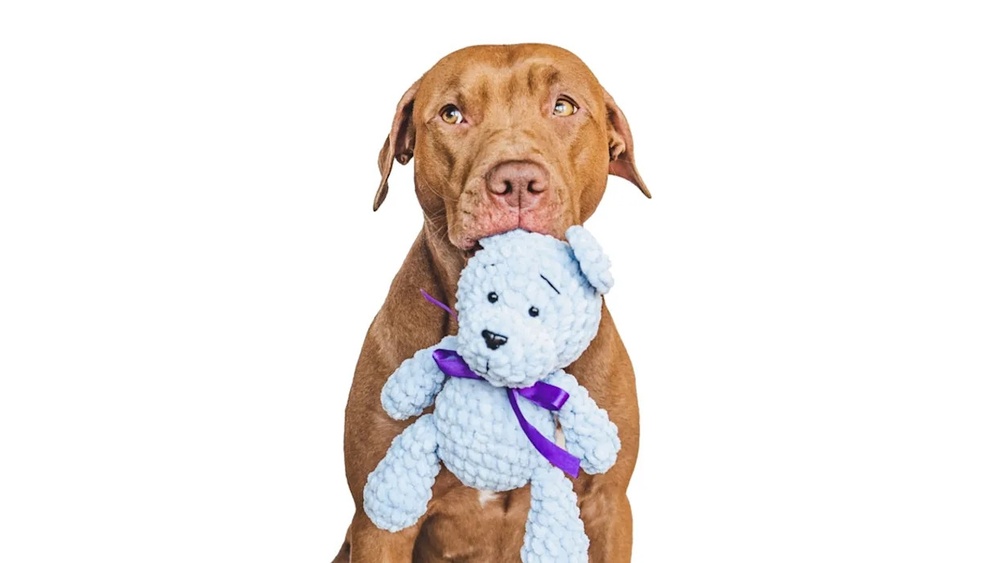
Have you ever noticed your dog chewing her toys right on top of you? It might seem odd or even a little annoying, but there’s more to this behavior than meets the eye.
Understanding why your furry friend chooses to chew her toys near you can reveal important clues about her feelings and needs. If you want to strengthen your bond and make playtime more enjoyable for both of you, keep reading. You’ll discover surprising reasons behind this common habit and learn how to respond in ways that make your dog feel happy and secure.
Reasons Behind Toy Chewing
Dogs chew their toys for many reasons. Understanding these reasons helps you care better for your pet. Chewing is more than just play. It is a way dogs express themselves and meet their needs.
Natural Instincts
Chewing comes from dogs’ natural instincts. Wild dogs chew to keep their teeth clean. It also helps them explore their world. Puppies chew to learn about their environment. Chewing toys satisfies this deep, natural urge.
Stress And Anxiety
Chewing can calm a dog feeling stressed or scared. It acts like a safe outlet for their nervous energy. Dogs may chew more during loud noises or changes. Toys give them comfort and help reduce anxiety.
Seeking Attention
Dogs chew toys to get your attention. They know chewing brings you closer. Sometimes, they want to play or just be near you. This behavior is their way of connecting with you.
Teething And Oral Comfort
Puppies chew because of teething pain. Chewing eases soreness in their gums. Even adult dogs chew to keep their mouths comfortable. Toys offer a safe and satisfying way to do this.
Credit: www.reddit.com
Why Target You During Play
Dogs often chew their toys on you during play. This behavior has reasons beyond just fun. Understanding why your dog chooses you helps build a better bond. It shows how your dog feels safe and connected with you. Let’s explore the main reasons your dog targets you while playing.
Bonding And Trust
Chewing toys on you is a sign of trust. Your dog sees you as a friend and protector. This action strengthens your relationship and creates closeness. It shows your dog feels secure in your presence. Chewing together becomes a shared activity that deepens your bond.
Imitating Social Behavior
Dogs learn by watching others. Chewing toys on you mimics how dogs interact socially. It is a way to communicate and play gently. Your dog treats you as part of its pack. This behavior helps your dog practice social skills with you.
Testing Boundaries
Chewing on you also checks limits. Your dog wants to know what is okay during play. It tests your reactions to understand rules. This helps your dog learn proper behavior. Setting clear boundaries teaches your dog respect and control.
Signs Your Dog Needs More Engagement
Dogs need mental and physical activity every day. Without enough engagement, dogs can show signs of boredom or stress. These signs often appear as unusual chewing or restless behavior. Recognizing these signs helps improve your dog’s happiness and health.
Excessive Chewing Patterns
Chewing is natural for dogs, but too much chewing shows a need for attention. Your dog may chew toys, furniture, or even your belongings. This behavior increases if your dog feels lonely or bored. Providing more playtime and new toys can reduce excessive chewing.
Destructive Behavior
Destruction goes beyond chewing toys. Dogs might tear cushions, dig in the yard, or scratch doors. These actions point to frustration or lack of stimulation. Dogs need tasks or games to keep their minds busy. Without this, they may destroy things to release energy.
Restlessness And Whining
Restless dogs often pace or cannot settle down. Whining or barking can mean they want attention or are stressed. These signs show your dog needs more exercise or interaction. Regular walks and training sessions help calm restless dogs and reduce whining.

Credit: www.reddit.com
How To Redirect Chewing Behavior
Redirecting your dog’s chewing behavior helps protect your belongings and keeps your dog happy. Dogs chew for many reasons like teething, boredom, or stress. Teaching your dog what to chew can stop unwanted chewing.
Providing Suitable Toys
Give your dog toys that are safe and strong. Choose toys made for chewing, like rubber or nylon. Offer different textures to keep your dog interested. Replace worn-out toys to avoid accidents. Keep toys in reach so your dog can use them anytime.
Positive Reinforcement
Praise your dog when she chews her toys. Use treats or kind words to reward good behavior. Avoid yelling or punishment; it can confuse your dog. Redirect her gently to a toy if she chews on you. Consistency helps your dog learn faster.
Regular Exercise And Mental Stimulation
Exercise helps reduce your dog’s need to chew. Walks, playtime, and training keep her active. Mental games like puzzle feeders challenge her mind. A tired dog chews less out of boredom. Set a daily routine to keep her busy and calm.
When To Seek Professional Help
Knowing when to seek professional help is key to managing your dog’s chewing behavior. Some signs show that you might need expert advice. Early action can prevent bigger problems.
Persistent Aggression
Chewing can sometimes show aggression. If your dog growls or snaps while chewing toys on you, it is a warning sign. Aggression that lasts or gets worse needs a professional’s attention. Trainers or vets can help control this behavior safely.
Chewing Despite Training
You may train your dog many times. Yet, she keeps chewing her toys on you. This shows training is not working. A behavior specialist can find the root cause. They offer new methods to stop unwanted chewing.
Underlying Health Issues
Chewing can mean pain or discomfort. Dogs sometimes chew because of teeth or mouth problems. Other health issues can cause anxiety or stress, leading to chewing. A vet checkup can find hidden health problems. Treating these issues can reduce chewing on you.

Credit: www.reddit.com
Frequently Asked Questions
Why Does My Dog Chew Toys Near Me?
Dogs chew toys near you to seek attention and feel connected. It’s their way to bond and engage with you actively.
Is Chewing Toys A Sign Of Affection In Dogs?
Yes, chewing toys around you often shows affection. It means your dog feels safe and wants to share playful moments.
Can Chewing Toys On Me Indicate Anxiety?
Chewing toys near you can signal anxiety. Dogs use chewing as a calming behavior when they feel stressed or insecure.
How To Discourage My Dog From Chewing Toys On Me?
Redirect your dog with appropriate toys and praise good behavior. Consistent training and offering alternatives reduce unwanted chewing on you.
Conclusion
Dogs chew their toys on you to show love and trust. It helps them feel close and safe. Chewing also keeps their teeth clean and minds busy. Pay attention to their behavior and needs. Give them safe toys and praise good chewing habits.
This strengthens your bond and keeps your dog happy. Understanding why your dog chews helps you care better. Enjoy the special moments this simple act brings.