

Have you ever watched your dog happily tear apart their favorite toy and wondered, “Why do they do that?” It can be frustrating to see your furry friend destroy something you bought with love. But understanding why dogs rip up toys can help you keep them happy and save your wallet.
You’ll discover the surprising reasons behind this behavior and learn simple tips to manage it. Keep reading—you might be surprised by what your dog is really trying to tell you.
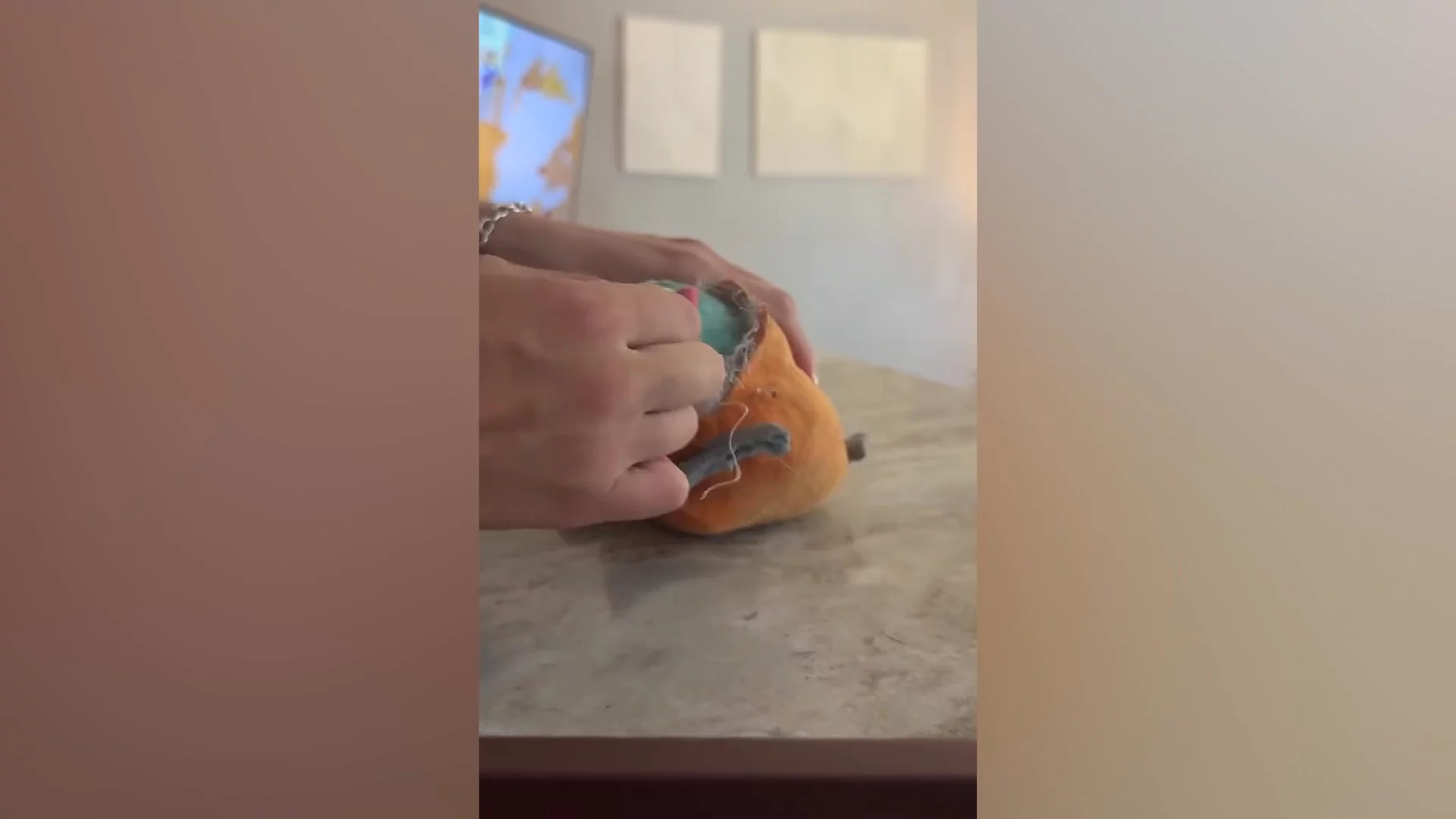
Credit: www.newsweek.com
Reasons Dogs Tear Up Toys
Dogs often tear up their toys for several natural and emotional reasons. Understanding why helps owners manage and guide this behavior better. Dogs use their mouths to explore and express feelings. Toys become tools for communication, play, or relief.
Instinctual Behavior
Tearing toys mimics hunting and chewing instincts. Dogs naturally bite and rip to simulate catching prey. This behavior is part of their genetic makeup. It provides mental and physical stimulation that satisfies their natural urges.
Boredom And Excess Energy
Dogs destroy toys when they feel bored or restless. Lack of exercise or mental challenges leads to this behavior. Toys become a way to release pent-up energy. Regular playtime and walks can reduce toy destruction.
Teething And Oral Discomfort
Puppies and young dogs tear toys to ease teething pain. Chewing soothes sore gums and helps teeth grow properly. Providing safe, durable chew toys helps reduce damage to other items.
Seeking Attention
Some dogs rip toys to get their owner’s attention. They learn this behavior brings a reaction. Even negative attention feels better than being ignored. Offering praise for calm behavior helps change this habit.
Frustration Or Anxiety
Stress and anxiety cause dogs to chew destructively. Toys become outlets for nervous energy and frustration. Separation anxiety often leads to increased toy destruction. Comfort and consistent routines help ease these feelings.
Types Of Dogs Prone To Toy Destruction
Some dogs tear up toys more than others. This behavior depends on their breed, age, and feelings. Knowing which dogs are more likely to destroy toys helps owners choose the right ones. It also helps understand why dogs act this way.
High-energy Breeds
Dogs with lots of energy often chew and rip toys. Breeds like Border Collies, Huskies, and Terriers need much activity. They use toys to burn off energy. Tough toys may not last long with these dogs. They bite hard and play rough.
Puppies Vs Adult Dogs
Puppies chew more than adult dogs. They explore the world with their mouths. Puppies also lose baby teeth, which makes chewing feel good. Adult dogs chew less but some keep the habit. Chewing helps puppies learn and stay busy.
Dogs With Separation Anxiety
Dogs that feel anxious alone often destroy toys. Chewing helps calm their nerves and stress. These dogs may chew furniture or shoes too. They need toys that last and comfort them. Destruction is a way to cope with fear.
Signs Your Dog Needs More Mental Stimulation
Dogs need mental exercise as much as physical activity. Without enough stimulation, they can show signs that something is missing. These signs help you understand if your dog needs more mental challenges. Spotting these signs early can improve your dog’s happiness and behavior.
Restlessness And Hyperactivity
A dog that can’t sit still might need mental tasks. Pacing, whining, or jumping often show boredom. This restlessness means your dog needs activities to focus on. Mental games can calm their busy mind.
Destructive Behavior Beyond Toys
Chewing furniture or digging in the garden shows deeper issues. These actions often happen if your dog feels bored or stressed. It’s not just about toys; your dog needs more mental work. Offering puzzles or training can reduce this behavior.
Lack Of Interest In Play
Dogs that ignore toys or games might feel understimulated. They may seem tired or uninterested in activities once enjoyed. This lack of play shows a need for new mental challenges. Changing routines or introducing fresh games can help.
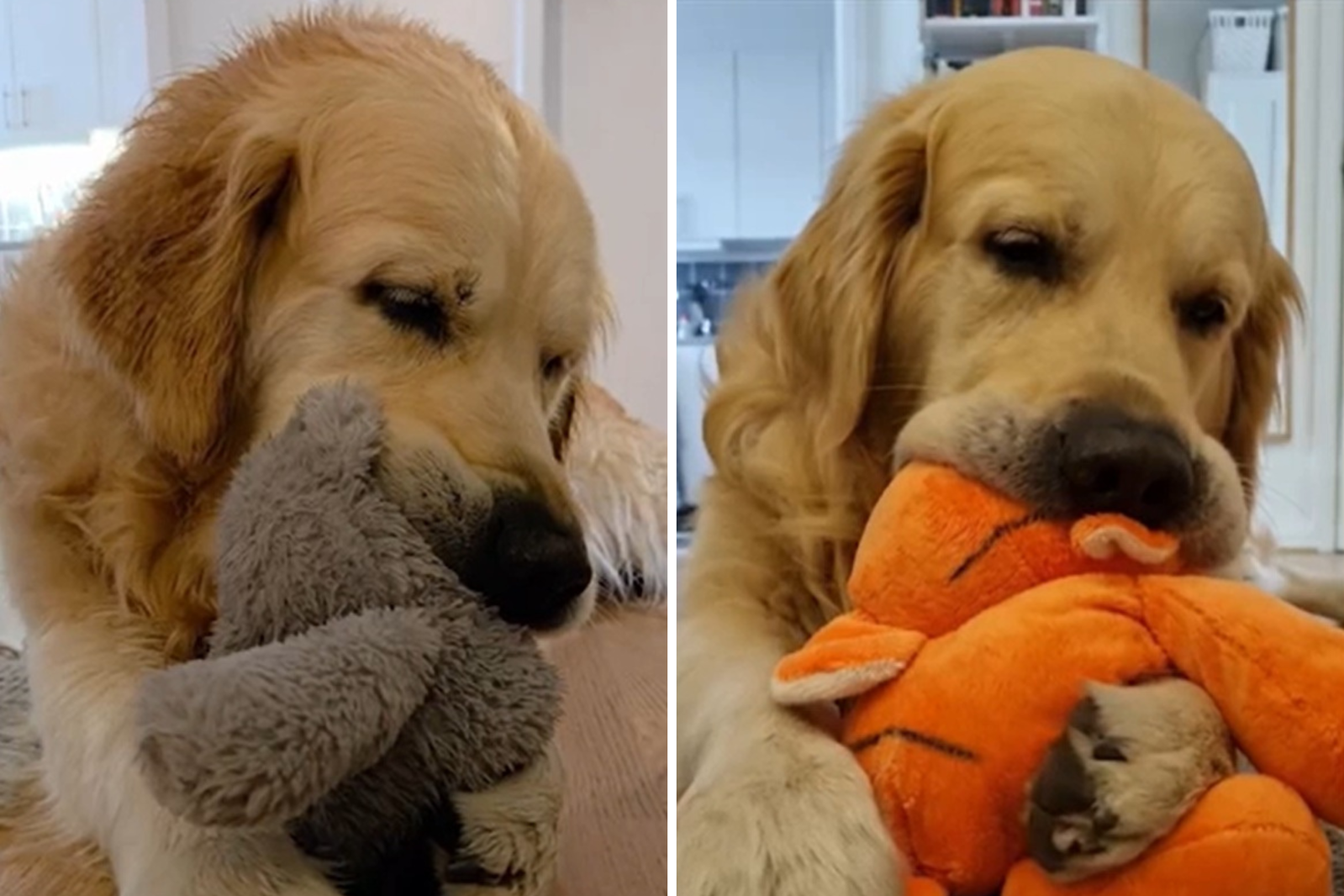
Credit: www.newsweek.com
Choosing Durable Toys
Choosing durable toys for your dog helps protect your home and keeps your pet happy. Dogs often rip toys because they are weak or not suited for chewing. Durable toys last longer and satisfy your dog’s chewing needs safely.
Picking the right toy means thinking about the material, size, and type. These factors make a big difference in how well the toy holds up. Durable toys also keep your dog mentally and physically engaged.
Material Matters
Strong materials resist tearing and biting. Look for toys made of rubber, nylon, or thick canvas. Soft toys break easily and can be dangerous if your dog swallows pieces. Durable materials protect your dog’s teeth and gums too.
Size And Shape Considerations
Pick toys that fit your dog’s mouth comfortably. Too small toys can be swallowed or cause choking. Large toys might be hard to carry or chew. Shapes with no small parts last longer and avoid hazards. Round or simple shapes work well for tough chewers.
Interactive And Puzzle Toys
These toys challenge your dog’s mind and reduce boredom. Durable puzzle toys are usually made from strong plastic or rubber. They keep your dog busy and less likely to destroy other items. Choose puzzles with no loose pieces to keep play safe.
Training Tips To Reduce Toy Destruction
Training your dog to stop destroying toys takes patience and clear steps. Dogs chew for many reasons: boredom, teething, or stress. Teaching them better habits helps protect your belongings and keeps your dog happy. Use simple, consistent training methods to guide your dog. Below are key tips to reduce toy destruction effectively.
Redirecting Chewing Behavior
Give your dog safe toys to chew on instead of your items. Offer a variety of chew toys that match your dog’s size and chewing style. When you see your dog chewing on a wrong item, gently take it away and give a proper toy. This teaches your dog what is okay to chew. Always supervise playtime to stop bad habits early.
Positive Reinforcement Techniques
Praise your dog when it chews the right toys. Use treats and kind words to reward good behavior. Repeat rewards often to strengthen the habit. Avoid punishment, as it can cause fear and confusion. Positive reinforcement builds trust and helps your dog learn faster. Keep training sessions short and fun to keep your dog interested.
Setting Boundaries And Rules
Make clear rules about where your dog can play and chew. Use baby gates or playpens to limit access to fragile items. Teach commands like “leave it” or “drop it” to control chewing. Consistency is key; everyone in the home must follow the rules. Clear boundaries help your dog understand what is allowed and safe.

Credit: smart.dhgate.com
Alternative Activities To Keep Dogs Engaged
Dogs often rip up toys out of boredom or excess energy. Providing alternative activities helps keep dogs happy and busy. These activities focus on mental and physical stimulation to reduce destructive behavior. Engaging your dog in different ways creates a balanced routine and strengthens your bond.
Regular Exercise Routines
Exercise helps dogs release built-up energy. Daily walks or runs improve their health and mood. A tired dog is less likely to destroy toys. Simple activities like fetch or jogging suit many dogs. Consistent exercise also supports good behavior and calmness.
Interactive Play Sessions
Interactive play keeps dogs mentally sharp. Use puzzle toys, treat dispensers, or hide-and-seek games. These activities challenge their minds and prevent boredom. Play sessions also build trust between you and your pet. Short, frequent playtimes work best for most dogs.
Socialization Opportunities
Meeting other dogs helps improve social skills. Dog parks, training classes, or playdates provide interaction. Social time reduces stress and anxiety in dogs. New experiences make them more confident and relaxed. A well-socialized dog shows less destructive behavior at home.
When To Consult A Professional
Sometimes, dogs tear up toys just for fun. Other times, this behavior signals a bigger problem. Knowing when to consult a professional helps keep your dog safe and happy. Early advice can prevent damage and stress for both you and your pet.
Persistent Destructive Behavior
Dogs that destroy toys often may have underlying issues. If ripping up toys happens every day, it is a concern. This behavior can harm your dog’s teeth or digestive system. A professional can find the root cause and offer solutions. Don’t wait until the problem grows worse.
Signs Of Anxiety Or Stress
Some dogs chew toys to relieve stress or anxiety. Watch for other signs like pacing or whining. Changes in appetite or sleep patterns can also indicate stress. Professionals can diagnose anxiety and suggest ways to calm your dog. Early help improves your dog’s quality of life.
Customized Training Plans
Every dog is different. A tailored training plan works best for your dog’s needs. Trainers use positive methods to reduce toy destruction. They teach your dog what is okay to chew. Professional guidance supports long-term good behavior and a happy home.
Frequently Asked Questions
Why Do Dogs Tear Apart Their Toys?
Dogs rip up toys to satisfy their natural chewing instincts. Chewing relieves boredom, stress, and helps keep their teeth clean. Puppies especially chew to soothe teething pain. Some dogs also enjoy the texture and challenge of destroying toys, which provides mental stimulation.
Can Ripping Toys Harm My Dog?
Yes, swallowing toy pieces can cause choking or digestive blockages. Sharp or hard toy fragments may injure your dog’s mouth or intestines. Always supervise playtime and choose durable, dog-safe toys to prevent health risks from destructive chewing.
How Can I Stop My Dog From Destroying Toys?
Provide durable, chew-resistant toys designed for aggressive chewers. Rotate toys regularly to keep your dog interested. Offer plenty of exercise and mental stimulation to reduce boredom-driven chewing. Training commands like “leave it” can also help manage destructive behavior.
Do All Dogs Enjoy Ripping Toys Apart?
Not all dogs rip toys; behavior varies by personality and breed. Some dogs prefer gentle chewing or playing fetch. Destructive chewing is more common in puppies and high-energy or anxious dogs. Understanding your dog’s needs helps manage their chewing habits effectively.
Conclusion
Dogs rip up toys because they feel bored or need to chew. Chewing helps them relax and explore their world. Sometimes, toys are not strong enough for their jaws. Choosing durable toys can keep dogs happy longer. Giving dogs enough playtime reduces their urge to destroy things.
Understanding why dogs chew helps owners care better. It also keeps homes safe and clean. Remember, patience and good toys make a big difference. Keep your dog busy and healthy with the right choices.


