

Have you ever wondered which dog breeds look and act the most like wolves? If you’re curious about the connection between your furry friend and their wild ancestors, you’re in the right place.
Discovering which dogs share the strongest traits with wolves can change how you see your pet—and maybe even how you care for them. Keep reading to find out which breeds have the closest ties to wolves and what that means for you as a dog owner.
Wolf-dog Connection
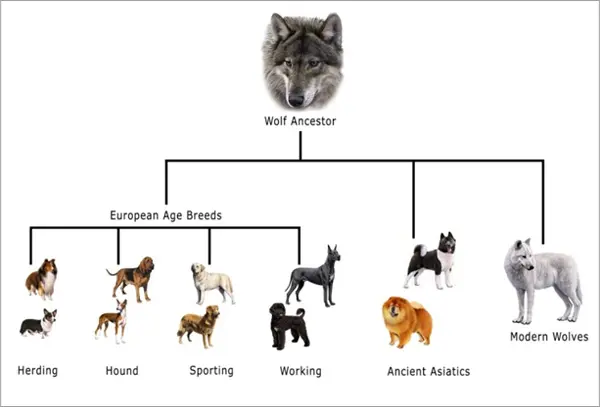
The bond between dogs and wolves is deep and ancient. Dogs descended from wolves thousands of years ago. This shared past shapes many dog breeds today.
Some dog breeds still show strong wolf-like qualities. These breeds keep traits that link them closely to their wild ancestors. Understanding this connection helps us appreciate these special dogs.
Genetic Link Between Dogs And Wolves
Dogs and wolves share about 99.9% of their DNA. This close genetic match proves they come from the same ancestor. Scientists use DNA tests to trace this link. Some dog breeds have DNA closer to wolves than others. These breeds often look and behave more like wolves.
Traits Shared With Wolves
Many dog breeds share physical traits with wolves. They have similar fur colors, strong jaws, and sharp senses. Behaviorally, these dogs may be more independent and alert. They often show pack loyalty and strong hunting instincts. These traits remind us of the wild wolf heritage.
Alaskan Malamute
The Alaskan Malamute is a strong and ancient dog breed. It was originally bred for pulling heavy sleds in cold Arctic regions. This breed shares many traits with wolves, both in looks and behavior. Its history and nature make it one of the closest dog breeds to wolves.
Appearance And Behavior
The Alaskan Malamute has a thick double coat. Its fur helps protect it from freezing temperatures. This breed has a broad head and erect ears, which resemble wolf features. Its body is muscular and built for endurance. Malamutes are known for their strength and stamina.
They are friendly but independent dogs. Malamutes are social animals and enjoy being part of a family. They can be stubborn but are loyal and affectionate. These dogs need lots of exercise and mental stimulation daily. Without activity, they may become bored and restless.
Wolf-like Characteristics
Alaskan Malamutes share many traits with wolves. Their howling is similar to wolf calls. They have a strong pack instinct and often try to lead or protect their family. Their keen senses and alertness come from their wild ancestors.
Their body language also shows wolf-like traits. They use tail movements, facial expressions, and postures to communicate. This helps them bond with other dogs and humans. The Malamute’s hunting and tracking instincts remain strong, showing its close ties to wolves.
Siberian Husky
The Siberian Husky is a well-known dog breed with strong ties to its wild ancestors. This breed was originally bred by the Chukchi people in Siberia. They used Huskies as sled dogs, relying on their strength and endurance in harsh conditions. Huskies share many traits with wolves, making them one of the closest dog breeds to these wild animals.
Physical Traits
Siberian Huskies have a wolf-like appearance. They have thick double coats that protect them from cold weather. Their eyes can be blue, brown, or even one of each. Huskies have erect ears and a bushy tail that curls over their back. Their bodies are medium-sized and well-muscled. Their face markings often resemble those of wolves. Their strong legs and paws help them run long distances on snow and ice.
Temperament Similarities
Huskies show behaviors similar to wolves. They are very social and enjoy pack life. These dogs are intelligent and curious. They have a strong prey drive and love to explore. Huskies are independent but loyal to their family. They communicate with howls and other vocal sounds, much like wolves. Their energy levels are high, needing lots of exercise and mental stimulation.
Alaskan Klee Kai
The Alaskan Klee Kai is a small dog breed that looks like a tiny wolf. It was bred in Alaska to be a companion dog with the wolf’s appearance. This breed is smart, alert, and full of energy. People love its wolf-like looks combined with a friendly nature.
Breed Overview
The Alaskan Klee Kai is a rare breed. It weighs between 10 and 20 pounds. This breed comes in three sizes: toy, mini, and standard. The coat is thick and can be black, gray, or red with white markings. They have a strong hunting and herding background.
This breed is loyal and forms close bonds with families. They need regular exercise and mental challenges. The Alaskan Klee Kai adapts well to apartment living but enjoys outdoor activities. Early training helps them become well-behaved companions.
Wolf-like Features
The Alaskan Klee Kai has sharp, almond-shaped eyes that resemble a wolf’s gaze. Its erect ears and bushy tail add to the wild look. The coat’s color and pattern often mimic the wolf’s natural fur. The face shape is narrow with a pointed muzzle.
Despite its size, the breed moves gracefully like a wolf. Its alert expression and quick reactions remind many of wild canines. These features make the Alaskan Klee Kai one of the breeds closest to wolves in appearance.
Czechoslovakian Wolfdog
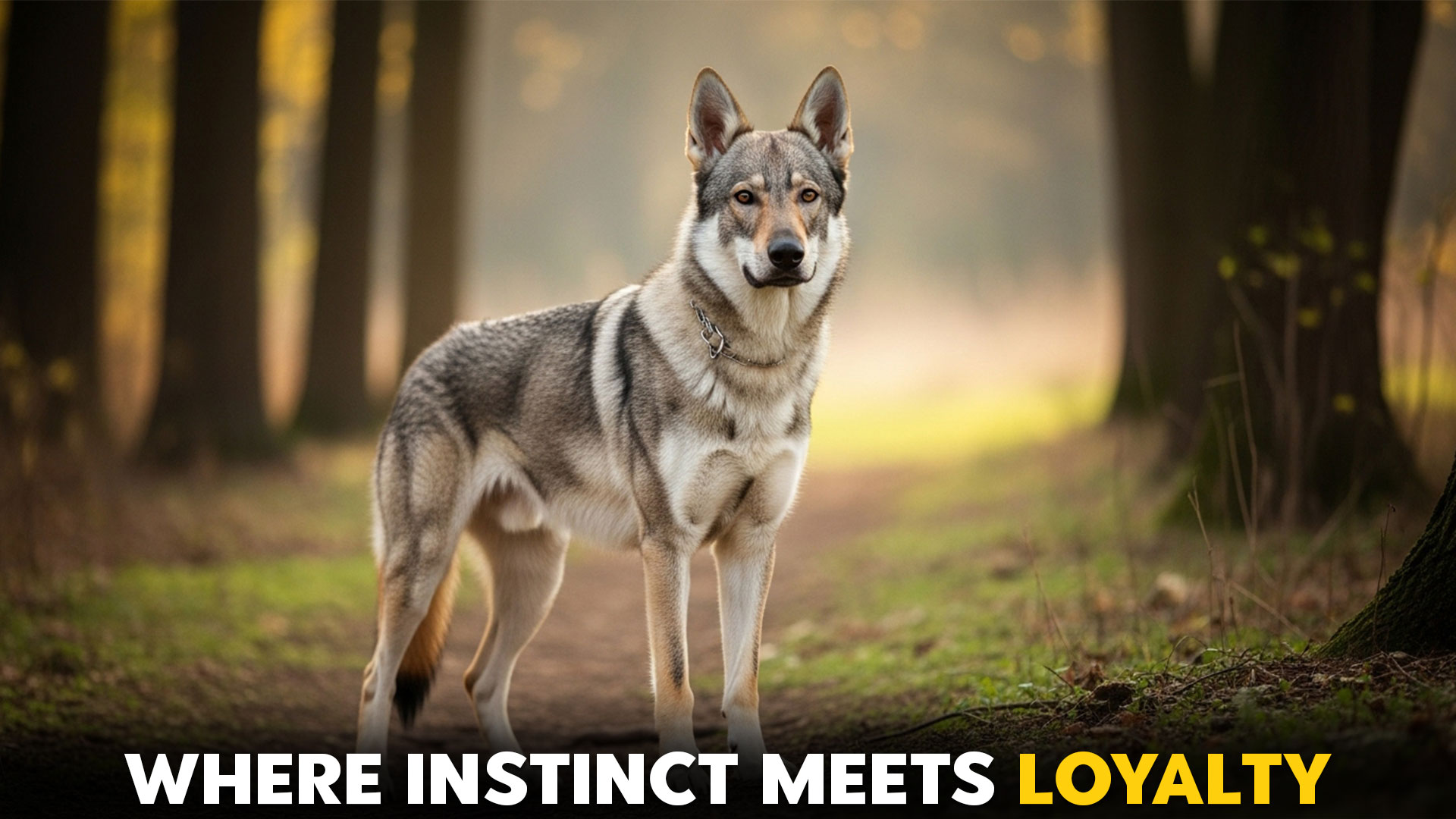
The Czechoslovakian Wolfdog is a striking breed that looks very close to a wolf. It has a strong and athletic body with sharp, alert eyes. This dog captures the wild spirit of the wolf while being loyal and friendly to its family. Many people admire this breed for its unique appearance and strong character.
History And Origin
The Czechoslovakian Wolfdog began in the 1950s in Czechoslovakia. Breeders crossed German Shepherds with Carpathian wolves. The goal was to create a dog with the wolf’s strength and the shepherd’s trainability. The breed was first used for military work. It gained popularity over time and became a recognized breed in the 1980s. This dog is still rare but loved by many for its wild look and smart nature.
Wolf Traits In The Breed
This breed shows many traits of wolves. It has a strong pack instinct and likes to be with its family. The Czechoslovakian Wolfdog is very alert and has sharp senses. It can be shy with strangers, similar to wild wolves. This dog needs lots of exercise and mental challenges. Its thick coat and upright ears make it look very wild. Owners must understand its wolf-like behavior to raise it well.
Credit: worldanimalfoundation.org
Tamaskan Dog
The Tamaskan Dog is a striking breed known for its strong wolf-like features. It looks very wild and natural. Many people find its appearance fascinating because it resembles wolves closely. The breed is friendly, intelligent, and good with families. It combines the beauty of wolves with the gentle nature of domestic dogs.
Breed Development
The Tamaskan Dog was created to look like a wolf but stay gentle. Breeders mixed sled dogs such as Alaskan Malamutes, Siberian Huskies, and German Shepherds. The goal was a dog with a wolf’s look but a friendly heart. The breed is still new and rare. Breeders carefully select dogs to keep the wolfish look and good behavior.
Wolfish Appearance
Tamaskans have thick fur that looks like a wolf’s coat. Their ears stand tall and their eyes are almond-shaped. The tail is bushy and curves over the back. Their color ranges from gray to reddish-brown, like wild wolves. The strong body and confident walk add to their wild look. This breed is one of the closest to wolves in appearance.
Northern Inuit Dog
The Northern Inuit Dog is a striking breed that often catches the eye. It looks very much like a wolf. People love this breed for its wild appearance and calm nature. This breed is popular among those who want a dog that reminds them of wolves.
Despite its wolf-like look, the Northern Inuit Dog is gentle and friendly. It has a strong build and thick fur. These traits help it live comfortably in cold climates. Its wolf-like features make it unique and admired by many dog lovers.
Background And Purpose
The Northern Inuit Dog was bred in the 1980s. Breeders wanted a dog that looked like a wolf but was friendly. They mixed several breeds like the Siberian Husky and Alaskan Malamute. The goal was to create a loyal, calm, and wolf-like companion. This breed is not a direct wolf descendant but shares many physical traits.
Wolf-like Behavior
Northern Inuit Dogs often show behaviors similar to wolves. They are intelligent and alert. These dogs enjoy being part of a pack, whether with humans or other dogs. They communicate with howls and body language. They can be shy but are protective of their family. Their behavior reflects their wild ancestors in many ways.
Credit: www.offleashk9training.com
Utonagan
The Utonagan is a striking dog breed that often draws attention for its wolf-like appearance. Bred to resemble wolves, this breed combines beauty with gentle nature. It is a mix of several breeds, making it unique in both looks and behavior.
Breed Characteristics
The Utonagan is large and strong, with a thick, soft coat. Its fur colors range from gray to cream, often with darker markings. This breed is friendly and calm, great for families and children. Utonagans are intelligent and easy to train. They need regular exercise to stay happy and healthy. Their social nature means they enjoy being around people and other dogs.
Wolf Resemblance
Utonagans look very much like wolves. Their pointed ears and almond-shaped eyes add to this wild look. The fur pattern closely mimics that of a wolf’s coat. Their build is lean but muscular, like a wolf’s body. Despite their fierce appearance, Utonagans are gentle and loving pets. This breed shows how closely dogs can resemble their ancient wolf ancestors.
Caring For Wolf-like Dogs
Caring for wolf-like dogs requires special attention and understanding. These dogs share many traits with their wild ancestors. Their instincts, energy, and behavior need clear guidance and proper care.
Owners must be ready to meet their unique needs. These dogs thrive with consistent training, plenty of exercise, and good health care. Meeting these needs helps build a strong bond and keeps the dog happy.
Training Tips
Start training early with wolf-like dogs. Use clear, simple commands. These dogs respond best to calm and consistent leadership. Avoid harsh punishments. Positive reinforcement works well. Socialize them with other dogs and people. This helps reduce fear and aggression. Patience is key. Training sessions should be short but regular. Keep them mentally engaged to prevent boredom.
Exercise Needs
Wolf-like dogs have high energy levels. They need daily exercise to stay healthy and happy. Long walks, runs, and playtime are essential. Provide space for them to explore safely. Mental stimulation is just as important. Use puzzle toys and training games. Lack of exercise can cause destructive behavior. Active dogs live longer and are less stressed.
Health Considerations
Regular vet check-ups keep these dogs healthy. Some breeds may have genetic health issues. Watch for signs of hip dysplasia and eye problems. Feed them a balanced, high-quality diet. Avoid overfeeding to prevent obesity. Groom their coat regularly to reduce shedding. Early detection of health problems improves treatment success. Good care helps your wolf-like dog live a long life.
Credit: worldanimalfoundation.org
Frequently Asked Questions
Which Dog Breeds Resemble Wolves The Most?
Breeds like the Alaskan Malamute, Siberian Husky, and Czechoslovakian Wolfdog closely resemble wolves. They share physical traits and behaviors due to their genetic lineage and history.
Why Do Some Dogs Look Like Wolves?
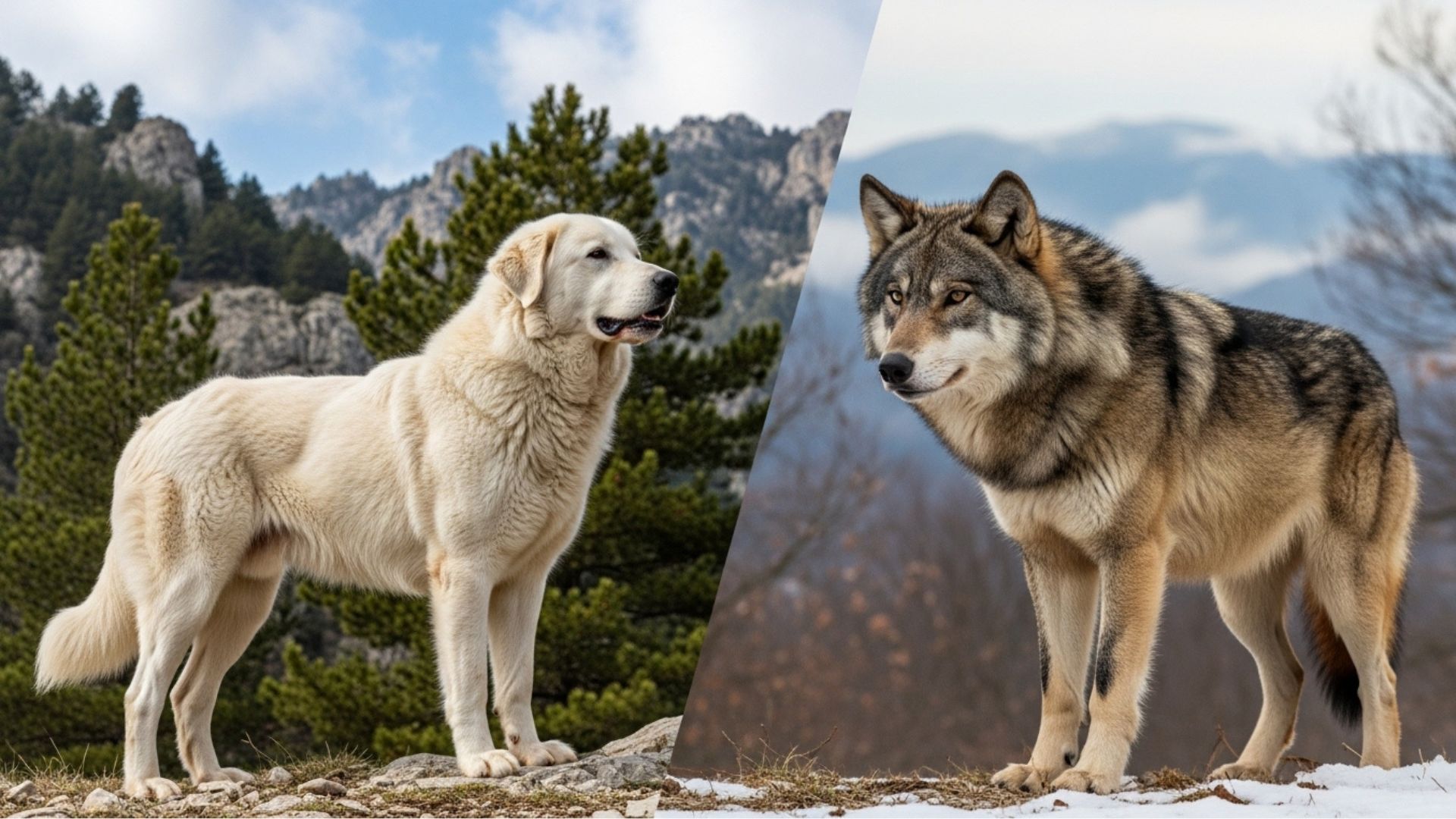
Some dogs look like wolves because they descended from common ancestors. Selective breeding preserved wolf-like features such as coat, size, and facial structure.
Are Wolf-like Dog Breeds More Difficult To Train?
Wolf-like dog breeds can be more challenging to train. They often have strong instincts and high energy, requiring consistent, patient, and experienced handling.
Do Wolf-like Dogs Have Special Care Needs?
Yes, wolf-like dogs often need more exercise and mental stimulation. Their natural instincts demand an active lifestyle and proper socialization to thrive.
Conclusion
Dog breeds closest to wolves show many similar traits. They often have strong bodies and sharp senses. These dogs need plenty of exercise and mental challenge. They can be loyal but may need firm training. Knowing their wolf-like nature helps owners care better.
Choosing such breeds means understanding their wild roots. They offer a unique bond for those ready. Each breed has its own charm and needs. This knowledge helps you pick the right companion. Enjoy the adventure of having a dog like a wolf.


