Are you wondering when your adorable puppy can start eating adult dog food? It’s a common question for every dog owner who wants the best nutrition for their furry friend.
Feeding your puppy the right food at the right time is crucial for their growth and health. If you switch too early or too late, it could affect their development or cause digestive issues. Keep reading, and you’ll discover the perfect time to make this important change, ensuring your puppy stays happy and healthy every step of the way.
Credit: www.gallant.com
Puppy Vs Adult Dog Food
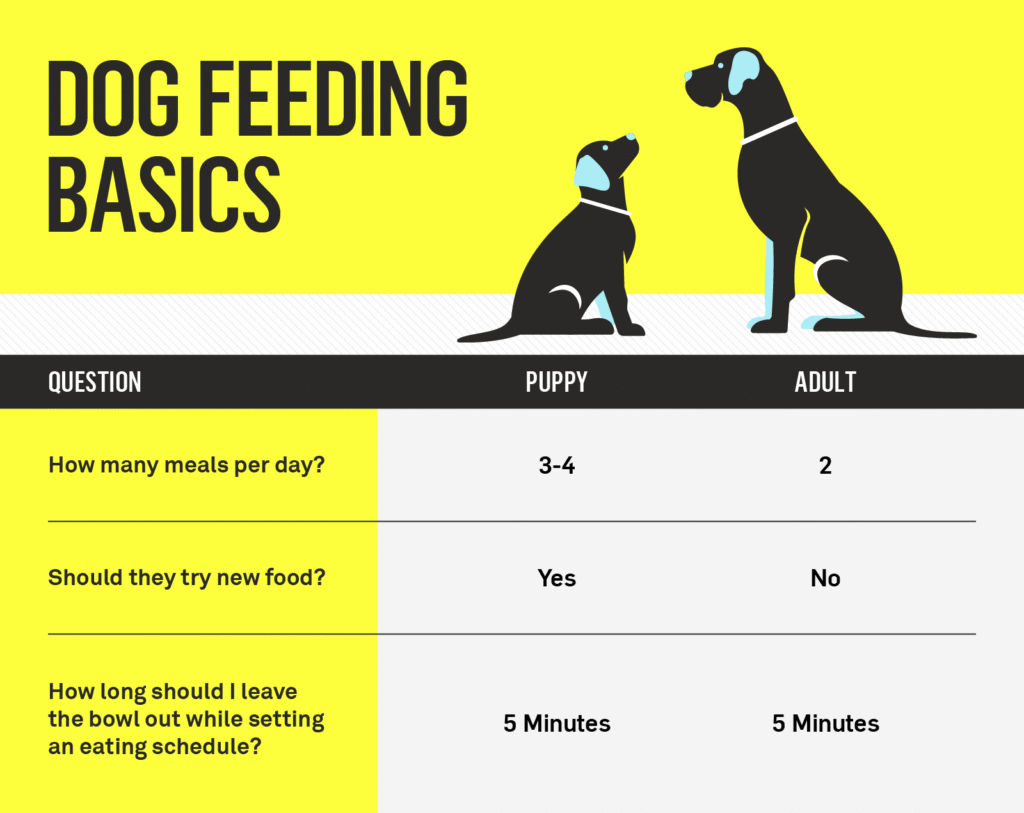
Puppies and adult dogs need different types of food. Their bodies grow and change fast. This means their diet must support their health and energy levels. Puppy food and adult dog food have unique roles in a dog’s life. Understanding the differences helps you feed your dog right.
Nutritional Needs Of Puppies
Puppies need more nutrients than adult dogs. They require extra protein to build strong muscles. Fat is important too. It gives them energy for play and growth. Puppies also need vitamins and minerals. These support their bones, teeth, and immune system. Their food must be easy to digest and rich in calories.
Ingredients In Adult Dog Food
Adult dog food has fewer calories than puppy food. It focuses on maintaining health, not growth. Protein is still important but in smaller amounts. Fat content is lower to prevent weight gain. Adult formulas include ingredients that support joints and coat health. These foods help keep dogs fit and active in their adult years.
Credit: www.acanapetfoods.co.uk
Signs Your Puppy Is Ready
Knowing when to switch your puppy to adult dog food is important. Puppies grow fast, but their diet needs change as they develop. Watch your puppy closely. Certain signs show they are ready for adult food. These signs help you make a smooth food change.
Age Milestones For Transition
Puppies usually start eating adult dog food between 9 and 12 months old. Small breeds can switch closer to 9 months. Large breeds may need to wait until 12 months or later. Their growth rates differ. Age is a simple guide. It helps you plan the right time for the switch.
Behavioral Indicators
Your puppy’s behavior offers clues too. If your puppy seems less hungry or eats less often, it may be time. Watch for steady energy levels without hyperactivity. Puppies ready for adult food show calmer behavior. Also, if your puppy chews less on everything, it could mean growth is slowing. These signs help confirm your puppy’s readiness.
Transitioning Process
Transitioning a puppy from puppy food to adult dog food requires care and patience. This change affects your puppy’s digestion and overall health. A smooth transition helps avoid stomach upset and ensures your puppy gets the right nutrients.
Gradual Food Mixing
Start by mixing a small amount of adult dog food with puppy food. Use about 25% adult food and 75% puppy food at first. Gradually increase the adult food portion every few days. By two weeks, your puppy should eat only adult dog food. This slow change helps your puppy’s stomach adjust. Sudden switches can cause diarrhea or vomiting.
Monitoring Health And Digestion
Watch your puppy’s stool and energy levels during the change. Normal stool means the food suits your puppy well. Loose stools or vomiting need attention. Check if your puppy stays active and happy. If problems continue, consult your vet. Keeping an eye on health ensures a safe food transition. Your puppy’s well-being is the top priority.
Credit: www.purina.com
Risks Of Premature Switch
Switching a puppy to adult dog food too soon can cause serious problems. Puppies need special nutrients to grow strong and healthy. Adult dog food does not have the right balance for their needs. Changing their diet early can lead to health risks that affect their development and wellbeing.
Nutritional Deficiencies
Puppies require more protein, fat, and calories than adult dogs. Adult food lacks these essential nutrients in the right amounts. This can slow down their growth and weaken their immune system. Missing key vitamins and minerals may cause long-term health issues. Proper nutrition is vital during the puppy stage for bones and muscles.
Digestive Issues
Puppies have sensitive stomachs that adjust slowly to new foods. Adult dog food can be harder to digest for young pups. Sudden changes may cause upset stomach, diarrhea, or vomiting. This stress on their digestive system can lead to poor nutrient absorption. A gradual switch is safer to avoid these common problems.
Expert Feeding Tips
Feeding your puppy the right food at the right time is very important. Expert feeding tips can help you make the best choices. These tips ensure your puppy grows healthy and strong. Knowing when to switch to adult dog food is part of good care.
Experts suggest careful steps before changing your puppy’s diet. This helps avoid stomach upset and nutritional gaps. Let’s explore key tips from professionals to guide you.
Consulting Your Veterinarian
Your veterinarian knows your puppy’s health best. They can tell you the right time to start adult food. Usually, puppies switch food between 9 to 12 months old. Some breeds need adult food earlier or later. Your vet also checks if your puppy’s weight and growth are normal. They can suggest the best food type and brand. Always ask your vet before changing food.
Choosing Quality Adult Dog Food
Pick adult dog food that matches your puppy’s needs. Quality food has balanced nutrients for adult dogs. Check the label for protein, fat, and fiber levels. Avoid foods with too many fillers or artificial ingredients. Look for brands that use natural ingredients. Choose food made for your dog’s size and breed. High-quality food supports good digestion and energy.
Special Considerations
Special considerations matter when deciding the right time to switch a puppy to adult dog food. Each puppy has unique needs that affect their diet. These needs depend on their breed, size, and health. Knowing these factors helps you make the best choice for your dog’s growth and well-being.
Breed And Size Differences
Small and large breeds grow at different rates. Small breeds mature faster and may switch to adult food earlier. Large breeds need puppy food longer to support slow growth. Their bones and joints need extra nutrients during growth. Feeding large breed puppies adult food too soon can cause health problems. Always check breed-specific advice for feeding schedules.
Health Conditions Affecting Diet
Some puppies have health issues that change their diet needs. Puppies with allergies need special foods to avoid triggers. Those with digestive problems may require gentle, easy-to-digest diets. Weight concerns also affect food choice and timing. Consult a vet about any health conditions before changing food. Proper diet support helps puppies stay healthy and strong.
Frequently Asked Questions
When Should A Puppy Switch To Adult Dog Food?
Puppies should switch to adult dog food between 9 to 12 months. Large breeds may transition later, around 12-18 months. This timing supports their growth and nutritional needs for maturity.
Why Not Feed Puppies Adult Dog Food Early?
Adult dog food lacks essential nutrients like DHA and higher protein. Puppies need these for brain development and growth. Feeding adult food too early can hinder their health and development.
How To Transition A Puppy To Adult Dog Food?
Gradually mix adult food with puppy food over 7-10 days. Increase adult food proportion slowly to avoid digestive issues. This helps your puppy adjust comfortably to the new diet.
Can Feeding Adult Food Affect Puppy Growth?
Yes, adult dog food may cause nutrient deficiencies in puppies. This can stunt growth or weaken their immune system. Proper puppy food ensures balanced nutrients for healthy development.
Conclusion
Puppies need special food to grow strong and healthy. Adult dog food has different nutrients and may not support puppies’ needs well. Usually, puppies can start eating adult food after about one year. Watch your puppy’s size, energy, and health to decide the right time.
Always ask your vet before changing their diet. Feeding the right food helps your dog live a happy, healthy life. Keep your puppy’s meals balanced and tasty for best results. Healthy habits start with good food choices.