

Are you wondering when your furry friend is ready to switch from puppy food to adult food? Knowing the right time to make this change is important for your dog’s health and happiness.
Feeding your dog the wrong food can cause problems like poor growth or digestive issues. You’ll discover clear signs that show when your dog can start eating adult food. By the end, you’ll feel confident making the best choice for your loyal companion’s diet.
Keep reading to learn exactly what you need to know!
Credit: www.bowlerspets.com
Transitioning To Adult Dog Food
Transitioning to adult dog food is an important step for your puppy’s health. Puppies grow fast and their food needs change. Switching their diet at the right time helps support strong bones and good energy. This change should happen smoothly to avoid stomach upset.
Watch your puppy closely. Notice their behavior and growth. These clues will guide you on when to start adult food. Proper timing keeps them healthy and happy.
Signs Your Puppy Is Ready
Your puppy shows signs when ready for adult food. They start eating less often. Their growth slows down. Teeth look bigger and stronger. They are less playful but still active. These signs mean their body needs different nutrients now.
Age Guidelines For Different Breeds
Small breeds usually switch to adult food at 9 to 12 months. Medium breeds change around 12 months. Large breeds need more time, about 12 to 18 months. Giant breeds may wait up to 24 months. Breed size affects growth speed and food needs.
Nutritional Changes In Adult Food
Adult dog food has less fat and calories than puppy food. It has more protein for muscle maintenance. It also includes nutrients for healthy joints. Vitamins and minerals support overall health. These changes match your dog’s slower growth and active life.
Choosing The Right Adult Dog Food
Choosing the right adult dog food is important for your dog’s health. Adult dogs have different needs than puppies. Their diet must support their energy, weight, and overall health. Finding the best food helps keep your dog happy and strong. Pay attention to what is in the food and how it fits your dog’s lifestyle.
Types Of Adult Dog Food
Dry kibble is popular and easy to store. It helps keep teeth clean. Wet food has more moisture and can be tastier. Some dogs prefer fresh or raw diets, which offer natural nutrients. Each type has its benefits. Choose based on your dog’s taste and needs.
Ingredients To Look For
Good adult dog food contains real meat as the first ingredient. Meat provides essential protein. Look for whole grains like brown rice or oats for energy. Vegetables add vitamins and fiber. Healthy fats support skin and coat health. Balanced ingredients help your dog stay healthy and active.
Avoiding Harmful Additives
Check the label for artificial colors and flavors. These do not add nutrition and can cause allergies. Avoid foods with too many fillers like corn or wheat. Some preservatives can harm your dog’s health. Choose foods with natural preservatives like vitamin E or C. Clean ingredients mean better health for your dog.
Feeding Schedule And Portions
Feeding schedule and portions are key to a dog’s healthy growth. Changing from puppy food to adult food needs careful planning. Proper timing and portion size keep your dog active and strong. This section guides you on how to feed your dog well.
Adjusting Meal Frequency
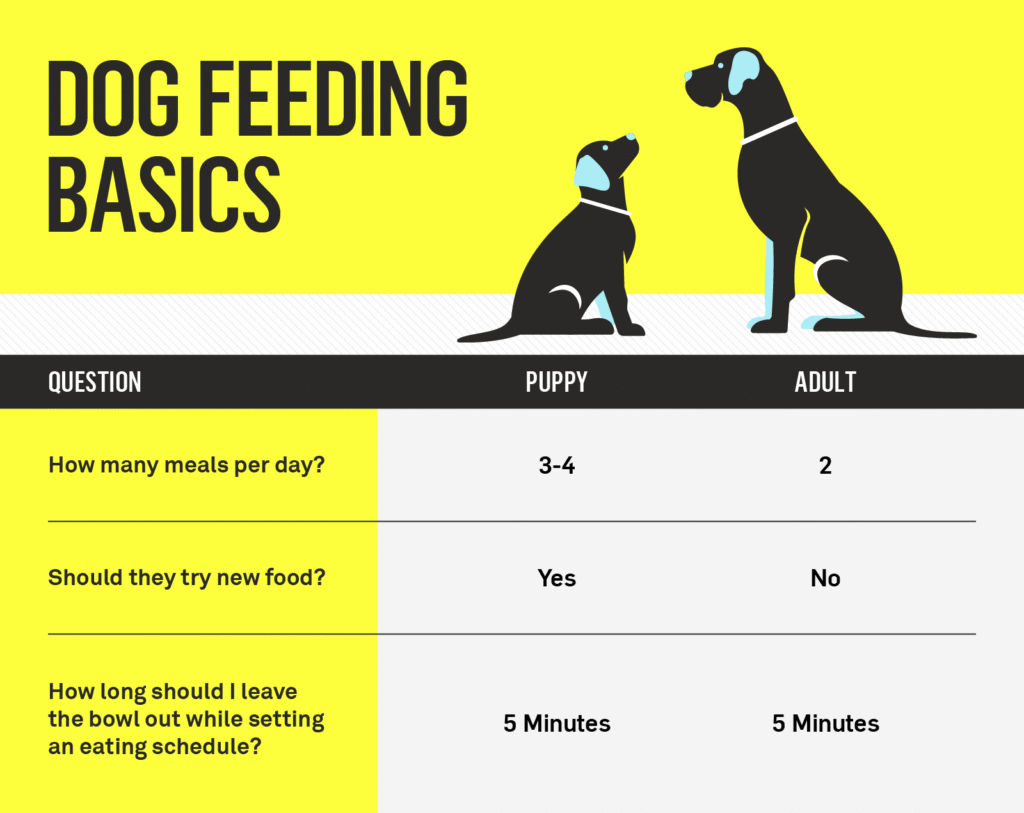
Puppies eat more often than adult dogs. Most puppies need three to four meals daily. Adult dogs usually eat twice a day. Slowly reduce meal times as your dog grows. This change helps your dog’s digestion and energy.
Calculating Proper Serving Sizes
Serving size depends on your dog’s weight and activity level. Check the food package for daily portion guides. Split the daily amount into meals for your dog. Avoid overfeeding to prevent weight gain. Keep portions balanced for good health.
Monitoring Weight And Health
Watch your dog’s weight regularly. A healthy dog has a visible waist and ribs you can feel. Visit the vet if you see sudden weight changes. Adjust food portions to keep your dog fit. Healthy eating supports a happy, long life.
Credit: www.gallant.com
Common Mistakes To Avoid
Changing your dog’s food to adult formula is a big step. Many owners make mistakes during this process. These errors can cause health problems or slow growth. Knowing what to avoid helps your dog stay healthy and happy.
Switching Food Too Quickly
Dogs need time to adjust to new food. Switching suddenly can upset their stomach. It may cause vomiting or diarrhea. Mix old and new food for at least one week. Gradual change helps the digestive system adapt well.
Ignoring Breed-specific Needs
Different breeds have different nutritional needs. Large breeds need food that supports joint health. Small breeds may require food with smaller kibble size. Ignoring these needs can harm your dog’s health. Choose adult food designed for your dog’s breed size.
Overfeeding And Obesity Risks
Adult food contains more calories than puppy food. Feeding the same amount can cause weight gain. Obesity leads to serious health issues like diabetes. Measure portions carefully and follow feeding guidelines. Keep your dog active to maintain a healthy weight.
Special Considerations
Feeding your dog adult food is not always straightforward. Some dogs need special care with their diet. Their health, age, and unique needs affect the timing and type of food they eat. Understanding these special considerations helps keep your dog healthy and happy.
Dogs With Health Issues
Dogs with health problems may need a special diet. Conditions like allergies, kidney disease, or diabetes affect what they can eat. Adult food may not always suit these dogs. A tailored diet can manage symptoms and improve quality of life.
Senior Dogs And Diet
Older dogs have different nutritional needs than younger adults. They may need less fat and more fiber. Joint supplements or extra protein can help maintain muscle. Switching to adult food too early or too late can harm their health.
Consulting Your Veterinarian
Your vet knows your dog’s health best. They can guide the right time to start adult food. Vets consider your dog’s breed, weight, and medical history. Regular check-ups ensure your dog’s diet stays balanced and safe.
Credit: www.acanapetfoods.co.uk
Frequently Asked Questions
When Is The Right Time For Dogs To Eat Adult Food?
Dogs can start eating adult food around 12 months old. Large breeds may switch later, around 18-24 months. This timing supports healthy growth and nutrient needs as puppies mature into adults.
How To Transition A Dog To Adult Food Safely?
Gradually mix adult food with puppy food over 7-10 days. Increase adult food portion while reducing puppy food. This slow change prevents digestive upset and helps dogs adjust to the new diet smoothly.
What Are Signs A Dog Is Ready For Adult Food?
Look for slowed growth and stable weight. Puppy energy may decrease. Consult your vet for breed-specific advice to confirm the best time to switch to adult food.
Can Small Breed Dogs Eat Adult Food Earlier?
Small breed dogs often mature faster and may switch at 9-12 months. Their nutritional needs change sooner than large breeds, making adult food appropriate at an earlier age.
Conclusion
Dogs need adult food when they reach about one year old. Their bodies change, needing different nutrients to stay healthy. Switching too early or late can cause health problems. Watch your dog’s size, energy, and breed for signs. Talk to your vet for the best time to switch.
Feeding the right food helps your dog grow strong and live happily. Keep your dog’s needs in mind to give proper care. This simple step supports a long, healthy life for your furry friend.


