

Does your dog get restless, drool, or even vomit every time you take a car ride? If you’ve faced this, you know how stressful and heartbreaking it can be for both of you.
But don’t worry—there are simple, effective ways to help your furry friend feel better during car trips. You’ll discover practical tips and easy solutions to ease your dog’s car sickness. Keep reading, because the next drive could be calm, happy, and comfortable for your best friend.

Credit: www.urbanpawsibilities.com
Causes Of Dog Car Sickness
Dog car sickness happens when a dog feels sick during car rides. Many dogs do not like traveling in cars. This sickness can make trips stressful for both dogs and owners. Understanding what causes this sickness helps to find good solutions. Several reasons can lead to car sickness in dogs.
Motion Sensitivity In Dogs
Dogs sense motion differently than humans. Their inner ear helps control balance. When the car moves, this sense can get confused. The eyes see one thing, but the body feels another. This mismatch causes nausea and dizziness. Some dogs are more sensitive to motion than others.
Anxiety And Stress Factors
Many dogs feel anxious in cars. Strange sounds and movements can scare them. Anxiety can cause upset stomach and vomiting. Stress makes the sickness worse. Dogs that had bad car experiences may fear traveling. Calming their mind is key to reducing sickness.
Age And Health Influences
Puppies and older dogs get car sick more often. Their bodies react more strongly to motion changes. Health problems like inner ear infections can increase sickness. Weak or sick dogs may feel worse in cars. Knowing your dog’s health helps manage car sickness better.
Preparing Your Dog For Car Rides
Preparing your dog for car rides helps reduce anxiety and sickness. Start early to make trips pleasant. This preparation builds positive feelings about the car. Your dog learns to feel safe and calm inside the vehicle.
Gradual Exposure To Car
Begin by letting your dog explore the car while it is parked. Open doors and let your dog sniff around. Next, sit inside with your dog for a few minutes. Turn on the engine without moving. Then, take very short drives around the block. Increase the drive length slowly over days or weeks.
Creating A Comfortable Space
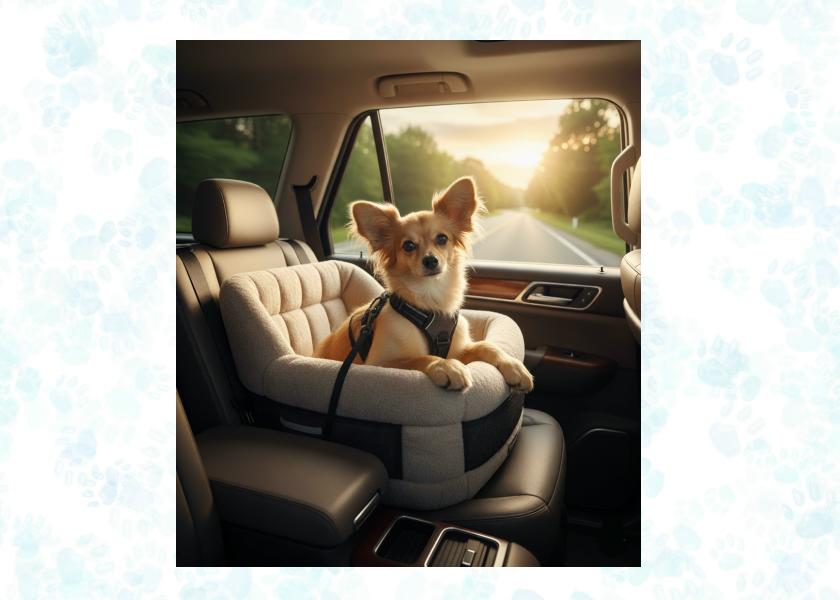
Make a cozy spot for your dog in the car. Use a soft blanket or dog bed. Secure your dog with a harness or crate for safety. Keep the temperature cool and windows slightly open. Avoid loud noises and sudden movements. A calm space helps your dog relax during the ride.
Familiar Scents And Toys
Bring your dog’s favorite toys on trips. Include a blanket or item with your dog’s scent. These familiar smells provide comfort and reduce stress. Chew toys or treats can distract and calm your dog. Small comforts make car rides less scary.
Diet And Feeding Tips Before Travel
Feeding your dog right before a trip helps reduce car sickness. A proper diet and meal timing keep your dog calm and comfortable during travel. Small changes in feeding can make a big difference in how your dog feels in the car.
Timing Of Meals
Feed your dog several hours before the trip. Avoid heavy meals right before travel. A light meal four to six hours before helps prevent nausea. This gives the stomach time to settle and digest food.
Choosing Light Snacks
Pick easy-to-digest snacks for the journey. Plain crackers or small pieces of boiled chicken work well. Avoid rich or greasy foods that upset the stomach. Keep snacks small to avoid overfeeding during travel.
Hydration Considerations
Offer water in small amounts before and during the trip. Too much water can cause discomfort or vomiting. Keep fresh water available but limit intake to a few sips. Proper hydration helps your dog feel better on the road.
Calming Techniques During The Ride
Car rides can make dogs feel uneasy and sick. Using calming techniques during the trip helps reduce stress. These methods keep your dog comfortable and safe. They also make travel easier for both of you.
Soothing Music And Sounds
Soft music calms your dog’s nerves. Play gentle tunes or nature sounds inside the car. Avoid loud or sudden noises that might scare your pet. Consistent, quiet sounds help relax your dog’s mind.
Gentle Petting And Reassurance
Touch can comfort your dog during the ride. Gently pet your dog to ease anxiety. Speak in a calm and soft voice. Your reassurance shows that everything is safe. This connection lowers stress levels quickly.
Using Calming Products
Calming products can support your dog’s comfort. Try pheromone sprays or calming collars made for dogs. These products help reduce feelings of fear and nausea. Always follow instructions for safe use during travel.
Medications And Natural Remedies
Car sickness in dogs can make travel stressful for both pets and owners. Medications and natural remedies help ease nausea and discomfort. These options vary from doctor-prescribed drugs to gentle herbal treatments. Choosing the right approach depends on your dog’s needs and health.
Veterinarian-recommended Options
Vet-approved medicines are often the safest choice. Drugs like antihistamines reduce nausea and dizziness. Always follow the vet’s dosage advice carefully. Some medications may need to be given before the car ride. Regular checkups help ensure the medicine suits your dog.
Herbal Supplements
Natural herbs can calm your dog without harsh chemicals. Ginger is a popular choice to soothe upset stomachs. Chamomile helps reduce anxiety during travel. These supplements come in chewable or liquid form. Consult your vet before adding herbs to your dog’s routine.
Essential Oils And Aromatherapy
Some essential oils help relax dogs during trips. Lavender oil is known for its calming effects. Use oils safely by diffusing them in the car air. Never apply oils directly to your dog’s skin. Aromatherapy can create a peaceful environment for your pet.
Safety Measures For Car Travel
Safety during car travel is very important for dogs. Taking the right steps keeps your dog calm and avoids accidents. Careful planning helps reduce car sickness and stress for your pet.
Proper Restraints And Harnesses
Use a good dog harness or car seat belt. It keeps your dog secure and stops sudden movements. A well-fitted harness protects your dog in case of a crash. Avoid letting your dog roam freely inside the car. Loose dogs can get hurt or distract the driver.
Ventilation And Temperature Control
Keep the car cool and fresh. Open windows slightly or use air conditioning. Good airflow helps prevent nausea and discomfort. Avoid strong smells inside the car. Hot or stuffy cars make dogs feel worse and increase car sickness.
Frequent Breaks And Exercise
Stop often on long trips. Let your dog stretch and walk around. Short breaks help reduce stress and ease motion sickness. Fresh air and exercise calm your dog’s nerves. Avoid feeding your dog right before traveling to reduce nausea.
When To Seek Professional Help
Knowing when to seek professional help for dog car sickness is very important. Some signs show that home care is not enough. A vet can provide the right advice and treatment for your dog’s health and comfort. Recognizing these signs early helps your dog enjoy car rides more.
Persistent Symptoms
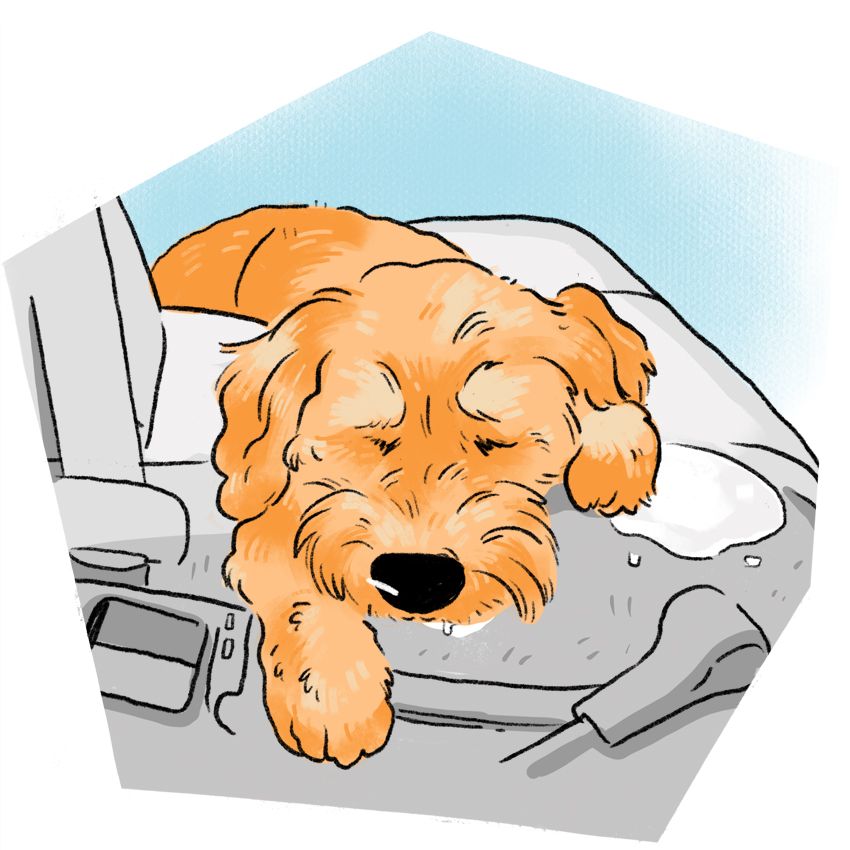
Vomiting or drooling that lasts after many trips needs a vet’s check. If your dog shows the same sickness every time, it is not normal. Persistent symptoms may signal a deeper health issue. A professional can find the cause and offer better solutions.
Behavioral Issues
Fear or anxiety about car rides can get worse over time. If your dog hides, whines, or refuses to get in the car, help is needed. Behavior problems can affect your dog’s daily life. A vet or trainer can suggest ways to reduce stress during travel.
Advanced Treatment Options
Some dogs may need medicine to control car sickness. A vet can prescribe safe drugs to ease nausea. Other treatments include special diets or supplements. Advanced care may also involve training techniques to improve your dog’s comfort.
Credit: petsmartify.com
Credit: littlethings.com
Frequently Asked Questions
What Causes Car Sickness In Dogs?
Car sickness in dogs is caused by inner ear imbalance, anxiety, or motion sensitivity. Puppies and anxious dogs are more prone to it. The brain receives conflicting signals during travel, leading to nausea, drooling, or vomiting.
How Can I Prevent My Dog’s Car Sickness?
To prevent car sickness, start with short trips to build tolerance. Keep the car cool and well-ventilated. Avoid feeding your dog right before travel. Use calming aids like natural supplements or anxiety wraps after consulting your vet.
Are There Medications For Dog Car Sickness?
Yes, vets may prescribe anti-nausea or motion sickness medications for dogs. These include antihistamines or prescription drugs like Cerenia. Always use medication under veterinary guidance to ensure safety and effectiveness.
Should I Feed My Dog Before Car Travel?
It’s best to avoid feeding your dog 3-4 hours before travel. An empty stomach reduces the risk of nausea and vomiting. Offer water but limit large meals before the trip for better comfort.
Conclusion
Helping your dog avoid car sickness makes trips much easier. Try short drives first to build comfort. Keep the car cool and well-ventilated. Offer light snacks before traveling, not full meals. Use calming music or gentle petting to soothe nerves.
Talk to your vet about safe medicines if needed. Watch your dog closely for signs of sickness. With patience and care, your dog can enjoy car rides more. Safe travels start with small steps and kindness.


