Are you confident your dog is getting the best nutrition possible? What if the food you choose could make a huge difference in your dog’s energy, health, and happiness?
Understanding the ultimate dog nutrition isn’t just about picking any dog food off the shelf. It’s about knowing what your furry friend truly needs to thrive every day. Keep reading, because unlocking the secrets to perfect dog nutrition could transform your pet’s life—and it starts with what’s on their plate.

Credit: www.sentinelandenterprise.com
Key Nutrients For Dogs
Dogs need a balanced diet to stay healthy and active. Key nutrients help support their growth, energy, and overall well-being. Each nutrient plays a special role in keeping dogs strong and happy. Understanding these nutrients helps provide the best care for your pet.
Proteins And Amino Acids
Proteins are the building blocks of a dog’s body. They help repair tissues and build muscles. Amino acids, found in proteins, support many body functions. Dogs need essential amino acids from their food. Meat, eggs, and fish are great protein sources. A diet rich in protein keeps dogs energetic and fit.
Essential Fats
Fats provide energy and keep a dog’s skin healthy. Essential fats include omega-3 and omega-6 fatty acids. These fats reduce inflammation and support the brain and eyes. Fish oil and flaxseed are good sources of essential fats. Balanced fat intake helps maintain a shiny coat.
Vitamins And Minerals
Vitamins and minerals support the immune system and bone health. Vitamin A, D, and E are crucial for vision and growth. Minerals like calcium and phosphorus strengthen teeth and bones. Fruits, vegetables, and supplements can provide these nutrients. Proper vitamin and mineral balance prevents many health issues.
Carbohydrates Role
Carbohydrates supply energy for daily activities. They come from grains, vegetables, and fruits. Carbs also help with digestion and provide fiber. Fiber improves gut health and prevents constipation. Dogs need moderate carbs to fuel their active lives.

Credit: www.amazon.com
Choosing The Right Dog Food
Choosing the right dog food is a key step to keep your pet healthy and happy. Dogs need balanced nutrition for energy, growth, and a strong immune system. The right food supports their overall well-being and longevity. Understanding different options helps you pick what suits your dog best.
Commercial Vs Homemade Diets
Commercial dog foods are easy and convenient. They come in dry kibble, canned, or semi-moist forms. These foods are made to meet basic nutritional needs. Manufacturers often add vitamins and minerals.
Homemade diets let you control every ingredient. You can use fresh meats, vegetables, and grains. Cooking at home can be healthier if done right. But it takes time and knowledge to balance nutrients properly. Always check with a vet before switching to homemade meals.
Reading Dog Food Labels
Dog food labels show important information. Check the ingredient list to see what is inside. The first ingredient should be a good source of protein, like chicken or beef. Avoid foods with too many fillers like corn or soy.
Look for guaranteed analysis on protein, fat, and fiber percentages. These numbers tell you if the food meets your dog’s needs. Also, check for any added vitamins and minerals. Expiration dates ensure the food is fresh and safe to eat.
Grain-free And Specialized Diets
Grain-free diets skip wheat, corn, and rice. They use other carbs like potatoes or peas. Some dogs have allergies or sensitivities to grains. Grain-free foods can help reduce itching or stomach issues.
Specialized diets include options for weight control, allergies, or senior dogs. These foods target specific health concerns. Talk to your vet about your dog’s needs before choosing a special diet. The right choice supports your dog’s health and comfort.
Feeding Guidelines By Age And Size
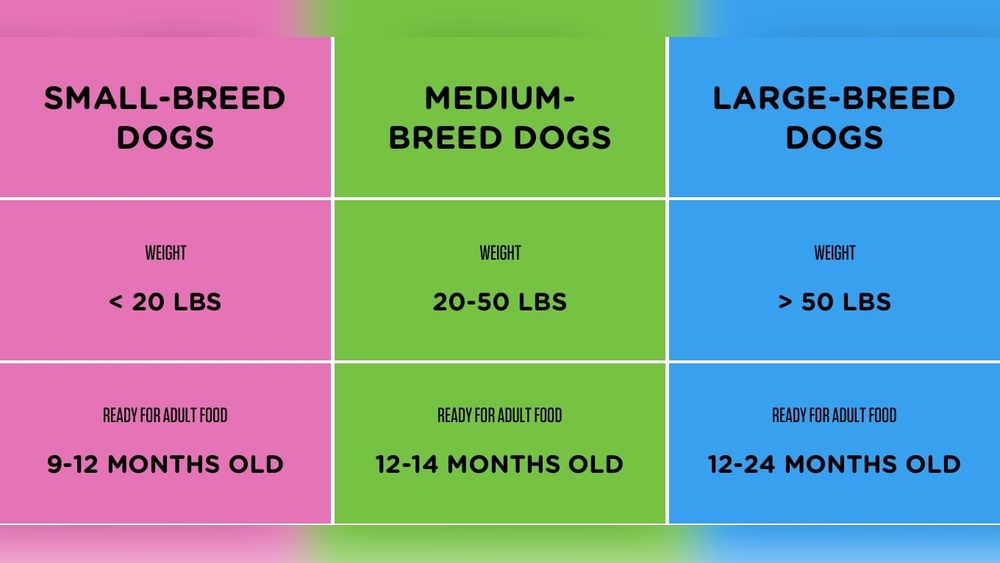
Feeding your dog the right food depends on their age and size. Different life stages need different nutrients. Puppies grow fast and need more energy. Adult dogs need balanced meals to stay healthy. Senior dogs require gentle nutrition to support aging bodies. Understanding these needs helps keep your dog strong and happy.
Puppies’ Nutritional Needs
Puppies need food rich in protein and fat. These nutrients help build muscles and support growth. Feeding small, frequent meals keeps their energy up. Choose puppy-specific food for balanced vitamins and minerals. Avoid giving adult dog food to puppies. Their bodies cannot digest it well.
Adult Dogs’ Diet
Adult dogs need a balanced diet with proteins, fats, and carbohydrates. Portion control is important to avoid weight gain. Active dogs may need more calories than less active ones. High-quality commercial dog food usually meets adult dogs’ needs. Fresh water should always be available.
Senior Dog Considerations
Senior dogs require fewer calories but more fiber. Their metabolism slows down with age. Special senior dog food supports joint health and digestion. Monitor their weight and adjust portions accordingly. Regular vet check-ups help spot health changes early.
Common Dietary Mistakes
Many dog owners want the best nutrition for their pets. Yet, they often make common dietary mistakes. These errors can harm a dog’s health and happiness. Knowing these mistakes helps keep dogs healthy and strong. Understanding proper dog nutrition starts with avoiding these pitfalls.
Overfeeding And Obesity
Overfeeding is a frequent problem. Dogs get extra food or snacks beyond their needs. This leads to weight gain and obesity. Obesity can cause joint pain and reduce a dog’s life span. Portion control is key. Follow feeding guidelines and watch your dog’s weight closely.
Toxic Foods To Avoid
Some human foods are toxic to dogs. Chocolate, grapes, onions, and garlic can make dogs sick. Even small amounts can cause serious problems. Always check what you feed your dog. Keep toxic foods out of reach. When uncertain, consult a vet before giving new foods.
Balancing Treats And Meals
Treats are good for training and bonding. But too many treats can unbalance a dog’s diet. Treats should not replace regular meals. Use treats sparingly and choose healthy options. Balance treats with nutritious meals to maintain good health.
Supplements And Enhancements
Supplements and enhancements can help improve your dog’s health. They provide extra nutrients that regular food might miss. These products support your dog’s bones, coat, digestion, and overall energy. Knowing how and when to use them is important for your pet’s well-being.
When To Use Supplements
Supplements are useful if your dog has special needs. Older dogs often need joint support. Puppies may require extra vitamins for growth. Dogs with health problems might benefit from specific nutrients. Use supplements only when your dog’s diet lacks certain elements.
Popular Supplements For Dogs
Common supplements include fish oil, glucosamine, and probiotics. Fish oil helps with skin and coat health. Glucosamine supports joint mobility and reduces pain. Probiotics improve digestion and boost the immune system. Vitamins like B and E support energy and cell health.
Consulting A Veterinarian
A vet can guide you on the right supplements. They know your dog’s health history and needs. Avoid giving supplements without professional advice. Incorrect use might harm your dog’s health. Regular check-ups help track your pet’s progress with supplements.

Credit: www.amazon.com
Hydration And Its Importance
Hydration plays a crucial role in your dog’s overall health. Water supports every function in their body. It helps regulate temperature, transport nutrients, and remove waste. Without enough water, your dog’s organs cannot work properly. Keeping your dog well-hydrated boosts energy and improves digestion.
Dogs lose water through panting, sweating through paws, and bathroom breaks. Active dogs or those in hot weather need more water. Ensuring your dog drinks enough water daily prevents serious health problems.
Water Intake Recommendations
Dogs need about one ounce of water per pound of body weight daily. For example, a 20-pound dog should drink around 20 ounces of water. Puppies, pregnant, or nursing dogs require more water. Active dogs or those in warm climates also need extra hydration. Always provide fresh, clean water for your dog to drink.
Signs Of Dehydration
Watch for dry gums and sticky saliva as early dehydration signs. Sunken eyes and lethargy also indicate low hydration. Loss of skin elasticity is another warning sign. To check, gently pinch the skin; it should quickly return to place. Slow return means dehydration. Seek vet care if your dog shows these symptoms.
Monitoring Your Dog’s Health
Monitoring your dog’s health is key to good nutrition. It helps catch problems early and keeps your dog happy. Regular checks show how well your dog’s diet meets their needs. This section covers important ways to watch your dog’s health closely.
Tracking Weight And Energy Levels
Weigh your dog often to spot changes. Sudden weight gain or loss can signal health issues. Watch energy levels daily. Less play or tiredness might mean diet problems. Keep a journal of weight and activity. This record helps track trends over time.
Recognizing Dietary Deficiencies
Look for signs like dull fur or weak nails. These can mean missing nutrients. Poor appetite or digestive problems also show diet gaps. Check for changes in behavior or mood. Deficiencies affect overall health and happiness. Consult a vet for proper tests and advice.
Adjusting Diet Based On Health Changes
Change your dog’s food as needed. Age, activity, and health affect nutrition needs. Add supplements only with vet approval. Watch how your dog reacts to new diets. Adjust portions to maintain healthy weight. Consistent monitoring ensures your dog stays healthy.
Frequently Asked Questions
What Are The Key Nutrients For Ultimate Dog Nutrition?
Key nutrients include proteins, fats, carbohydrates, vitamins, and minerals. These support energy, growth, immune health, and overall well-being in dogs.
How Much Protein Does A Dog Need Daily?
Dogs typically need 18-25% protein in their diet. Active or growing dogs may require higher protein for muscle maintenance and repair.
Can Homemade Meals Provide Balanced Dog Nutrition?
Yes, homemade meals can be balanced with proper planning. Include lean meats, vegetables, grains, and supplements to meet nutritional needs.
What Foods Should Be Avoided For Dog Nutrition?
Avoid chocolate, grapes, onions, garlic, and processed foods. These can cause toxicity or digestive issues in dogs.
Conclusion
Good dog nutrition means feeding your pet balanced meals daily. Dogs need proteins, fats, vitamins, and minerals to stay healthy. Fresh water is just as important as food. Pay attention to your dog’s age, size, and activity when choosing meals.
Treats should be given in small amounts only. Regular vet visits help catch nutrition problems early. Healthy food helps dogs live longer and feel better. Keep learning about your dog’s needs and adjust food as they grow. Simple steps make a big difference in your dog’s health and happiness.