
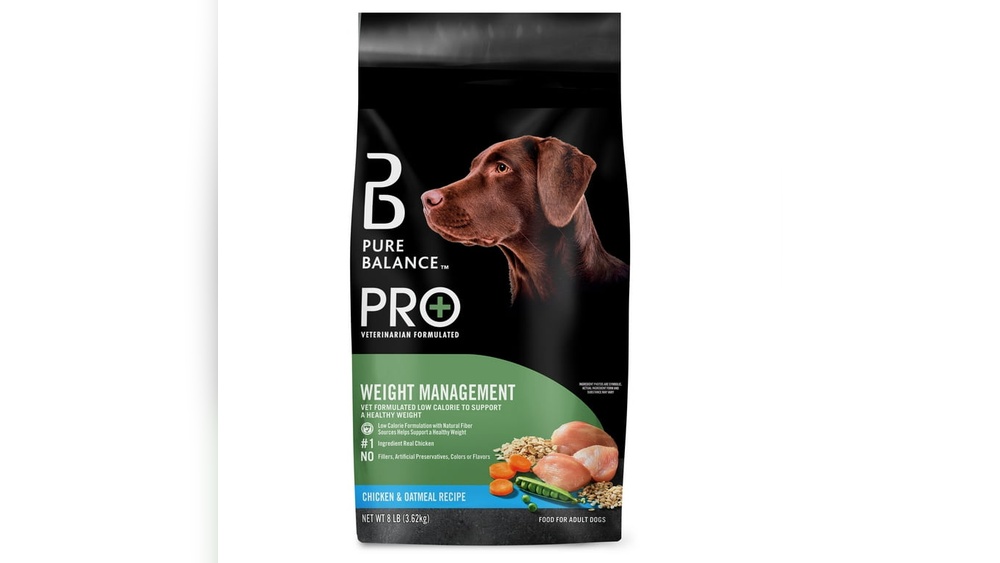
Are you worried about your dog gaining too much weight? Finding the right food can make a huge difference in managing your pet’s health.
But with so many options out there, how do you know which one is truly the best for weight control? This guide will help you understand what to look for in weight management dog food, so you can keep your furry friend happy and healthy.
Keep reading to discover simple tips and expert advice that will make feeding time easier and more effective for your dog’s weight goals.
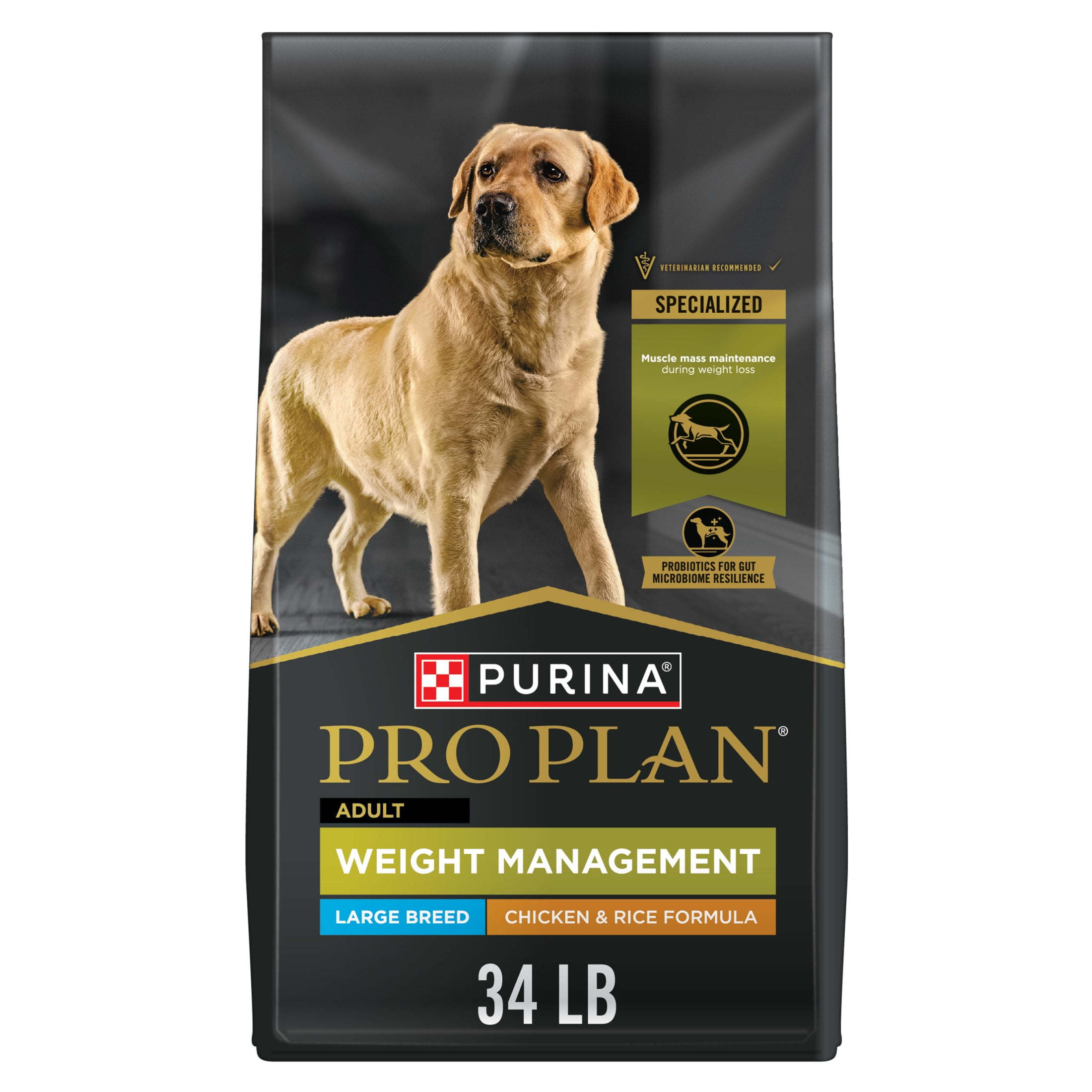
Credit: www.walmart.com
Criteria For Weight Management Dog Food
Choosing the right dog food for weight management requires careful thought. The food must help your dog lose or maintain weight safely. It should support health and energy without extra calories. Understanding the criteria helps pick the best option for your dog.
Key Nutritional Components
Protein is vital for muscle health. A weight management dog food should have high protein levels. Fiber helps dogs feel full and supports digestion. Low fat content controls calorie intake. Vitamins and minerals keep your dog healthy during weight loss.
Calorie Control And Portion Size
Calorie control is essential for weight loss. Foods with fewer calories help reduce body fat. Feeding the right portion size stops overeating. Measure food carefully and follow guidelines. Avoid free feeding to control calorie intake better.
Ingredients To Avoid
Avoid foods with high sugar or simple carbohydrates. These add empty calories and cause weight gain. Artificial additives and preservatives can harm health. Limit fillers like corn, wheat, and soy. These ingredients add calories without nutrition.
Benefits Of Weight Management Dog Food
Weight management dog food helps keep your dog healthy and fit. It controls calories and nutrients to avoid extra weight gain. This type of food supports your dog’s overall well-being. It can make a big difference in your dog’s daily life.
Improved Health And Longevity
Dogs with a healthy weight tend to live longer. Weight management food lowers the risk of diseases. It helps prevent heart problems, diabetes, and breathing issues. A balanced diet keeps your dog’s organs working well. This food supports a strong immune system too.
Better Energy Levels
Proper weight means your dog feels active and alert. Weight management food provides the right fuel for energy. Dogs can play, walk, and exercise without getting tired fast. Good energy levels improve your dog’s mood and behavior. This food helps maintain stamina and vitality.
Joint And Mobility Support
Extra weight strains your dog’s joints and bones. Weight management dog food reduces this stress. It often includes ingredients that support joint health. This helps dogs move easily and stay flexible. Better mobility means your dog can enjoy daily activities more.
Top Weight Management Dog Food Brands
Choosing the right weight management dog food helps keep pets healthy and fit. Some brands focus on quality ingredients and balanced nutrition. Others offer budget-friendly options without sacrificing benefits. Grain-free varieties serve dogs with specific dietary needs. Understanding these categories guides pet owners to the best choice.
Premium Options
Premium brands use high-quality proteins and natural ingredients. These foods often contain added vitamins and minerals for overall health. They support lean muscle and help control calories. Examples include Hill’s Science Diet and Royal Canin. These choices suit dogs with special dietary needs or allergies.
Affordable Choices
Affordable brands provide good nutrition at a lower cost. They usually have fewer fancy ingredients but still support weight loss. Brands like Blue Buffalo and Nutro offer balanced meals without breaking the bank. These options work well for everyday feeding and weight control.
Grain-free Varieties
Grain-free dog foods exclude wheat, corn, and soy. They rely on vegetables and alternative carbs like sweet potatoes. This can help dogs with grain sensitivities or allergies. Brands such as Merrick and Wellness produce grain-free weight management formulas. These foods maintain energy while controlling calories.
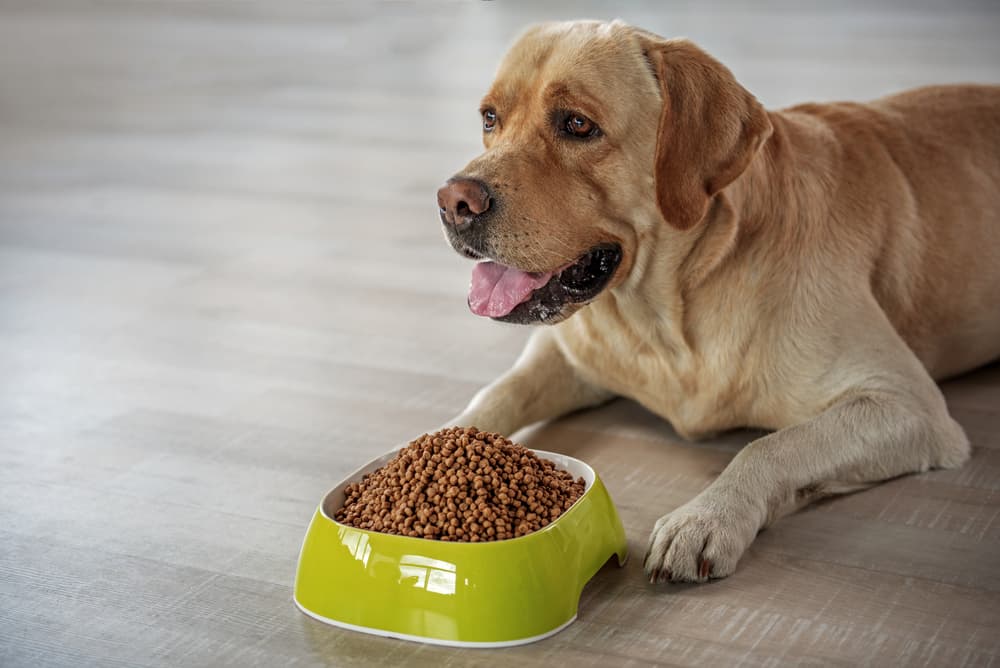
Credit: amerivet.com
Special Considerations For Different Dog Types
Different dogs have unique needs when managing their weight. Age, breed, and life stage influence the best food choices. Tailoring dog food helps keep your pet healthy and active. Understanding these factors guides you to pick the right weight management food.
Puppies And Weight Control
Puppies grow fast and need balanced nutrition. Weight control food for puppies supports healthy growth. It provides essential nutrients without too many calories. Avoid foods that limit growth or cause nutrient gaps. Proper weight helps prevent joint problems later in life.
Senior Dogs’ Needs
Older dogs often have slower metabolism and less activity. Weight management food for seniors contains fewer calories but high-quality protein. It supports muscle maintenance and joint health. Special formulas include added fiber to aid digestion. This helps older dogs stay fit and comfortable.
Breed-specific Formulas
Different breeds have different body types and energy needs. Large breeds need food that supports joint health and controls growth. Small breeds require calorie-dense food with smaller kibble size. Breed-specific formulas consider these differences for better weight control. This approach promotes overall health and longevity.
Tips For Transitioning To Weight Management Food
Switching your dog to weight management food needs care and patience. Sudden changes can upset your dog’s stomach. A smooth change helps your dog accept the new food better. This also allows you to watch for any problems early. Keeping an eye on your dog’s health is very important during this time.
Gradual Food Changes
Start by mixing a small amount of the new food with the old food. Slowly increase the new food’s amount over 7 to 10 days. This slow change helps your dog’s digestive system adjust. Watch your dog for any signs of upset stomach or allergies. If problems occur, slow down the transition process.
Monitoring Dog’s Weight
Weigh your dog regularly, at least once a week. Keep a record of your dog’s weight to track progress. Small, steady weight loss is healthier than rapid loss. Talk to your vet if your dog is not losing weight. Your vet can suggest changes in diet or feeding amounts.
Incorporating Exercise
Exercise supports weight loss and keeps your dog healthy. Start with short walks and gentle play sessions. Gradually increase the duration and intensity as your dog builds strength. Consistent activity helps burn calories and improves mood. Combine exercise with diet for best results in weight management.
:strip_icc()/sps-tier-3-primary-best-dog-food-weight-loss-ahuang-037-ce3edd322a1345f4b574389ec94f28b1.jpeg)
Credit: www.thesprucepets.com
Common Myths About Dog Weight Management
Many dog owners have wrong ideas about dog weight management. These myths can cause confusion and make weight control harder. Knowing the truth helps keep dogs healthy and fit.
Myth: Low-fat Means Low Calories
Low-fat dog food does not always mean fewer calories. Some low-fat foods have more sugar or starch. These ingredients add calories and can cause weight gain. Always check the total calories, not just fat content.
Myth: All Weight Foods Are The Same
Not all dog weight management foods are alike. Brands use different ingredients and formulas. Some focus on protein, others on fiber or carbs. Choose a food that matches your dog’s needs and preferences.
Myth: Supplements Replace Diet
Supplements can help but do not replace a good diet. Weight control needs balanced food and portion control. Supplements support health but cannot fix poor eating habits. Focus on feeding the right food first.
Frequently Asked Questions
What Ingredients Make The Best Weight Management Dog Food?
The best weight management dog food includes lean proteins, fiber, and low fat. These ingredients help maintain muscle and promote fullness, aiding healthy weight loss. Avoid excessive fillers and high-calorie additives to ensure balanced nutrition and effective weight control.
How To Choose Weight Management Dog Food For Overweight Dogs?
Choose dog food with controlled calories, high protein, and fiber content. Look for formulas designed specifically for weight control. Consult your vet to match the food with your dog’s age, breed, and activity level for safe and effective weight management.
Can Weight Management Dog Food Improve My Dog’s Health?
Yes, weight management dog food supports a healthy weight, reducing risks of diabetes and joint problems. It helps maintain energy levels and improves overall well-being. Proper nutrition paired with exercise boosts your dog’s longevity and quality of life.
How Long Does It Take To See Results With Weight Management Dog Food?
Typically, noticeable weight loss occurs within 4 to 8 weeks. Consistent feeding and portion control are key. Regular vet check-ups help monitor progress and adjust diet plans for optimal results.
Conclusion
Choosing the best weight management dog food helps your pet stay healthy. Good food supports steady weight loss and keeps energy high. Check ingredients for balanced nutrition and avoid fillers. Portion control matters as much as the food itself. Watch your dog’s progress and adjust meals if needed.
Healthy weight means a happier, longer life for your dog. Keep your vet involved for advice and regular check-ups. Feeding right is a simple step to care for your furry friend.


