

Choosing the best dog food for your Labrador can feel overwhelming. With so many options on the market, how do you know which one will keep your furry friend healthy and happy?
Your Labrador deserves the right nutrition to support their energy, coat, and overall well-being. You’ll discover simple, effective tips to find the perfect food that suits your dog’s unique needs. Keep reading to learn how to make the best choice for your loyal companion.

Credit: www.thelabradorsite.com
Labrador Nutritional Needs
Labradors are active, friendly dogs that need balanced nutrition. Their diet should support strong muscles, healthy joints, and a shiny coat. Feeding them the right food helps maintain their energy and overall health. Understanding their nutritional needs ensures a happy, healthy Labrador for years.
Essential Nutrients For Labradors
Proteins build strong muscles and repair tissues. Labradors need high-quality protein sources like chicken or fish. Healthy fats give energy and keep the coat shiny. Omega-3 and Omega-6 fatty acids support brain and skin health. Carbohydrates provide fuel but should come from whole grains or vegetables. Vitamins and minerals boost the immune system and support bones.
Common Health Issues And Diet
Labradors often face joint problems like hip dysplasia. Foods rich in glucosamine and chondroitin help protect joints. They can gain weight easily, so portion control is important. Obesity leads to other health problems. A diet low in fillers and high in fiber helps keep weight in check. Allergies are common; hypoallergenic diets may reduce reactions.
Life Stage Diet Requirements
Puppies need more protein and calories to grow fast. Adult Labradors require balanced nutrition to maintain weight and energy. Senior dogs benefit from diets with fewer calories and added joint support. Adjust feeding amounts and nutrients based on age and activity level. Life stage diets help Labradors stay healthy throughout their lives.
Types Of Dog Food
Choosing the right type of dog food is key for your Labrador’s health. Different foods offer various benefits. Knowing about each type helps in making a good choice. Labradors need balanced nutrition for energy and strong muscles. Here are the main types of dog food available.
Dry Kibble Benefits
Dry kibble is the most common dog food type. It is easy to store and serve. Kibble helps keep your dog’s teeth clean by reducing plaque. It usually costs less than other types. Many brands offer formulas tailored for Labradors. Kibble has a long shelf life, which helps prevent waste.
Wet Food Advantages
Wet food has a higher moisture content than dry kibble. This helps keep your Labrador hydrated. It often has a stronger smell, which dogs enjoy. Wet food is softer, making it easier to chew. It can be mixed with dry food for variety. This type may be more expensive but very tasty for dogs.
Raw And Homemade Diets
Raw and homemade diets use fresh ingredients. Many owners prefer this to control what their dog eats. These diets can include meat, vegetables, and grains. Preparing food at home means no additives or fillers. Raw diets mimic a dog’s natural eating habits. It needs careful planning to be safe and balanced.
Top Ingredients To Look For
Choosing the right dog food for Labradors means focusing on quality ingredients. These ingredients support energy, growth, and overall health. Labradors need balanced nutrition to stay active and happy. Knowing which ingredients matter helps you pick the best food. Here are the top ingredients to look for in Labrador dog food.
Protein Sources
Protein is vital for muscle strength and repair. Good sources include chicken, beef, lamb, and fish. Whole meat is better than meat by-products. Fish provides omega-3 fatty acids, which help coat and skin health. Avoid foods with too much plant protein like corn or soy.
Healthy Fats
Fats provide energy and support brain function. Look for fats from fish oil, flaxseed, or chicken fat. These fats help keep a Labrador’s coat shiny and soft. Healthy fats also reduce inflammation and support joint health.
Vitamins And Minerals
Vitamins and minerals keep the immune system strong. Vitamin E, vitamin A, and zinc are important for skin and coat. Calcium and phosphorus support strong bones and teeth. A balanced mix of these nutrients helps Labradors stay healthy and active.
Best Dog Food Brands For Labradors
Choosing the right dog food brand is key for your Labrador’s health. Labradors need food that supports their energy and joint health. The best brands offer balanced nutrition with quality ingredients. Some brands focus on premium quality, while others offer budget-friendly choices. Specialty diets are also available for Labradors with specific needs. Below are top dog food brands divided into useful categories.
Premium Brand Picks
Premium brands use high-quality meat and natural ingredients. They avoid fillers like corn and wheat. These foods support muscle growth and healthy skin. Brands such as Orijen, Blue Buffalo, and Wellness are popular. They provide essential vitamins and minerals for active Labradors. These options cost more but offer excellent nutrition.
Budget-friendly Options
Budget-friendly brands provide good nutrition at a lower price. They balance protein, fats, and carbohydrates well. Brands like Purina ONE and Diamond Naturals are reliable choices. These foods meet basic nutritional needs for Labradors. They are widely available and suit many dog owners.
Specialty Diet Brands
Specialty diets help Labradors with allergies or weight issues. Grain-free and limited ingredient foods reduce digestive problems. Brands like Hill’s Science Diet and Natural Balance focus on these needs. They offer formulas for joint support and sensitive stomachs. Choosing the right specialty brand improves your dog’s comfort and health.
Tailoring Food Choices By Age
Feeding a Labrador requires changes as they grow. Their needs differ from puppy to adult to senior stages. Choosing the right food at each age helps keep them healthy and happy. Age affects energy, digestion, and nutrient needs. This guide breaks down food choices by age group.
Puppy Food Essentials
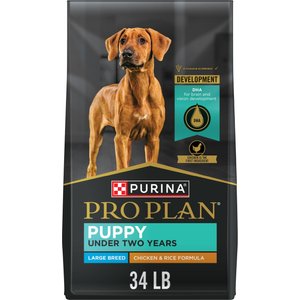
Labrador puppies need high protein for growth. Protein helps build strong muscles and bones. They also need DHA for brain and eye development. Small, frequent meals support their fast metabolism. Look for food with vitamins and minerals for immune support. Avoid fillers that offer little nutrition. Puppy food should support their energy and development.
Adult Labrador Nutrition
Adult Labradors need balanced nutrition to maintain weight. Protein remains important but in moderate amounts. Carbohydrates provide energy for their active lifestyle. Healthy fats keep their coat shiny and skin healthy. Portion control prevents obesity, a common issue in Labradors. Choose food with joint support ingredients like glucosamine. Adult food should keep them fit and energetic.
Senior Dog Diet Tips
Senior Labradors need fewer calories to avoid weight gain. Protein is still necessary but easier to digest forms work best. Fiber supports digestion and prevents constipation. Antioxidants help fight aging effects on cells. Joint supplements reduce arthritis pain and stiffness. Soft or wet food may be easier to chew. Senior diets help them stay comfortable and healthy.
Credit: www.chewy.com
Feeding Tips For Labradors
Feeding Labradors the right way helps keep them healthy and happy. Proper feeding supports their energy, weight, and overall well-being. Understanding good feeding habits makes a big difference in your dog’s life. Below are key tips to guide you in feeding your Labrador.
Portion Control
Giving the right amount of food prevents weight gain. Overfeeding can cause obesity and joint problems. Measure food using a cup or scale for accuracy. Adjust portions based on age, activity, and health. Labradors need balanced portions to stay fit and active.
Feeding Frequency
Divide daily food into two or three meals. This helps with digestion and energy levels. Puppies need more frequent meals than adult dogs. Regular feeding times create good habits and reduce begging. Stick to a feeding schedule for consistent nutrition.
Avoiding Common Feeding Mistakes
Do not feed table scraps or human food. These can upset your dog’s stomach and cause bad habits. Avoid sudden food changes to prevent digestive issues. Do not leave food out all day; it leads to overeating. Always provide fresh water alongside meals.
Monitoring Your Dog’s Health
Monitoring your Labrador’s health is key to choosing the best dog food. Dogs cannot tell us when something is wrong. So, watching for signs helps catch problems early. Healthy Labradors show energy, shiny coats, and good digestion. Changes in behavior or appearance may mean diet issues.
Signs Of Food Allergies
Food allergies in Labradors often cause itching and redness. Look for constant scratching or licking paws. Hair loss or skin rashes also signal allergies. Some dogs may vomit or have diarrhea after eating. Note any sudden changes after switching foods.
Maintaining Healthy Weight
Keep your Labrador at a healthy weight for longer life. Overweight dogs face joint and heart problems. Use a scale or a vet check to track weight. Adjust food amounts based on activity levels. Avoid free feeding to control portions easily.
When To Change Diet
Change diet if your Labrador shows poor coat or low energy. Digestive issues lasting more than a few days need new food. Puppies, adults, and seniors have different nutritional needs. Consult a vet before major diet changes. Watch your dog closely during transitions.

Credit: www.youtube.com
Frequently Asked Questions
What Nutrients Are Essential In Labrador Dog Food?
Labradors need protein, healthy fats, fiber, vitamins, and minerals. Protein supports muscle growth, while fats provide energy. Fiber aids digestion. Vitamins and minerals boost immunity and overall health. Choose dog food with balanced nutrients tailored for Labradors’ active lifestyle and size.
How To Choose The Best Dog Food For Labradors?
Look for high-quality protein sources like chicken or fish. Avoid fillers like corn or soy. Check for essential nutrients supporting joint health and weight management. Consider your Labrador’s age, weight, and activity level. Always select food approved by veterinary nutrition standards.
Can Labradors Eat Grain-free Dog Food?
Grain-free food suits Labradors with grain allergies or sensitivities. It often contains alternative carbs like sweet potatoes. However, consult your vet before switching to grain-free. Some grain-free diets may lack certain nutrients or cause health issues.
How Often Should I Feed My Labrador?
Adult Labradors typically eat twice a day—morning and evening. Puppies need three to four smaller meals daily. Adjust portions based on age, weight, and activity. Avoid overfeeding to prevent obesity and maintain healthy energy levels.
Conclusion
Choosing the right dog food helps Labradors stay healthy and happy. Good food supports strong muscles and shiny coats. Watch for key ingredients like protein, fats, and vitamins. Avoid fillers and artificial additives to keep your dog safe. Each Labrador has unique needs, so pay attention to their reactions.
Balanced meals lead to better energy and longer life. Trust your knowledge and love to make smart choices. Your dog deserves the best nutrition every day. Keep learning and adjusting as your Labrador grows.


