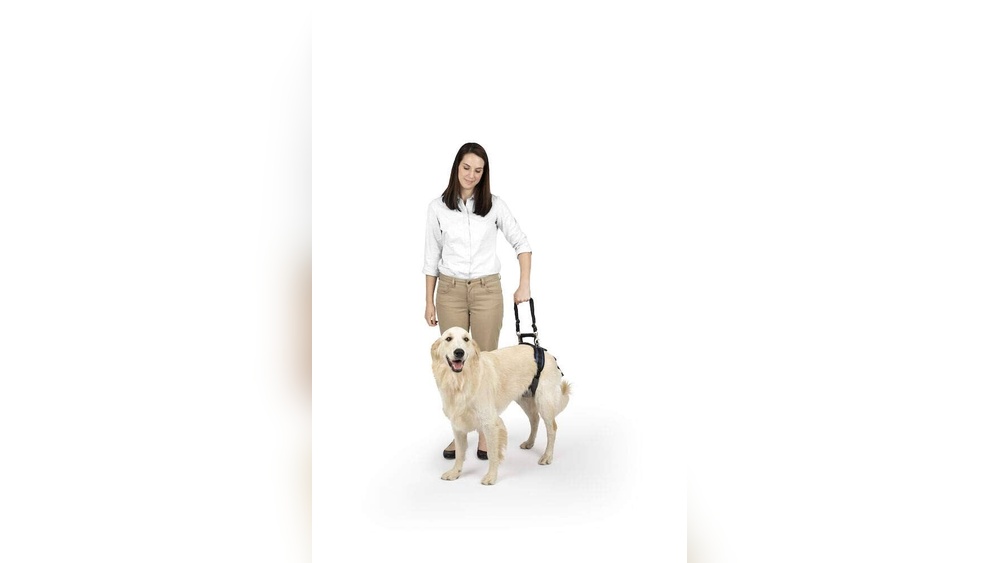
Choosing the best breed for a service dog is one of the most important decisions you’ll make. Your service dog will be more than a pet—they’ll be your partner, your helper, and your trusted companion.
But with so many breeds out there, how do you know which one fits your needs best? This guide will help you discover the qualities to look for and reveal the top breeds that excel in service work. Keep reading to find the perfect match for you and your lifestyle.
Criteria For Service Dog Breeds
Choosing the best breed for a service dog depends on clear criteria. These criteria help find dogs that can support people well. Service dogs must show certain traits to do their jobs safely and effectively.
Not every dog breed fits the needs of service work. Different tasks need different skills and abilities. The right dog must have the right temperament, size, and health to serve properly. Below are the main points to consider when picking a breed for service work.
Temperament And Behavior
Service dogs need calm and steady temperaments. They must stay focused in busy or noisy places. Friendly and gentle behavior helps them work with people. Dogs that are shy or aggressive usually do not make good service dogs. A balanced nature is key for safety and trust.
Trainability
Trainability is vital for service dogs. They must learn many commands and tasks quickly. Dogs that enjoy learning and work well with humans succeed best. Breeds with high intelligence and eagerness to please often excel. Patience and consistency make training easier for both dog and owner.
Size And Strength
The dog’s size must match the job’s demands. Some tasks need strong dogs to support physical movement. Others need smaller dogs for portability and easy travel. The dog should be large enough to help but not too big to manage. Strength and agility both matter for service work.
Health And Longevity
Good health is crucial for service dogs. They must work for many years without frequent illness. Breeds with fewer genetic problems tend to live longer. Regular health checks keep service dogs fit and ready. Strong health means fewer breaks and more reliable help.
Labrador Retriever
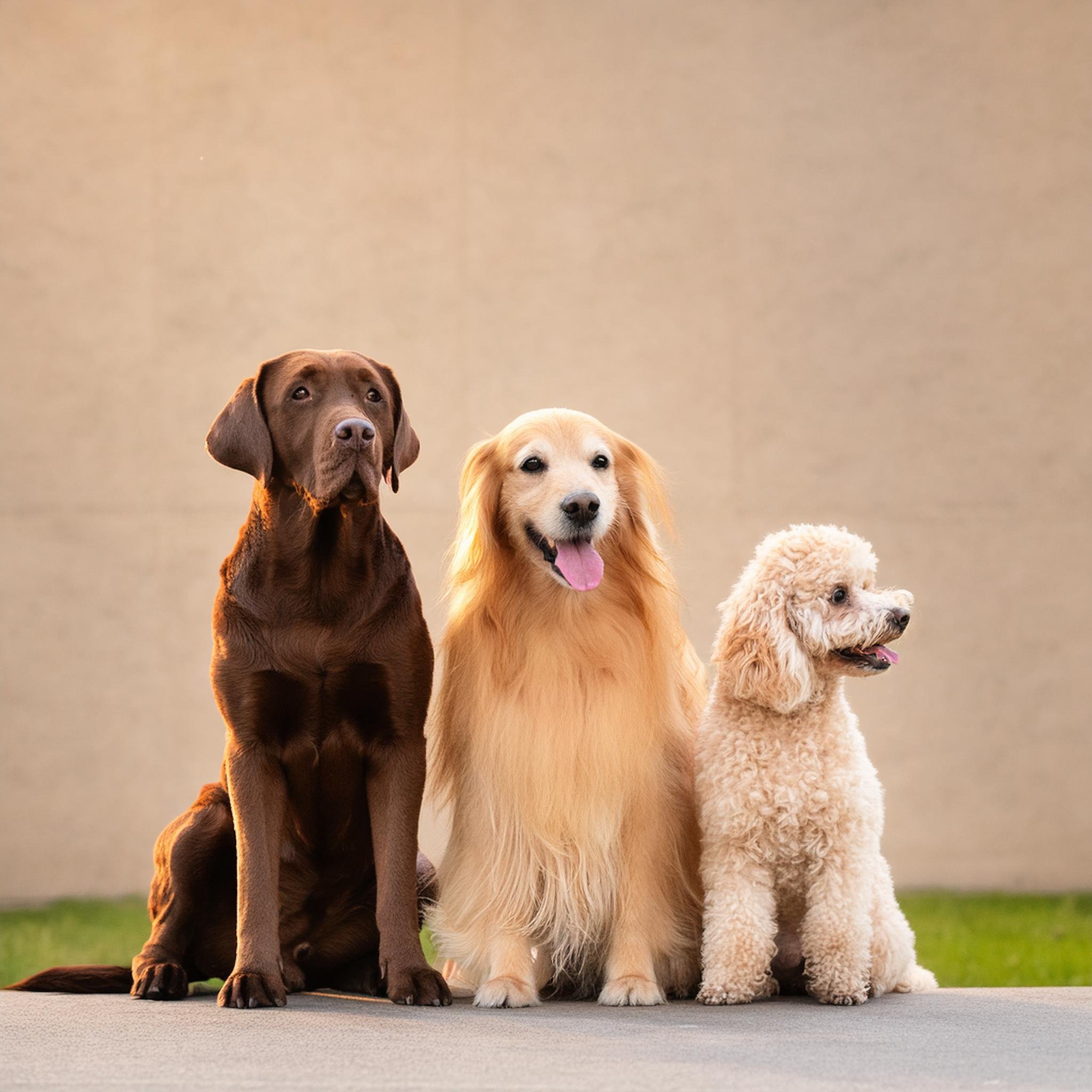
The Labrador Retriever is one of the most popular breeds used as service dogs. They have a gentle nature and strong work ethic. Labs are smart and eager to please, which makes training easier. Their friendly personality helps them connect well with people in need. Many service dog trainers choose Labs for their balance of energy and calmness.
Key Traits
Labradors have a calm and patient temperament. They are highly intelligent and learn commands quickly. Their strong sense of smell helps in many tasks. Labs are very loyal and form strong bonds with their handlers. They have good physical stamina and enjoy active work. Their size and strength allow them to assist with mobility. Labs rarely show aggression, making them safe around others.
Common Service Roles
Labradors work in many service roles. They often serve as guide dogs for the visually impaired. Labs also assist people with physical disabilities by helping with daily tasks. They are trained to detect medical conditions like seizures or low blood sugar. Many Labs work as therapy dogs, providing emotional support. Their ability to stay calm in crowds makes them great public access dogs.
Golden Retriever
The Golden Retriever is one of the most popular service dog breeds. It has a friendly nature and strong intelligence. These dogs learn commands fast and stay calm in busy places.
Golden Retrievers have a gentle attitude. They enjoy helping people and are very loyal. Their size and strength make them suitable for many tasks. This breed adapts well to different environments.
Temperament Highlights
Golden Retrievers are calm and patient. They show great focus on tasks. These dogs are very social and love people. They rarely show aggression or fear. Their steady nature helps them work well in public.
They respond quickly to training. Their eagerness to please owners makes learning easy. Golden Retrievers handle stress better than many breeds. Their friendly behavior comforts people in need.
Service Applications
Golden Retrievers excel in guide dog roles. They assist people with vision loss effectively. This breed also works as therapy dogs. They provide emotional support in hospitals and schools.
Many Golden Retrievers serve as mobility aids. They help with balance and retrieving objects. Their strength allows them to perform physical tasks. These dogs are also trained for hearing assistance.
Credit: www.lovedisabledlife.com
German Shepherd
The German Shepherd is a popular choice for service dogs worldwide. Known for its intelligence and loyalty, this breed can perform many important tasks. They adapt well to different environments and training styles. Their strong work ethic makes them a reliable partner for people in need.
Strengths And Skills
German Shepherds are highly intelligent and easy to train. They have a strong sense of smell and sharp hearing. These dogs are strong and agile. They show great focus during tasks. Their calm nature helps in stressful situations. They can learn complex commands quickly. German Shepherds are protective but gentle with their handlers.
Typical Service Duties
German Shepherds often serve as guide dogs for the visually impaired. They assist people with mobility issues by retrieving items. These dogs can alert their owners to sounds or dangers. They work in search and rescue missions. German Shepherds help people with PTSD by providing comfort. They also serve as police or military service dogs. Their versatility makes them suitable for many roles.
Poodle
The Poodle is a popular choice for service dogs. It stands out because of its smart nature and friendly attitude. These dogs come in three sizes: standard, miniature, and toy. Each size has unique strengths that fit different service roles. Poodles are easy to train and adapt well to new situations. Their coat is curly and does not shed much. This makes them a good fit for people with allergies. Poodles work hard and bond closely with their handlers. They bring both help and comfort.
Intelligence And Hypoallergenic Qualities
Poodles rank among the smartest dog breeds. They learn commands quickly and remember them well. This intelligence helps in training for complex tasks. Their curly coat is low-shedding. This quality makes them hypoallergenic. People with allergies can live comfortably with Poodles. Regular grooming keeps their coat healthy and clean. The Poodle’s coat reduces dander in the air. This helps create a safer environment for sensitive people.
Service Roles
Poodles serve in many roles due to their skills. They assist people with mobility challenges. Their size allows them to help both adults and children. Poodles also work as therapy dogs. They provide emotional support in hospitals and schools. Some Poodles help people with hearing loss. Their alert nature makes them good hearing dogs. The breed’s calm and gentle attitude suits many tasks. Poodles offer reliable help and strong companionship.
Border Collie
The Border Collie is a popular choice for service dogs. Known for its sharp mind and high energy, it excels in many tasks. This breed is small to medium in size and has a strong work drive. Border Collies are quick learners and very alert. They respond well to training and enjoy having a job to do.
Energy And Intelligence
Border Collies have very high energy levels. They need lots of physical activity each day. This keeps them happy and healthy. Their intelligence is one of the highest among dog breeds. They can learn new commands quickly and remember them well. This makes training easier and faster.
Suitability For Service Tasks
The Border Collie’s sharp mind helps in many service roles. They work well as mobility assistance dogs and in search and rescue. Their focus and quick response make them reliable helpers. They can sense changes in their handler’s condition fast. These dogs thrive when given clear, consistent tasks.
Other Notable Breeds
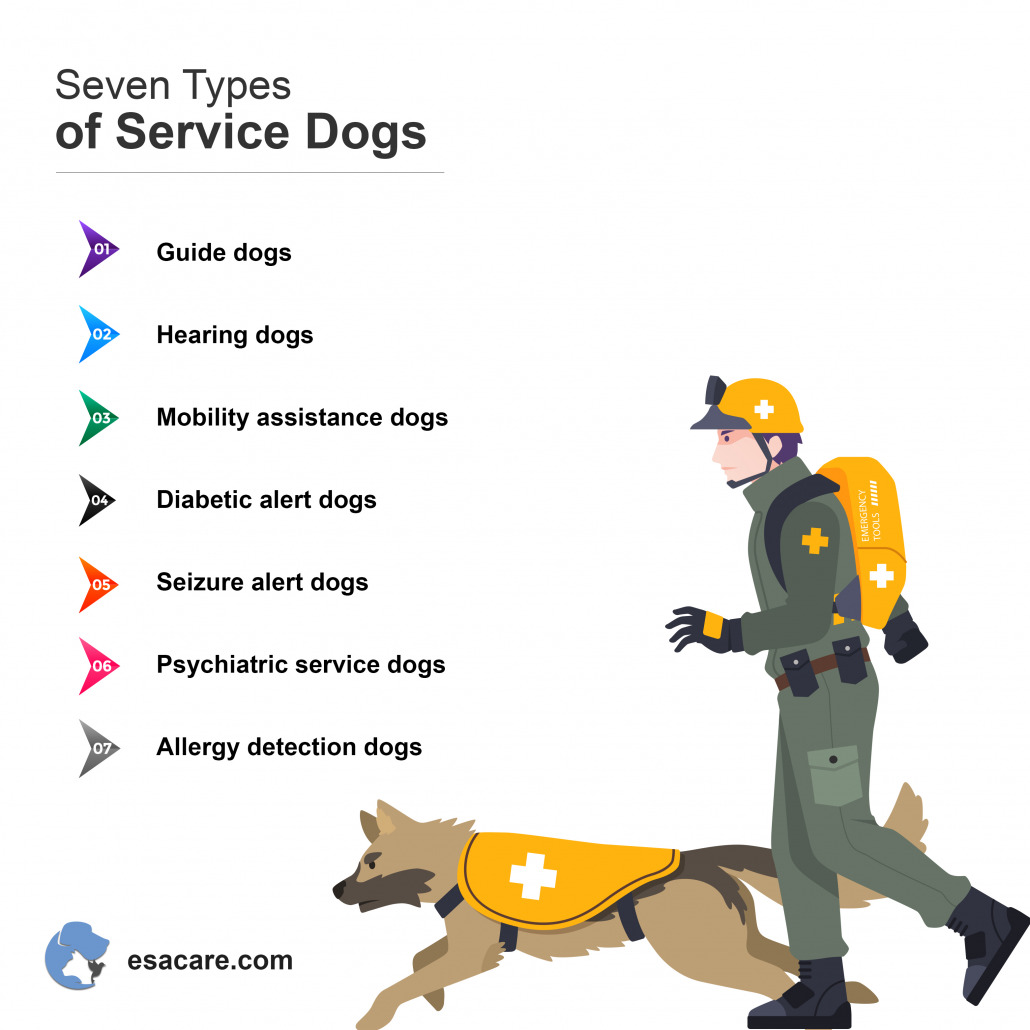
Several dog breeds make excellent service dogs beyond the common choices. These breeds offer unique qualities that fit specific needs. They can assist people with disabilities in many ways.
Each breed has different traits like size, temperament, and strength. Choosing the right breed depends on the tasks the dog must perform. Here are some notable breeds worth considering.
Boxer
Boxers are strong and energetic dogs. They are loyal and protective of their owners. Boxers have a friendly nature and can learn many tasks. Their size makes them good for physical support. They often help people with mobility challenges.
Cavalier King Charles Spaniel
This small breed is gentle and calm. They are easy to train and very affectionate. Cavaliers work well with people needing emotional support. Their small size suits apartment living. They provide comfort and reduce anxiety.
Great Dane
Great Danes are large and powerful dogs. They are gentle giants with a calm personality. Great Danes assist with heavy lifting and balance. Their size allows them to support larger individuals. They are patient and dependable service dogs.
Credit: www.visco-foam.com
Matching Breed To Service Needs
Choosing the right breed for a service dog depends on the specific needs of the person. Different breeds have unique traits that suit various types of assistance. Matching breed to service needs helps ensure the dog can perform tasks effectively. It also creates a strong bond between the dog and handler. Below are some common service roles and the best breeds for each.
Mobility Assistance
Dogs for mobility help people with walking or balance challenges. Large, strong breeds like Labrador Retrievers and Golden Retrievers excel here. Their size supports weight and stability tasks. These breeds are patient and gentle, making them ideal for everyday help. They can retrieve items or open doors with ease.
Medical Alert
Medical alert dogs detect changes in the body before emergencies occur. Small to medium breeds like Poodles and Border Collies are common choices. They respond quickly to signals like seizures or low blood sugar. These dogs need high intelligence and strong focus. Their alertness can save lives by warning handlers early.
Psychiatric Support
Psychiatric service dogs assist those with mental health challenges. Breeds such as German Shepherds and Labrador Retrievers are popular. They provide comfort during anxiety or panic attacks. These dogs sense emotional changes and offer calm support. Their training helps handlers feel safe in stressful situations.
Hearing Assistance
Hearing dogs alert people who are deaf or hard of hearing. Breeds like Cocker Spaniels and Miniature Schnauzers are often used. Their sharp hearing helps detect sounds like alarms or doorbells. These dogs signal their handler by nudging or leading them. They improve independence and safety for the hearing impaired.
Training And Socialization Tips
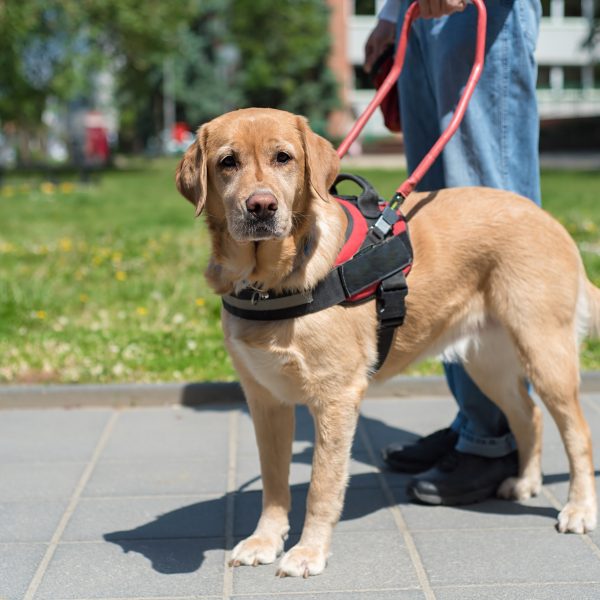
Training and socialization are key for a successful service dog. These steps help the dog learn important skills and behave well in different places. A well-trained dog can provide better support and stay calm in busy environments. Proper socialization also reduces fear and aggression, making the dog more reliable.
Early Training Importance
Start training your service dog as early as possible. Puppies learn quickly and are more open to new experiences. Early training helps build good habits before bad ones form. It is easier to teach basic commands and social skills during puppyhood. Early exposure to different sounds, people, and places prepares the dog for service work.
Consistency And Patience
Be consistent with commands and routines. Use the same words and actions every time. Dogs respond best to clear, steady signals. Patience is key; training takes time and repetition. Avoid punishment and focus on positive reinforcement. Reward good behavior with treats or praise. This builds trust and encourages the dog to learn more.
Professional Training Options
Professional trainers offer expert guidance for service dogs. They can teach specialized skills tailored to individual needs. Trainers also help with socialization in real-world settings. Some programs provide certification and ongoing support. Working with professionals increases the chance of success. It also ensures the dog meets service standards.
Credit: www.greenfieldpuppies.com
Frequently Asked Questions
What Breed Is Best For A Service Dog?
Labrador Retrievers are the most popular service dogs due to their intelligence, temperament, and trainability. Golden Retrievers and German Shepherds are also top choices for various service tasks.
Why Are Labradors Preferred As Service Dogs?
Labradors have a gentle nature, high intelligence, and strong work ethic. They adapt well to different environments and learn commands quickly, making them ideal service dogs.
Can Small Breeds Be Service Dogs?
Yes, small breeds like Poodles can be excellent service dogs, especially for medical alerts or psychiatric support. Their size benefits handlers needing compact assistance.
How Does Breed Affect Service Dog Training?
Breed influences trainability, temperament, and physical ability. Choosing a breed that matches the handler’s needs ensures effective training and long-term service dog success.
Conclusion
Choosing the best service dog breed depends on your needs and lifestyle. Different breeds have unique strengths and traits. Some dogs are great for physical tasks, while others provide emotional support. Temperament and training ability matter a lot. Think about size, energy, and health too.
The right dog will be a loyal, helpful companion. Take time to research and meet dogs before deciding. A well-matched service dog can change daily life for the better. The bond you build will be rewarding and strong.