Is your dog losing interest in food? Watching your furry friend refuse meals can be worrying and frustrating.
You want to help your dog regain a healthy appetite, but with so many options out there, it’s hard to know what really works. What is the best appetite stimulant for dogs that is safe and effective? You’ll discover simple, proven solutions to boost your dog’s hunger and bring back their zest for mealtime.
Keep reading to find the answers that can make a real difference for your pet’s health and happiness.

Credit: toegrips.com
Common Causes Of Loss Of Appetite In Dogs
Dogs may lose their appetite for many reasons. Understanding these causes helps in finding the right appetite stimulant. Watching your dog’s eating habits closely can reveal important clues. Sometimes, loss of appetite signals a health problem. Other times, it links to emotional or medication issues.
Health Issues
Health problems often cause dogs to stop eating. Infections, dental pain, or stomach upset can reduce appetite. Chronic illnesses like kidney disease or cancer also affect hunger. Dogs with fever or pain usually eat less. A vet checkup can identify these conditions early.
Stress And Anxiety
Stress can make dogs lose interest in food. Changes like moving to a new home or loud noises cause anxiety. Separation from owners or new pets can also upset dogs. Stress disrupts normal eating patterns and lowers appetite. Comfort and routine help dogs feel safer and eat better.
Medication Side Effects
Some medicines lower a dog’s desire to eat. Antibiotics, painkillers, or chemotherapy drugs often cause this. Side effects like nausea or dry mouth reduce hunger. Always tell your vet if your dog stops eating after new medicine. The vet may adjust the dose or try a different drug.

Credit: www.greatpetcare.com
When To Use Appetite Stimulants
Appetite stimulants can help dogs who refuse to eat or have a weak appetite. Knowing the right time to use these stimulants is important. Using them at the correct moment supports your dog’s health and recovery. Appetite stimulants are not for every dog. They serve a specific purpose in certain situations.
Veterinary Guidance
Always seek advice from a vet before giving appetite stimulants. A vet can find the cause of your dog’s poor appetite. They can suggest the best treatment and decide if stimulants are needed. Using stimulants without veterinary advice can hide serious health problems. Your vet will monitor your dog’s response to the stimulant. This ensures safe and effective use of the medication.
Short-term Vs Long-term Use
Appetite stimulants are usually best for short-term use. They help dogs eat during illness or stress. Long-term use is not common and may cause side effects. If your dog’s appetite does not improve, further vet checks are needed. Long-term poor appetite may signal deeper health issues. Short courses of stimulants can support recovery in many cases.
Top Prescription Appetite Stimulants
Prescription appetite stimulants help dogs eat more when they lose interest in food. These medicines support dogs with illness or aging problems. They work by making the dog feel hungry or by changing signals in the brain.
Here are the top prescription appetite stimulants commonly used for dogs. Each one has its own way to encourage eating. Always use these medicines under a vet’s guidance.
Mirtazapine
Mirtazapine is a popular choice to boost appetite in dogs. It acts on the brain to increase hunger signals. This medicine also helps reduce nausea, which may stop dogs from eating. Vets often prescribe it for dogs with cancer or kidney disease.
Mirtazapine comes in tablets and is given once daily. Side effects can include sleepiness and slight agitation. Watch your dog closely while using this drug.
Cyproheptadine
Cyproheptadine is an antihistamine that can also boost appetite. It works by blocking certain chemicals that reduce hunger. This drug is used for dogs who refuse to eat due to illness or stress.
The medicine is usually given two to three times a day. Some dogs may feel sleepy or have dry mouth. Always follow the vet’s dosage instructions carefully.
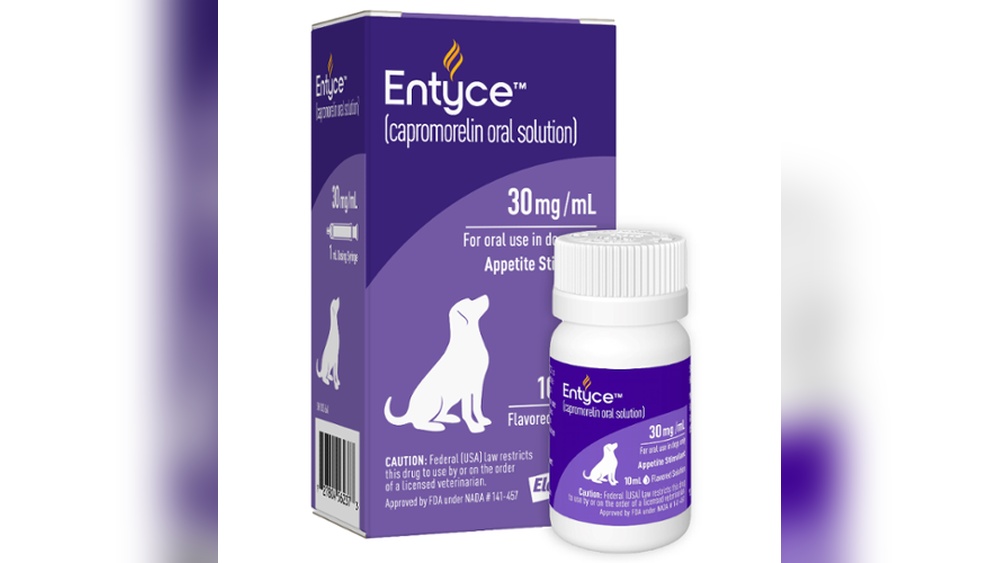
Capromorelin
Capromorelin is a newer appetite stimulant for dogs. It mimics a natural hormone that triggers hunger. This drug is approved specifically for dogs with appetite loss.
Capromorelin is given as a liquid once daily. It is well tolerated by most dogs. Possible side effects are vomiting or diarrhea but are rare.
Credit: www.holistapet.com
Natural And Over-the-counter Options
Natural and over-the-counter options can help improve your dog’s appetite safely. These choices support digestion and overall health. They often have fewer side effects than prescription medicines. Many dog owners prefer these methods for mild appetite loss or as a first step before seeing a vet.
Herbal Supplements
Herbal supplements like ginger, chamomile, and peppermint are gentle on dogs. They can soothe the stomach and reduce nausea. Some herbs may stimulate hunger naturally. Always check the right dosage and avoid toxic plants. Herbal supplements often come as powders, capsules, or teas made for pets.
Omega Fatty Acids
Omega fatty acids support skin, coat, and brain health. They also help reduce inflammation in the gut. Fish oil and flaxseed oil are common sources. These oils can improve digestion and increase appetite. You can add them directly to your dog’s food. Start with small amounts to avoid upset stomach.
Probiotics
Probiotics balance the good bacteria in a dog’s gut. A healthy gut helps dogs feel better and eat more. Probiotic supplements come as powders, chews, or treats. They improve digestion and nutrient absorption. Choose products made specifically for dogs to ensure safety and effectiveness.
Dietary Tips To Encourage Eating
Encouraging a dog to eat can be a challenge. Small changes in diet can help boost appetite. These simple dietary tips can make meals more appealing to your dog. They focus on taste, timing, and texture to invite eating.
Flavor Enhancers
Adding flavor can make food more tempting. Try mixing in a bit of low-sodium broth or plain yogurt. Small amounts of cooked chicken or cheese can also help. Avoid spices or ingredients harmful to dogs. Strong smells often attract dogs to their food.
Meal Scheduling
Set regular meal times to create a routine. Dogs respond well to consistency. Avoid leaving food out all day. Offer food for 15-20 minutes, then remove it. This habit can increase a dog’s interest in meals.
Food Texture And Temperature
Texture can affect how much a dog wants to eat. Mix wet and dry foods to add variety. Warm food slightly to release aromas. Avoid feeding food that is too hot or cold. These small changes can make meals more inviting.
Safety And Side Effects
Choosing the right appetite stimulant for your dog means thinking about safety first. Some stimulants can cause side effects. Knowing these risks helps keep your dog healthy.
Potential Risks
Appetite stimulants may cause vomiting or diarrhea. Some dogs feel restless or sleepy. Allergic reactions are rare but possible. Long-term use can affect liver or kidney function. Always use the correct dose for your dog’s size. Avoid giving human medicines without vet advice.
Monitoring Your Dog
Watch your dog closely after starting any stimulant. Check for changes in behavior or eating habits. Note any signs of sickness like vomiting or diarrhea. Contact your vet if side effects appear. Regular vet check-ups help track your dog’s health. Early action prevents serious problems.
When To Consult A Veterinarian
Knowing when to consult a veterinarian is key to your dog’s health. Appetite loss can sometimes be normal. But other times, it signals a serious problem.
Do not ignore changes in your dog’s eating habits. Quick action can prevent bigger issues. A vet can provide the right diagnosis and treatment. This helps your dog get better faster.
Persistent Appetite Loss
Appetite loss that lasts more than two days needs veterinary attention. Dogs usually eat every day. If your dog refuses food for several days, it is a warning sign. Persistent appetite loss can lead to weakness and dehydration. A vet can find the cause and suggest the best treatment.
Signs Of Underlying Illness
Appetite loss often comes with other symptoms. Watch for vomiting, diarrhea, or coughing. Also notice if your dog is lethargic or has a fever. These signs may point to an illness. Some diseases reduce appetite as a symptom. A vet will check for infections, organ problems, or pain. Early diagnosis improves the chances of recovery.
Frequently Asked Questions
What Is The Safest Appetite Stimulant For Dogs?
The safest appetite stimulants for dogs are natural options like pumpkin and chicken broth. Always consult a vet before use. Prescription stimulants like mirtazapine are also safe under veterinary supervision.
How Do Appetite Stimulants Help Dogs Eat More?
Appetite stimulants increase hunger by affecting brain signals or digestion. They encourage dogs to eat more when illness or stress reduces appetite, aiding recovery and maintaining nutrition.
Can I Give Human Appetite Stimulants To My Dog?
No, human appetite stimulants can be harmful or toxic to dogs. Always use vet-approved medications or natural remedies specifically designed for dogs to ensure safety.
When Should I Use An Appetite Stimulant For My Dog?
Use appetite stimulants if your dog refuses food for more than 24 hours or loses weight rapidly. Consult your vet to identify underlying causes before starting treatment.
Conclusion
Finding the best appetite stimulant helps your dog eat better. Always choose safe products made for dogs. Watch your pet’s response closely after starting treatment. Talk to your vet before trying new supplements. Good nutrition supports your dog’s health and happiness.
Small changes can make a big difference. Keep your dog’s needs in mind every day. Healthy eating habits lead to a happier pet. Help your dog enjoy mealtime again.