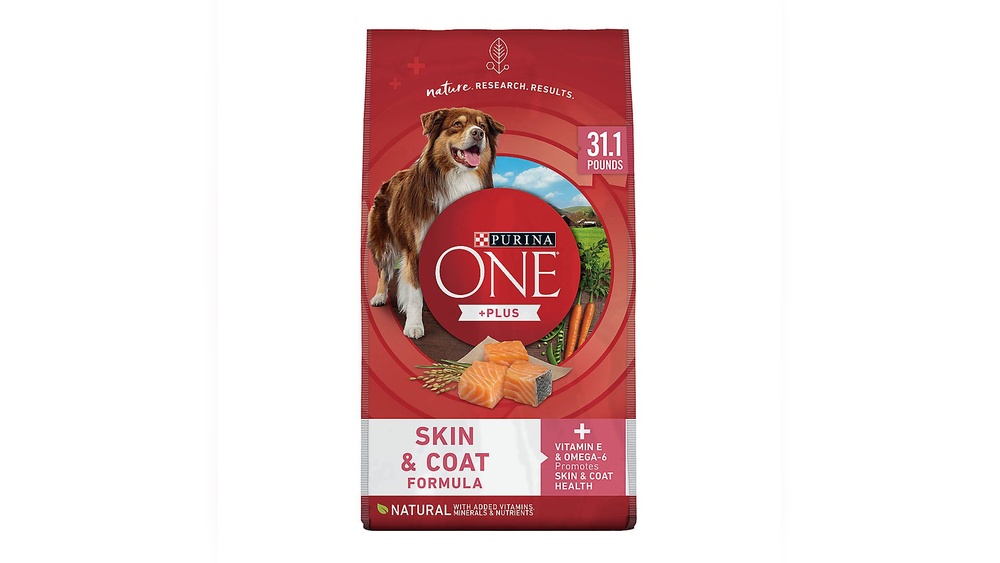
Is your dog constantly scratching, biting, or licking their skin? Skin allergies can make your furry friend uncomfortable and restless.
Finding the right dog food could be the key to easing their irritation and improving their skin health. But with so many options out there, how do you know what dog food is best for skin allergies? You’ll discover simple, effective ways to choose the perfect diet to help your dog feel better from the inside out.
Keep reading to give your dog the relief they deserve.
Credit: www.walmart.com
Causes Of Skin Allergies In Dogs
Skin allergies in dogs can cause itching, redness, and discomfort. Understanding the causes helps in choosing the right dog food. Allergies often come from different sources. These sources trigger the immune system and cause skin problems. Knowing the causes helps pet owners protect their dogs better.
Common Allergens
Common allergens include pollen, dust mites, and mold. These tiny particles irritate a dog’s skin. Dogs react by scratching and licking their skin. Some dogs are more sensitive to these allergens. Regular cleaning can reduce allergen levels at home.
Environmental Triggers
Environmental triggers include grass, chemicals, and flea bites. Contact with these triggers can cause allergic reactions. Flea saliva is a strong cause of skin allergies. Dogs may develop rashes or hot spots from these triggers. Avoiding these can reduce allergy symptoms.
Food-related Allergies
Food allergies happen when dogs react to certain ingredients. Common culprits are beef, chicken, dairy, and wheat. These ingredients cause inflammation and itching on the skin. Switching to hypoallergenic or limited-ingredient diets helps. Reading dog food labels carefully is important to avoid allergens.
Credit: www.justfoodfordogs.com
Signs Of Skin Allergies To Watch For
Skin allergies in dogs can cause discomfort and health issues. Early detection helps manage the problem better. Watch your dog closely for signs that point to skin allergies. These signs show how much your dog’s skin is affected. Recognizing them early allows quick action and relief for your pet.
Itching And Scratching
Itching is one of the most common signs of skin allergies in dogs. Your dog may scratch more than usual. Sometimes, biting or licking the skin happens too. Constant itching can cause wounds or sores. It shows that something irritates your dog’s skin deeply.
Redness And Inflammation
Redness on the skin often means irritation or allergy. Inflamed areas may look swollen or feel warm to touch. These spots can appear anywhere on the body. They often happen where your dog scratches or licks a lot. Redness and inflammation tell that the skin is fighting an allergen.
Hair Loss And Skin Damage
Hair loss may follow persistent scratching or licking. The skin might look raw or scaly. Damage like cuts or scabs can form on affected areas. These signs show the allergy affects your dog’s skin health. Keeping an eye on hair loss helps catch allergies sooner.
Key Nutrients For Skin Health
Good skin health depends on certain key nutrients in your dog’s food. These nutrients help reduce itching and redness. They support strong skin barriers and promote healing. Feeding your dog food rich in these elements can ease skin allergies and improve comfort.
Omega Fatty Acids
Omega fatty acids, especially omega-3 and omega-6, are vital for skin health. They reduce inflammation and soothe irritated skin. These fats help repair the skin’s protective layer. Fish oil and flaxseed are common sources of omega fatty acids in dog food.
Vitamins And Minerals
Vitamins A, E, and zinc play a big role in skin health. Vitamin A supports skin repair and cell growth. Vitamin E acts as an antioxidant, protecting skin cells. Zinc helps heal wounds and maintain healthy skin. Foods rich in these nutrients help fight skin allergies.
Protein Quality
High-quality protein provides essential building blocks for skin repair. Proteins with all essential amino acids help regenerate skin tissue. Limited ingredient diets with novel proteins reduce allergy risks. Feeding your dog good protein supports healthy, strong skin.
Top Dog Food Types For Allergies
Choosing the right dog food helps manage skin allergies in dogs. Certain food types reduce allergic reactions and soothe irritated skin. These options focus on simple ingredients and avoid common allergens. Feeding your dog the right diet supports healthier skin and less itching.
Limited Ingredient Diets
Limited ingredient diets use few ingredients to reduce allergy triggers. They contain one protein and one carbohydrate source. This simplicity helps identify what causes allergies. Dogs with sensitive skin often do well on these diets. They avoid complex blends that may irritate skin.
Grain-free Options
Grain-free dog foods exclude wheat, corn, and soy. These grains often cause allergic reactions in dogs. Grain-free diets use potatoes, peas, or lentils instead. This switch can reduce itching and redness. Many dogs with skin allergies feel better on grain-free foods.
Hypoallergenic Formulas
Hypoallergenic dog foods use proteins broken into small parts. These broken-down proteins are less likely to cause allergies. These formulas often contain novel proteins like duck or venison. They avoid common allergens found in regular dog food. Hypoallergenic diets support dogs with severe skin allergies.
Recommended Brands For Skin Allergies
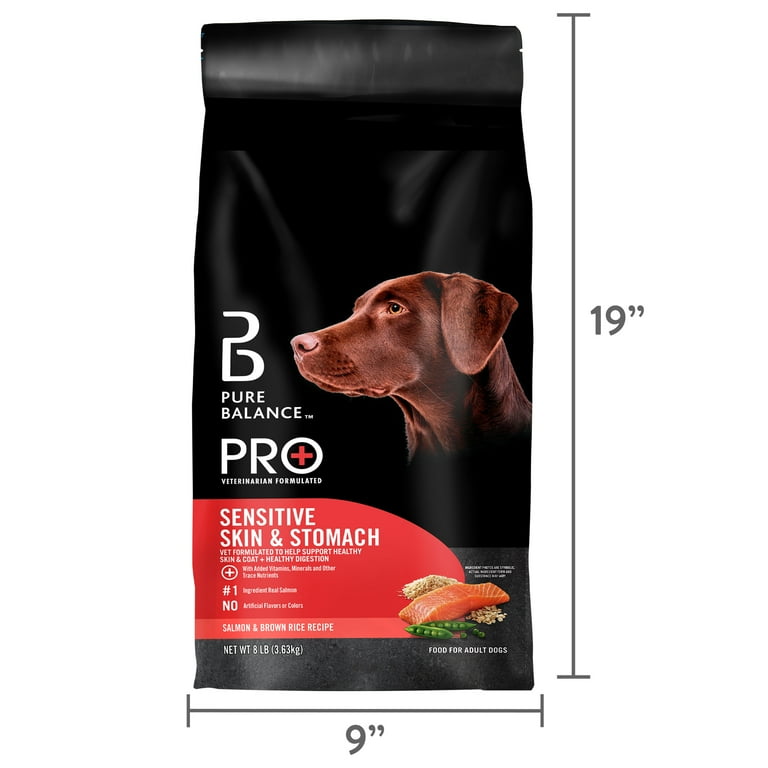
Choosing the right dog food is key to managing skin allergies. Some brands focus on ingredients that help soothe the skin. These foods reduce irritation and improve coat health. Picking a trusted brand gives your dog the nutrients it needs.
This section covers recommended brands for dogs with skin allergies. It includes options for different budgets and needs. From prescription diets to natural choices, each supports skin health.
Premium Prescription Diets
Prescription diets often contain limited ingredients. They avoid common allergens like wheat, soy, and corn. These diets include hydrolyzed proteins that are easy to digest. Brands like Hill’s Prescription Diet and Royal Canin offer these foods. They help reduce allergic reactions and support the immune system.
Natural And Organic Choices
Natural dog foods use whole ingredients without artificial additives. Organic options avoid pesticides and chemicals. These diets often feature salmon, sweet potatoes, and peas. Blue Buffalo and Wellness are popular natural brands. They focus on skin-friendly nutrients like omega fatty acids. These help calm inflammation and improve coat shine.
Budget-friendly Alternatives
Affordable dog foods can still support skin health. Look for formulas with limited ingredients and no fillers. Brands like Nutro and Natural Balance provide good options. They include essential vitamins and minerals for skin repair. These choices balance quality and cost for sensitive dogs.
Homemade Diets For Sensitive Skin
Homemade diets offer a great way to control what your dog eats, especially for sensitive skin. Preparing food at home lets you avoid common allergens found in many commercial dog foods. You can choose fresh, natural ingredients that support healthy skin and reduce itching. It also helps you spot any foods that cause a reaction and remove them quickly.
Safe Ingredients To Include
Lean meats like chicken, turkey, and fish are gentle on the skin. They provide essential proteins without causing allergies. Sweet potatoes and pumpkin add fiber and vitamins that improve digestion and skin health. Rice and oats serve as good carbohydrate sources that are less likely to irritate. Adding fish oil or flaxseed oil can boost omega-3 fatty acids, which calm inflammation. Fresh vegetables like green beans and carrots add antioxidants and nutrients.
Foods To Avoid
Common allergens include beef, dairy, wheat, and soy. These often cause skin problems or digestive upset. Avoid artificial preservatives, colors, and flavors found in processed foods. Onions and garlic can be toxic to dogs and worsen skin issues. Corn and peanuts may trigger allergic reactions in some dogs. Avoid anything that causes redness, itching, or digestive trouble.
Consulting A Veterinarian
Always check with a vet before starting a homemade diet. They help create a balanced meal plan to meet your dog’s needs. A vet can test for specific allergies and suggest safe foods. Regular check-ups ensure your dog’s skin improves and stays healthy. They also guide on supplements needed to avoid nutrient gaps.
Supplements To Support Skin Healing
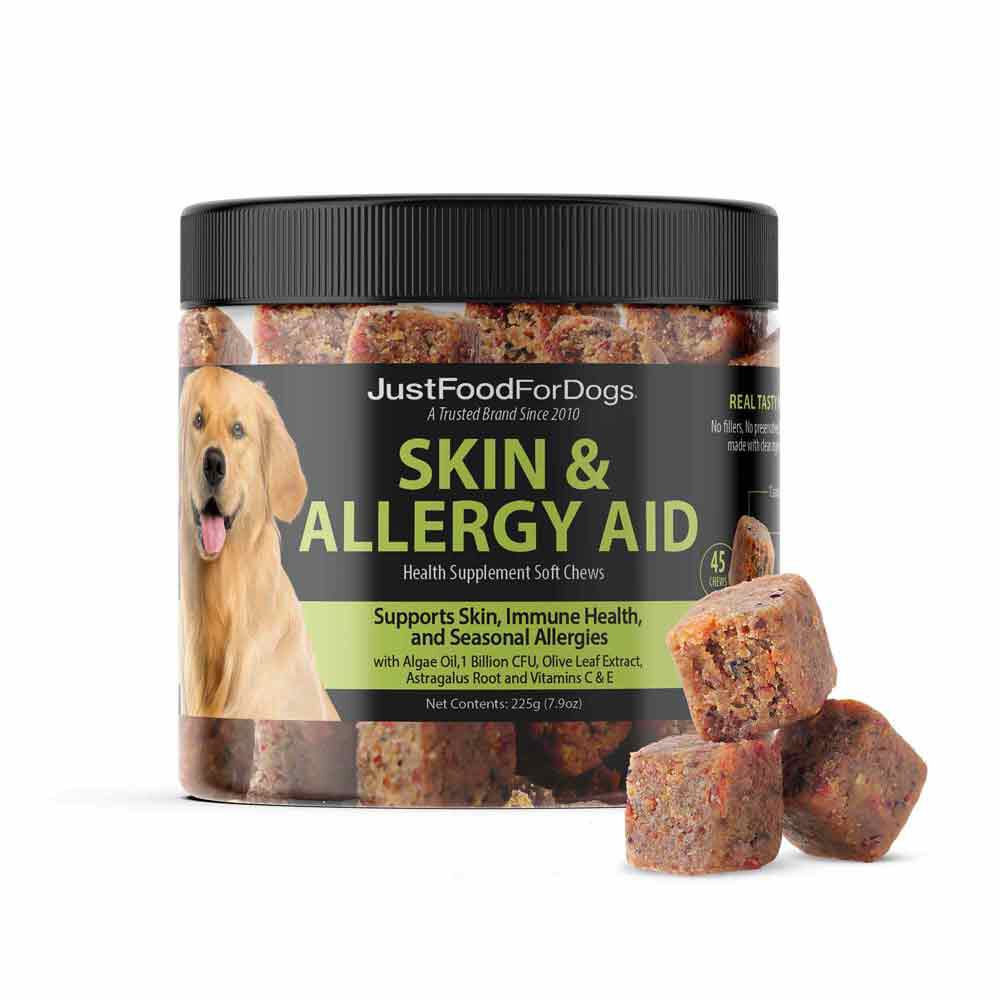
Supplements can help dogs with skin allergies heal faster. They support the skin’s natural barrier and reduce itching. Adding the right supplements to your dog’s diet can improve skin health and comfort.
Some supplements reduce inflammation and repair damaged skin. Others boost the immune system and improve digestion. Choosing the right supplement depends on your dog’s specific needs.
Fish Oil And Fatty Acids
Fish oil contains omega-3 fatty acids. These fats help reduce skin inflammation and itching. They also improve the coat’s shine and softness. Regular fish oil supplements can ease allergy symptoms and support skin healing.
Look for supplements rich in EPA and DHA. These are the active fatty acids that provide the most benefit. Always follow the vet’s advice for the correct dosage.
Probiotics And Digestive Aids
Probiotics help balance good bacteria in the gut. A healthy gut supports the immune system. This can reduce allergic reactions on the skin. Digestive aids improve nutrient absorption, promoting overall health.
Adding probiotics to your dog’s diet may ease skin allergies. They help reduce inflammation and support skin repair. Choose probiotics designed for dogs to ensure safety and effectiveness.
Herbal Remedies
Some herbs have natural anti-inflammatory properties. Calendula, chamomile, and aloe vera soothe irritated skin. These herbs can help reduce redness and swelling. Herbal supplements may support healing without harsh chemicals.
Always check with a vet before using herbal remedies. Some plants can cause allergic reactions or interact with medications. Use herbal supplements as part of a balanced skin care plan.
:strip_icc()/Spruce-best-dog-food-for-allergies-4173781-024027f06d344cd8acf7267d38694fa3.jpg)
Credit: www.thesprucepets.com
Feeding Tips To Reduce Allergic Reactions
Feeding a dog with skin allergies requires care and attention. Choosing the right food helps reduce allergic reactions. Feeding tips play a key role in managing your dog’s skin health. These tips help your dog adjust to new food without stress. They also help spot any signs of allergy early.
Introducing New Foods Slowly
Start new food by mixing a small amount with old food. Gradually increase the new food over 7 to 10 days. This slow change helps your dog’s stomach adapt. Sudden changes may cause upset or worsen allergies. Patience during this phase is very important.
Monitoring Your Dog’s Response
Watch your dog closely after changing food. Check for itching, redness, or skin changes. Also notice any vomiting or diarrhea. Keep a daily log of your dog’s symptoms. This helps identify if the new food is good or not. Early detection can prevent serious problems.
Maintaining A Consistent Diet
Stick to the chosen food once your dog shows improvement. Avoid switching between different brands or types. Consistency helps the body heal and stay healthy. Changing food often may trigger allergies again. A steady diet supports long-term skin health.
Frequently Asked Questions
What Ingredients Help Dogs With Skin Allergies?
Ingredients like omega-3 fatty acids, salmon, and sweet potatoes help reduce skin allergies. They soothe inflammation and improve coat health. Avoid common allergens like wheat, corn, and soy for best results.
How To Choose Hypoallergenic Dog Food?
Choose dog food labeled hypoallergenic with limited ingredients. Look for novel proteins like duck or venison. Avoid artificial additives and fillers. Consult your vet to tailor food to your dog’s specific allergies.
Can Grain-free Dog Food Help Skin Allergies?
Grain-free dog food can help if your dog is allergic to grains. It often contains alternative carbohydrates like peas or potatoes. However, grain allergies are rare, so consult your vet before switching.
How Long Does Diet Change Take To Affect Skin Allergies?
It typically takes 6 to 8 weeks for a new diet to show improvement. Consistency is key, and sudden changes can worsen symptoms. Monitor your dog closely and consult your vet if no progress is seen.
Conclusion
Choosing the right dog food helps ease skin allergy symptoms. Foods with limited ingredients reduce chances of reactions. Omega fatty acids support healthy skin and coat. Always check labels for allergens your dog must avoid. Consult your vet to find the best diet plan.
Healthy skin means a happier, more comfortable dog. Careful food choices make a real difference every day. Keep your dog’s needs in mind and watch for improvements. Simple steps lead to better skin and less itching.