

You want your dog to live a happy and healthy life, right? But do you know what your furry friend truly needs from their food?
Understanding what a dog requires nutritionally is key to making the best choices for their diet. The right balance of nutrients can boost their energy, support their immune system, and keep their coat shiny. Keep reading, and you’ll discover exactly what your dog needs to thrive every single day.
This knowledge could change the way you feed your dog forever.
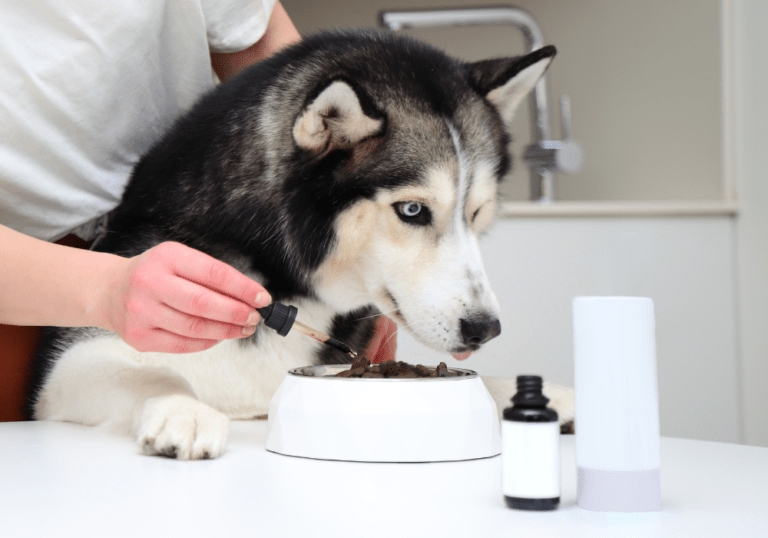
Credit: willowglenpethospital.com
Key Nutrients For Dogs
Dogs need a balanced diet to stay healthy and active. Their bodies require several key nutrients to function well. These nutrients support growth, repair, energy, and overall health. Understanding these key nutrients helps you choose the right food for your dog.
Proteins And Amino Acids
Proteins are the building blocks of a dog’s body. They help build muscles, skin, and fur. Amino acids, which come from proteins, are essential for many body functions. Dogs need high-quality protein sources like meat, fish, and eggs. These provide all the essential amino acids dogs cannot make on their own.
Essential Fats And Fatty Acids
Fats give dogs energy and help absorb vitamins. Essential fatty acids support brain health and keep skin soft. Omega-3 and Omega-6 are two important fatty acids. Sources like fish oil and flaxseed provide these fats. Healthy fats also help keep a dog’s coat shiny and reduce inflammation.
Carbohydrates And Fiber
Carbohydrates supply quick energy for daily activities. Fiber helps with digestion and keeps the gut healthy. Good sources of carbohydrates include rice, oats, and vegetables. Fiber also helps prevent constipation and supports regular bowel movements. Balanced carbs and fiber contribute to a dog’s overall well-being.
Vitamins And Minerals
Vitamins and minerals are vital for many body processes. They support the immune system, bone health, and energy production. Dogs need vitamins like A, D, E, and B-complex. Minerals such as calcium, phosphorus, and zinc are also important. These nutrients come from a varied diet with fresh ingredients.
Credit: goldenretrieverinsight.com
Water Needs For Dogs
Water is essential for a dog’s health and well-being. It supports every part of their body, from the brain to the muscles. Without enough water, dogs can become weak and sick quickly. Understanding their water needs helps keep them happy and healthy.
Daily Water Intake
Dogs need water every day to stay hydrated. The amount varies based on size, age, and activity level. On average, dogs need about one ounce of water per pound of body weight. For example, a 20-pound dog should drink around 20 ounces of water daily. Hot weather and exercise increase water needs.
Signs Of Dehydration
Dehydration in dogs can be serious. Watch for dry gums, sunken eyes, and lethargy. A dog that drinks less water than usual or has a sticky mouth may be dehydrated. Pinch the skin gently; if it does not return quickly, dehydration might be present. Early care prevents serious health problems.
Life Stage Nutritional Needs
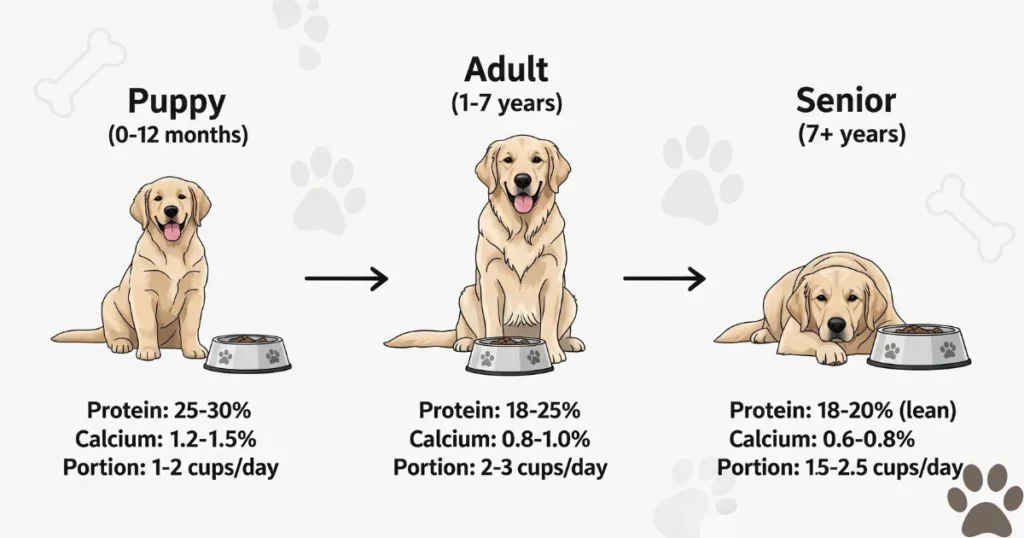
Dogs need different nutrients at every stage of life. Their bodies change as they grow, mature, and age. Feeding your dog the right food helps keep them healthy and strong. Meeting their life stage nutritional needs supports energy, growth, and overall well-being.
Puppies And Growth
Puppies require more calories to fuel their rapid growth. Protein supports muscle and tissue development. Healthy fats help brain and eye growth. Calcium and phosphorus build strong bones and teeth. Feeding special puppy food ensures they get all vital nutrients.
Adult Maintenance
Adult dogs need balanced nutrition to maintain their weight and health. Protein keeps muscles in good shape. Controlled fat levels prevent weight gain. Fiber aids digestion and keeps the gut healthy. Adult dog food formulas provide steady energy for daily activities.
Senior Dog Nutrition
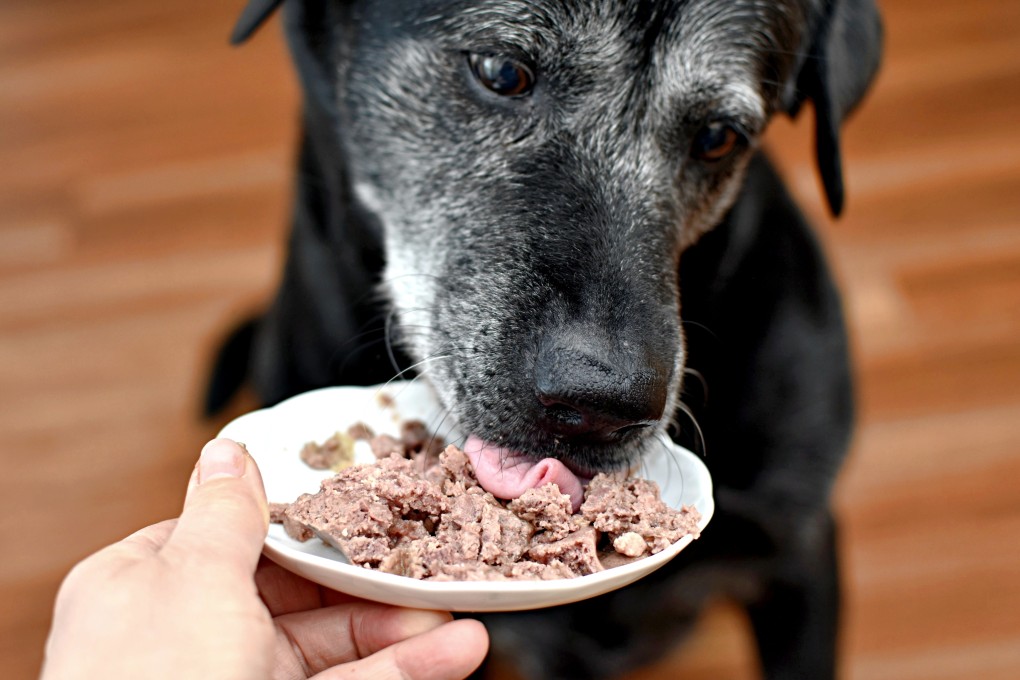
Older dogs have slower metabolisms and lower energy needs. They benefit from diets lower in calories but rich in protein. Joint-support nutrients like glucosamine help ease arthritis. Antioxidants protect cells and support the immune system. Senior dog food supports longevity and comfort in old age.
Credit: www.scmp.com
Special Dietary Considerations
Dogs need special diets for different health needs. Not all dogs eat the same food. Some dogs need changes to their diet for better health. Understanding these needs helps keep dogs healthy and happy.
Allergies And Food Sensitivities
Some dogs have allergies to certain foods. Common allergens include beef, dairy, and wheat. These can cause itching, stomach upset, or ear infections. A special diet with limited ingredients may help. Avoiding allergens can reduce symptoms and improve comfort.
Weight Management
Keeping a dog at a healthy weight is very important. Overweight dogs face risks like diabetes and joint problems. A diet low in calories but high in nutrients helps control weight. Portion control and regular exercise are also key. Proper weight supports a longer, healthier life.
Health Conditions And Diet
Some diseases need special diets for better care. Dogs with kidney problems may need low-protein food. Heart disease often requires low-sodium diets. Diabetes needs consistent carbohydrate intake. Tailoring diet to health conditions improves treatment and quality of life.
Choosing The Right Dog Food
Choosing the right dog food is key to keeping your dog healthy. Dogs need a balanced diet with the right nutrients. Each dog is different, so their food must match their age, size, and health needs. Understanding food types and labels helps you make smart choices. This section explains how to pick the best food for your dog.
Commercial Vs. Homemade Diets
Commercial dog foods are made to meet basic nutrition needs. They come in dry, wet, or semi-moist forms. These foods are convenient and often approved by pet experts. Homemade diets let you control ingredients and avoid additives. You must ensure homemade meals have all needed nutrients. Talk to a vet before choosing homemade food. Both options can work if balanced properly.
Reading Dog Food Labels
Dog food labels show important information about ingredients and nutrients. Look for a statement from the Association of American Feed Control Officials (AAFCO). This means the food meets minimum nutrition standards. Check the first ingredients; they should be real meat or named protein. Avoid foods with too many fillers like corn or wheat. Also, check for added vitamins and minerals. Labels help you pick safe and healthy food.
Benefits Of Raw And Cooked Diets
Raw diets include uncooked meat, bones, and vegetables. Some believe raw food helps with digestion and energy. Cooked diets use boiled or steamed ingredients. Cooking kills germs and makes food easier to digest. Both diets offer natural nutrients without fillers. Make sure raw food is fresh and handled safely. Consult a vet to balance raw or cooked meals well.
Supplements And Treats
Supplements and treats can play a role in a dog’s nutrition. They provide extra nutrients and rewards outside regular meals. Knowing when to use supplements and how to choose healthy treats helps keep dogs happy and healthy.
When Supplements Are Needed
Some dogs need supplements to fill nutrient gaps. Older dogs may benefit from joint support supplements. Puppies might require vitamins for growth. Dogs with health problems often need special supplements. Always consult a vet before giving supplements. Wrong supplements can cause harm or imbalance.
Healthy Treat Options
Choose treats that add nutrition, not empty calories. Small pieces of cooked chicken or carrots work well. Freeze-dried meat treats offer protein without fillers. Avoid treats with lots of sugar or artificial ingredients. Treats should never replace regular meals. Use treats to reward good behavior and training.
Frequently Asked Questions
What Are The Essential Nutrients Dogs Need Daily?
Dogs require proteins, fats, carbohydrates, vitamins, and minerals daily. Proteins support muscle health, fats provide energy, and vitamins aid immunity. Balanced nutrition keeps dogs active and healthy throughout life stages.
How Much Protein Should A Dog Consume?
Dogs need about 18-25% protein in their diet. Puppies and active dogs require higher protein levels. Protein supports muscle growth, repair, and overall health.
Can Dogs Eat Carbohydrates Safely?
Yes, dogs can digest carbohydrates like rice and sweet potatoes. Carbs provide energy and fiber for digestion. Avoid excessive carbs to prevent weight gain.
Why Are Fats Important For Dogs?
Fats supply energy and help absorb fat-soluble vitamins. They also keep skin and coat healthy. Omega-3 and Omega-6 fatty acids are vital for dogs.
Conclusion
Dogs need balanced nutrition to stay healthy and happy. Protein, fats, vitamins, and minerals all play key roles. Fresh water is essential every day. Avoid feeding harmful human foods. A proper diet supports energy, growth, and a strong immune system.
Regular vet visits help adjust nutrition as dogs age. Understanding your dog’s needs leads to a longer, better life. Simple care and good food make all the difference. Keep your furry friend thriving with the right nutrition.


