Are you curious about toy dogs and what makes them so special? These tiny companions are more than just cute—they can bring joy, comfort, and endless fun into your life.
Whether you’re thinking about adding a small furry friend to your home or simply want to learn what sets toy dogs apart from other breeds, this article is for you. Keep reading to discover everything you need to know about toy dogs, so you can decide if one is the perfect match for you.
Credit: worldanimalfoundation.org
Characteristics Of Toy Dogs
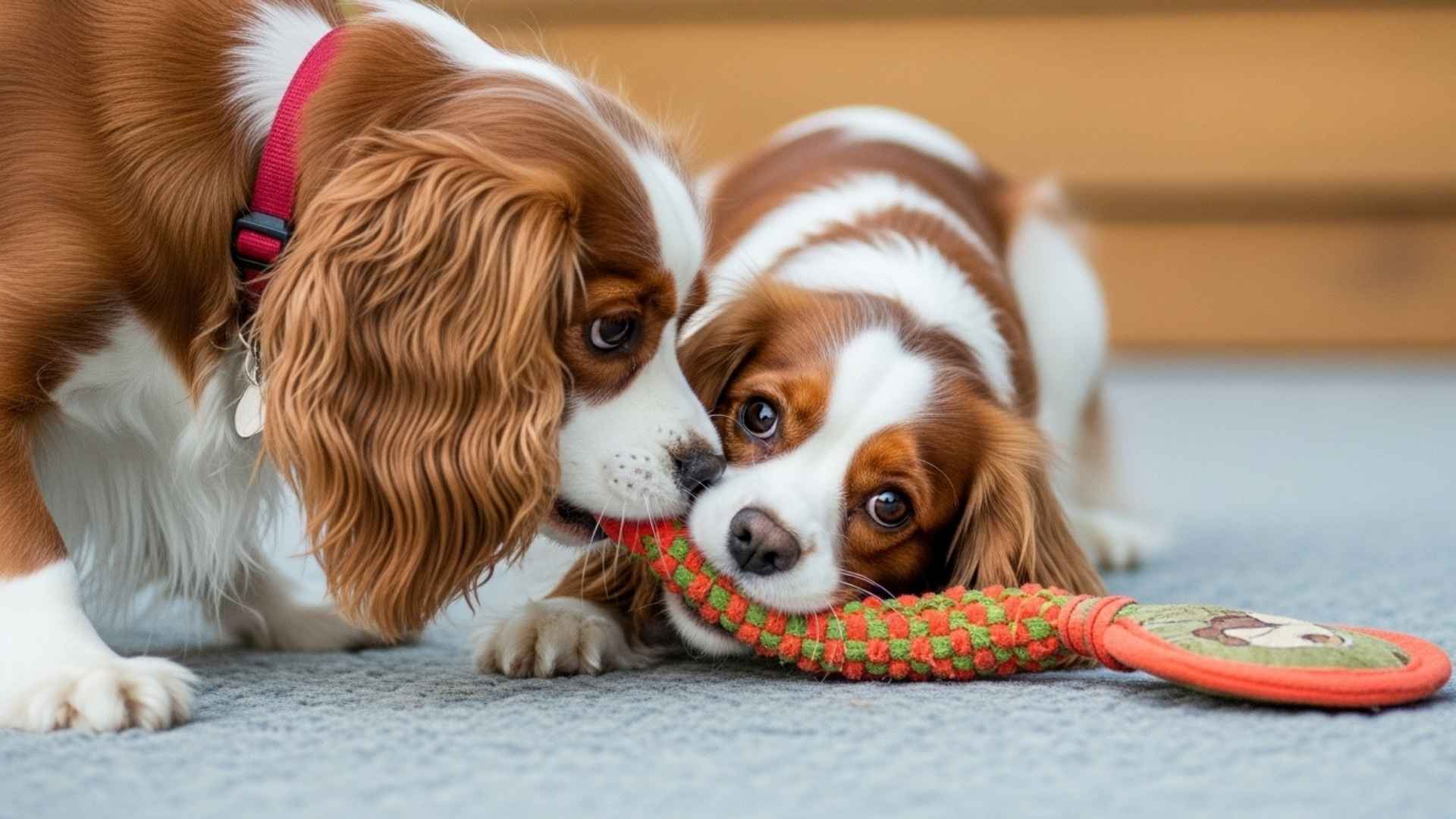
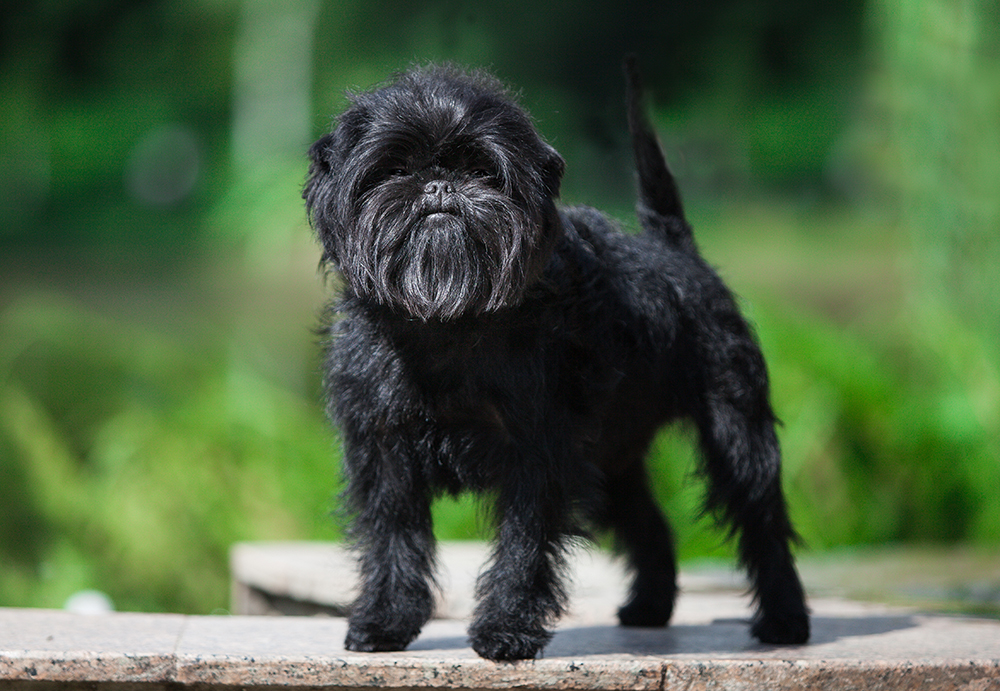
Toy dogs are small breeds loved for their charming looks and friendly nature. They fit well in apartments and small homes. Their size makes them easy to carry and care for. Understanding their traits helps in choosing the right toy dog for your lifestyle.
Size And Weight
Toy dogs are very small. Most weigh under 7 pounds. Their height ranges from 6 to 10 inches. Their tiny size makes them perfect for small spaces. They are easy to hold and travel with.
Temperament And Personality
Toy dogs are lively and affectionate. They enjoy being close to their owners. Many are playful and curious. They can be alert and protective despite their size. These dogs form strong bonds with family members.
Lifespan And Health
Toy dogs often live 12 to 16 years. Their small size helps them stay healthy longer. Regular vet care keeps them strong. Some breeds may have specific health issues. Proper diet and exercise support a long life.
Popular Toy Dog Breeds
Toy dogs are small in size but big in personality. They fit well in apartments and small homes. Many people love their playful and friendly nature.
These breeds often stay close to their owners. They enjoy attention and can be great companions. Here are some popular toy dog breeds loved worldwide.
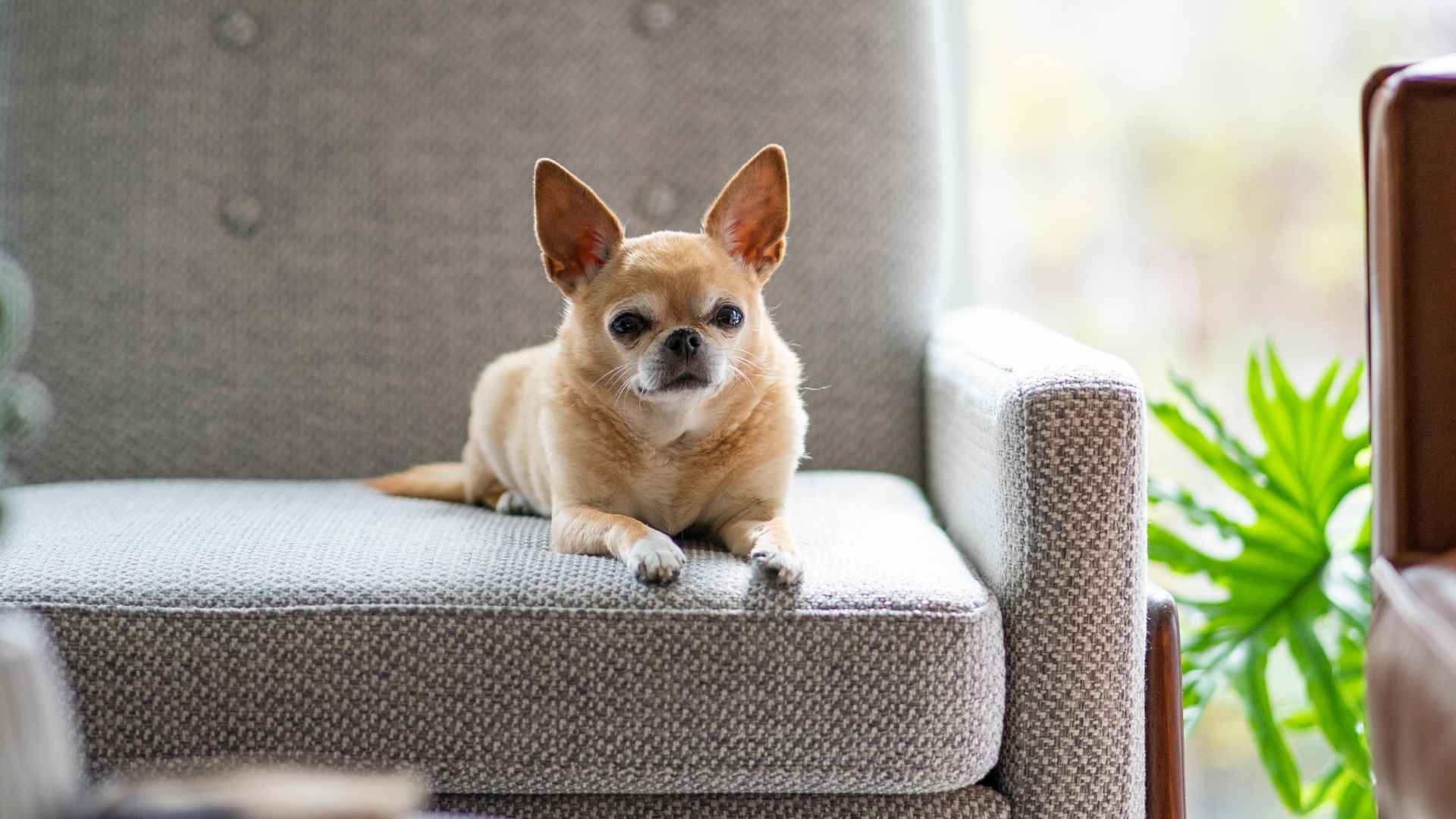
Chihuahua
The Chihuahua is one of the smallest dog breeds. It weighs only 2 to 6 pounds. Despite its size, it is brave and alert. Chihuahuas often bond strongly with one person. They have large, round eyes and big ears. This breed loves to cuddle and be warm.
Pomeranian
Pomeranians are fluffy and full of energy. They usually weigh around 3 to 7 pounds. Their thick coat needs regular brushing. Pomeranians are curious and smart dogs. They enjoy playing and learning new tricks. This breed is known for its friendly personality.
Yorkshire Terrier
Yorkshire Terriers, or Yorkies, are small but bold. They weigh about 4 to 7 pounds. Yorkies have long, silky hair that looks beautiful. They are very loyal to their owners. This breed is lively and loves to explore. Yorkies make great watchdogs.
Maltese
The Maltese is gentle and affectionate. It weighs 4 to 7 pounds on average. Maltese dogs have soft, white fur that is easy to style. They enjoy being lap dogs and love attention. This breed is quiet but playful. Maltese dogs do well in small spaces.
Papillon
Papillons are named for their butterfly-like ears. They weigh about 5 to 10 pounds. This breed is lively and very intelligent. Papillons enjoy learning tricks and agility games. They are friendly with children and other pets. Their small size makes them easy to carry.
Benefits Of Toy Dogs
Toy dogs offer many benefits that suit different lifestyles and homes. They bring joy and companionship without needing much space or time. These small dogs are easy to care for and fit well into busy routines. Their size and nature make them popular for many dog lovers.
Ideal For Small Living Spaces
Toy dogs need little room to move around. Apartments and small homes work perfectly for them. They do not require a large yard or garden. Their small size means less mess and less furniture damage. These dogs enjoy cozy spots and can be happy indoors.
Easy To Travel With
Toy dogs are light and easy to carry. Taking them on trips or visits is simple. They fit well in carriers and small cars. Traveling with a toy dog means less hassle at airports or hotels. Their calm nature helps them stay relaxed on the go.
Great For First-time Owners
Toy dogs are good for new dog owners. They are easy to train and handle. Their small size makes managing them less stressful. These dogs often have friendly and gentle personalities. They help build confidence and teach responsibility gently.
Credit: www.purina.com
Challenges Of Owning Toy Dogs
Owning toy dogs brings joy and companionship, but it also has challenges. These small dogs need special care and attention. Understanding their needs helps keep them safe and happy.
Fragility And Injury Risks
Toy dogs are small and delicate. They can get hurt easily by rough play or falls. Even small accidents can cause serious injuries. Handling them gently is very important. Keep them away from large pets and young children who may not be careful.
Training Considerations
Training toy dogs takes patience. They may be stubborn or scared. Consistent, gentle training works best. Short sessions help keep their attention. Positive rewards encourage good behavior. Early socialization prevents fear or aggression later.
Health Issues To Watch
Toy dogs can have specific health problems. Common issues include dental disease, breathing troubles, and fragile bones. Regular vet check-ups catch problems early. Good diet and exercise support their health. Watch for signs of discomfort or illness every day.
Care Tips For Toy Dogs
Toy dogs need special care to stay happy and healthy. Their small size means they have unique needs. Proper care helps them live a long, joyful life. This section covers key tips for caring for toy dogs.
Nutrition And Feeding
Toy dogs need balanced food made for small breeds. Their tiny stomachs require small, frequent meals each day. Avoid giving them human food that can harm their health. Fresh water must be available all the time. Feeding the right amount prevents obesity and keeps energy levels steady.
Exercise Needs
Toy dogs need daily exercise to stay fit and strong. Short walks and gentle play help burn energy. Avoid intense exercise because their small bodies tire easily. Mental games also keep their minds sharp. Regular activity prevents behavior problems and supports good health.
Grooming Essentials
Grooming keeps toy dogs clean and comfortable. Brush their coat often to prevent mats and tangles. Bathing once a month is enough unless they get dirty. Check their ears and teeth regularly for signs of trouble. Nail trimming is important to avoid pain and injury.
Choosing The Right Toy Dog
Choosing the right toy dog means finding a perfect match for your home and life. These small dogs bring joy but need care and attention. Each breed has different needs and traits. Knowing these helps you pick a dog that fits well with your routine and space.
Think about your daily activities and how much time you have for a pet. Toy dogs can be lively or calm, so matching their energy to yours is key. Also, consider your living space. Some toy dogs adapt well to apartments, while others need more room to play.
Matching Lifestyle And Breed
Every toy dog breed has unique habits and energy. Some breeds love long walks, others prefer short play sessions. Choose a breed that fits your activity level. Think about your daily schedule and how much care you can give. A busy lifestyle needs a dog that can relax alone sometimes. A calm breed suits quiet homes better. Matching your life with a dog’s nature keeps both happy.
Adoption Vs. Breeder
You can get a toy dog from shelters or breeders. Adoption saves a dog’s life and is often less expensive. Shelters have many dogs needing homes. Breeders offer specific breeds with known backgrounds. Choose a responsible breeder with good health records. Adoption helps reduce pet overpopulation. Both ways need research to ensure healthy, happy pets.
Budget And Commitment
Owning a toy dog costs more than just buying one. Food, vet visits, grooming, and toys add up. Some breeds need special care and more grooming. Think about your budget before deciding. Also, consider the time commitment. Toy dogs need daily walks, training, and love. Being ready for these responsibilities means a better life for your dog.
Credit: worldanimalfoundation.org
Frequently Asked Questions
What Defines A Dog As A Toy Breed?
Toy dogs are small-sized breeds, typically weighing under 12 pounds. They are bred mainly as companion pets. Their compact size and charming nature make them ideal for indoor living and families seeking a lap dog.
Are Toy Dogs Good For Apartment Living?
Yes, toy dogs are excellent for apartments due to their small size. They require less space and exercise than larger breeds. Their adaptability and low noise levels suit close living quarters well.
What Are Common Health Issues In Toy Dogs?
Toy dogs often face dental problems, patellar luxation, and respiratory issues. Regular vet check-ups and dental care help maintain their health. Early detection and proper care are essential for their wellbeing.
How Much Exercise Do Toy Dogs Need Daily?
Toy dogs need about 20 to 30 minutes of exercise daily. Short walks and playtime keep them healthy and happy. Their exercise needs are moderate compared to larger breeds.
Conclusion
Toy dogs are small but full of personality and love. They fit well in apartments and small homes. These dogs need care, attention, and gentle training. Many people enjoy their playful and loyal nature. Choosing the right toy dog depends on your lifestyle.
They bring joy and companionship to many families. A toy dog can be a great friend for all ages. Small size, big heart.