

Are you thinking about adding a small dog to your family? Choosing a healthy breed can make a big difference in how much joy and companionship you’ll enjoy.
You want a furry friend who stays lively, needs fewer vet visits, and fits perfectly into your lifestyle. But with so many small dog breeds out there, how do you know which ones are the healthiest? Keep reading, and you’ll discover the top small dog breeds known for their strong health and happy nature.
This guide will help you find the perfect, long-lasting companion for your home.
Traits Of Healthy Small Dogs
Healthy small dogs show certain clear traits. They tend to be active, alert, and have shiny coats. Their eyes are bright and clear. These dogs usually have good appetites and steady energy. They recover quickly from minor injuries or illnesses. Understanding these traits helps in choosing a healthy small breed.
Longevity Factors
Small dogs often live longer than large breeds. Their lifespan can range from 12 to 16 years. Good nutrition plays a key role in their longevity. Regular exercise keeps their muscles and joints strong. Proper dental care prevents infections that affect overall health. A stress-free environment also supports a longer life.
Common Health Issues
Some small breeds face specific health problems. Dental disease is common due to their small mouths. Patellar luxation affects their knee joints, causing limping. Heart disease can appear as they age. Hypoglycemia, or low blood sugar, may affect tiny puppies. Early detection of these issues helps manage them well.
Importance Of Genetics
Genetics greatly influence a dog’s health. Good breeders select parents without hereditary diseases. This reduces risks of serious health problems. Mixed breeds often have fewer genetic issues than purebreds. Genetic testing can identify potential health risks. Choosing dogs with healthy ancestry supports better health.
Top Small Dog Breeds For Longevity
Small dogs often live longer than large dogs. Their size helps them stay healthy and active for many years. Choosing a small dog breed known for longevity means more happy years together. These breeds have fewer health problems and strong immune systems.
Here are some of the top small dog breeds that tend to live long and stay healthy.
Chihuahua
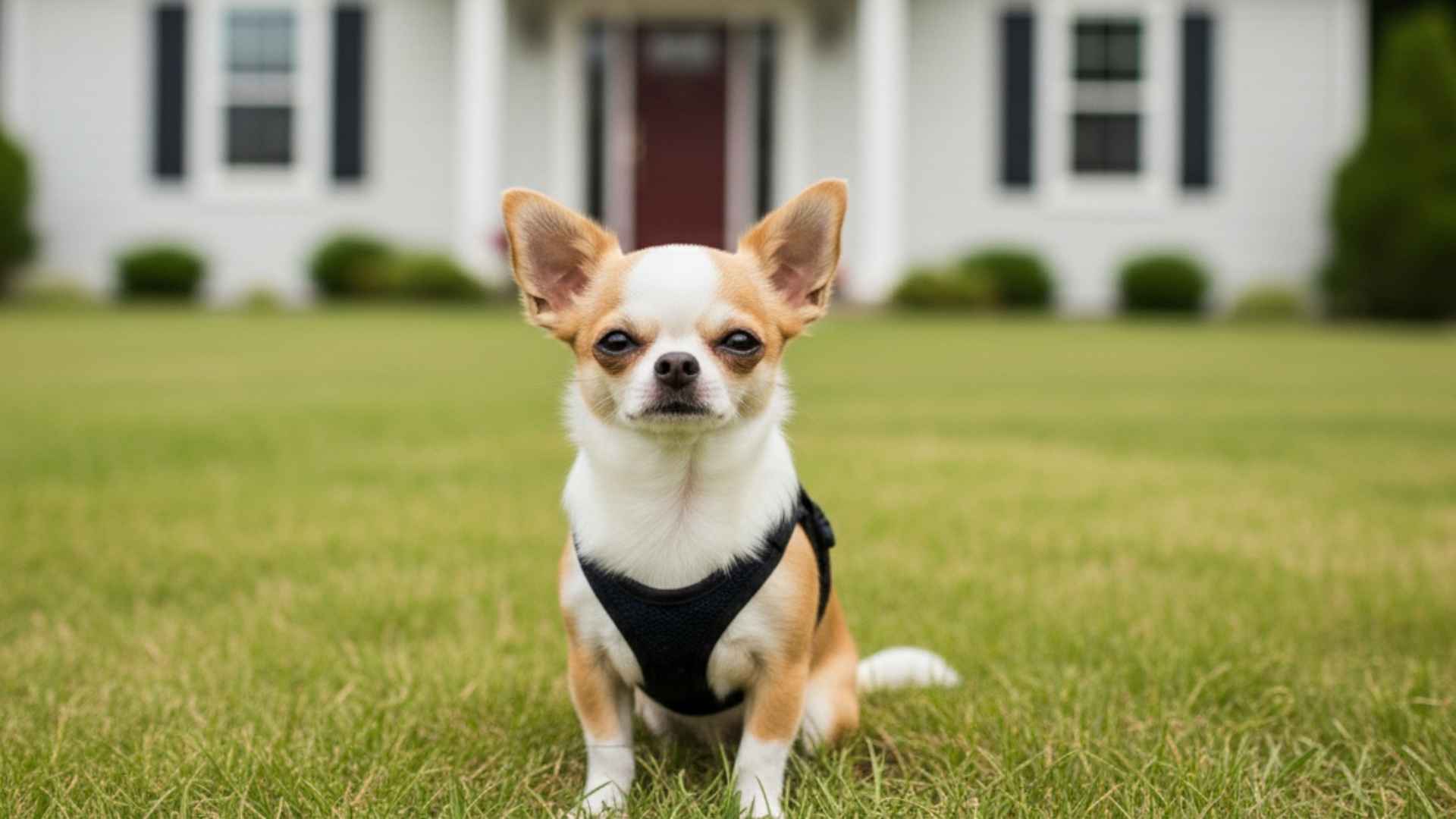
Chihuahuas are one of the longest-living dog breeds. They often live 14 to 16 years, sometimes longer. Their small size means less strain on their bodies. They adapt well to many living environments. Chihuahuas need regular exercise and a healthy diet to thrive.
Dachshund
Dachshunds live about 12 to 16 years on average. Their playful nature keeps them active and fit. They need care to avoid back problems. With proper exercise and diet, they stay strong. Their friendly personality makes them great companions.
Pomeranian
Pomeranians usually live between 12 and 16 years. They are lively and enjoy daily walks. Their thick coat needs regular grooming. This breed stays healthy with balanced food. Pomeranians are alert and intelligent pets.
Shih Tzu
Shih Tzus often live 10 to 16 years. They have strong immune systems and good health. Regular grooming is important for their coat. They enjoy gentle exercise and playtime. Shih Tzus are loving and loyal dogs.
Toy Poodle
Toy Poodles can live 12 to 15 years or more. They are smart and easy to train. Their curly coat needs regular care. Toy Poodles stay healthy with mental and physical activity. They fit well in small homes and families.
Care Tips For Lifespan Extension
Extending the lifespan of small dog breeds requires consistent care and attention. Healthy habits improve their quality of life and keep them active longer. Focus on daily routines that support their body and mind. Small steps make a big difference in their health.
Balanced Nutrition
Feed your dog high-quality food suited to their age and size. Balanced nutrition provides essential vitamins and minerals. Avoid overfeeding to prevent obesity, a common health risk. Fresh water must be available at all times.
Regular Exercise
Daily walks help maintain a healthy weight and strong muscles. Exercise boosts heart health and digestion. Playtime also reduces stress and unwanted behavior. Adapt activity levels to your dog’s breed and energy.
Routine Vet Checkups
Visit the vet regularly for health screenings and vaccinations. Early detection of problems leads to better treatment. Keep up with dental care to avoid infections. Routine exams help catch issues before they worsen.
Mental Stimulation
Offer toys and puzzles to keep your dog’s mind sharp. Training sessions build focus and obedience. Social interaction with other dogs or people prevents boredom. Mental exercise supports overall well-being and happiness.

Credit: www.womansday.com
Breeding And Health Screening
Breeding and health screening play a key role in the health of small dog breeds. Responsible breeding helps reduce health problems in puppies. Health checks and tests before breeding ensure strong and healthy dogs.
Selecting Reputable Breeders
Choose breeders who care about dog health and behavior. They should provide clear information about the puppy’s parents. Good breeders allow visits to their facilities. They follow ethical practices and avoid overbreeding. This lowers the chance of health issues in puppies.
Genetic Testing Benefits
Genetic tests identify inherited diseases early. Breeders use these tests to avoid passing bad genes. This means puppies have fewer health risks. Testing helps find problems like heart or eye diseases. It supports breeding only healthy dogs.
Avoiding Inherited Diseases
Inherited diseases cause many health problems in small dogs. Screening parents for these diseases is important. Avoid breeding dogs with known genetic issues. This reduces risks for future puppies. Careful breeding creates healthier, longer-living small dogs.
Environmental Factors Affecting Health
Environmental factors play a big role in keeping small dogs healthy. A dog’s surroundings affect its physical and mental well-being. Small dogs need a safe and calm environment to thrive. Healthy habits start at home and outside too. Understanding these factors helps you provide the best care for your pet.
Safe Living Spaces
A secure home protects small dogs from accidents and injuries. Remove sharp objects and toxic plants. Make sure floors are not slippery. Small dogs can get hurt easily in unsafe areas. Provide soft bedding and warm spots for rest. Proper lighting helps dogs move safely. A clean space reduces the risk of infections. Safety is the foundation of good health.
Stress Reduction
Stress can harm a dog’s health quickly. Loud noises and sudden changes cause stress. Keep the environment quiet and stable. Use calm voices and gentle touches. Regular routines help dogs feel safe. Exercise and play reduce anxiety and boost happiness. Avoid overcrowded places that scare small dogs. Lower stress levels improve immune function and lifespan.
Socialization Importance
Small dogs need social contact to stay healthy. Meeting other dogs and people builds confidence. Socialization prevents fear and aggression. Start early with gentle introductions. Positive experiences create happy, well-behaved pets. Group walks or playdates encourage friendly behavior. Social dogs enjoy life more and stay active. Good social skills support mental and emotional health.
Credit: worldanimalfoundation.org

Credit: www.womansday.com
Frequently Asked Questions
What Makes Small Dog Breeds Healthy?
Small dog breeds are healthy due to genetics, diet, exercise, and regular vet care. Proper grooming and mental stimulation also boost their overall health and longevity.
Which Small Dog Breed Lives The Longest?
Chihuahuas and Dachshunds often live 12-20 years. Their small size and good care contribute to their long lifespan.
Are Small Dogs Prone To Fewer Health Issues?
Small dogs generally face fewer joint problems than large breeds. However, they can have dental and respiratory issues needing attention.
How To Keep Small Dogs Healthy Daily?
Provide balanced nutrition, daily exercise, regular vet check-ups, and dental care. Mental stimulation and safe environments also maintain small dogs’ health.
Conclusion
Choosing a small dog breed with good health makes life easier. These breeds often live longer and need less medical care. They bring joy and companionship without many worries. Remember, every dog needs love, care, and regular check-ups. Healthy habits help your pet stay happy and active.
Pick a breed that fits your lifestyle and energy. Small dogs can be great friends for many years. Take time to learn about each breed’s needs. Enjoy the bond with your healthy, small dog every day.


