If your dog is constantly scratching, licking, or showing signs of discomfort, allergies might be the culprit. Finding the best allergy chews for dogs can make a huge difference in your furry friend’s comfort and happiness.
But with so many options out there, how do you choose the right one? You’ll discover the top allergy chews that can help ease your dog’s symptoms and improve their quality of life. Keep reading to learn which products are safe, effective, and worth your investment.
Your dog deserves relief—and you deserve peace of mind.
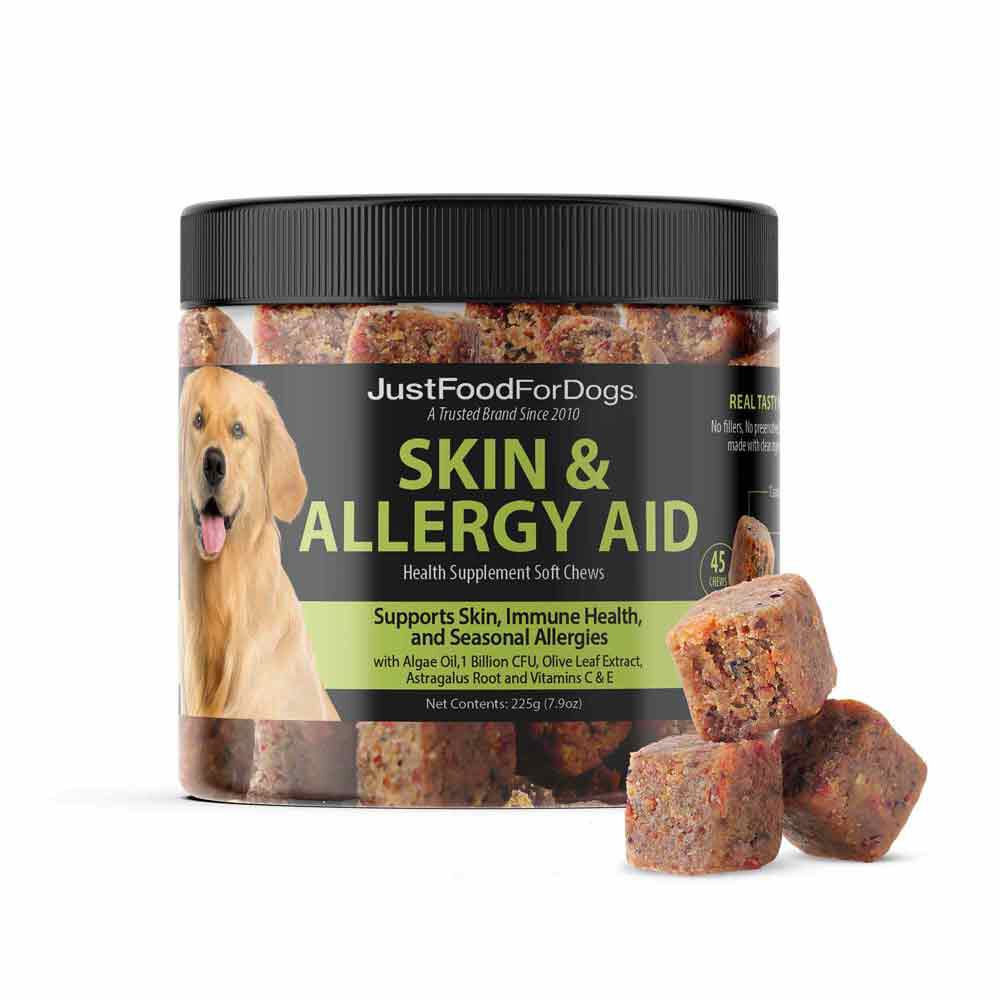
Credit: www.justfoodfordogs.com
Causes Of Dog Allergies
Dog allergies occur when a dog’s immune system reacts to a harmless substance. The immune system sees these substances as threats. This causes inflammation and discomfort for your pet. Understanding what causes allergies helps in managing your dog’s health better.
Common Allergens In Dogs
Dogs can be allergic to many substances. Pollen from trees, grass, and weeds is common. Dust mites and mold are indoor allergens. Certain foods like beef, chicken, or dairy can trigger allergies. Flea bites often cause allergic reactions too. Chemicals in cleaning products or shampoos may irritate sensitive dogs.
Symptoms To Watch For
Allergies show in different ways in dogs. Itching and scratching are the most common signs. Red, inflamed skin can appear on the body. Dogs may lick their paws a lot. Ear infections and watery eyes also occur. Some dogs cough or sneeze frequently. Watch for hair loss or scabs from scratching.

Credit: www.amazon.com
Benefits Of Allergy Chews
Allergy chews offer many benefits for dogs suffering from allergies. These chews provide relief from itchy skin and watery eyes. They also support your dog’s overall health. Using allergy chews is a simple and effective way to help your pet feel better every day.
How Chews Help Relieve Symptoms
Allergy chews contain ingredients that reduce inflammation and itching. They calm your dog’s immune system to prevent allergic reactions. Many chews have natural components like omega fatty acids. These help soothe irritated skin and reduce redness. Regular use can decrease sneezing and scratching. Allergy chews work gently and do not cause harsh side effects.
Additional Health Advantages
Besides easing allergy symptoms, these chews improve skin and coat health. They add essential nutrients that keep fur soft and shiny. Some chews support digestion and boost the immune system. They may also help with joint health, aiding older dogs. Allergy chews promote overall wellness and comfort for your dog.
Top Allergy Chews For Dogs
Finding the best allergy chews for dogs helps ease their discomfort. These chews reduce itching and support skin health. Choosing the right type can improve your dog’s quality of life. The market offers many options, from natural to vet-approved and budget-friendly. Here are some top choices to consider for your furry friend.
Chews With Natural Ingredients
Natural ingredient chews offer gentle relief for sensitive dogs. They often include omega fatty acids, turmeric, and probiotics. These ingredients help reduce inflammation and boost immunity. Dogs tolerate natural chews well, lowering the risk of side effects. Many owners prefer these for a safe, holistic approach.
Veterinarian-recommended Options
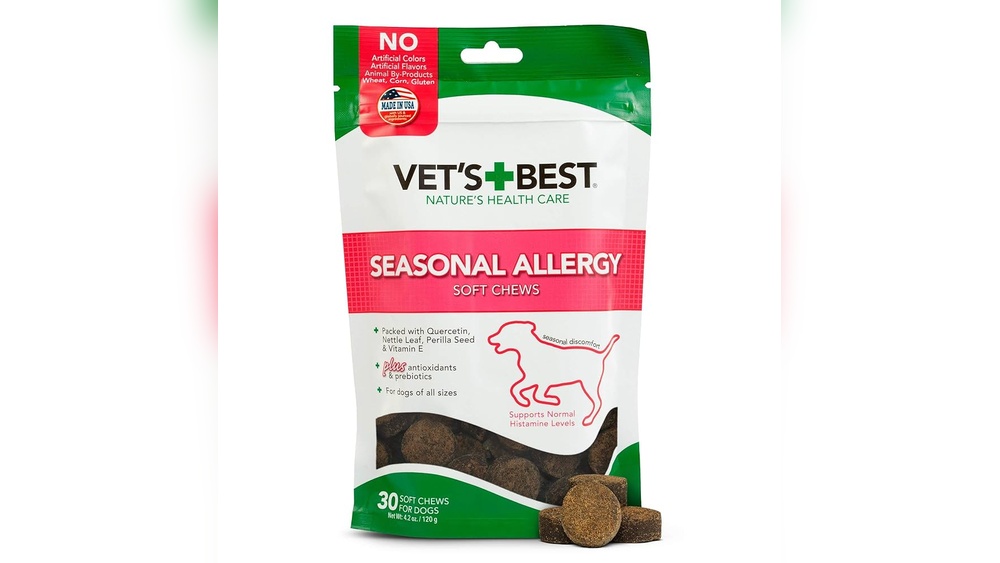
Veterinarians suggest allergy chews backed by science and testing. These products contain proven ingredients like quercetin and fish oil. They work to calm allergic reactions and improve coat shine. Vet-recommended chews often come with clear dosage instructions. Using these chews ensures a trusted solution for allergy relief.
Budget-friendly Choices
Affordable allergy chews provide good results without overspending. Many effective chews are priced for regular use. These products still include key ingredients like vitamin E and zinc. Budget options help maintain your dog’s health consistently. They make allergy care accessible for all pet owners.

Credit: www.walmart.com
Choosing The Right Chew
Choosing the right allergy chew for your dog is important for their health and happiness. Not all chews are safe or effective for every dog. Knowing what to consider helps you pick the best option. This guide covers key points to help you make a smart choice.
Considering Your Dog’s Size And Breed
Size matters when choosing allergy chews. Small dogs need smaller, softer chews to avoid choking. Large dogs require bigger, tougher chews that last longer. Some breeds have special needs. For example, brachycephalic dogs may struggle with hard chews. Select a chew that fits your dog’s size and chewing style.
Checking Ingredients For Safety
Read labels carefully. Avoid chews with artificial colors, flavors, or preservatives. Natural ingredients reduce allergy risks. Look for limited ingredients lists. Some dogs react to common fillers like wheat or soy. Choose chews made with real meat and simple components. Safety always comes first.
Consulting Your Vet
Your vet knows your dog’s health best. Talk to them before starting any new chew. They can suggest chews suited for your dog’s allergies. Your vet can also warn about possible side effects. Regular check-ups help monitor your dog’s response to allergy chews.
Tips For Managing Dog Allergies
Managing dog allergies takes effort and care. Small changes can help your dog feel better. Understanding key tips makes a big difference. These tips help reduce allergy symptoms and improve your dog’s life.
Focus on diet, environment, and grooming. Each area plays a role in controlling allergies. Let’s explore simple steps to ease your dog’s discomfort.
Dietary Adjustments
Food can cause or worsen allergies in dogs. Choose high-quality, limited-ingredient diets. Avoid common allergens like wheat, soy, and corn. Try hypoallergenic dog food or special allergy chews. These support your dog’s immune system. Always introduce new foods slowly and watch for reactions.
Environmental Controls
Keep your home clean to reduce allergens. Vacuum regularly and use air purifiers. Wash your dog’s bedding often. Limit exposure to pollen and dust. Avoid walking in tall grass during allergy season. Use allergy-proof covers on furniture where your dog rests.
Regular Grooming Practices
Bath your dog with gentle, allergy-friendly shampoos. This removes allergens from their skin and coat. Brush your dog daily to reduce dander. Check ears and paws for irritation. Grooming keeps your dog comfortable and helps spot allergy signs early.
Frequently Asked Questions
What Ingredients Make The Best Allergy Chews For Dogs?
The best allergy chews contain natural anti-inflammatory ingredients like turmeric, omega-3 fatty acids, and probiotics. These help reduce itching and improve skin health safely. Avoid artificial additives and fillers to prevent worsening allergies.
How Do Allergy Chews Help Dogs With Skin Issues?
Allergy chews support skin health by reducing inflammation and boosting the immune system. They soothe itchiness and promote healing of irritated skin. Regular use can improve your dog’s comfort and coat quality over time.
Can Allergy Chews Replace Veterinary Allergy Treatments?
Allergy chews complement but do not replace veterinary treatments. They provide mild relief for mild to moderate symptoms. Always consult your vet before starting chews, especially for severe allergies or if your dog is on medication.
Are Allergy Chews Safe For All Dog Breeds?
Most allergy chews are safe for all breeds but always check ingredient lists. Some dogs may have sensitivities to specific components. Introduce chews gradually and monitor for any adverse reactions or allergies.
Conclusion
Choosing the right allergy chews helps your dog feel better daily. These chews support your pet’s health and comfort. Always check ingredients to avoid triggers. Consult your vet before starting any new product. Regular use can reduce itching and improve skin health.
Healthy dogs are happy dogs. Keep your furry friend safe and comfortable. Simple steps make a big difference in their life. Select quality chews that fit your dog’s needs well.