

Are you wondering if it’s safe for your adult dog to eat puppy food? You might think it’s harmless or even helpful, but the truth isn’t so simple.
What your dog eats affects their health, energy, and happiness every day. You’ll discover the key reasons why adult dogs and puppy food don’t always mix well—and what you should do instead to keep your furry friend thriving. Keep reading to make the best choice for your dog’s diet and well-being.
Nutritional Needs Of Adult Dogs
Adult dogs have different nutritional needs than puppies. Their bodies require the right balance of nutrients to stay healthy and active. Providing proper nutrition supports their energy, digestion, and overall well-being. Feeding adult dogs the right food helps maintain a healthy weight and strong muscles.
Key Nutrients For Adults
Adult dog food contains essential nutrients in balanced amounts. Protein supports muscle repair and maintenance. Fat provides energy without excess calories. Fiber helps with digestion and keeps the gut healthy. Vitamins and minerals support immune function and bone health. Water is crucial for all body processes.
Differences From Puppy Requirements
Puppies need more calories for growth and development. Their food has higher protein and fat levels. Adult dogs require fewer calories to avoid weight gain. Puppy food may cause adults to gain extra weight. The nutrient balance in puppy food is not ideal for adult metabolism. Feeding adult dogs puppy food regularly can lead to health problems.
What Puppy Food Contains
Puppy food is specially made to support young dogs’ growth. It has unique ingredients that help puppies develop strong bones and muscles. Adult dogs have different needs, so puppy food is not the same as adult dog food.
Understanding what puppy food contains helps to know why it may not be perfect for grown dogs. This section explains the main differences in puppy food.
Higher Protein And Fat Levels
Puppy food has more protein than adult dog food. Protein helps build muscles and keeps puppies strong. Fat is also higher to give extra energy for active puppies. Adult dogs do not need this much protein and fat daily. Too much can cause weight gain or health issues for adults.
Added Vitamins And Minerals
Puppy food includes extra vitamins and minerals. These nutrients help bones, teeth, and the immune system grow well. Important minerals like calcium and phosphorus are higher to support bone development. Adult dogs need fewer vitamins and minerals since they are not growing fast.
Potential Benefits For Adult Dogs
Adult dogs can sometimes benefit from eating puppy food. Puppy food has more nutrients and calories. These help support certain needs adult dogs may have. Not every adult dog needs this, but some can gain from it.
Higher calories and proteins in puppy food help active and growing muscles. This kind of diet supports dogs with more energy demands. It also aids muscle repair and strength. Understanding these benefits can help you make better feeding choices.
Energy Boost For Active Dogs
Puppy food contains more calories than adult dog food. These extra calories provide energy needed for active dogs. Dogs that run, play, or work hard may need more fuel. Puppy food helps keep their energy up all day. It can prevent tiredness and keep dogs lively.
Support For Muscle Maintenance
Puppy food has higher protein levels. Protein is important for muscle health and repair. Adult dogs with strong muscles benefit from this extra protein. It helps maintain muscle mass and strength. This is good for aging dogs or those recovering from illness.
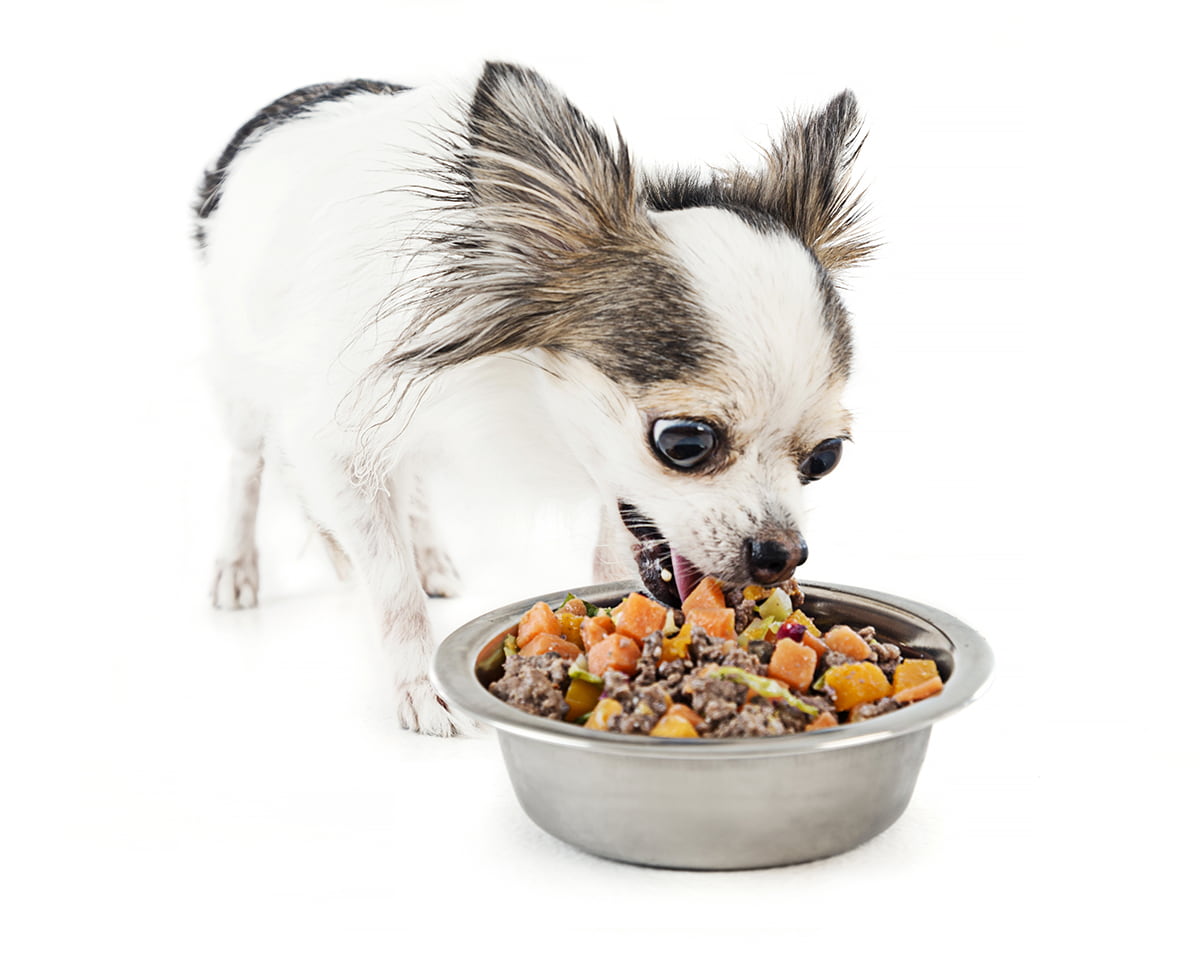
Credit: blog.justfoodfordogs.com
Possible Risks Of Feeding Puppy Food
Feeding puppy food to adult dogs can cause some health problems. Puppy food has more calories and nutrients meant for growing dogs. Adult dogs do not need this extra nutrition. Eating puppy food regularly may lead to issues that affect their well-being. Understanding these risks helps keep your dog healthy and happy.
Weight Gain And Obesity
Puppy food contains more calories and fat. Adult dogs eating this can gain weight quickly. Extra weight puts stress on their heart and joints. Obesity can lead to diabetes and other illnesses. Maintaining a healthy weight is important for a long life.
Digestive Issues
Puppy food has different ingredients than adult dog food. These ingredients may upset an adult dog’s stomach. You might see vomiting, diarrhea, or gas. Digestive problems make dogs feel uncomfortable. Feeding the right food helps avoid these stomach issues.
When Puppy Food Might Be Appropriate
Puppy food is made with extra nutrients to support growth. Adult dogs usually do not need this rich formula. Still, some adult dogs may benefit from puppy food for a short time. Special needs or health issues may require more calories and nutrients. This section explains when puppy food might be right for adult dogs.
Senior Dogs With Specific Needs
Older dogs sometimes need more energy or protein. Their bodies may not absorb nutrients well. Puppy food can help fill these gaps. It offers extra vitamins and minerals. This can support aging joints and muscles. Always check with your vet before switching diets.
Recovery From Illness Or Surgery
Dogs healing from illness or surgery need more nutrition. Puppy food can provide the calories and nutrients they lack. It helps rebuild strength faster. The soft texture is easier to eat. Feeding puppy food temporarily aids recovery. Follow your vet’s advice on how long to feed it.
Expert Recommendations
Experts have clear advice about feeding adult dogs puppy food. Adult dogs have different needs than puppies. Their food must match their age and health. Feeding the wrong food can cause problems. Veterinarians guide the best diet choices.
Consulting Your Veterinarian
Talk to your vet before changing your dog’s food. Vets know what nutrients your dog needs. They can spot health issues that affect diet. Your vet will suggest the best food type. This helps keep your dog healthy and happy.
Choosing The Right Food For Your Dog
Pick food made for your dog’s life stage. Adult dog food has fewer calories than puppy food. It helps maintain a healthy weight. Check the label for balanced nutrients. Proper food supports your dog’s energy and health.
Alternatives To Puppy Food
Adult dogs need food made just for their stage of life. Puppy food has more calories and nutrients to help young dogs grow. Feeding adult dogs with puppy food can cause weight gain and health problems over time. Choosing the right food helps your dog stay strong and healthy.
There are good choices besides puppy food. These options meet the needs of adult dogs without extra calories or nutrients.
Adult Dog Formulas
Adult dog formulas have balanced nutrients for grown dogs. They contain the right protein and fat levels to keep muscles and energy healthy. These foods support your dog’s immune system and maintain a healthy weight. You can find dry kibble or wet food made just for adult dogs.
Specialized Diets
Some adult dogs need special diets. These include foods for dogs with allergies, sensitive stomachs, or joint problems. Specialized diets have ingredients that help manage these conditions. They offer tailored nutrition that puppy food cannot provide. Talk to your vet about the best diet for your dog’s specific needs.

Credit: www.dogster.com

Credit: www.becopets.com
Frequently Asked Questions
Can Adult Dogs Safely Eat Puppy Food Occasionally?
Adult dogs can eat puppy food occasionally, but it’s not ideal. Puppy food has more calories and nutrients meant for growth. Regular feeding may cause weight gain and digestive issues in adults. Always consult your vet before switching diets.
What Are The Risks Of Feeding Puppy Food To Adults?
Feeding puppy food to adult dogs long-term may cause obesity. It can also lead to nutrient imbalances, such as excess calcium. These can harm joints and overall health. Monitor your dog’s weight and energy levels closely.
When Is It Acceptable For Adults To Eat Puppy Food?
Adult dogs might eat puppy food temporarily during illness or recovery. Some vets recommend it for extra calories in special cases. Otherwise, a balanced adult dog food is best for maintenance and health.
How Does Puppy Food Differ From Adult Dog Food?
Puppy food contains higher protein, fat, and calories to support growth. Adult food focuses on maintaining weight and health with balanced nutrients. Ingredients and nutrient ratios differ to meet life stage needs.
Conclusion
Adult dogs can eat puppy food sometimes, but it’s not ideal. Puppy food has more calories and nutrients meant for growing dogs. Feeding it often may cause weight gain or upset stomachs in adults. Choose food made for your dog’s age and health needs.
Always watch your dog’s reaction to any diet change. Talk to your vet to find the best food for your dog. Healthy meals help dogs live longer and feel better every day. Keep your dog happy with the right nutrition.


