

Are you thinking about breeding dogs or curious if it’s even allowed where you live? Understanding the legal side of dog breeding is crucial before you start.
Laws can be tricky and vary a lot, so knowing what’s right for you and your furry friends can save you from big headaches later. Keep reading to uncover the key facts about dog breeding laws and what you must do to stay on the right side of the rules.
Your dogs—and your peace of mind—depend on it.
Legal Status Of Dog Breeding
Dog breeding is a common practice worldwide, but its legality varies greatly. Different countries and regions have distinct laws that control dog breeding activities. These laws aim to protect animal welfare and ensure responsible breeding.
Understanding the legal status helps breeders follow rules and avoid penalties. It also protects dogs from mistreatment and poor breeding conditions. Here, we explore key legal aspects of dog breeding across the globe.
Breeding Laws By Country
Many countries have specific laws about dog breeding. Some allow breeding freely with few limits. Others have strict rules to control the number of litters or the conditions for breeding.
In some places, breeding without permission is illegal. Some countries require breeders to register their business or follow animal care standards. These laws help reduce puppy mills and protect pets.
Licensing Requirements
Licenses are often necessary for legal dog breeding. Governments use licenses to monitor breeders and ensure they meet standards. Licensing may involve inspections and proof of proper care.
Without a license, breeders may face fines or legal action. Licensing rules also help buyers find responsible breeders. It adds trust and safety to the dog buying process.
Breed-specific Regulations
Some places have rules about specific dog breeds. These rules often target breeds considered dangerous or at risk. Breed-specific laws may limit breeding or require special permits.
These regulations protect the public and promote healthy breeding. They may also ban breeding of certain breeds to control population or reduce risks.

Credit: www.petscare.com
Permits And Registration
Breeding dogs legally requires more than just love for animals. You must follow certain rules to ensure the health and safety of the dogs. Permits and registration are key parts of this process. These legal steps protect breeders and buyers alike. They also promote responsible breeding practices.
How To Obtain A Breeding License
Start by checking your local government’s rules. Many places require a license to breed dogs. You usually need to fill out an application form. This form asks for details about your breeding setup. Some areas require inspections of your premises. You may also need to pay a fee. Meeting these requirements helps keep dog breeding safe and legal.
Registering With Kennel Clubs
Registering with a kennel club is important for serious breeders. Kennel clubs keep records of dog breeds and pedigrees. This registration gives your dogs official recognition. It can also help sell puppies with proper documentation. Kennel clubs often have their own rules for breeders. Joining one shows your commitment to ethical breeding.
Record Keeping Obligations
Keeping accurate records is a legal duty for breeders. You must track each dog’s health, vaccinations, and lineage. Records help prove responsible care and breeding practices. They also assist in tracing any health issues. Good record keeping protects your breeding business. It builds trust with buyers and authorities.
Animal Welfare Rules
Animal welfare rules protect dogs in breeding programs. These rules ensure dogs live healthy, safe lives. They guide breeders on how to treat dogs with care and respect. Following these rules helps prevent cruelty and neglect in dog breeding.
Housing And Care Standards
Dogs must have clean, safe places to live. Housing should protect them from weather and harm. Space must be enough for dogs to move freely. Regular cleaning keeps the area healthy and fresh. Proper food and water must be given every day. Comfort and hygiene are key for good dog care.
Health And Veterinary Checks
Breeding dogs need regular health checks from vets. These checks catch diseases early and keep dogs well. Vaccinations and treatments are part of care. Sick dogs must get prompt medical attention. Healthy dogs have better chances of safe breeding. Monitoring health protects both dogs and puppies.
Preventing Overbreeding
Rules limit how often dogs can breed. Too many litters harm the mother’s health. Breeders must give dogs rest between litters. Overbreeding causes stress and weak puppies. Responsible breeding means fewer, healthier puppies. Protecting dogs from overbreeding is a legal must.
Common Legal Issues
Breeding dogs involves many legal rules. These rules protect animals and buyers. Knowing common legal issues helps breeders follow the law. It also protects buyers from scams or harm. This section covers typical legal problems dog breeders face.
Penalties For Illegal Breeding
Illegal dog breeding can lead to fines. Some places ban breeding without a license. Breaking these laws may cause heavy penalties. In some cases, breeders risk losing their dogs. Authorities want to stop puppy mills and bad practices.
Dealing With Complaints
Buyers may complain about sick or misrepresented dogs. Breeders must respond quickly and fairly. Ignoring complaints can lead to legal trouble. Sometimes, disputes end in court or mediation. Keeping good records helps solve problems faster.
Consumer Protection Laws
These laws protect people buying dogs. Sellers must give correct information about the dog’s health and history. False advertising is illegal and punishable. Buyers have rights if the dog is unhealthy or not as described. Breeders should know these laws to avoid problems.
Ethical Breeding Practices
Ethical breeding practices are key to responsible dog breeding. They help protect the health and well-being of dogs and puppies. These practices focus on careful planning and respect for the animals. Ethical breeders work hard to avoid health problems and improve the breed. This section explains the main ideas behind ethical breeding.
Choosing Suitable Breeding Dogs
Choosing the right dogs is the first step in ethical breeding. Breeders select dogs with good health and calm temperaments. They look for dogs that meet breed standards. Only dogs without major health issues should be bred. The goal is to produce strong, healthy puppies.
Genetic Testing Importance
Genetic testing helps find hidden health problems in dogs. Breeders test for diseases that can pass to puppies. This testing lowers the chance of sick puppies. It also helps keep the breed healthy. Responsible breeders use test results to choose safe mates.
Breeder Responsibilities
Breeders must care for all dogs and puppies well. They provide good food, clean homes, and regular vet visits. Breeders also give puppies early socialization and training. They must follow local laws and breed rules. Ethical breeders plan carefully and never rush the process.
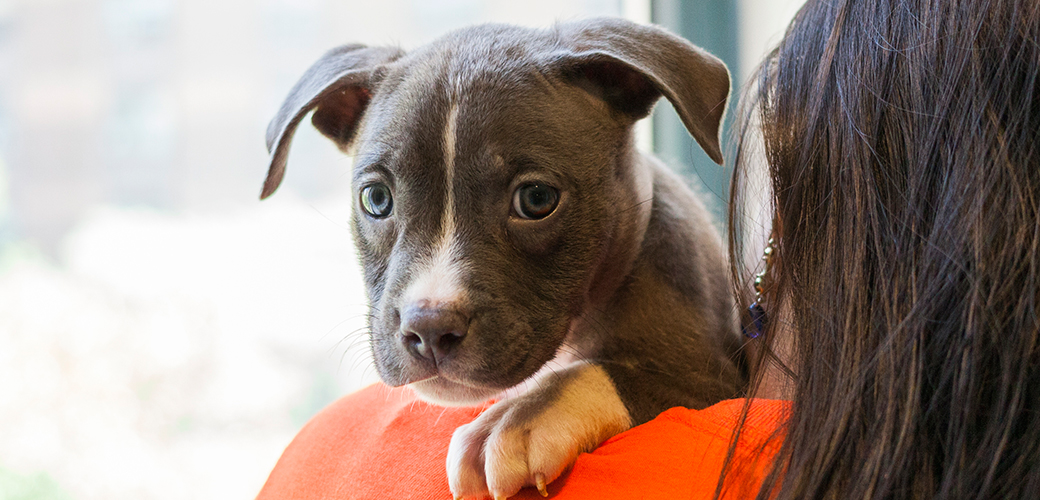
Credit: www.aspca.org
Resources For Dog Breeders
Dog breeding requires knowledge and care. Resources help breeders follow the law and breed responsibly. These resources cover legal rules, health standards, and best practices. They guide breeders to keep dogs healthy and safe.
Government Agencies
Government agencies set rules for dog breeding. They enforce laws about animal care and breeding licenses. Agencies inspect breeding facilities to ensure safety and hygiene. They also handle complaints about illegal breeding practices. Contact your local animal control or agriculture department for guidance.
Breeding Associations
Breeding associations support ethical dog breeders. They provide breed standards and health testing protocols. Members get access to networking and mentorship. Associations promote responsible breeding and animal welfare. Joining an association helps breeders learn and grow.
Educational Materials
Books, websites, and courses offer useful information. These materials cover genetics, health care, and breeding techniques. They teach how to avoid common breeding mistakes. Learning from experts improves breeding outcomes. Choose resources from trusted sources to ensure accuracy.

Credit: rockykanaka.com
Frequently Asked Questions
Is Dog Breeding Legal Everywhere?
Dog breeding laws vary by country and state. Some places require licenses and follow strict regulations. Others may ban commercial breeding or have animal welfare laws. Always check local rules before breeding dogs to ensure legality and compliance with animal protection standards.
What Licenses Are Needed For Dog Breeding?
Licensing requirements differ by location. Typically, breeders need a kennel or business license. Some regions require health inspections and animal welfare compliance. Obtaining proper licenses ensures legal operation and promotes responsible breeding practices.
Are There Legal Restrictions On Dog Breeding?
Yes, many places impose restrictions on dog breeding. These include limits on litter numbers, mandatory health checks, and breeding age. Laws aim to prevent puppy mills and promote animal welfare. Violating these can lead to fines or legal action.
Can Unlicensed Dog Breeding Be Penalized?
Unlicensed dog breeding can result in penalties. These may include fines, business closure, or animal confiscation. Authorities enforce laws to protect animals and consumers. Always ensure proper licensing to avoid legal trouble and support ethical breeding.
Conclusion
Breeding dogs follows specific laws in many places. These laws protect animals and owners. Knowing local rules helps avoid legal trouble. Responsible breeders keep dogs safe and healthy. Always check your area’s regulations before starting. This ensures you breed dogs the right way.
Respect for animals is key in breeding. Stay informed and act responsibly for best results.


