Traveling with a large dog can feel overwhelming. You want your furry friend to be safe, comfortable, and happy throughout the trip.
But how do you make sure everything goes smoothly? Whether you’re heading across town or across the country, this guide will help you prepare and enjoy the journey with your big dog by your side. Keep reading to discover simple tips that will make traveling together easier than you ever thought possible.
Your next adventure starts here!
Credit: www.dogster.com
Preparing Your Dog For Travel
Preparing your large dog for travel makes the journey safer and more comfortable. It helps reduce stress for both you and your pet. This preparation starts weeks before the trip. It involves health checks, training, and packing the right items. These steps ensure your dog is ready for the adventure ahead.
Health Check And Vaccinations
Visit your vet before traveling. Make sure your dog is healthy and fit for the trip. Check for any underlying health issues that might cause problems. Update all vaccinations. Some places require proof of vaccines. Carry your dog’s medical records with you. A healthy dog travels better and avoids unexpected health issues.
Training For Travel Behavior
Train your dog to stay calm in new places. Practice sitting, staying, and quiet behavior in the car or crate. Short trips help your dog get used to travel. Reward good behavior with treats and praise. Teach your dog to accept a harness or seat belt. Calm dogs make travel easier and safer for everyone.
Packing Essentials For Your Dog
Pack all necessary items for your dog. Bring food and water bowls, plus enough food for the trip. Include favorite toys and a blanket for comfort. Don’t forget waste bags for cleaning up. Bring a leash, harness, and any medication your dog needs. Being prepared keeps your dog happy and relaxed during travel.

Credit: www.flywithmypet.com
Choosing The Right Travel Method
Choosing the right travel method for a large dog is very important. It affects your dog’s comfort and safety. Each way of travel has different rules and needs. Think about the distance, your dog’s size, and health. Pick the method that suits both you and your dog best.
Car Travel Tips
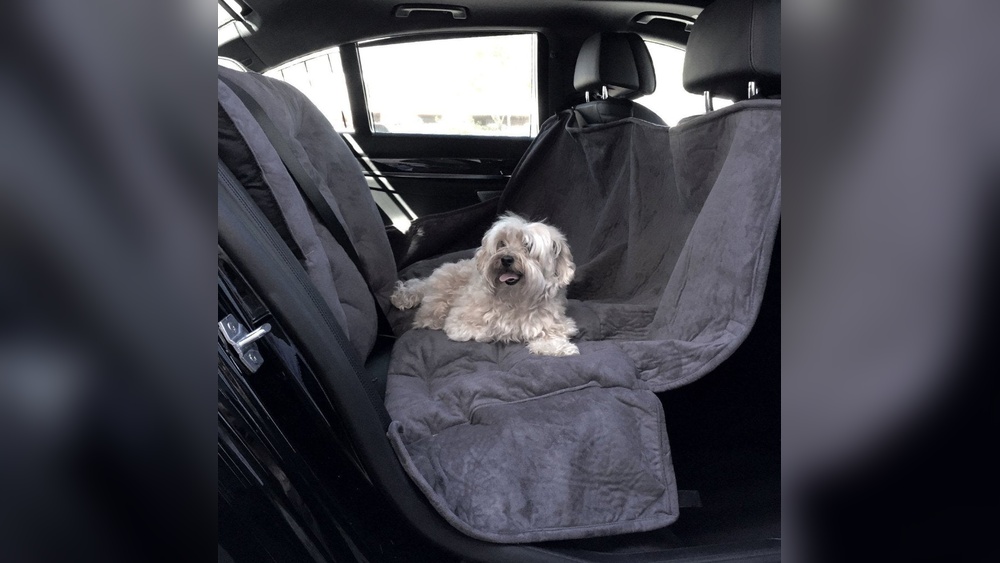
Car travel is often the easiest for large dogs. Use a strong harness or a crate. Keep your dog secure to avoid distractions. Take breaks every two hours for water and exercise. Never leave your dog alone in a parked car. Prepare your dog by short trips first. Bring favorite toys and blankets for comfort.
Flying With A Large Dog
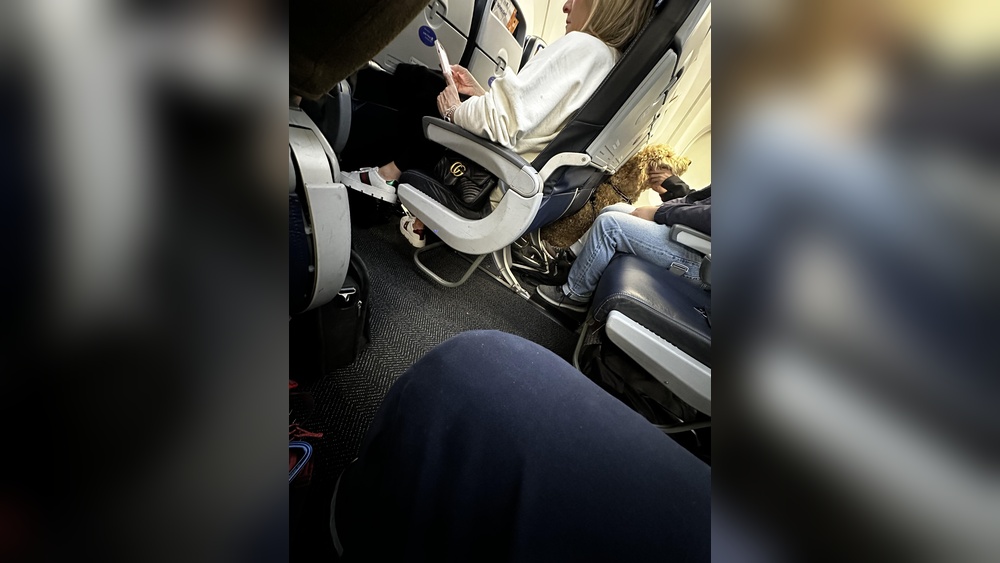
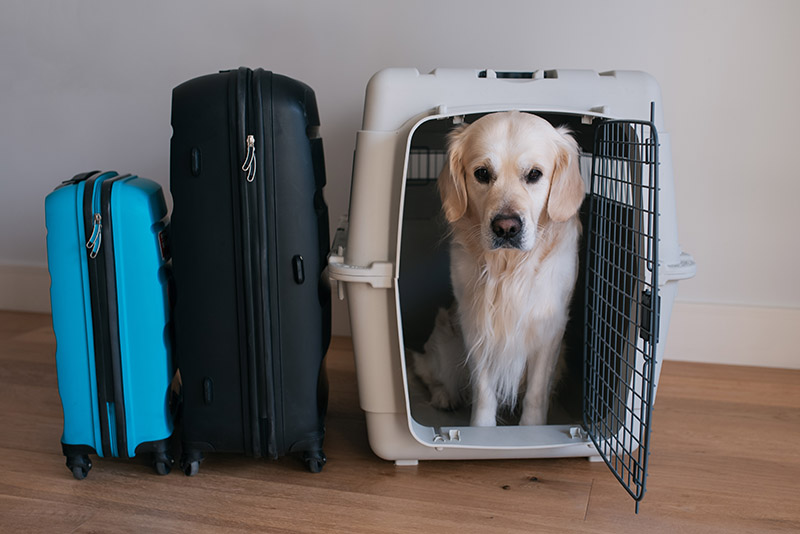
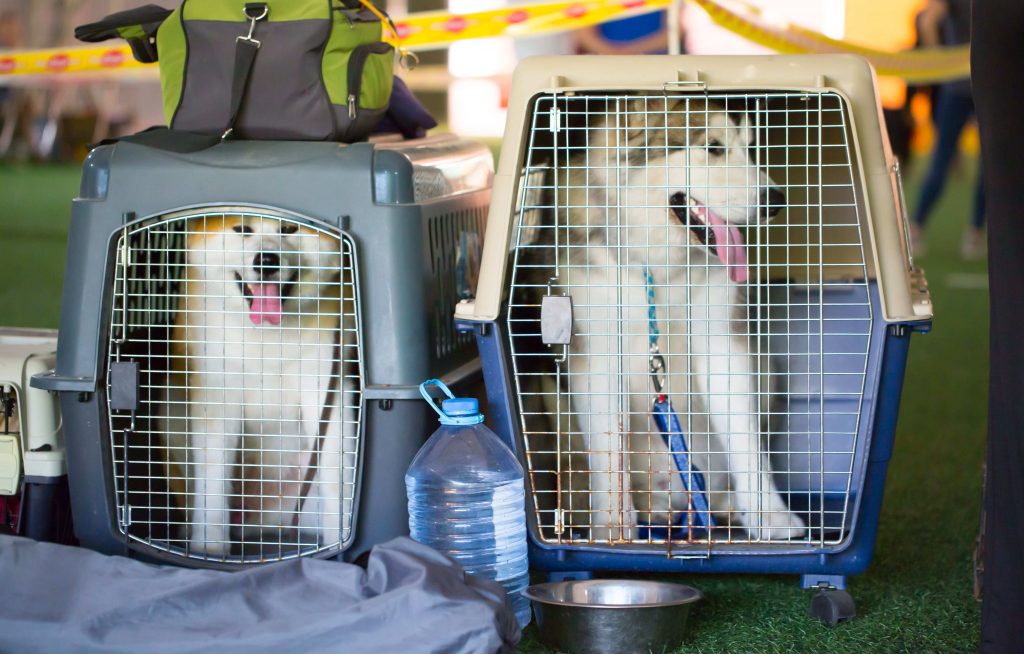
Flying with a large dog takes more planning. Airlines have specific rules for big dogs. Check crate size requirements and paperwork early. Use a sturdy, well-ventilated travel crate. Label the crate with your contact details. Arrive at the airport early to reduce stress. Speak with the airline about pet policies. Consider your dog’s health before booking a flight.
Train And Bus Considerations
Train and bus travel can be tricky for large dogs. Many services have weight or size limits. Check the rules before buying tickets. Bring a leash and muzzle if needed. Keep your dog calm and close to you. Prepare for limited space and movement. Have water and waste bags ready. Understand the route and travel time to plan breaks.
Safety Measures On The Road
Traveling with a large dog requires careful planning to keep your pet safe. Road trips can be stressful for dogs without proper safety measures. Protect your dog and yourself by following simple safety rules. These tips help reduce risks and make the journey pleasant.
Using Harnesses And Crates
Secure your dog with a harness designed for car travel. A harness keeps your dog steady and prevents injuries during sudden stops. Crates offer a safe space and limit movement inside the vehicle. Choose a crate that fits your dog comfortably and is well-ventilated. Always attach the crate or harness firmly to avoid sliding.
Preventing Motion Sickness
Motion sickness can cause nausea and discomfort in dogs. Feed your dog a light meal a few hours before the trip. Avoid heavy or greasy foods that might upset their stomach. Keep the car cool and provide fresh air to help reduce nausea. Stop regularly for breaks to let your dog relax and stretch.
Keeping Your Dog Hydrated And Comfortable
Bring plenty of water and a portable bowl for your dog. Offer water regularly, especially on hot days or long drives. Avoid letting your dog drink from unknown sources. Use blankets or pads to make the crate cozy. Monitor your dog’s behavior to ensure they feel safe and calm.
Finding Dog-friendly Accommodations
Finding a place to stay with a large dog takes some planning. Not all hotels or rentals accept big pets. Some places have size limits or extra fees. Knowing where to go helps avoid stress for you and your dog. It also makes the trip more fun and relaxing.
Start by checking if the accommodation allows large dogs. Look for places that list pet policies clearly. This saves time and surprises. Also, think about your dog’s comfort. A roomy area or a backyard can make a big difference.
Hotels And Rentals
Many hotels welcome large dogs but have rules. Some require pets to stay in crates when alone. Others ask for a small deposit or cleaning fee. Check the room size and nearby walking areas. Rentals like cabins or apartments often give more space. Read reviews from other pet owners to learn about their experience.
Camping With Large Dogs
Camping offers great freedom for big dogs to roam. Choose campgrounds that allow large pets. Check if there are leash rules or restricted zones. Bring your dog’s bedding and food. Be ready to clean up after your pet. Nature trails and open spaces can be perfect for exercise.
Local Regulations And Restrictions
Different places have different rules about large dogs. Some cities ban certain breeds or have leash laws. Research local laws before booking. This avoids fines and trouble. Knowing rules about noise and waste helps keep the trip smooth. Always respect the community and other travelers.
Managing Stress For You And Your Dog
Traveling with a large dog can be stressful for both you and your pet. Managing this stress helps make the trip safer and more enjoyable. Knowing how to keep calm and spot signs of anxiety is very important.
Stress can build up during travel. It affects your dog’s behavior and your own mood. Taking small steps to reduce stress creates a better experience for everyone.
Recognizing Signs Of Anxiety
Dogs show stress in many ways. Watch for pacing, whining, or trembling. Panting and excessive drooling can also be signs. Some dogs try to hide or act restless. Spotting these early helps you act quickly. Pay attention to changes in behavior or appetite.
Calming Techniques During Travel
Use a calm voice to soothe your dog. Gentle petting can help them relax. Bring a favorite toy or blanket for comfort. Soft music may reduce stress. Avoid loud noises and sudden movements. Keep the environment quiet and steady. Your calm presence helps your dog stay calm.
Planning Breaks And Exercise
Stop often to let your dog move and stretch. Exercise helps release nervous energy. Find safe spots for short walks or play. Water breaks keep your dog hydrated and healthy. Regular breaks prevent restlessness and anxiety. Plan stops ahead to avoid rushing or stress.
Post-trip Care
Traveling with a large dog can be exciting but also tiring for your pet. After the trip, taking care of your dog is very important. Post-trip care helps your dog feel safe and healthy again. Pay close attention to their body and behavior. This keeps small problems from becoming big ones.
Checking For Travel-related Health Issues
Look closely at your dog’s body for any signs of discomfort. Check paws for cuts or sores from walking. Watch for vomiting, diarrhea, or lack of appetite. These can mean your dog is stressed or sick. If you see anything unusual, call your vet. Early care makes healing faster and easier.
Re-establishing Routine
Dogs feel safe with routine. Return to regular feeding times and walks quickly. Keep your dog’s sleeping area clean and quiet. Routine helps your dog relax after the trip. It also reduces stress and anxiety. Stick to what your dog knows best.
Rewarding Good Behavior
Travel can be hard, so praise your dog for calm behavior. Use treats or gentle petting to show you care. Rewarding good behavior helps your dog learn to stay calm. This makes future trips easier for both of you. Positive reinforcement builds trust and comfort.
Credit: pet-express.com
Frequently Asked Questions
How Do I Prepare My Large Dog For Travel?
Start by training your dog to stay calm in a crate or car. Pack essentials like food, water, and medications. Schedule regular breaks for exercise and bathroom needs. Familiarize your dog with the travel environment to reduce stress.
What Are The Best Travel Options For Large Dogs?
Driving allows more control and frequent breaks, making it ideal for large dogs. Airlines may require special accommodations; check pet policies and crate requirements beforehand. Trains and buses often have restrictions, so research options carefully.
How Can I Keep My Large Dog Comfortable During Travel?
Use a spacious, well-ventilated crate or secured seatbelt harness. Bring familiar blankets or toys for comfort. Maintain a moderate temperature and avoid feeding right before travel to prevent nausea. Provide water regularly and schedule rest stops.
What Documents Are Needed To Travel With A Large Dog?
Carry your dog’s vaccination records, health certificate, and identification tags. Some destinations require microchipping or special permits. Check airline or transportation rules to ensure compliance and avoid delays during your journey.
Conclusion
Traveling with a large dog takes careful planning and patience. Choose the right gear and prepare your dog for the journey. Keep breaks regular so your dog can stretch and relax. Stay calm and positive to help your dog feel safe.
Enjoy the trip and create great memories together. Safe travel makes every adventure better for you and your dog.