

Traveling with a large dog on a plane can feel overwhelming. You want your furry friend to be safe and comfortable, but the rules and preparations might seem confusing.
If you’ve been wondering how to make this trip smooth and stress-free for both you and your dog, you’re in the right place. You’ll discover simple, practical tips that will help you plan every step of your journey. Keep reading, and you’ll learn how to handle everything from booking your flight to settling your dog on board with confidence.
Choosing The Right Airline
Choosing the right airline is key to a smooth trip with a large dog. Each airline has different rules and services for pets. Some allow large dogs in the cabin, while others require them to travel as cargo. Picking the right carrier helps avoid stress and surprises during travel.
Researching airlines before booking ensures your dog’s comfort and safety. This step saves time and money. It also helps you follow the rules easily. Knowing what to expect makes the journey better for both you and your pet.
Airline Pet Policies
Each airline sets its own pet rules. These include size limits, crate requirements, and health papers. Some airlines accept large dogs only in the cargo hold. Others allow them in the cabin if they fit in carriers. Check if the airline needs a health certificate or vaccinations. Understanding these policies avoids last-minute problems at the airport.
Booking Pet-friendly Flights
Not all flights accept large dogs. Choose flights with pet-friendly options. Early morning or late evening flights may be cooler and safer for pets. Direct flights reduce stress by avoiding stops. Reserve your dog’s spot as soon as possible. Many airlines limit the number of pets per flight. Booking early secures a place for your dog.
Costs And Fees
Flying with a large dog comes with extra fees. Airlines charge for pets in the cabin and cargo. Fees vary based on the airline and flight length. Prepare for crate costs and health checks too. Some airlines have weight limits that affect the fee. Budgeting helps avoid surprises on travel day.

Credit: www.flywithmypet.com
Preparing Your Dog For Travel
Preparing your large dog for air travel takes time and care. Proper preparation helps reduce stress for both you and your dog. Start early to make the experience smooth and safe. Focus on health, crate training, and routines before the trip.
Health Checks And Vaccinations
Visit your vet at least a month before travel. Ensure your dog is healthy and fit to fly. Update all vaccinations and get a health certificate. Some airlines require specific vaccines or treatments. Ask your vet about any travel-related health advice. Keep all medical documents ready for airport checks.
Familiarizing With The Crate
Choose a sturdy crate that fits your dog comfortably. Let your dog explore the crate at home first. Place treats and toys inside to create positive feelings. Practice short stays in the crate daily. This helps your dog get used to the space. Avoid forcing your dog inside the crate suddenly.
Exercise And Feeding Tips
Give your dog plenty of exercise before the flight. A tired dog is calmer during travel. Feed your dog a light meal about four hours before departure. Avoid heavy meals right before flying. Provide water until shortly before the flight. This helps prevent discomfort and accidents in the crate.
Selecting The Proper Crate
Selecting the proper crate is key to a smooth plane trip with a large dog. The right crate keeps your dog safe and comfortable. It also meets airline rules. Choosing well avoids stress and travel problems. Focus on size, type, and safety to pick the best crate.
Size And Comfort Requirements
The crate must be big enough for your dog to stand, turn, and lie down. Measure your dog’s height and length. Add a few inches for comfort. A cramped crate causes stress and discomfort. Soft bedding helps, but avoid extra padding that can block ventilation. Comfort means a calm dog during the flight.
Airline-approved Crate Types
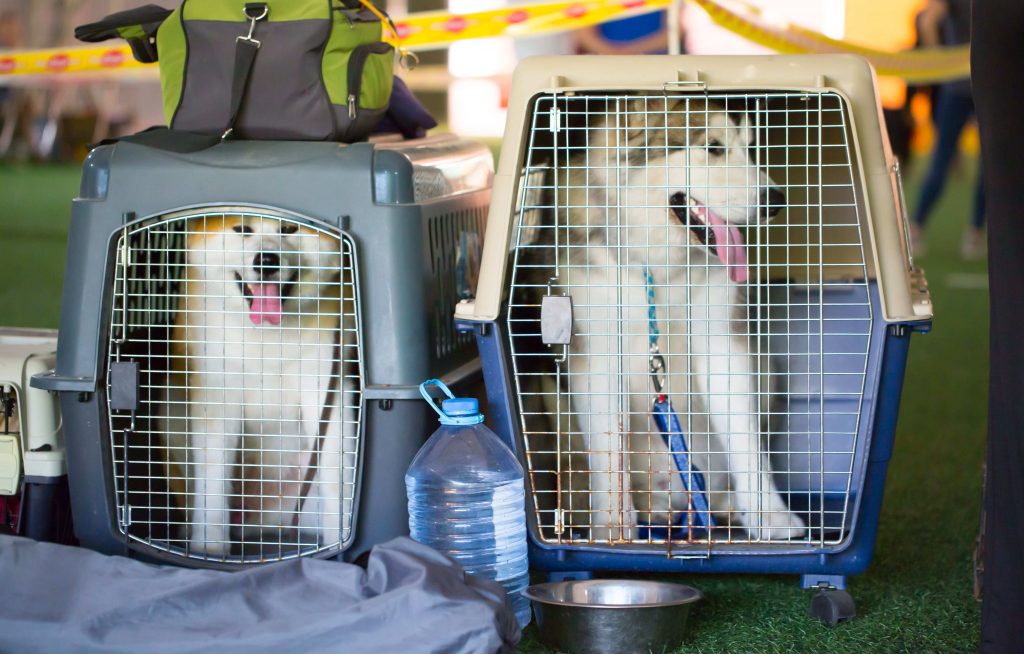
Airlines accept specific crate types only. Most require hard-sided crates made of plastic or metal. These crates protect your dog better. Check with your airline for exact rules. Some airlines allow soft-sided crates for smaller dogs. For large dogs, a sturdy, well-ventilated crate is best. Confirm crate dimensions match airline limits before buying.
Labeling And Safety Features
Label the crate with your contact info and your dog’s name. Add “Live Animal” stickers on all sides. Secure all locks and fasteners tightly. Ensure the crate has strong ventilation on at least three sides. Avoid crates with sharp edges or loose parts. These safety steps help airline staff handle your dog carefully and keep your pet secure.
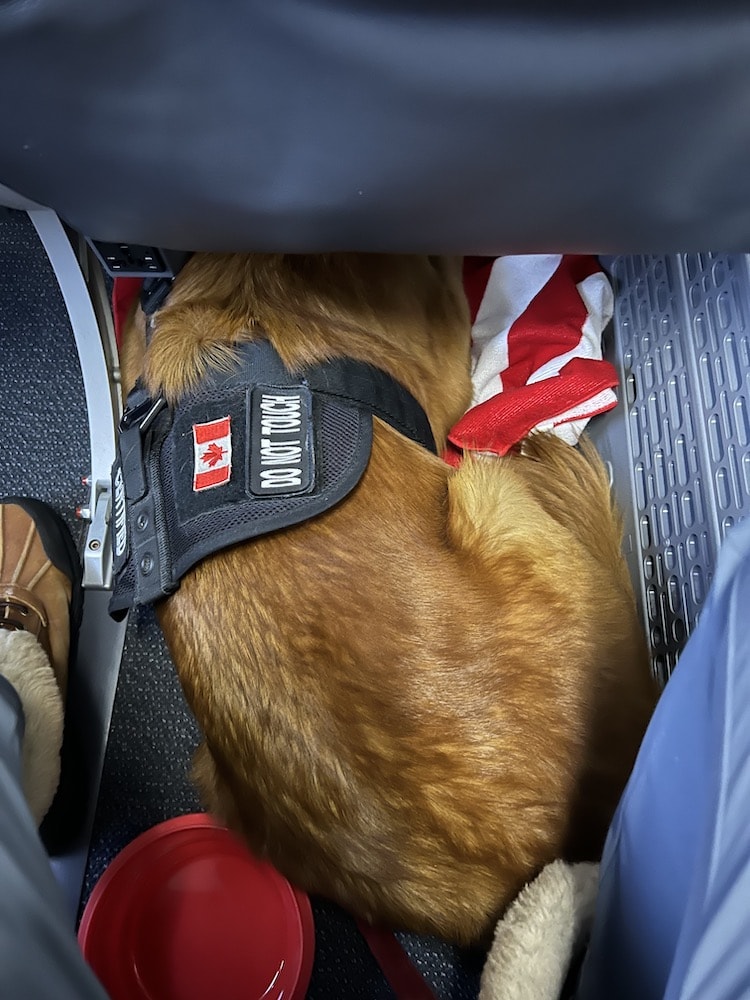
Credit: jbyam.com
Airport Procedures With A Large Dog
Traveling through the airport with a large dog requires some planning and patience. Knowing the airport procedures helps you stay calm and keep your dog comfortable. This section explains key steps you will face before boarding the plane.
Check-in Process
Arrive early to allow extra time for check-in. Tell the airline staff you have a large dog with you. Have your dog’s health papers and vaccination records ready. The airline may ask for a special form or fee. Keep your dog on a leash or in a large carrier during check-in. Follow the staff’s instructions carefully to avoid delays.
Security Screening Tips
Security can be stressful for large dogs. You must take your dog out of its carrier. Carry your dog through the metal detector if it is calm. If your dog is nervous, request a manual pat-down instead. Keep your dog close and speak softly to calm it. Have treats ready to reward good behavior. Allow extra time, so you don’t rush this step.
Managing Layovers
Layovers can be tiring for dogs and owners alike. Find a quiet spot away from crowds to rest. Bring water and a bowl to keep your dog hydrated. Allow your dog to stretch and walk if space permits. Watch your dog for signs of stress or fatigue. Plan layovers long enough for breaks but not too long. Stay near pet relief areas for convenience and comfort.
In-flight Considerations
Flying with a large dog needs special care during the flight. The time spent in the air can be stressful for your pet. Preparing for in-flight needs helps both you and your dog stay calm and safe. Focus on comfort, health, and safety while onboard.
Keeping Your Dog Calm
Dogs feel nervous in new places. Bring a favorite blanket or toy to comfort them. Speak softly to reassure your dog. Avoid loud noises or sudden moves around your dog. Calmness helps prevent stress and keeps your dog relaxed.
Hydration And Feeding During Flight
Keep water available for your dog at all times. Offer small amounts regularly to prevent dehydration. Avoid feeding a big meal right before flying. Give light snacks if the flight is long. Proper hydration and light feeding help avoid stomach issues.
Handling Emergencies
Have your vet’s contact and medical records handy. Know the airline’s pet emergency rules. Carry a first-aid kit for pets with basic supplies. Stay calm and act quickly if your dog shows distress. Preparation ensures you handle problems without panic.
Credit: pet-express.com
Post-flight Care
After a long flight, your large dog needs special care. Post-flight care helps your dog recover from travel stress. It keeps your dog safe and calm. Pay close attention to your dog’s needs right after landing. This section covers how to comfort, watch health, and help your dog settle in.
Reuniting And Comforting Your Dog
Meet your dog as soon as possible after the flight. Speak softly and offer gentle pets. Your dog feels relief seeing you. Bring their favorite blanket or toy. These familiar items help reduce anxiety. Give water in small amounts to avoid upset. Avoid loud noises or fast movements. Let your dog rest in a quiet spot.
Health Monitoring After Travel
Check your dog’s breathing and behavior carefully. Look for signs of stress or illness. These include heavy panting, vomiting, or lethargy. Watch for limping or discomfort from the crate. If you see any problems, contact a vet quickly. Keep your dog hydrated and offer small meals. Avoid intense activity until your dog feels normal.
Settling In At Your Destination
Create a comfortable space for your dog to relax. Use their bed, toys, and water bowl. Keep the area calm and quiet for a few hours. Gradually introduce your dog to the new environment. Take short walks to explore outside. Keep a regular feeding and bathroom schedule. This helps your dog adjust to the new place faster.
Frequently Asked Questions
How Do I Prepare A Large Dog For Air Travel?
Prepare your large dog by visiting the vet for a health check. Use an airline-approved crate and acclimate your dog to it. Pack essentials like water, food, and comfort items. Confirm airline pet policies and book your pet’s spot in advance.
What Are The Airline Rules For Flying Large Dogs?
Airlines require large dogs to travel in the cargo hold or as checked baggage. Crates must meet size and ventilation standards. Health certificates are often mandatory. Always check specific airline policies before booking your ticket for updated rules and fees.
Can I Bring A Large Dog In The Cabin?
Most airlines don’t allow large dogs in the cabin due to space limits. Small pets usually fit under the seat, but large dogs must travel in cargo. Verify your airline’s cabin pet policy before booking to avoid surprises.
How To Keep My Large Dog Calm During A Flight?
Keep your dog calm by exercising them before the flight. Use familiar toys and blankets in the crate. Avoid sedatives without vet advice. Speak softly and maintain a calm demeanor to reduce your dog’s stress.
Conclusion
Traveling with a large dog on a plane takes planning and care. Choose the right crate that fits airline rules. Keep your dog calm with familiar items and gentle words. Book flights that give you enough time for check-in and security.
Always check your airline’s pet policies before you fly. A smooth trip helps your dog feel safe and happy. With these tips, flying with your big dog can be easier. Enjoy your journey together, stress-free and comfortable.

