
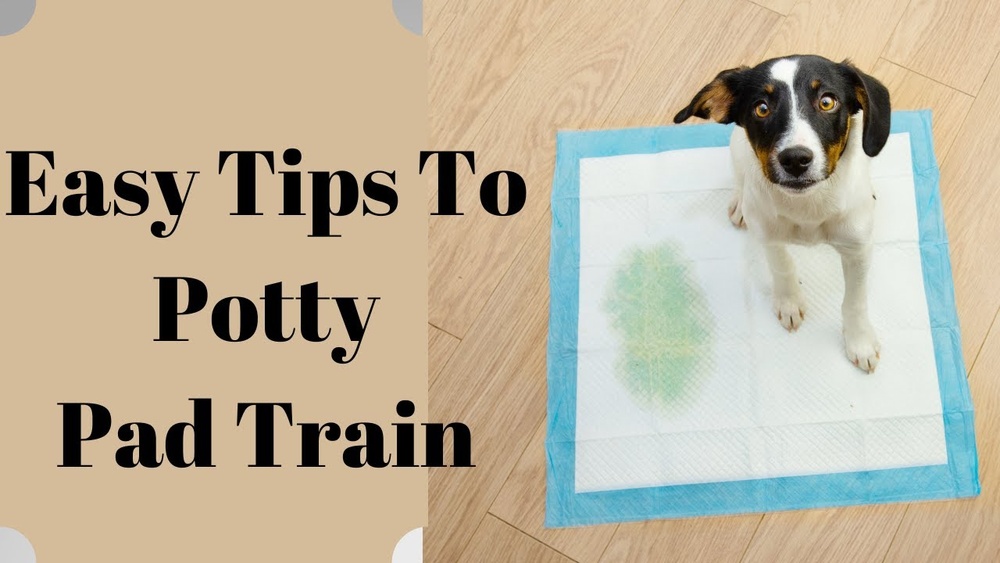
Training your dog to pee on pads can make life so much easier for both of you. Whether you live in an apartment, face bad weather, or just want a cleaner home, this skill is a game changer.
You might wonder how to start, what mistakes to avoid, or how long it will take. You’ll get clear, simple steps that really work. By the end, you’ll feel confident teaching your dog exactly where to go – no more messes, no more stress.
Ready to make potty training a breeze? Let’s dive in!
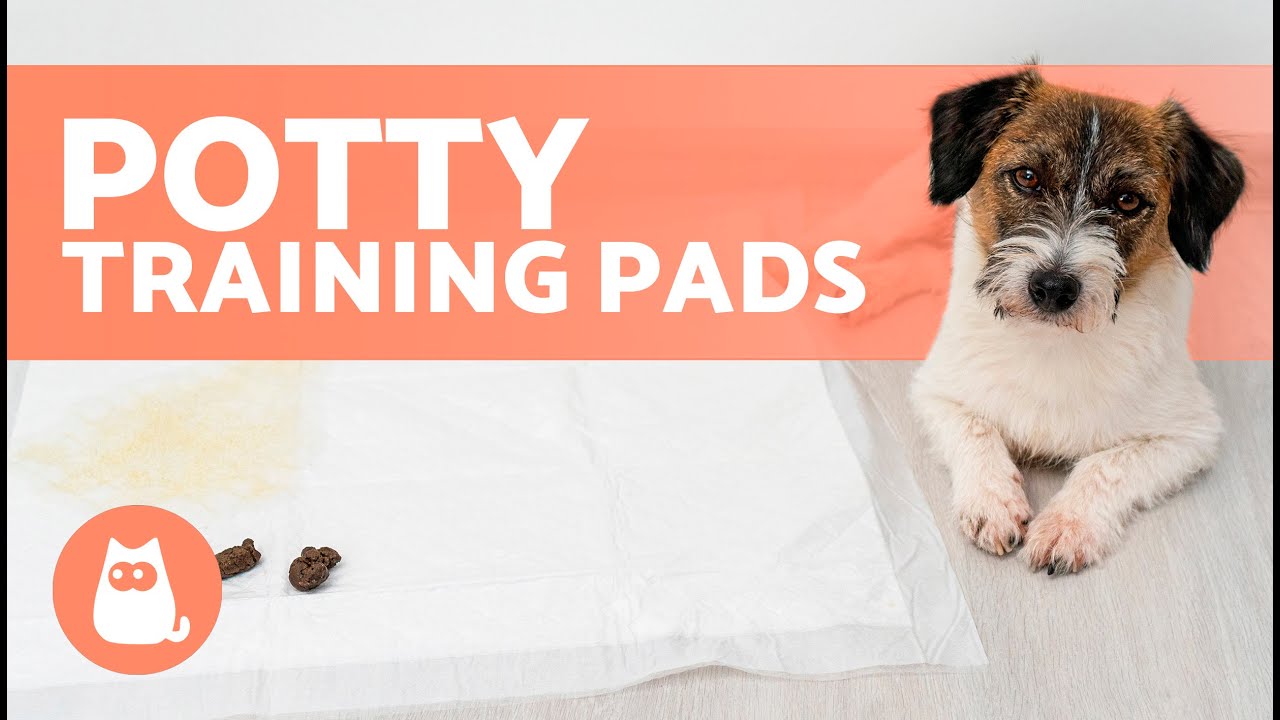
Credit: www.youtube.com
Choosing The Right Pads
Choosing the right pads is a key step in training your dog to pee on pads. The pads must suit your dog’s size and habits. This helps keep your home clean and makes training easier. Understanding the types, size, and placement of pads will guide you in making the best choice.
Types Of Pee Pads
Pee pads come in different types. Some have a plastic backing to stop leaks. Others have a scent to attract dogs. There are biodegradable pads for eco-friendly options. Choose pads that fit your dog’s needs and your lifestyle.
Size And Absorbency
Pads must be big enough for your dog. Small pads can cause accidents outside the pad. Absorbency is also important to prevent messes. Thick pads soak up more liquid and reduce smell. Pick pads that match your dog’s size and urine amount.
Placement Tips
Place pads where your dog feels safe. Avoid busy or noisy areas. A quiet corner works best. Keep pads away from food and water bowls. Change pads regularly to keep the area fresh. Consistent placement helps your dog learn faster.
Preparing Your Dog
Preparing your dog to pee on pads is the first step in successful training. This stage builds good habits. It helps your dog learn where to go. Patience and consistency are key. Your dog needs clear guidance to understand what is expected.
Start by creating a calm and positive environment. This makes the process easier for your dog. Let’s explore how to prepare your dog with simple steps.
Setting A Routine
Dogs thrive on routine. Set specific times for bathroom breaks. Take your dog to the pad after eating, drinking, and waking up. This helps your dog know when to pee on the pad. Keep the schedule consistent every day. A steady routine reduces accidents and confusion.
Recognizing Signs
Learn to spot when your dog needs to pee. Watch for sniffing, circling, or restlessness. These signs mean your dog is ready to go. Quickly guide your dog to the pad at these moments. Responding fast helps your dog connect the pad with peeing.
Using Positive Reinforcement
Praise your dog each time it pees on the pad. Use treats, kind words, or gentle petting. Positive reinforcement encourages your dog to repeat good behavior. Avoid punishment for accidents. Focus on rewarding success to build trust and confidence.
Step-by-step Training Process
Training your dog to pee on pads takes patience and clear steps. This process helps your dog understand where to go. Follow these simple steps to guide your pet successfully.
Introducing The Pad
Place the pad in a quiet, accessible spot. Let your dog sniff and explore the pad. Do not force your dog onto the pad. Allow your pet to get familiar with the new item. Keep the pad in the same place every time.
Encouraging Use
Watch your dog closely for signs of needing to pee. Gently lead your dog to the pad at these times. Praise your dog with soft words when they use the pad. Offer a small treat after successful use. Repeat this routine often to build habit and confidence.
Handling Accidents
Stay calm if your dog pees outside the pad. Clean the area thoroughly to remove odors. Avoid punishment as it can cause fear. Redirect your dog gently back to the pad. Keep training sessions consistent and positive.
:strip_icc()/potty-pad-training-4178382-hero-413f0c1f54ef4a89a18f79d60818f805.jpg)
Credit: www.thesprucepets.com
Maintaining Good Habits
Maintaining good habits is key to training your dog to pee on pads. Consistency helps your dog learn faster and avoid accidents. It also keeps your home clean and your dog happy. Stick to simple routines and be patient. Good habits build trust between you and your pet.
Consistent Schedule
Set specific times for your dog to use the pad. Take your dog to the pad after meals, playtime, and naps. Regular bathroom breaks create a clear pattern. Your dog will learn to expect these times and use the pad. Avoid changing the schedule often. Consistency makes training easier and faster.
Gradual Pad Reduction
Start with many pads if needed, then slowly reduce them. Move the pads closer together over days. This helps your dog focus on one spot. Gradual reduction stops confusion and accidents. Eventually, your dog will use just one pad. This step is important for clear learning.
Cleaning And Hygiene
Clean the pads and surrounding area often. Use pet-safe cleaners to remove odors. Dogs return to spots that smell like urine. Clean areas prevent your dog from peeing elsewhere. Keep the pad dry and replace it when wet. Good hygiene supports healthy habits and comfort.
Common Challenges
Training a dog to pee on pads can bring many challenges. Dogs do not always follow instructions right away. Some behaviors can make the process tricky and slow. Understanding common problems helps you stay patient and consistent. This section talks about three main challenges you might face during training.
Ignoring The Pad
Dogs may ignore the pee pad for many reasons. They might not recognize it as a bathroom spot. The pad could be in a noisy or busy place. Some dogs dislike the texture or smell of the pad. Moving the pad closer to where the dog prefers can help. Using treats and praise encourages your dog to use it. Keep the pad clean to avoid bad smells. Always watch your dog closely to guide them gently.
Marking Behavior
Marking is when dogs pee to claim an area. This can happen even after using the pad. It usually occurs with male dogs, but females can mark too. Marking is different from normal peeing. It can be a sign of stress or excitement. Spaying or neutering often reduces marking. Use positive reinforcement when your dog uses the pad correctly. Clean marked spots with an enzyme cleaner to remove scent. Avoid punishing your dog, as it may increase marking.
Dealing With Setbacks
Setbacks are common in pad training. Your dog might suddenly stop using the pad. Changes in routine or environment can confuse your dog. Illness or stress can also cause accidents. Stay calm and do not punish your dog. Return to basics and guide your dog to the pad. Offer rewards and encouragement each time. Patience and consistency are key to overcoming setbacks. Remember, every dog learns at its own pace.
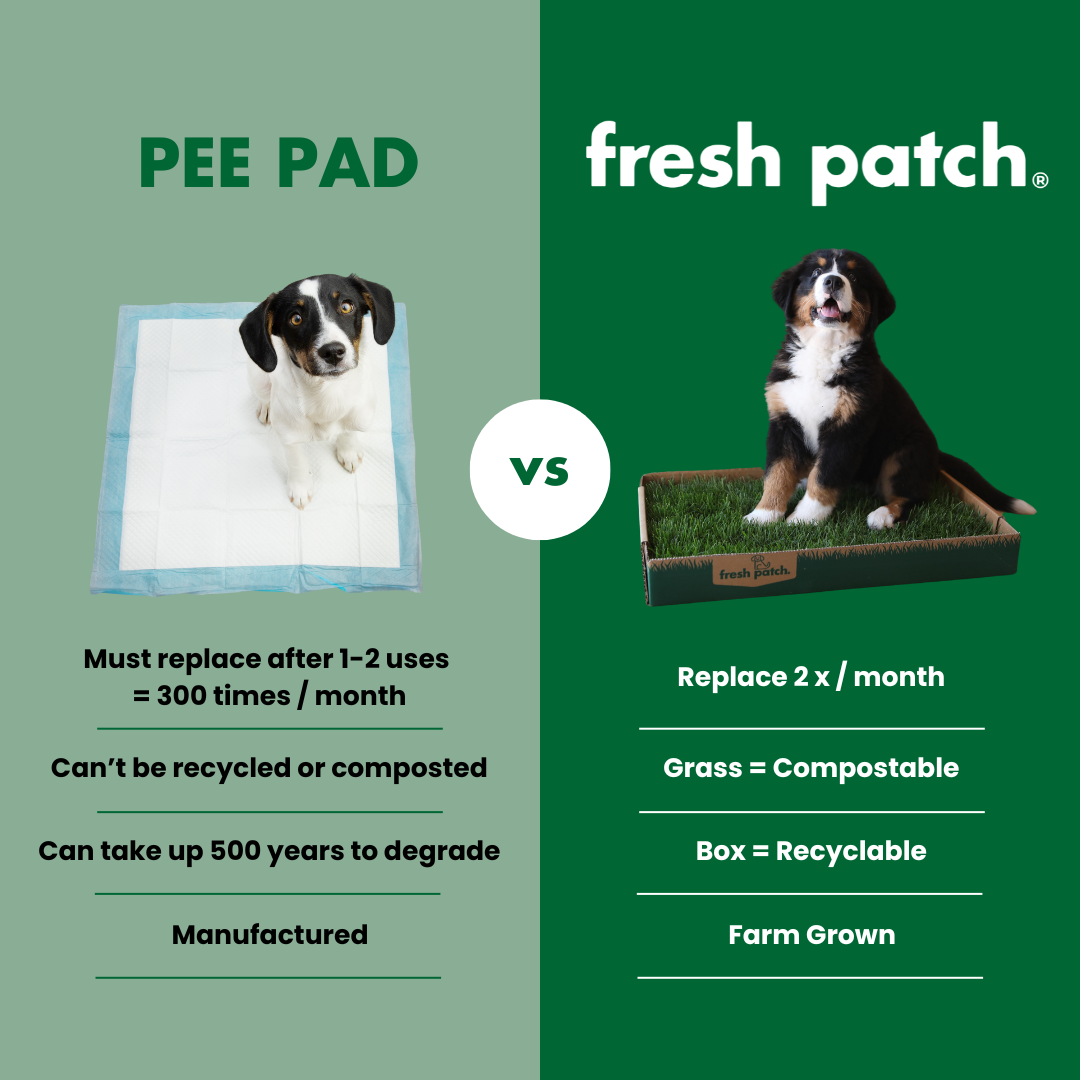
Credit: www.freshpatch.com
Tips For Different Dog Ages
Training your dog to pee on pads varies with age. Puppies, adults, and seniors all have different needs. Adjusting your approach helps make training smooth and effective. Patience and consistency are key to success.
Training Puppies
Puppies have small bladders and need frequent bathroom breaks. Place the pads in a quiet, accessible spot. Take your puppy to the pad often, especially after meals and naps. Praise and reward your puppy immediately after using the pad. Avoid punishment; it can cause fear and confusion.
Adult Dogs
Adult dogs may already know bathroom habits. Introduce the pads slowly and place them where you want your dog to go. Use treats and positive words to encourage your dog. Keep a regular schedule for bathroom breaks. Be patient if accidents happen. Clean messes quickly to prevent repeat spots.
Senior Dogs
Senior dogs might have weaker bladders or health issues. Provide more frequent access to pads throughout the day. Use soft, comfortable pads to protect sensitive paws. Gently guide your senior dog to the pad area often. Celebrate small successes with praise and treats. Monitor for signs of discomfort or changes in habits.
Frequently Asked Questions
How Long Does It Take To Train A Dog To Pee On Pads?
Training usually takes 1 to 3 weeks with consistent effort. Regular schedules and positive reinforcement speed up learning. Patience and routine help your dog understand pad use quickly.
What Are The Best Pads For Dog Pee Training?
Look for absorbent, leak-proof, and odor-controlling pads. Choose pads sized appropriately for your dog’s breed. Quality pads keep your home clean and encourage proper training.
How Often Should I Take My Dog To Pee On Pads?
Take your dog to the pad every 1-2 hours initially. Frequent trips prevent accidents and build a strong habit. Gradually increase time between visits as training progresses.
Can Puppies Be Trained To Use Pee Pads Effectively?
Yes, puppies adapt well to pee pads with consistent guidance. Start training early, using praise and rewards for success. Early pad training reduces accidents and eases housebreaking.
Conclusion
Training your dog to pee on pads takes time and patience. Use clear commands and praise often. Keep the pads in the same spot to avoid confusion. Watch your dog closely for signs they need to go. Consistency helps your dog learn faster.
Remember, accidents happen, so stay calm and keep trying. With steady effort, your dog will get used to the pads. This training helps keep your home clean and your dog happy. Trust the process and enjoy the progress you make together.


