

Your dog’s neutering surgery is done, and now the real care begins. How you handle the days after can make all the difference in your pet’s comfort and recovery.
You want to keep your furry friend safe, pain-free, and happy, but it can feel overwhelming if you’re not sure what to do. This guide will walk you through simple, effective steps to help your dog heal quickly and smoothly.
Stick with me, and you’ll learn exactly how to protect your dog, spot any warning signs, and ensure their recovery is as stress-free as possible. Your dog depends on you—let’s make sure you’re ready to give them the best care after neutering.
Credit: forevervets.com
Post-surgery Care
After neutering surgery, a dog needs careful care to heal well. This time is very important for recovery. Proper care helps prevent problems and keeps your dog comfortable. Watch your dog closely and follow your vet’s advice to ensure a smooth healing process.
Managing Pain And Discomfort
Neutering can cause pain and swelling. Give pain medicine exactly as the vet says. Do not give human medicine to dogs. Use a soft place for your dog to rest. Keep your dog calm to avoid extra pain. Gentle petting can help soothe your dog.
Preventing Infection
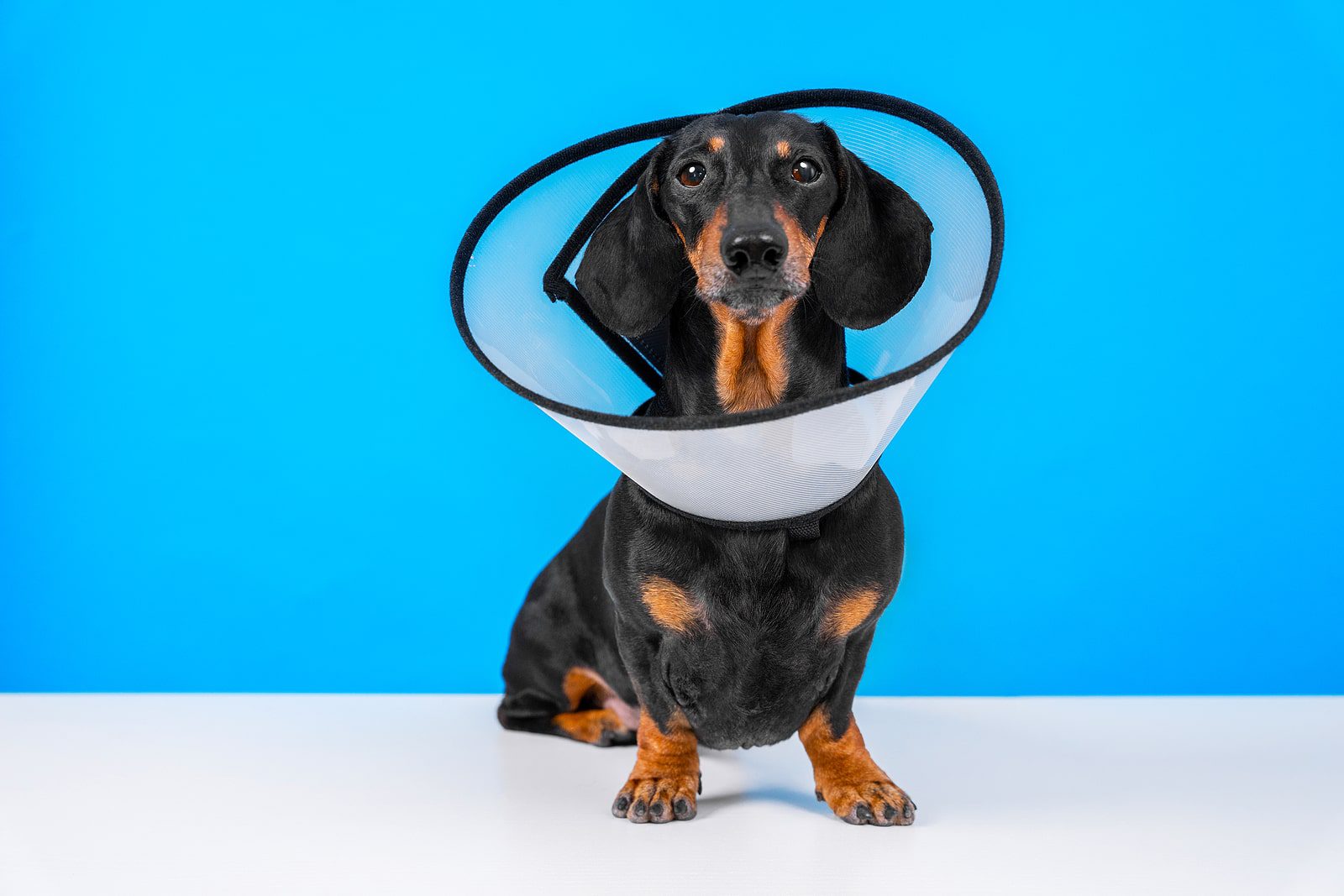
Keep your dog’s area clean and dry. Stop your dog from licking or biting the wound. Use an Elizabethan collar if needed. Avoid baths until the vet says it is okay. Watch for signs like bad smell or pus. These may mean infection and need vet care.
Monitoring Incision Site
Check the surgery site twice daily. Look for redness, swelling, or bleeding. Small scabs or bruises are normal but watch changes. Contact the vet if the wound opens or gets worse. Taking photos can help track healing progress.

Credit: smart.dhgate.com
Activity Restrictions
After neutering, your dog needs special care to heal well. Activity restrictions help protect the surgery site. Keeping your dog calm and still speeds up recovery. Moving too much can cause pain or injury. Follow these simple rules to keep your dog safe.
Limiting Physical Exercise
Cut down on your dog’s exercise for at least 7 to 10 days. Avoid long walks or playtime outside. Rest helps the body heal faster. Too much exercise can open the stitches. Give your dog quiet time inside the house. Short bathroom breaks are fine, but avoid running around.
Avoiding Jumping And Running
Jumping and running put stress on the surgery area. Stop your dog from leaping on furniture or stairs. Use baby gates to block off stairs if needed. Keep toys that encourage rough play out of reach. Calm activities like gentle petting or sitting together work best. Protect your dog from quick, sudden movements.
Using A Leash For Walks
Always use a leash during walks after surgery. Keep walks slow and short. The leash helps control your dog’s speed and stops sudden bursts. Avoid places with lots of distractions or other dogs. This prevents excitement and rough play. Walk in quiet areas to keep your dog calm and safe.
Feeding And Hydration
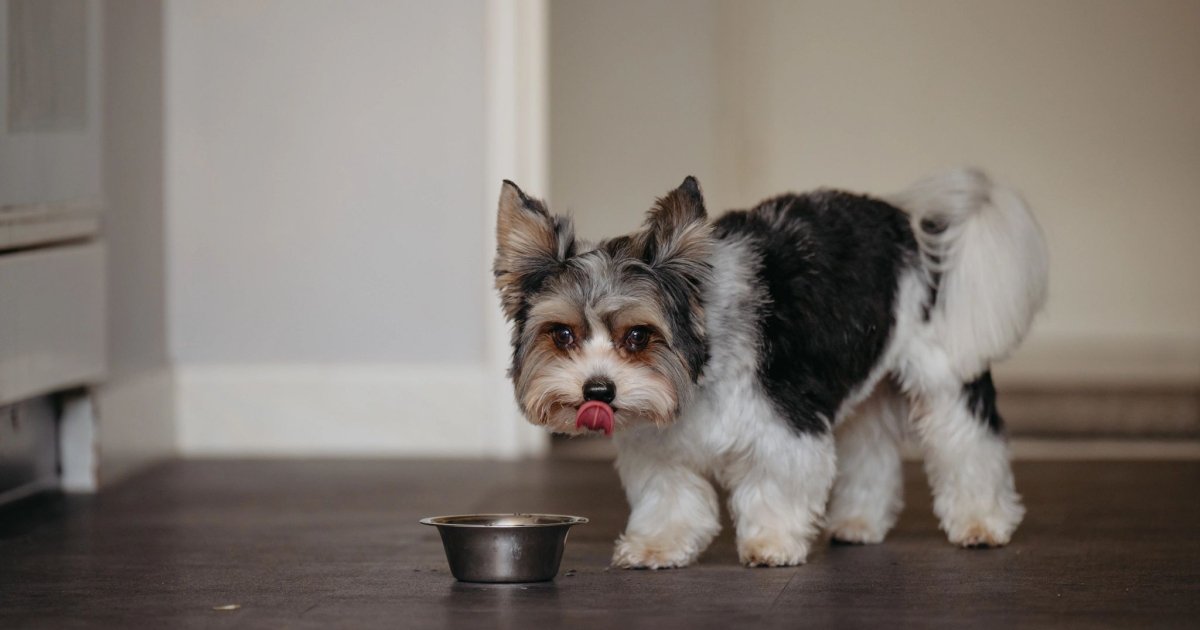
After your dog’s neutering surgery, feeding and hydration play a key role in recovery. Proper nutrition helps heal wounds and regain strength. Water keeps your dog hydrated and supports all body functions. Careful attention to food and water intake ensures a smooth healing process.
Adjusting Meal Portions
Neutered dogs often need fewer calories. Smaller meal portions prevent weight gain during recovery. Divide daily food into several small meals. This helps avoid stomach upset and keeps energy steady. Follow your vet’s advice on portion sizes and feeding frequency.
Providing Fresh Water
Always offer clean, fresh water nearby. Hydration speeds up healing and prevents dehydration. Change water daily to keep it fresh. Some dogs may drink less after surgery. Encourage regular sips by placing water bowls close to your dog.
Watching For Appetite Changes
Watch closely for any appetite changes. Loss of appetite can signal pain or discomfort. Sudden refusal to eat needs vet attention. Some dogs eat less for a day or two after surgery. Keep track of eating habits to catch problems early.
Credit: uk.virbac.com
Comfort And Environment
After neutering, your dog needs a calm and safe place to heal. Comfort and environment play a big role in quick recovery. A quiet spot helps your dog rest and feel secure. Soft bedding supports healing and keeps your pet cozy. Protective gear stops your dog from licking or biting the surgery area. All these steps reduce stress and speed up healing.
Creating A Quiet Recovery Space
Pick a quiet room away from loud noises and heavy traffic. Use a small area to limit your dog’s movement. Keep other pets and children away to avoid stress. Make sure the space has good air flow but no drafts. A peaceful spot helps your dog stay calm and rest well.
Using Protective Gear
Use an Elizabethan collar or a soft recovery suit. These protect the surgery site from licking and scratching. Check the gear often to ensure it fits well. Change or clean it if it gets dirty. Protective gear keeps wounds safe and helps avoid infections.
Maintaining Clean Bedding
Provide soft, clean bedding to keep your dog comfortable. Change the bedding every day or when it gets dirty. Use washable blankets or pads for easy cleaning. Clean bedding prevents infections and keeps your dog dry. A fresh bed supports your dog’s rest and healing.
Signs To Watch For
After neutering your dog, watching for certain signs is important. These signs help you see if your dog is healing well or needs help. Careful observation can catch problems early. You can keep your dog safe and comfortable this way.
Recognizing Complications
Check the surgery site daily. Look for swelling, redness, or discharge. These may show infection. Watch if your dog licks or bites the area a lot. This can cause irritation or open wounds. Also, notice if your dog has trouble walking or seems very tired. These signs need attention.
When To Contact The Vet
Call your vet if your dog has a fever. A temperature above 102.5°F is a concern. Contact the vet if bleeding does not stop or gets worse. If your dog vomits repeatedly or cannot eat, call for help. Sudden limping or severe pain should not be ignored. Quick action can prevent serious problems.
Tracking Behavior Changes
Notice changes in your dog’s mood or energy. Your dog may be quieter than usual. This is normal but watch for extreme lethargy. Loss of appetite lasting more than a day is a red flag. Excessive whining or signs of pain need attention. Keep track of bathroom habits too. Trouble urinating or diarrhea can signal issues.
Long-term Care Tips
Neutering your dog is a big step for their health. After the surgery and healing, long-term care helps keep your dog happy and healthy. This care involves exercise, diet, and regular vet visits. Each part supports your dog’s well-being in different ways.
Post-healing Exercise Plans
Exercise is key for your dog’s health after neutering. Start with short walks and gentle play. Avoid jumping or running hard at first. Gradually increase activity over weeks. Exercise helps control weight and keeps muscles strong. It also prevents boredom and bad behavior.
Diet Adjustments After Neutering
Neutered dogs need fewer calories. Their metabolism slows down, so diet changes help avoid weight gain. Feed high-quality dog food with balanced nutrients. Measure portions carefully and avoid extra treats. Fresh water must always be available to your dog.
Regular Vet Checkups
Schedule regular vet visits to monitor your dog’s health. The vet checks weight, coat, and overall condition. Vaccinations and parasite prevention stay up to date. Early detection of health issues keeps your dog safe. Keep a record of all vet appointments and treatments.
Frequently Asked Questions
How Long Should I Keep My Dog Calm After Neutering?
Keep your dog calm for at least 7 to 10 days post-surgery. Limit physical activities to prevent strain and injury. Avoid running, jumping, and rough play during this healing period to ensure proper recovery.
When Can My Dog Resume Normal Exercise Post-neutering?
Resume normal exercise gradually after 10 to 14 days. Start with short walks and increase intensity slowly. Always monitor your dog for any signs of discomfort or swelling during activity.
What Signs Indicate Complications After Dog Neutering?
Watch for excessive swelling, redness, discharge, or bleeding at the incision site. Also, monitor for lethargy, vomiting, or loss of appetite. If any of these occur, contact your vet immediately.
How Do I Prevent My Dog From Licking The Incision?
Use an Elizabethan collar or recovery suit to prevent licking. Licking can cause infections and delay healing. Ensure the collar fits comfortably and check the incision daily.
Conclusion
Taking care of your dog after neutering helps them heal fast. Keep them calm and comfortable during recovery. Watch for any signs of pain or infection. Give medicines as the vet advised. Avoid letting your dog run or jump too soon.
Check the surgery site every day for changes. A little rest goes a long way. Your care makes a big difference in their health. Stay patient and gentle. Your dog will feel better soon and enjoy a happy life.


