

Neutering your dog is an important step for their health and happiness, but what comes next is just as crucial. You want to make sure your furry friend recovers quickly and comfortably.
If you’re wondering how to take care of your dog after neuter surgery, you’re in the right place. This guide will show you simple, effective ways to help your dog heal, avoid complications, and get back to their playful self.
Keep reading—you’ll discover easy tips that make a big difference in your dog’s recovery.
Credit: www.amazon.com
Immediate Post-surgery Care
Taking care of your dog immediately after neuter surgery is very important. This time is critical for your pet’s health and comfort. Proper care helps your dog heal faster and avoid problems. Watch your dog closely and follow simple steps to provide the best care.
Monitoring Vital Signs
Check your dog’s breathing and heart rate often. Normal breathing means your dog is calm and not in pain. Look at the gums; they should be pink and moist. Pale or blue gums signal a problem. Keep your dog warm but not too hot. Make sure your dog stays awake and alert. Call a vet if your dog is very sleepy or unresponsive.
Managing Pain And Discomfort
Your dog may feel sore after surgery. Pain medicine prescribed by the vet helps ease discomfort. Give all medicines on time. Watch for signs of pain like whining, shaking, or hiding. Keep your dog calm and quiet. Avoid rough play or jumping. Soft bedding helps your dog rest comfortably.
Preventing Infection
Cleanliness is key to stop infection. Do not let your dog lick the surgery area. Use a cone collar if needed. Check the wound daily for redness, swelling, or discharge. Keep the area dry and clean. Follow vet instructions on wound care. Call the vet if you see pus or bad smell. Keep your dog away from dirt and water until healed.
Feeding And Hydration
Proper feeding and hydration are very important after your dog is neutered. The body needs good care to heal well. Food and water help your dog regain strength and stay comfortable. Feeding and giving water at the right time supports recovery and prevents problems.
When To Offer Food And Water
Wait until your dog is fully awake before offering food. Start with small amounts of water first. Watch for signs of nausea or vomiting. If your dog drinks water without trouble, offer a small meal. Avoid large meals on the first day. Feed little by little to avoid stomach upset. Keep fresh water available all the time. Check your dog often to see if it drinks enough.
Choosing The Right Diet
Choose soft and easy-to-digest food for the first few days. Wet food or soaked dry food works well. Avoid heavy, rich, or spicy meals. Plain chicken and rice are good options. Avoid giving treats or new foods immediately after surgery. Follow your vet’s advice on what to feed. A balanced diet helps your dog heal faster. Keep meals small and frequent. This helps your dog stay comfortable and nourished.
Activity Restrictions
After neutering, your dog needs to rest and heal properly. Activity restrictions help avoid complications and speed recovery. Keeping your dog calm is key during the first two weeks after surgery. Avoiding sudden movements or rough play protects the surgery site from damage.
Limiting Physical Movement
Limit your dog’s running, jumping, and climbing. These actions can strain the stitches or cause swelling. Use a leash during bathroom breaks to control movement. Short, slow walks are best until your vet says otherwise. Avoid stairs and slippery floors to prevent accidents. Watch for signs of tiredness and stop activity early.
Safe Spaces For Rest
Create a quiet, comfortable area for your dog to rest. Use a soft bed or blanket to support their body. Keep this space away from other pets and loud noises. This calm spot helps reduce stress and speeds healing. Encourage your dog to stay in this area as much as possible. Check the space often to make sure it stays clean and safe.

Credit: www.amazon.com
Wound Care
Proper wound care is key after your dog’s neuter surgery. It helps the wound heal fast and keeps infections away. You should watch the area closely every day. Knowing how to clean and protect the wound makes a big difference in recovery.
Cleaning And Inspection
Check the wound twice daily for redness or swelling. Use a clean cloth dampened with warm water to gently clean the area. Avoid harsh soaps or chemicals. Pat the wound dry with a soft towel. Keep the area free from dirt and debris. Watch for any discharge or bad smell. These signs mean you should call the vet.
Preventing Licking And Biting
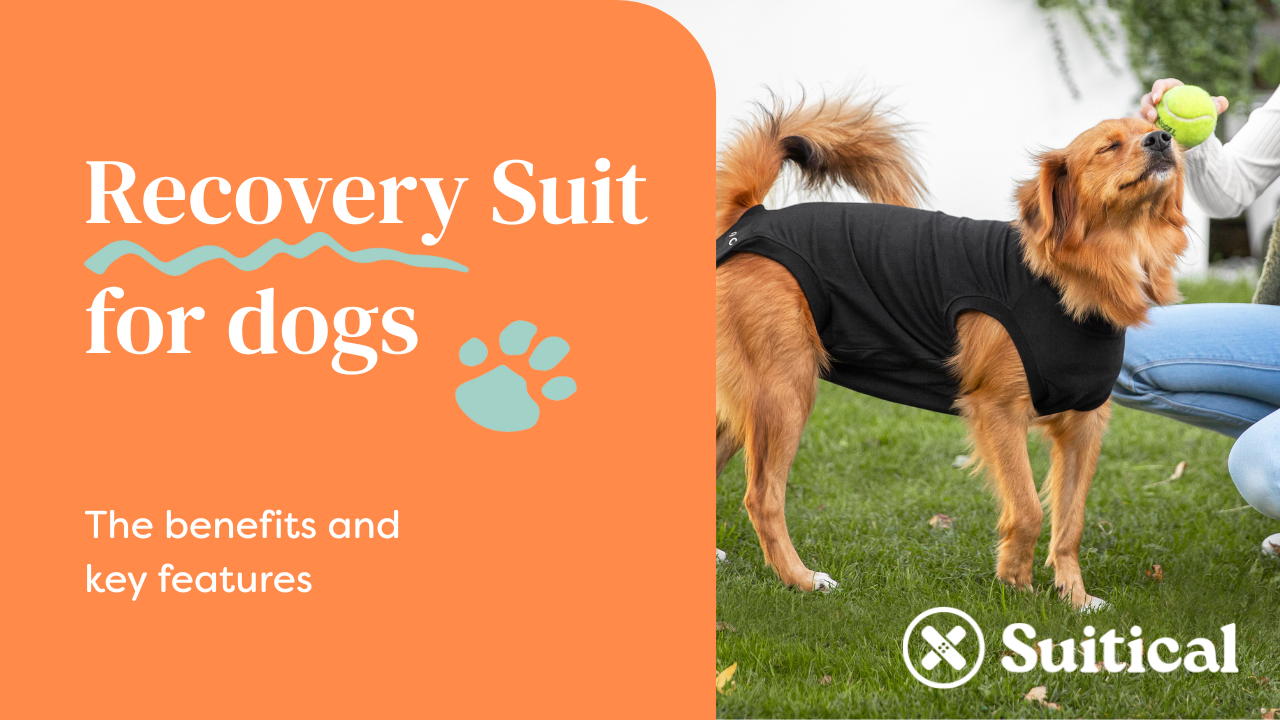
Dogs often lick or bite their wounds. This can cause infections or open the stitches. Use an Elizabethan collar (cone) to stop your dog from reaching the wound. Some dogs do better with inflatable collars or special recovery suits. Check the collar often to ensure it fits well. Preventing licking helps the wound heal quickly and safely.
Using Protective Gear
Using protective gear is important after your dog’s neuter surgery. It stops your dog from licking or biting the surgery area. This helps the wound heal faster and prevents infections. Protective gear keeps your dog safe and comfortable during recovery.
E-collars And Alternatives
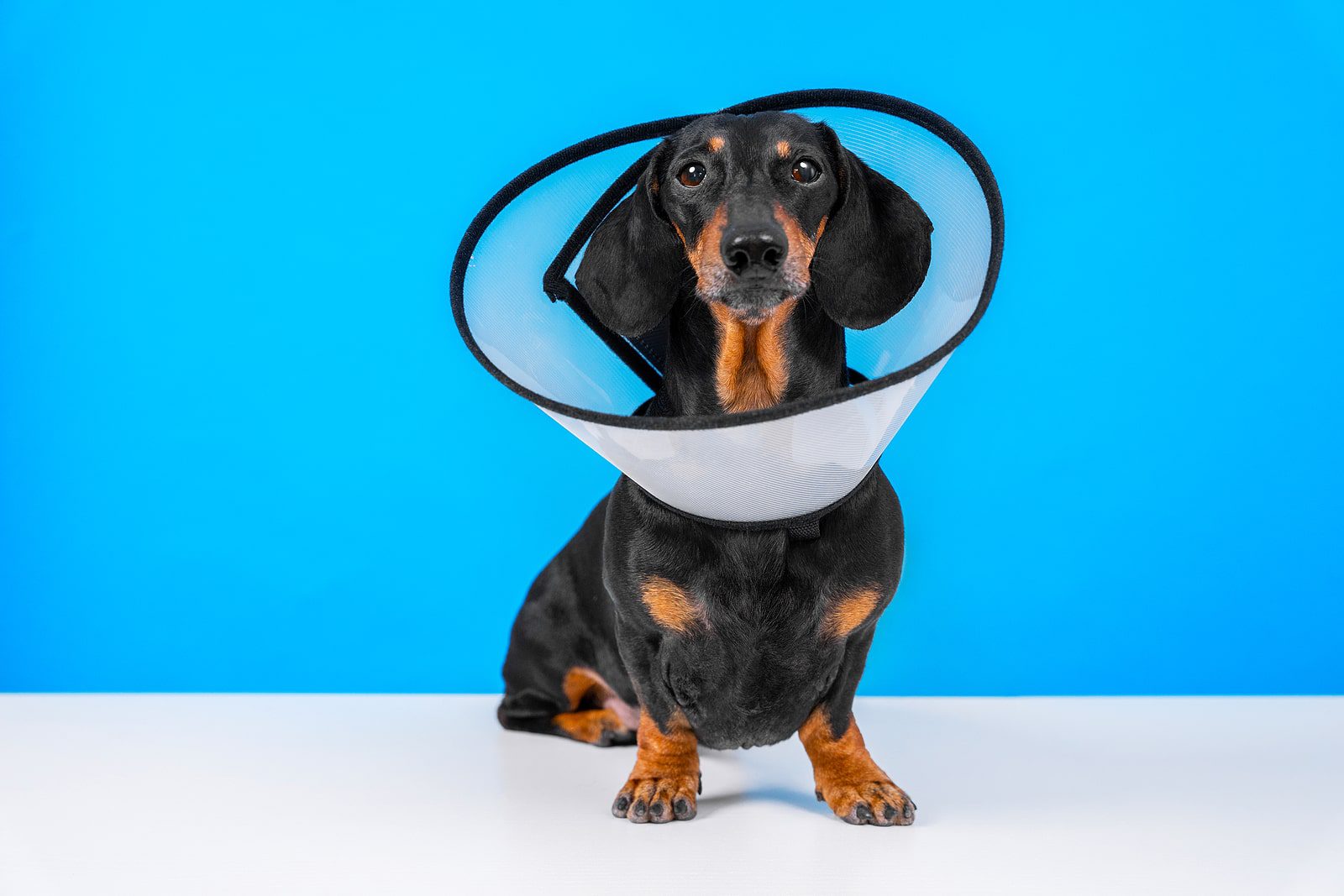
E-collars, or “cones,” are common protective gear. They stop dogs from reaching the surgery site with their mouth. Some dogs find cones uncomfortable or scary. Soft e-collars or inflatable collars can be good alternatives. These options protect the wound but feel less strict.
Comfort And Fit Tips
Choose protective gear that fits your dog well. It should be snug but not too tight. Check if your dog can eat, drink, and sleep comfortably. Watch for signs of stress or discomfort. Adjust the gear if needed. Proper fit helps your dog stay calm and heal faster.
Recognizing Complications
After neutering, dogs need careful watching for any problems. Recognizing complications early can protect your pet’s health. Small changes may signal bigger issues. Acting fast helps your dog heal well and stay comfortable.
Signs Of Infection
Check the surgery site daily. Redness or swelling around the area is a warning sign. Look for pus or unusual discharge. A bad smell can also mean infection. Your dog may lick or bite the spot more than usual. Fever, weakness, or loss of appetite can show infection too.
When To Contact The Vet
Call the vet if the wound looks worse after a few days. If your dog stops eating or drinking, get help fast. Severe swelling or bleeding needs urgent care. If your dog is very tired or acts strange, contact the vet. Early treatment prevents serious problems and helps quick recovery.
Follow-up Appointments
Follow-up appointments are a key part of caring for your dog after neutering. These visits help the vet check your dog’s healing and overall health. They also allow you to ask questions or share any concerns. Keeping these appointments ensures a smooth recovery and catches issues early.
Scheduling And Importance
The vet usually schedules the first follow-up within 7 to 10 days after surgery. This timing helps the vet see if the incision is healing well. Sometimes, a second visit may be needed for stitches removal or to check on swelling. Missing these appointments can delay treatment of problems. Staying on schedule shows you care about your dog’s health.
What To Expect
During the follow-up, the vet will look at the surgery site for redness or infection. They will check if your dog is in pain or discomfort. The vet may ask about eating, drinking, and activity levels. They might trim stitches or clean the area gently. This visit is also a chance to talk about diet and exercise limits. Your dog may get a clean bill of health or need more care.
Credit: forevervets.com
Long-term Care Adjustments
After neutering, your dog needs some long-term care changes. These changes help your dog stay healthy and happy. Neutering affects more than just the surgery site. It changes hormones and behavior. Understanding these changes helps you take better care of your dog.
Behavioral Changes
Neutering often calms down aggressive or dominant behavior. Your dog may become less interested in marking territory. Some dogs show less roaming or chasing instincts. Watch for changes in energy levels. Some dogs become less active or playful. Be patient as your dog adjusts to new feelings. Positive training helps your dog adapt smoothly.
Diet And Exercise Modifications
Neutered dogs may need fewer calories. Their metabolism slows down after surgery. Feeding the same amount can cause weight gain. Choose a balanced diet made for neutered pets. Measure food portions carefully. Increase exercise to keep your dog fit. Regular walks and playtime help maintain healthy weight. Avoid overfeeding treats. Healthy habits protect your dog’s long-term health.
Frequently Asked Questions
How Long Should I Restrict My Dog’s Activity After Neutering?
Limit your dog’s activity for at least 7-10 days post-surgery. Avoid running, jumping, and rough play to ensure proper healing. Controlled leash walks are best during this period to prevent injury and complications.
What Signs Indicate Infection After Dog Neuter Surgery?
Watch for redness, swelling, discharge, or foul odor around the incision. Excessive licking, lethargy, or loss of appetite can also signal infection. Contact your vet immediately if you notice these symptoms.
When Can My Dog Resume Normal Diet After Neutering?
Offer a small meal 4-6 hours post-surgery once your dog is fully awake. Gradually return to their regular diet over 24 hours unless your vet advises otherwise. Avoid overfeeding to prevent nausea.
Should I Use An Elizabethan Collar After Neutering?
Yes, an Elizabethan collar (cone) prevents your dog from licking or biting the incision. This helps reduce infection risk and promotes faster healing. Use it until your vet confirms the wound is fully healed.
Conclusion
Caring for your dog after neutering helps them heal fast. Keep the area clean and watch for any signs of trouble. Give your dog plenty of rest and avoid rough play. Feed nutritious food to support recovery. Follow your vet’s advice for medicines and check-ups.
Your gentle care makes a big difference in your pet’s comfort. Soon, your dog will be happy and healthy again. Taking these steps ensures a smooth healing process and a strong bond with your furry friend.


