

Is your dog constantly chasing after cars, making walks stressful and unsafe? You’re not alone, and the good news is that you can change this behavior.
Imagine enjoying peaceful walks without the fear of your dog darting into traffic. This guide will show you simple, effective techniques inspired by dog whisperer methods to stop your dog from chasing cars. Keep reading, and discover how to transform your dog’s behavior, keep them safe, and strengthen your bond.
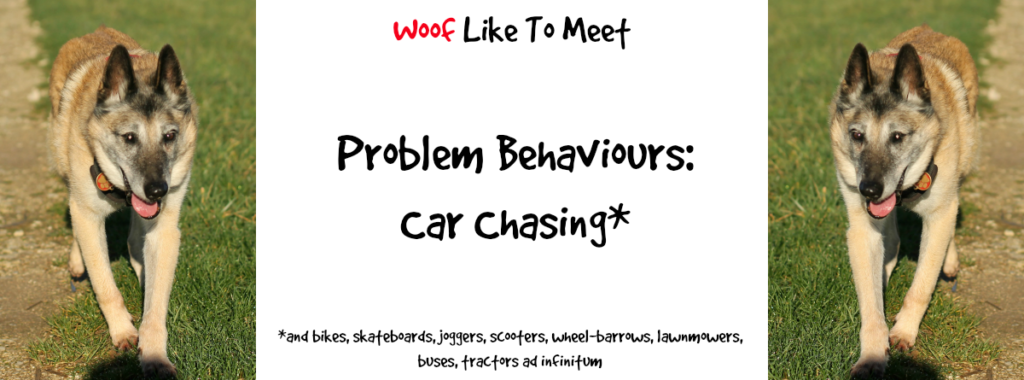
Credit: www.woofliketomeet.com
Why Dogs Chase Cars
Dogs chasing cars is a common problem for many pet owners. Understanding why dogs chase cars helps in stopping this behavior. Dogs act on their natural instincts, and cars moving fast trigger these instincts. Knowing the reasons behind this habit is the first step to managing it safely.
Instinctive Behavior
Chasing moving objects is natural for dogs. Their ancestors hunted prey and chased it to catch food. Cars moving fast look like prey to dogs. This triggers their chase instinct. Some breeds have stronger chasing instincts than others. Herding dogs, for example, often chase to control movement.
Common Triggers
Many things can trigger dogs to chase cars. Loud noises from engines can excite them. Sudden movements of cars catch their attention. Running wheels or flashing lights also attract dogs. Sometimes, boredom or lack of exercise makes dogs chase cars. They do it to release energy or play.
Risks Involved
Chasing cars is dangerous for dogs and drivers. Dogs can get hit by cars and suffer injuries. Drivers may swerve to avoid dogs, causing accidents. Dogs may run into traffic and get lost. This behavior can also cause stress and fear in dogs. Stopping this habit protects both dogs and people.

Credit: www.infurmation.co.za
Signs Your Dog Will Chase Cars
Dogs chasing cars is a common problem many owners face. Recognizing signs early can stop this dangerous habit. Watching your dog closely helps spot risks before chasing starts. Understanding these signs improves safety for your dog and others.
Early Warning Signals
Notice your dog’s reaction to moving cars. Excitement or barking at vehicles can be a warning. Sudden lunges or pulling on the leash toward cars show strong interest. Your dog may stare fixedly at cars passing by. These actions suggest a high chance of chasing behavior.
Behavior Patterns To Watch
Repeated chasing of small fast objects, like bikes, often leads to car chasing. Dogs that love to run and chase toys have a stronger urge. Some dogs get anxious or overly excited near roads. Aggressive or protective behavior around cars is another sign. Watching these patterns helps predict and prevent chasing.
Training Techniques To Stop Car Chasing
Training a dog to stop chasing cars takes patience and clear methods. Consistent training helps your dog learn safe behavior. Using proven techniques can reduce this dangerous habit effectively. Focus on simple commands and positive reinforcement to guide your dog.
Basic Obedience Commands
Start with basic commands like “sit,” “stay,” and “leave it.” These commands build control and focus. Practice in a quiet space before trying outside. Reward your dog with treats or praise for following commands. Strong obedience skills help interrupt car chasing urges quickly.
Recall Training
Recall means calling your dog to come back to you. Use a clear, happy voice and a consistent word like “come.” Begin training in a safe, enclosed area. Reward your dog immediately when they return. Good recall keeps your dog safe near roads and moving cars.
Distraction Methods
Distract your dog with toys or treats to shift attention. Use a favorite toy or a tasty treat when a car passes. This breaks their focus on the car and redirects energy. Distraction helps change your dog’s habit over time. It teaches your dog to ignore cars and focus on you.

Credit: bestfriends.org
Using Positive Reinforcement
Using positive reinforcement is a gentle and effective way to stop your dog from chasing cars. It focuses on rewarding good behavior instead of punishing bad behavior. This approach builds trust between you and your dog. Your dog learns what you want by receiving treats or praise. Positive reinforcement creates a happy learning environment.
Reward Systems
Choose rewards that your dog loves. Treats, toys, or verbal praise work well. Give the reward immediately after your dog stops chasing. Timing is important to help your dog connect the action with the reward. Use small, frequent rewards during training sessions. This keeps your dog motivated and eager to learn.
Consistency In Training
Practice training every day. Consistent sessions help your dog remember the rules. Use the same commands and rewards each time. Avoid confusing your dog with different signals. Consistency builds clear communication between you and your dog. This makes stopping car chasing easier and faster.
Environmental Adjustments
Environmental adjustments play a key role in stopping a dog from chasing cars. Changing the surroundings helps reduce the dog’s urge to run after vehicles. It also creates a safer space for walks and training. Simple changes make a big difference in behavior and safety.
Safe Walking Routes
Choose quiet streets with low traffic for walks. Avoid busy roads where cars pass fast. Look for parks or trails away from cars. These places reduce distractions and dangers. Walking in calm areas helps your dog stay focused. It also lowers the chance of sudden chases.
Leash And Harness Choices
Use a strong leash and a secure harness. A harness gives better control than a collar. It stops your dog from pulling hard on the neck. Choose a leash long enough for comfort but short enough to control. Proper gear helps prevent sudden lunges toward cars. It keeps both you and your dog safe.
When To Seek Professional Help
Knowing when to seek professional help is key to stopping your dog from chasing cars. Some behaviors need more than patience and training. Experts can guide you safely through tough problems. Recognizing the signs and choosing the right professional saves time and stress.
Signs Of Severe Behavior
Some dogs chase cars out of playfulness. Others do it out of fear or aggression. Watch for these signs:
- Dog becomes very anxious or aggressive near roads.
- Chasing causes injury or near accidents.
- Training at home shows little or no progress.
- Dog shows signs of stress or panic when outside.
These signs mean the problem is serious. A professional can help handle these behaviors safely.
Choosing A Dog Whisperer
Pick a dog whisperer with experience in chasing behavior. Check their credentials and reviews. A good expert uses gentle, clear methods.
Ask about their approach to training and behavior. They should focus on trust and calm guidance. Avoid trainers who use harsh or scary methods.
Meeting the trainer before starting helps. See how they interact with your dog. Choose someone who makes your dog feel safe.
Frequently Asked Questions
How Can I Train My Dog To Stop Chasing Cars?
Use consistent commands like “leave it” and reward calm behavior. Gradually expose your dog to cars at a distance. Positive reinforcement helps redirect their focus away from vehicles.
Why Do Dogs Chase Moving Cars?
Dogs chase cars due to instinct, excitement, or boredom. They may see cars as prey or threats. Understanding this behavior helps tailor training methods effectively.
What Are Safe Ways To Prevent Car Chasing?
Keep your dog on a leash during walks. Use barriers like fences to limit access to roads. Engage your dog with toys and exercises to reduce chasing urges.
Can A Dog Whisperer Help With Car Chasing?
Yes, a Dog Whisperer can identify root causes and customize training. They use calm, assertive techniques to change your dog’s behavior safely.
Conclusion
Stopping your dog from chasing cars takes patience and clear training. Use calm commands and reward good behavior every time. Keep your dog focused with toys or treats during walks. Practice regularly in safe, controlled areas. Remember, consistency helps your dog learn faster.
Safety matters most for you and your pet. Small steps build trust and control. Soon, your dog will stay calm around cars. Keep training simple and positive to see lasting results.


