

Training an adult dog to walk calmly on a leash can feel like a big challenge. Maybe your dog pulls, gets distracted, or even tries to run away.
You’re not alone, and the good news is—it’s never too late to teach your dog to enjoy leash walks. Imagine peaceful strolls where your dog stays by your side, making every walk stress-free and fun. In this guide, you’ll discover simple, effective steps to leash train your adult dog, helping you both build trust and enjoy every outdoor adventure together.
Keep reading, and you’ll be surprised at how quickly your walks can improve.
Credit: www.adaptil.co.uk
Preparing Your Dog
Preparing your dog for leash training is an important first step. This stage helps your dog feel safe and ready. Proper preparation makes training smoother and more effective. Understanding your dog’s needs and behavior is key. Start with the right tools and environment. Pay attention to your dog’s mood and reactions.
Choosing The Right Leash And Collar
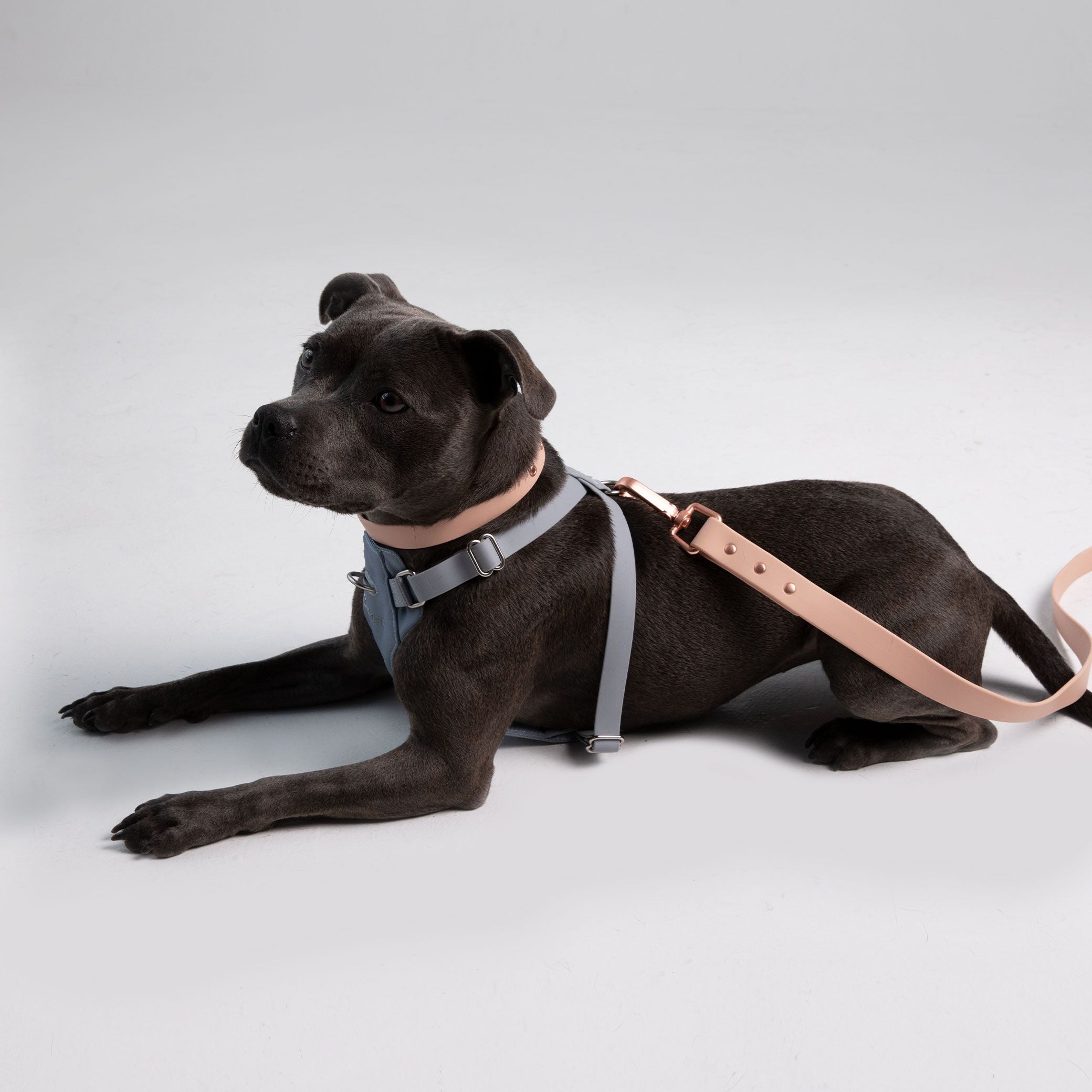
Select a leash and collar that fit your dog well. Use a leash about 4 to 6 feet long. Avoid very long or retractable leashes at first. Choose a collar that is comfortable but secure. A flat collar or a harness works best for most dogs. Check that the collar is not too tight or loose. The right equipment helps your dog feel safe and controlled.
Creating A Calm Environment
Pick a quiet place for leash training. Avoid busy or noisy areas that distract your dog. A calm space helps your dog focus better. Keep the environment free of strong smells or loud sounds. Start training indoors or in a fenced yard. Gradually move to more distracting spots as your dog learns. Calm surroundings reduce stress and improve learning.
Assessing Your Dog’s Temperament
Observe how your dog reacts to new things. Notice if your dog feels nervous or excited on a leash. Understanding your dog’s temperament guides your training approach. Some dogs need extra patience and gentle handling. Others may respond well to firm but kind commands. Adjust your pace to match your dog’s comfort level. Knowing your dog helps build trust and success.
Introducing The Leash
Introducing the leash to an adult dog is the first step to successful leash training. The goal is to make the leash a normal and positive part of your dog’s life. Patience and calmness are key during this phase. Let your dog see, smell, and touch the leash without pressure. This builds trust and reduces fear.
Letting Your Dog Get Comfortable
Start by leaving the leash near your dog’s resting area. Let your dog explore it at their own pace. Avoid holding the leash at first. Let your dog sniff and play with it gently. This helps your dog get used to the leash’s presence. Do this for a few days until your dog shows no signs of stress.
Positive Associations With The Leash
Next, connect the leash with good things. Give treats or praise when your dog approaches the leash. Attach the leash loosely to your dog’s collar for short times indoors. Let your dog walk around freely while wearing it. Always reward calm and happy behavior. This creates a positive link between the leash and nice experiences.
Basic Leash Training Techniques
Basic leash training techniques help your adult dog learn good walking habits. Start with small, easy steps. Training indoors creates a calm space for your dog to focus. Use clear commands and gentle guidance. Consistency is key for your dog’s success.
Starting Indoors
Begin training inside your home. Choose a quiet room with few distractions. Attach the leash and let your dog get used to it. Walk around slowly, encouraging your dog to follow. Keep sessions short and positive. This builds comfort and confidence.
Teaching To Walk Without Pulling
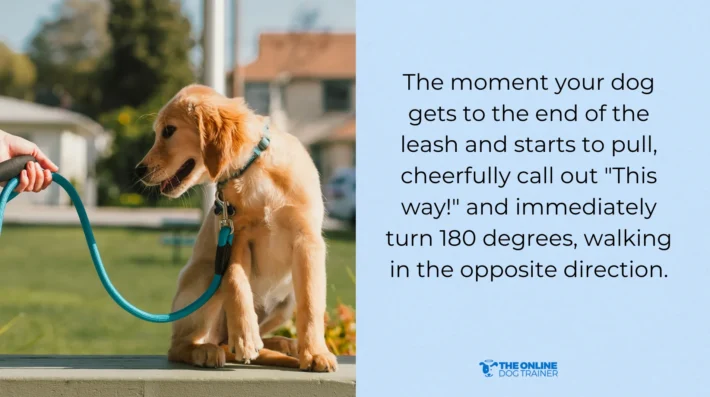
Hold the leash firmly but gently. Stop walking when your dog pulls. Wait for the leash to relax before moving again. Use a calm voice to guide your dog back. Reward your dog for walking beside you. Patience helps teach good leash manners.
Using Treats And Praise Effectively
Give treats to reward good behavior. Praise your dog with a happy voice. Use treats right after your dog follows commands. This helps your dog connect actions with rewards. Avoid overfeeding by using small treats. Positive reinforcement makes training enjoyable.
Credit: theonlinedogtrainer.com
Handling Common Challenges
Leash training an adult dog can come with some challenges. These issues often cause frustration for dog owners. Knowing how to handle common problems helps make walks more pleasant. Patience and consistency are key to success.
Managing Distractions
Distractions like other dogs, people, or noises can divert your dog’s attention. Keep your dog focused by using treats or a favorite toy. Practice in quiet places first. Gradually increase distractions as your dog improves. Short training sessions work best to keep focus strong.
Dealing With Pulling And Lunging
Pulling or lunging can make walks unsafe and stressful. Stop walking the moment your dog pulls. Wait until the leash is slack before moving again. Use a harness designed to reduce pulling. Reward calm walking with treats. Consistency helps your dog learn to walk nicely.
Calming Nervous Or Anxious Dogs
Some adult dogs feel nervous on walks. Speak softly and move slowly to ease their fear. Use treats to reward calm behavior. Choose quiet routes to reduce stress. Short walks help build confidence. With time, your dog will feel more relaxed outside.
Building Consistency
Building consistency is key to leash training an adult dog. Dogs learn best with regular practice. Consistent training helps your dog understand what you expect. It also reduces confusion and stress during walks. Patience and steady routines make the process smoother for both of you.
Setting A Training Schedule
Create a daily training routine for leash sessions. Short, frequent sessions work better than long, rare ones. Try training at the same time each day. This helps your dog get used to the schedule. Consistent timing builds good habits quickly and keeps your dog focused.
Gradually Increasing Walk Duration And Difficulty
Start with short walks in quiet areas. Keep the first walks simple and calm. Slowly add more time as your dog improves. Introduce busier places with more distractions step by step. Gradual changes help your dog stay confident and calm on the leash.
Reinforcing Good Behavior Outdoors
Praise your dog for walking nicely on the leash. Use treats or gentle petting to reward good behavior. Ignore pulling or jumping to avoid encouraging bad habits. Consistent rewards help your dog connect good behavior with positive outcomes. This makes leash walking enjoyable for your dog.
Credit: www.diggs.pet
Advanced Leash Skills
Advanced leash skills build on basic walking training. They help your dog stay focused and calm. These skills make walks safer and more enjoyable for both of you.
Teaching Heel Position
Heel means your dog walks close to your side. Usually, on your left. This position keeps your dog controlled. Start by holding treats near your leg. Use a command like “heel.” Walk slowly and reward your dog for staying close. Practice in quiet areas first. Gradually try busier places. Patience is key. Keep training short and fun.
Introducing Commands On The Walk
Commands like “sit,” “stay,” or “leave it” help control your dog during walks. Stop walking and ask your dog to obey the command. Give treats and praise for good responses. This training teaches your dog to listen even with distractions. Use clear, simple words. Repeat often and stay calm. This makes walks peaceful and safe.
Handling Off-leash Situations Safely
Not all dogs can be off-leash safely. Train recall first. This means your dog comes to you when called. Use a long leash in open spaces to practice. Call your dog with a happy voice. Reward when your dog returns. Only try off-leash in secure areas. Always watch your dog closely. This keeps your dog safe and under control.
Maintaining Long-term Success
Maintaining long-term success in leash training an adult dog needs ongoing effort. Consistency helps your dog feel safe and confident. Training should fit your dog’s changing needs. Enjoying walks together keeps the bond strong. This section guides you through simple steps for lasting results.
Regular Practice Tips
Practice leash walking every day. Short sessions work better than long ones. Use treats or praise to reward good behavior. Stay calm and patient during training. Avoid pulling or harsh corrections. Keep training fun and positive. Repeat basic commands often to reinforce learning.
Adjusting Training As Your Dog Ages
Older dogs may need slower walks. Watch for signs of tiredness or discomfort. Change the pace or route to suit your dog’s energy. Use softer leashes or harnesses for comfort. Be patient if learning slows down. Adapt training to keep it safe and enjoyable. Small changes help maintain good habits.
Keeping Walks Enjoyable For Both
Choose quiet, safe places for walks. Bring water and take breaks when needed. Let your dog explore smells safely. Use positive words and gentle touches. Avoid stressful situations or busy areas. Make walks a time to relax and bond. Happy walks encourage good leash manners.
Frequently Asked Questions
How Long Does Leash Training An Adult Dog Take?
Leash training an adult dog usually takes 2 to 4 weeks. Consistency and patience are key. Each dog learns at their own pace, so progress may vary depending on the dog’s temperament and past experiences.
What Is The Best Leash For Training An Adult Dog?
A standard 6-foot nylon or leather leash is ideal for training. Avoid retractable leashes as they offer less control. Choose a leash that is comfortable to hold and durable for daily use.
How Do I Stop My Adult Dog From Pulling On The Leash?
Use positive reinforcement and stop walking when the dog pulls. Reward them when the leash is slack. Practice short, frequent training sessions to build good walking habits.
Can I Leash Train A Rescue Adult Dog?
Yes, rescue dogs can be leash trained with patience and care. Start slowly to build trust and use positive rewards. Consistent training helps them adapt to new routines.
Conclusion
Leash training an adult dog takes time and patience. Stay calm and consistent every day. Reward good behavior with treats and praise. Small steps lead to big progress. Trust grows as your dog learns. Walks become safer and more fun.
Enjoy the bond you build together. Keep practicing, and success will come. Training strengthens your friendship and trust. Your dog will feel more confident outside. Remember, kindness and patience win every time.


